
The Palaces of King Ludwig II of Bavaria: Neuschwanstein, Linderhof, Schachen and Herrenchiemsee
Overview
The Palaces of King Ludwig II of Bavaria represent the pinnacle of 19th-century Romantic architecture and are a significant cultural landmark in Germany. Located in the picturesque region of Bavaria, these majestic structures—Neuschwanstein, Linderhof, Schachen, and Herrenchiemsee—are not only architectural marvels but also embody the dreams and visions of a king who was as enigmatic as the castles themselves. Surrounded by lush landscapes, serene lakes, and the dramatic backdrop of the Alps, these palaces attract millions of visitors each year, drawn by their fairy-tale aesthetics and rich histories.
Each palace tells a unique story, reflecting Ludwig’s admiration for art, nature, and mythology. They are celebrated not only for their grandeur but also for their innovative construction techniques and artistic detailing. As a UNESCO World Heritage site, the palaces are recognized for their outstanding universal value, making them a must-see destination for history enthusiasts, architecture aficionados, and casual travelers alike.
Visiting these sites offers a glimpse into the lavish lifestyle of King Ludwig II and serves as a reminder of Bavaria’s rich cultural heritage. From the iconic silhouette of Neuschwanstein to the opulent interiors of Linderhof, a journey through these palaces inspires wonder and admiration.
History and Significance
The legacy of King Ludwig II, often referred to as the “Swan King,” is deeply intertwined with the history of Bavaria and its cultural landscape. Born in 1845, Ludwig ascended to the throne at a young age and became known for his eccentric character, passion for the arts, and romantic ideals. His reign was marked by a fascination with medieval themes and fairy-tale narratives, which profoundly influenced his architectural endeavors.
Neuschwanstein Castle, perhaps the most famous of his creations, was commissioned in 1869 as a tribute to the operas of Richard Wagner, a close friend and artistic inspiration for Ludwig. The castle, still under construction at the time of Ludwig’s untimely death in 1886, showcases the king’s vision of a fantastical world, drawing from Germanic legends and romanticized medieval architecture. Linderhof Palace, completed earlier, is a reflection of Ludwig’s admiration for Versailles, offering an intimate yet lavish retreat surrounded by exquisite gardens and fountains.
Schachen Palace, located in the Alps, was another testament to Ludwig’s love for nature and seclusion, serving as a mountaintop escape. Herrenchiemsee, constructed on an island in Lake Chiemsee, was inspired by the grandeur of Versailles and aimed to immortalize Ludwig’s vision of a German royal residence. Each palace stands as a unique expression of Ludwig’s artistic aspirations, and collectively they symbolize Bavaria’s rich cultural heritage.
Architecture and Features
The architectural styles of the palaces vary, showcasing Ludwig II’s eclectic tastes and inspirations drawn from various historical periods. Neuschwanstein, with its fairy-tale spires and picturesque setting, exemplifies Romantic architecture. The castle’s exterior features a blend of medieval influences, while the interior is adorned with intricate murals and opulent furnishings, illustrating themes from Wagner’s operas and German mythology.
Linderhof Palace, the smallest of the four, is a masterpiece of Rococo architecture. Its lavish interiors are filled with gilded details, ornate mirrors, and delicate frescoes. The surrounding gardens, inspired by Versailles, include meticulously designed terraces, fountains, and sculptures, creating an enchanting atmosphere.
Schachen Palace, while less grandiose, offers a unique alpine charm. It incorporates elements of Moorish architecture, particularly in its striking Arab room, which features elaborate tile work and decorative arches. This palace serves as a serene retreat, harmoniously blending with its mountain surroundings.
Herrenchiemsee, the grandest of Ludwig’s projects, mirrors the opulence of Versailles with its grand hall of mirrors and expansive gardens. The palace’s construction reflects Ludwig’s ambition to create a fitting tribute to absolute monarchy, featuring luxurious rooms and detailed artwork that celebrate the king’s vision of a regal lifestyle.
Visiting Information
Getting to the Palaces of King Ludwig II is straightforward, with each palace accessible via public transport and well-marked routes. Neuschwanstein is located near Füssen, and visitors often reach it by train followed by a short bus ride or hike. Linderhof, situated not far from Oberammergau, can also be reached by train or car. Schachen Palace, being more remote, typically requires a hike from the nearest road. Herrenchiemsee, located on an island, is accessible via ferry from the mainland.
Check the official website for current information on hours and prices, as these can vary by season. A visit to each palace typically requires a few hours, but to fully immerse yourself in their surroundings and enjoy the gardens, plan for a longer stay. The best times to visit are during the spring and early autumn when the weather is mild, and the landscapes are particularly beautiful.
Expect to encounter large crowds, especially at Neuschwanstein, which is one of Germany’s most visited tourist attractions. Arriving early in the day or later in the afternoon can help you avoid the busiest times.
Nearby Attractions
Füssen: A charming town near Neuschwanstein, Füssen offers picturesque streets, historical sites, and access to stunning hiking trails.
Oberammergau: Known for its Passion Play and beautiful woodcarvings, this village is a delightful stop before or after visiting Linderhof.
The Romantic Road: This scenic route passes through beautiful Bavarian countryside, dotted with medieval towns and castles, making it a popular driving destination.
Lake Chiemsee: The largest lake in Bavaria provides opportunities for boating, swimming, and hiking, alongside its own attractions, including Herrenchiemsee Palace.
Ettal Abbey: Located near Oberammergau, this stunning Benedictine monastery is known for its impressive baroque architecture and beautiful gardens.
Insider Tips
For photography enthusiasts, the best angles of Neuschwanstein can be captured from the Marienbrücke (Mary’s Bridge), which offers a stunning view of the castle framed by the surrounding landscape. Early morning light can create magical conditions for capturing the palace.
To avoid crowds, consider visiting during weekdays or during the off-peak season. Late afternoons can also provide a quieter experience. Always check for any special events or closures that might affect your visit.
Practical Information
When planning your visit, dress comfortably and wear sturdy shoes, especially if you intend to hike to Schachen Palace or explore the gardens. Bring a water bottle and some snacks, as options on-site may be limited or crowded during peak times.
Seasonal considerations are important; summer is popular but can be hot, while winter offers a different charm with potential snow, making the palaces look like something out of a fairy tale. Check the official website for current information on accessibility and any seasonal events that may enhance your experience.
Frequently Asked Questions
How long should I spend visiting?
A visit to each palace typically takes 2-4 hours, depending on your interest in exploring the gardens and interiors. Plan a full day if you wish to see multiple palaces.
Is photography allowed?
Photography is generally permitted in the outdoor areas of the palaces. However, restrictions may apply indoors, so be mindful of any signs.
Are there guided tours?
Yes, guided tours are available for each palace and provide insightful information about their history and architecture.
What’s the best time to visit?
The spring and early autumn months are ideal for visiting, offering pleasant weather and fewer crowds compared to the peak summer season.
Is it wheelchair accessible?
Accessibility can vary by palace. Check the official website for specific information on wheelchair access and facilities.
Can I buy tickets online?
Yes, advance ticket purchases are recommended, especially for Neuschwanstein, to secure your desired entry time.
Are there restrooms and cafes?
Restroom facilities are available at each palace, and cafes typically offer refreshments, although options may vary by season.
What should I wear?
Dress in layers to accommodate changing weather conditions, and wear comfortable shoes suitable for walking and hiking.
More in Bavaria

8. November 1939 (Denkmal)
📍 Bavaria, Germany
The 8. November 1939 (Denkmal) stands as a poignant monument in Munich, Germany, marking a significant moment in the nation’s history. Dedicated to …

Abbey of St. Nikola in Passau
📍 Bavaria, Germany
The Abbey of St. Nikola in Passau stands as a significant religious and cultural landmark in this historic German city. Located at coordinates …

Abensbergerdenkmal
📍 Bavaria, Germany
The Abensbergerdenkmal, a notable monument located in Freising, Upper Bavaria, Germany, serves as an evocative reminder of the region’s historical and …
Abrechen (München)
📍 Bavaria, Germany
Abrechen in München is a bridge that plays a significant role in the connectivity of this bustling German city. Located at coordinates 48.1357, …
Abschnittsbefestigung Andechs
📍 Bavaria, Germany
The Abschnittsbefestigung Andechs, a striking castle located in the scenic region of Andechs, Germany, offers a fascinating glimpse into the …
Abschnittsbefestigung im Taitinger Holz
📍 Bavaria, Germany
The Abschnittsbefestigung im Taitinger Holz represents an intriguing chapter in Germany’s medieval architectural narrative. Located in Bavaria, this …
More Group Of Structures Or Buildings

Bauhaus and its Sites in Weimar, Dessau and Bernau
📍 Saxony-Anhalt, Germany
The Bauhaus and its Sites in Weimar, Dessau, and Bernau represent a revolutionary chapter in the history of architecture and design. This UNESCO World …

Collegiate Church, Castle, and Old Town of Quedlinburg
📍 Lower Saxony, Germany
The Collegiate Church, Castle, and Old Town of Quedlinburg represent an extraordinary blend of medieval architecture and rich cultural heritage, …
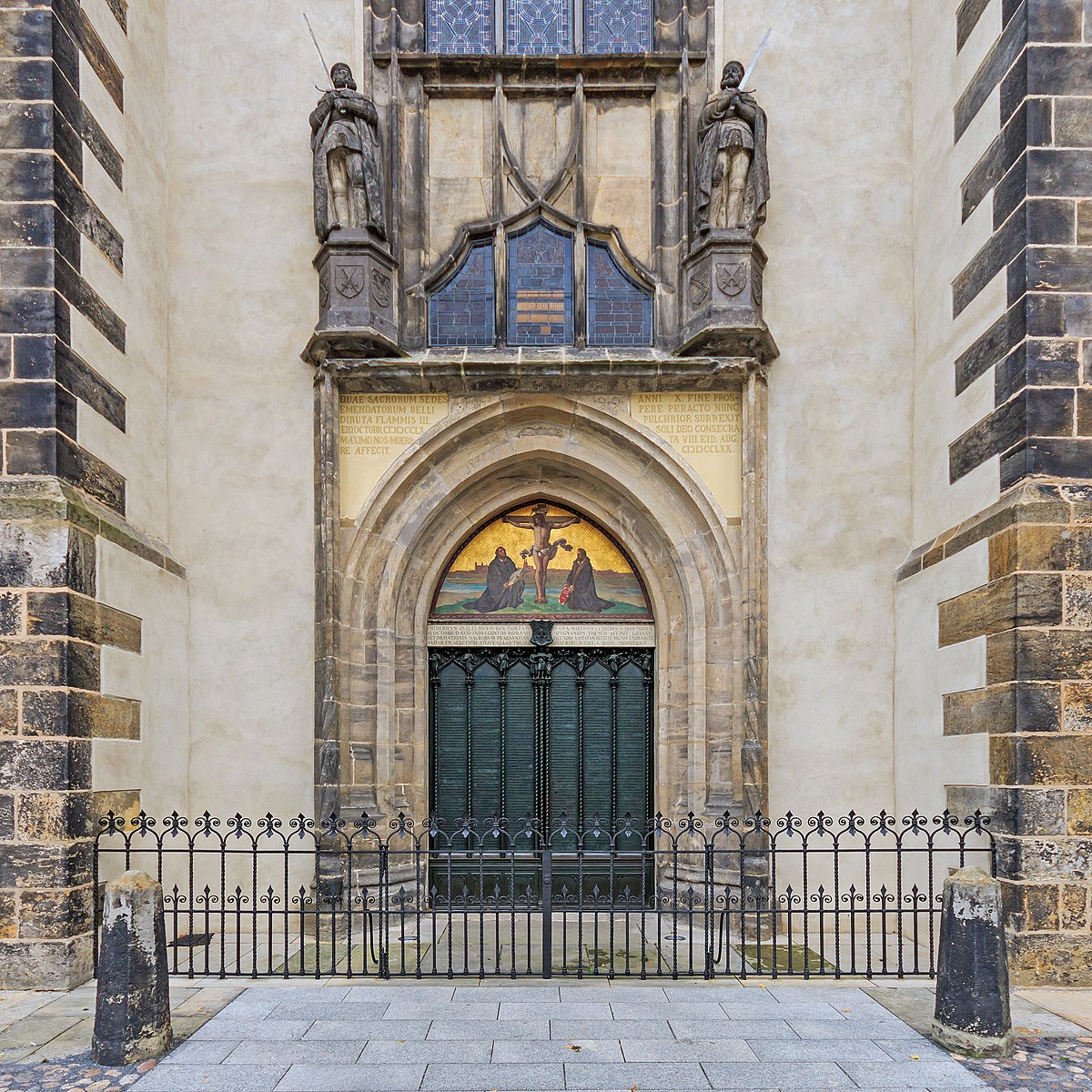
Luther Memorials in Eisleben and Wittenberg
📍 Brandenburg, Germany
The Luther Memorials in Eisleben and Wittenberg represent a critical chapter in the history of Christianity and Western thought. Located in the heart …

The Architectural Work of Le Corbusier
📍 Germany
The Architectural Work of Le Corbusier is a remarkable collection that spans seven countries, showcasing the innovative genius of one of the 20th …

Water Management System of Augsburg
📍 Bavaria, Germany
The Water Management System of Augsburg stands as a remarkable achievement of engineering, demonstrating innovative approaches to water resource …