
The Architectural Work of Le Corbusier
Overview
The Architectural Work of Le Corbusier is a remarkable collection that spans seven countries, showcasing the innovative genius of one of the 20th century’s most influential architects. Celebrated for his pioneering contributions to modern architecture, Le Corbusier’s designs emphasize functionality, simplicity, and a unique aesthetic that has left a lasting imprint on urban planning and architectural design. This World Heritage site encompasses a series of structures that embody his vision of a harmonious living environment, marrying form with function. As you explore these works, you will encounter a blend of residential, commercial, and cultural buildings that reflect his revolutionary ideas and philosophies.
Located in various cities across the globe, including Germany, the Architectural Work of Le Corbusier invites visitors to appreciate not only the artistry of his designs but also their social and cultural significance. Each structure tells a story of innovation and societal progress, making this site an essential stop for architecture enthusiasts and cultural travelers alike.
Visiting this extraordinary collection allows you to witness firsthand the architectural advancements that shaped modern living, providing a deeper understanding of the interplay between design and daily life.
History and Significance
Le Corbusier, born Charles-Édouard Jeanneret, was a Swiss-French architect whose career flourished in the early to mid-20th century. His architectural philosophy was grounded in the belief that buildings should enhance the quality of life for their inhabitants. He sought to redefine urban spaces, proposing designs that emphasized light, open space, and integration with nature. His ideas on the “Five Points of a New Architecture”—pilotis (supports), flat roofs, open floor plans, horizontal windows, and free façades—revolutionized the architectural landscape.
The sites that comprise the Architectural Work of Le Corbusier include numerous residential units, community buildings, and urban planning projects. Each structure reflects Le Corbusier’s vision of a functional, efficient, and aesthetically pleasing environment. Among the notable examples are the Unité d’Habitation in Marseille, the Chapel of Notre Dame du Haut in Ronchamp, and the Villa Savoye.
Le Corbusier’s work is not just an architectural achievement; it represents a broader cultural movement towards modernism. His concepts of urban living shaped not only the physical structures of cities but also their social fabric, encouraging communal living and interaction. As a result, visiting these sites provides insight into the historical context of urban development and the evolution of architectural thought during the 20th century.
Architecture and Features
The Architectural Work of Le Corbusier is characterized by its innovative use of materials and design principles that prioritize functionality without sacrificing beauty. His buildings often feature dramatic geometric forms, open spaces, and large windows that invite natural light and promote a sense of openness.
Notable features of his designs include the use of concrete, which allowed for greater structural flexibility and creativity. Many of his buildings showcase a modernist aesthetic with clean lines and minimalist ornamentation, emphasizing the idea that form should follow function. His signature pilotis elevate buildings above the ground, creating open spaces underneath that encourage interaction and accessibility.
The Unité d’Habitation, for example, is a multi-family housing complex that integrates residential living with communal spaces, including shops and recreational areas. This design exemplifies Le Corbusier’s vision of a self-sufficient community where residents could thrive in a shared environment.
Another remarkable structure is the Chapel of Notre Dame du Haut, which features sweeping curves and a sculptural quality that contrasts with traditional church architecture. Its design not only serves a spiritual purpose but also engages with the surrounding landscape, creating a dialogue between the natural and built environments.
Each site within this collection embodies Le Corbusier’s principles and philosophies, representing a synthesis of art, architecture, and urban planning that has influenced generations of architects and designers.
Visiting Information
To fully experience the Architectural Work of Le Corbusier, visitors should take advantage of the various transportation options available. Depending on the specific site within Germany, options may include public transportation, such as trains and buses, as well as private vehicles. Check the official website for current transportation details and directions.
When planning your visit, it’s essential to check the official website for hours of operation and ticket prices. Visitors can expect to spend a few hours at each site, allowing time for exploration and reflection on the architectural genius of Le Corbusier.
The best times to visit are typically during the spring and fall when the weather is mild, and the crowds are smaller, allowing for a more intimate experience with the architecture. Summer months may attract larger crowds, so early morning visits can help avoid peak times.
Expect to engage with various informational displays and guided tours, which can enhance your understanding of the architectural significance of each structure. Ensure you allocate time to explore surrounding areas, as many of these sites are located near vibrant neighborhoods or cultural attractions.
Nearby Attractions
Villa Savoye: Located just outside Paris, this iconic residence is a prime example of Le Corbusier’s architectural principles. Its harmonious design and integration with the landscape make it a must-visit.
Chapel of Notre Dame du Haut: Situated in Ronchamp, France, this chapel is celebrated for its unique architectural form and spiritual ambiance. Its stunning design draws visitors from around the world.
Unité d’Habitation: This residential complex in Marseille is not only an architectural marvel but also a vibrant community hub, featuring shops, restaurants, and recreational spaces.
Pavillon de l’Esprit Nouveau: In Bologna, Italy, this pavilion showcases Le Corbusier’s vision of modern living, exemplifying his ideas on urban housing and spatial organization.
Cité Radieuse: Located in Marseille, this building exemplifies Le Corbusier’s concepts of communal living and architectural innovation, featuring a mix of residential units and communal facilities.
Insider Tips
For photography enthusiasts, the best times to capture the essence of Le Corbusier’s buildings are during the golden hours—early morning or late afternoon—when natural light enhances the architectural features.
To avoid crowds, consider visiting during weekdays or outside of peak tourist seasons. Guided tours may offer deeper insights, but self-guided exploration can provide a more personal experience.
Practical Information
When visiting the Architectural Work of Le Corbusier, comfortable walking shoes are essential, as exploring the sites often involves walking through expansive areas.
Seasonal considerations include dressing in layers during cooler months, as some sites may have limited indoor spaces. Bring a reusable water bottle to stay hydrated, especially in warmer weather.
Check the official website for any specific regulations or guidelines regarding what to bring into the sites, as well as any updates on accessibility or amenities available for visitors.
Frequently Asked Questions
How long should I spend visiting?
It is recommended to spend at least a few hours at each site to fully appreciate the architecture and its context.
Is photography allowed?
Photography is generally permitted, but be mindful of any specific restrictions at individual sites.
Are there guided tours?
Many sites offer guided tours that provide deeper insights into the architectural significance of the buildings. Check the official website for availability.
What’s the best time to visit?
Visiting during spring or fall is ideal due to mild weather and fewer crowds. Early mornings on weekdays can also provide a quieter experience.
Is it wheelchair accessible?
Accessibility varies by site. Check the official website for specific information regarding wheelchair access and amenities.
Can I buy tickets online?
Many sites allow for online ticket purchases. Check the official website for details on availability and pricing.
Are there restrooms and cafes?
Facilities vary by site. Most larger sites will have restrooms, and many offer cafes or nearby dining options.
What should I wear?
Comfortable clothing and footwear are recommended, along with seasonal attire to accommodate weather conditions during your visit.
More in Germany

Bauernmuseum Selfkant
📍 Germany
Bauernmuseum Selfkant is an intriguing museum located in the heart of Germany that offers insights into rural life and agricultural practices. This …

borders of the Roman Empire
📍 Germany
The borders of the Roman Empire mark an extraordinary architectural ensemble that encapsulates the might and planning of one of history’s most …

Frontiers of the Roman Empire – The Danube Limes (Western Segment)
📍 Germany
The Frontiers of the Roman Empire – The Danube Limes (Western Segment) represents a significant chapter in the annals of Roman history, marking the …

Moravian Church Settlements
📍 Germany
The Moravian Church Settlements represent a unique chapter in the history of religious communities and human settlement patterns, intertwining faith, …

The Great Spa Towns of Europe
📍 Germany
The Great Spa Towns of Europe represent a unique blend of health, leisure, and architectural beauty, reflecting centuries of cultural and social …
More Group Of Structures Or Buildings

Bauhaus and its Sites in Weimar, Dessau and Bernau
📍 Saxony-Anhalt, Germany
The Bauhaus and its Sites in Weimar, Dessau, and Bernau represent a revolutionary chapter in the history of architecture and design. This UNESCO World …

Collegiate Church, Castle, and Old Town of Quedlinburg
📍 Lower Saxony, Germany
The Collegiate Church, Castle, and Old Town of Quedlinburg represent an extraordinary blend of medieval architecture and rich cultural heritage, …
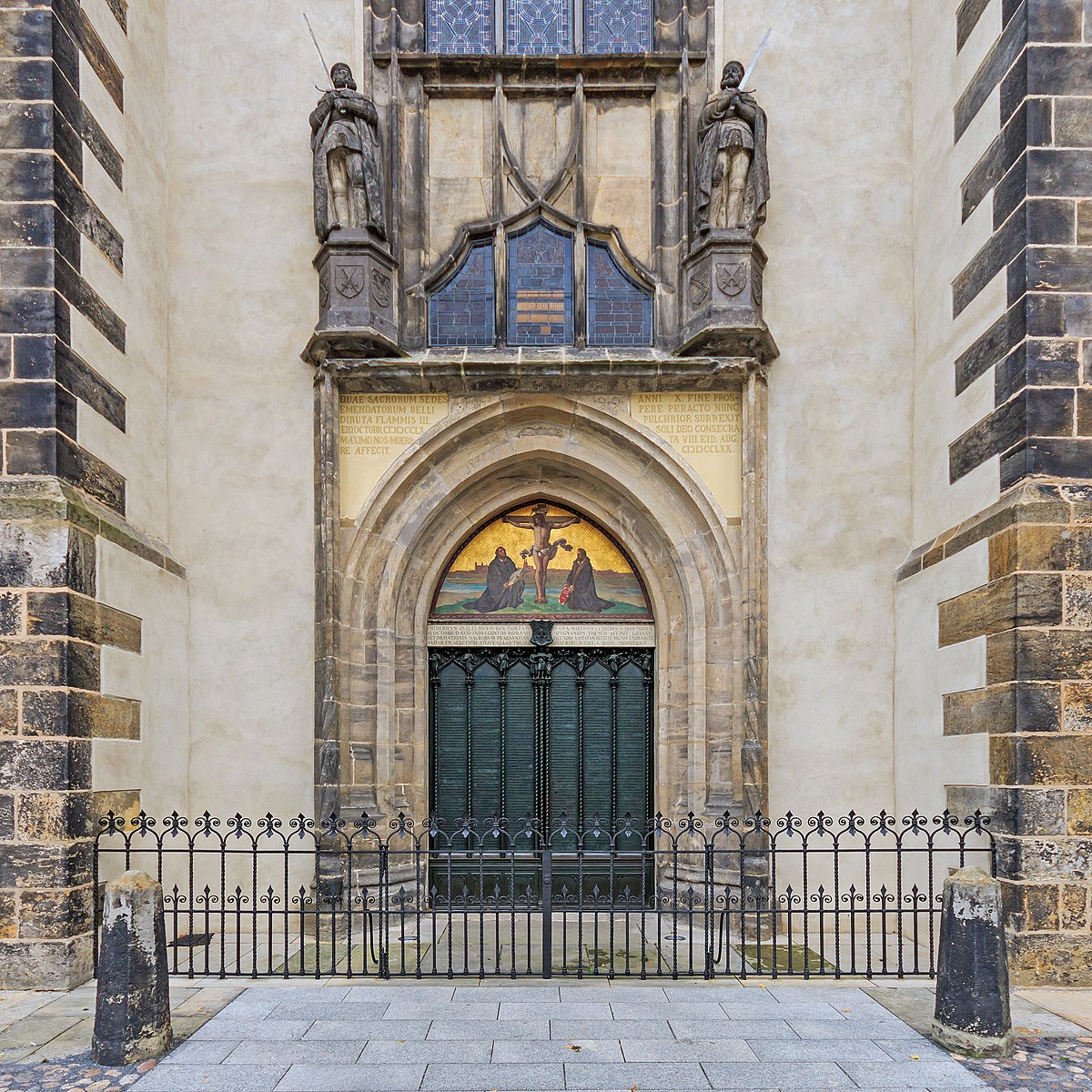
Luther Memorials in Eisleben and Wittenberg
📍 Brandenburg, Germany
The Luther Memorials in Eisleben and Wittenberg represent a critical chapter in the history of Christianity and Western thought. Located in the heart …

The Palaces of King Ludwig II of Bavaria: Neuschwanstein, Linderhof, Schachen and Herrenchiemsee
📍 Bavaria, Germany
The Palaces of King Ludwig II of Bavaria represent the pinnacle of 19th-century Romantic architecture and are a significant cultural landmark in …

Water Management System of Augsburg
📍 Bavaria, Germany
The Water Management System of Augsburg stands as a remarkable achievement of engineering, demonstrating innovative approaches to water resource …