Overview
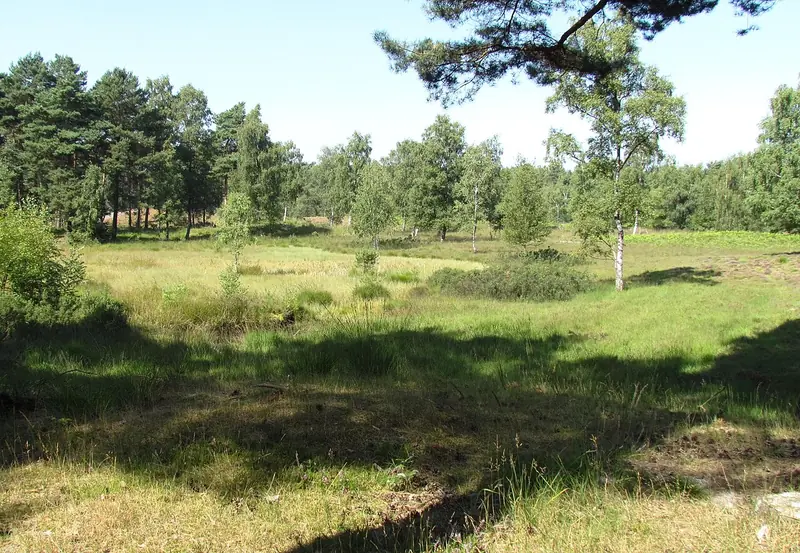
Teverener Heide is a distinguished nature reserve located in the Heinsberg district of North Rhine-Westphalia, Germany. Covering a diverse landscape, this reserve stands as a significant example of the ecological richness found within the region. Visitors can immerse themselves in the natural beauty of Teverener Heide, which offers a unique opportunity to explore a variety of flora and fauna in a tranquil environment. The area is not only vital for conservation efforts but also serves as a recreational space for locals and travelers alike.
The reserve is notable for its diverse ecosystems, which include heathlands, wetlands, and woodland areas. These habitats support a range of wildlife, making it a haven for nature enthusiasts, bird watchers, and outdoor adventurers. The reserve’s accessibility, combined with its natural charm, promises an engaging experience for all who venture here.
Whether you are seeking a peaceful stroll through verdant landscapes or looking to explore the unique biodiversity of North Rhine-Westphalia, Teverener Heide provides an enriching backdrop for a day out in nature.
History and Significance
The history of Teverener Heide is intertwined with the broader narrative of environmental conservation in Germany. While specific historical dates may be elusive, the establishment of nature reserves such as Teverener Heide reflects a growing recognition of the need to protect natural habitats from urbanization and industrial development. This reserve is critical not only for its ecological functions but also for its role in preserving local biodiversity.
The cultural significance of Teverener Heide can be understood through the lens of community engagement with nature. As a nature reserve, it acts as a vital educational resource for local schools and environmental organizations, promoting awareness about conservation and the importance of maintaining ecological balance. Additionally, the reserve offers opportunities for research and monitoring of species that inhabit the area, contributing to broader scientific knowledge.
With its varied landscapes and ecosystems, Teverener Heide serves as a living laboratory for understanding the interactions between different species and their environments. The preservation efforts here are part of a larger movement within Germany to maintain natural spaces that are essential for both wildlife and human recreation. Visitors to the reserve can appreciate not only the beauty of the surroundings but also the ongoing efforts to sustain and enhance the natural heritage of the region.
Architecture and Features
Teverener Heide is characterized by its diverse range of natural features, which include heathlands, wetlands, and patches of woodland. The reserve is carefully managed to maintain these unique ecosystems, allowing for a variety of habitats that support different forms of wildlife. The heathland areas, with their low-growing shrubs and seasonal blooms, create a vibrant landscape that changes throughout the year.
One of the notable features of Teverener Heide is its network of walking paths, which are designed to facilitate exploration while minimizing impact on the sensitive environment. These paths allow visitors to traverse the reserve and engage with the diverse ecosystems without disturbing the natural habitat. Along these trails, informative signage often provides insights into the flora and fauna, enhancing the educational experience for all who visit.
The wetlands within the reserve are particularly significant, as they serve not only as a habitat for various species but also play a crucial role in water management and flood control. The balance of these different environments makes Teverener Heide a vital ecological resource as well as a picturesque landscape for visitors.
Visiting Information
When planning a visit to Teverener Heide, it is advisable to check the official website for current information on hours and any potential entrance fees. Access to the reserve is generally straightforward, with various transportation options available in the surrounding area. Local public transport may provide routes that connect to nearby towns, while driving offers flexibility for those who wish to explore at their own pace.
Visitors can expect to spend a few hours enjoying the trails and observing wildlife. The reserve is suitable for casual walkers, families, and dedicated nature enthusiasts alike. Engaging with the natural surroundings can be a rejuvenating experience, making it a perfect destination for a day trip or a leisurely afternoon.
The best times to visit are typically during the spring and autumn months when the weather is mild, and the flora and fauna are particularly vibrant. However, the reserve offers something unique in every season, so it can be appreciated year-round.
Nearby Attractions
While Teverener Heide is a destination in itself, there are several nearby attractions worth exploring:
Heinsberg Castle: A historical site offering a glimpse into the region’s past, with beautiful architecture and scenic grounds.
Schloss Rimburg: Located just a short drive away, this charming castle features lovely gardens and a peaceful ambiance.
Stadtpark Heinsberg: A lovely park ideal for a relaxed stroll or a picnic, perfect for families and those looking for recreational space.
Museum zur Stadtgeschichte: Delve into the local history of Heinsberg with exhibits that showcase the cultural heritage of the area.
Bistro and Cafés in Heinsberg: Enjoy local cuisine and refreshments at various eateries in the nearby town, offering a taste of regional flavors.
Insider Tips
For photographers, Teverener Heide presents numerous opportunities to capture the beauty of natural landscapes. Early mornings or late afternoons tend to offer the best light for photography, enhancing the colors of the heathlands and wetlands. Consider bringing a zoom lens to capture wildlife from a distance without disturbing them.
To avoid crowds, try visiting during weekdays, especially in the morning. Weekends can be busier, particularly in peak seasons, so planning your visit for quieter times can lead to a more enjoyable experience in the serene environment of the reserve.
Practical Information
When preparing for your visit to Teverener Heide, consider bringing along essentials such as water, snacks, and appropriate outdoor gear, depending on the season. Comfortable walking shoes are a must, as the trails can vary in terrain.
Seasonal considerations are important as well; spring and autumn can be particularly lovely but may require layers for cooler temperatures. Summer visits might call for sunscreen and hats to protect against the sun, while winter visits can bring a different charm, with the landscape potentially transformed by frost or snow.
Frequently Asked Questions
How long should I spend visiting?
A visit to Teverener Heide typically lasts between two to four hours, depending on your pace and interest in exploring various trails.
Is photography allowed?
Yes, photography is permitted throughout the reserve, but be mindful of wildlife and other visitors.
Are there guided tours?
Check the official website for information on guided tours or educational programs that may be available during your visit.
What’s the best time to visit?
Spring and autumn are often considered the best times to visit due to pleasant weather and vibrant natural colors.
Is it wheelchair accessible?
Check the official website for specific information regarding accessibility options within the reserve.
Can I buy tickets online?
Currently, entry to Teverener Heide is generally free, but check the official website for any changes or special events that may require tickets.
Are there restrooms and cafes?
Basic facilities may be limited within the reserve. It’s advisable to plan ahead and use restrooms in nearby towns.
What should I wear?
Dress in layers and wear comfortable walking shoes to ensure a pleasant experience while exploring the reserve’s varied terrain.



