
Tapetenwerk
Overview
In the heart of Leipzig, Germany, lies the Tapetenwerk, a former wallpaper factory that has transformed into a vibrant space for culture and creativity. This historic building not only reflects the industrial heritage of the region but also serves as a hub for art, design, and entrepreneurial innovation. Its strategic location in Saxony, known for its rich cultural landscape, enhances its significance as a gathering place where the past meets contemporary artistic expression.
The Tapetenwerk invites visitors to explore its multifaceted offerings, from exhibitions showcasing local artists to workshops and events that foster community engagement. As a testament to Leipzig’s evolving identity, this site symbolizes the city’s dynamic transition from industrial power to a center for creativity and collaboration. Whether you are an art enthusiast, history buff, or simply curious about Leipzig’s heritage, a visit to Tapetenwerk promises an enriching experience.
History and Significance
The Tapetenwerk stands as a representation of Leipzig’s industrial past, primarily recognized for its production of wallpaper during the 19th and early 20th centuries. The factory was integral to the local economy, contributing to the city’s reputation as a significant manufacturing hub in Europe. Over time, the need for such industries evolved, leading to changes in the factory’s purpose and structure.
As the wallpaper industry declined, the factory faced the threat of abandonment. However, a wave of revitalization in the late 20th century saw the building repurposed into a cultural space, breathing new life into its walls. Today, it plays a crucial role in Leipzig’s cultural landscape, housing studios, galleries, and workshops that encourage artistic endeavors and community interaction.
The significance of Tapetenwerk extends beyond its walls; it is emblematic of Leipzig’s transformation and resilience. The factory’s adaptation to modern use mirrors the city’s broader narrative of renewal and innovation, making it a significant site for exploring the interplay between history and contemporary culture.
Architecture and Features
The architectural design of Tapetenwerk reflects its industrial roots, characterized by robust brick construction that has stood the test of time. The building showcases traditional factory elements, including large windows that once allowed ample natural light for the production process. This feature continues to enhance the atmosphere within, making it an inviting space for creative activities.
Inside, visitors will find a blend of preserved industrial charm and modern adaptations. The open floor plan provides flexibility for various uses, from art exhibitions to workshops. Exposed beams and original brickwork evoke the factory’s storied past while contributing to a unique aesthetic that attracts artists and visitors alike.
Noteworthy features include the large communal areas that facilitate collaboration among artists and the integration of contemporary art installations that breathe new life into the historical structure. The combination of old and new creates a dynamic environment that reflects the ongoing dialogue between Leipzig’s heritage and its contemporary artistic scene.
Visiting Information
The Tapetenwerk is easily accessible via public transport in Leipzig, making it a convenient destination for both locals and tourists. Visitors can expect a diverse range of activities, including exhibitions, workshops, and events, often hosted within the factory’s expansive spaces.
To get the most current information regarding hours of operation and ticket prices, it is advisable to check the official website. Typically, visitors may want to allocate a few hours to fully explore the various exhibitions and participate in any available workshops.
The best times to visit are during events or special exhibitions, as these occasions often showcase the vibrant community of artists and creators who use the space. Additionally, weekdays may offer a quieter experience compared to weekends, making it easier to enjoy the artworks and installations at a leisurely pace.
Nearby Attractions
While visiting Tapetenwerk, consider exploring other nearby attractions that contribute to Leipzig’s cultural richness:
Museum der bildenden Künste (Museum of Fine Arts): Just a short distance away, this museum houses an impressive collection of artworks from the Middle Ages to contemporary pieces, making it a must-visit for art lovers.
Spinnerei: This former cotton mill has been transformed into an arts complex, featuring galleries, studios, and event spaces. It is home to numerous artists and hosts various cultural events throughout the year.
Leipzig Panometer: A unique exhibition space housed in a former gasometer, the Panometer showcases breathtaking 360-degree panoramas that transport visitors to different historical moments and places.
Völkerschlachtdenkmal (Battle of the Nations Monument): This monumental structure commemorates the Battle of Leipzig in 1813 and offers visitors panoramic views from its summit.
Clara-Zetkin-Park: A lovely green space perfect for a leisurely stroll or picnic, this park is situated near the city center and provides a pleasant contrast to the industrial landscapes.
Insider Tips
For photography enthusiasts, Tapetenwerk presents a wealth of opportunities to capture its unique architecture and vibrant art installations. Early morning or late afternoon light can create dramatic effects, enhancing the visual appeal of the factory’s features.
To avoid crowds, consider visiting during weekdays or during special events that may attract larger groups. Engaging with artists during workshops or exhibitions can provide deeper insights into the creative processes and stories behind the art, enriching your overall experience.
Practical Information
When visiting Tapetenwerk, it is advisable to bring comfortable walking shoes, as the site may involve some exploration of its expansive spaces. Depending on the season, dress in layers to accommodate varying temperatures within the building and outside.
For those interested in participating in workshops or events, check the official website for any materials or supplies you may need to bring along. As a cultural venue, Tapetenwerk may also have specific seasonal events that are worth planning around to enhance your visit.
Frequently Asked Questions
How long should I spend visiting?
Most visitors find that spending two to three hours allows ample time to explore exhibitions and participate in activities.
Is photography allowed?
Photography is generally permitted, but it is recommended to check for any specific restrictions during exhibitions or events.
Are there guided tours?
Guided tours may be available during special events; check the official website for more information.
What’s the best time to visit?
Weekdays or special event days are ideal for a more relaxed experience, while weekends may offer a lively atmosphere.
Is it wheelchair accessible?
The factory is designed to accommodate various visitors, but it is advisable to check the official website for specific accessibility details.
Can I buy tickets online?
Ticket purchasing options may vary; check the official website for the most current information.
Are there restrooms and cafes?
Facilities may be available on-site, but check the official website for specific amenities.
What should I wear?
Comfortable clothing and shoes are recommended, especially if you plan to explore various areas of the factory.
Visiting Tapetenwerk offers a unique opportunity to engage with Leipzig’s industrial past while experiencing the vibrant cultural scene that continues to flourish within its walls. Whether you are drawn by its history, architecture, or artistic offerings, this site is a significant destination for anyone exploring this dynamic city.
More in Saxony

6. Grundschule "Am Großen Garten"
📍 Saxony, Germany
The 6. Grundschule “Am Großen Garten” stands as a significant educational institution in Dresden, Germany, embodying the principles of early childhood …

Albertinum
📍 Saxony, Germany
Albertinum is a prominent art museum located in the heart of Dresden, Germany, serving as a significant cultural institution in the region. …

All Saints Church, Dresden
📍 Saxony, Germany
All Saints Church, located in the vibrant city of Dresden, Germany, is a remarkable church building that captures the essence of the region’s …

Altarstein (Saxon Switzerland)
📍 Saxony, Germany
Altarstein, located in the picturesque region of Saxon Switzerland, Germany, is a captivating monument that draws visitors into its historical …

Alte Nikolaischule (Leipzig)
📍 Saxony, Germany
Alte Nikolaischule, located in the heart of Leipzig, Germany, is a significant educational institution with a rich heritage. Founded as a school, it …
Alte Schulbrücke Oberbobritzsch
📍 Saxony, Germany
The Alte Schulbrücke Oberbobritzsch is a striking bridge situated in the Bobritzsch-Hilbersdorf region of Germany. This structure serves not only as a …
More Factories
A. Heucke
📍 Lower Saxony, Germany
A. Heucke, located in the historic town of Gatersleben in Germany’s Seeland region, represents a significant chapter in the story of industrial …
Adam Opel AG Werk Bochum I
📍 Lower Saxony, Germany
The Adam Opel AG Werk Bochum I, located in Germany, represents a significant chapter in the history of industrial production. This former production …
Adam Opel AG Werke Bochum II/III
📍 Lower Saxony, Germany
Adam Opel AG Werke Bochum II/III is a distinguished factory located in Germany, playing a significant role in the automotive industry. This site is …
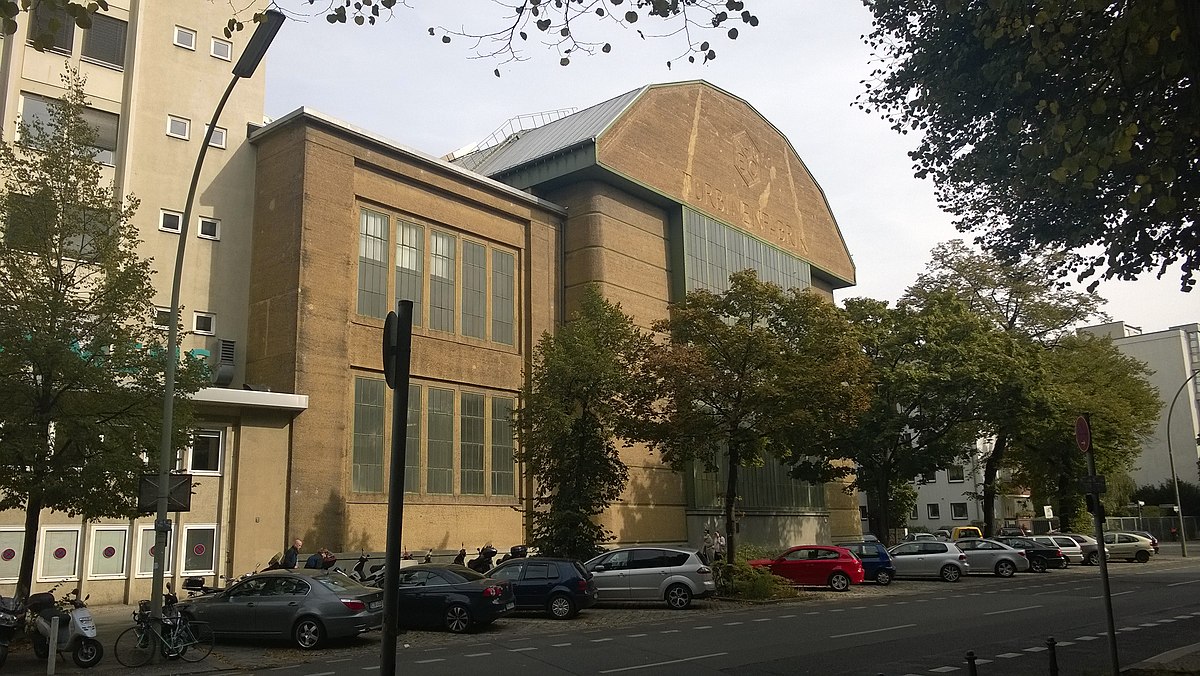
AEG's Turbine factory
📍 Berlin, Germany
The AEG Turbine Factory, an iconic structure in Berlin’s Bezirk Mitte, is a significant landmark that reflects the industrial heritage of the city. …
AKA-Radiergummifabrik
📍 Lower Saxony, Germany
The AKA-Radiergummifabrik, a significant former factory located in Hannover, Germany, offers a unique glimpse into the industrial past of the region. …

Alte Malzfabrik
📍 Lower Saxony, Germany
Alte Malzfabrik, located in Mülheim an der Ruhr, Germany, is an intriguing factory site that encapsulates the industrial heritage of the region. This …