Overview
In the heart of Germany lies a haunting testament to our ancient past: the Talheim Death Pit. This archaeological site, dating back to around 5000 BC, reveals one of the oldest mass graves known to humanity. The discovery of this site sheds light on the complex social structures and violent events of early agricultural communities, making it a pivotal point of interest for historians and archaeologists alike.
Located within a landscape shaped by millennia of human activity, Talheim is not just a burial site; it is a window into a world long gone. As you approach the site, you might sense the echoes of lives lived and lost in a time when survival was often precarious. The significance of the Talheim Death Pit cannot be overstated; it provides invaluable insights into the customs and circumstances surrounding death in early European societies.
Your visit will take you on a journey through the layers of history embedded in the soil. You will discover the archaeological methods used to unearth these ancient remains, explore the implications of this mass grave, and reflect on the stories of those who once inhabited this land.
History and Significance
The Talheim Death Pit is a remarkable archaeological find that offers a glimpse into the social and cultural dynamics of early farming communities in Europe. The site itself dates back to approximately 5000 BC, a time when many human societies were shifting from nomadic lifestyles to settled agricultural practices. This transition was not merely a change in subsistence but also a transformation in social structures, community organization, and ritual practices.
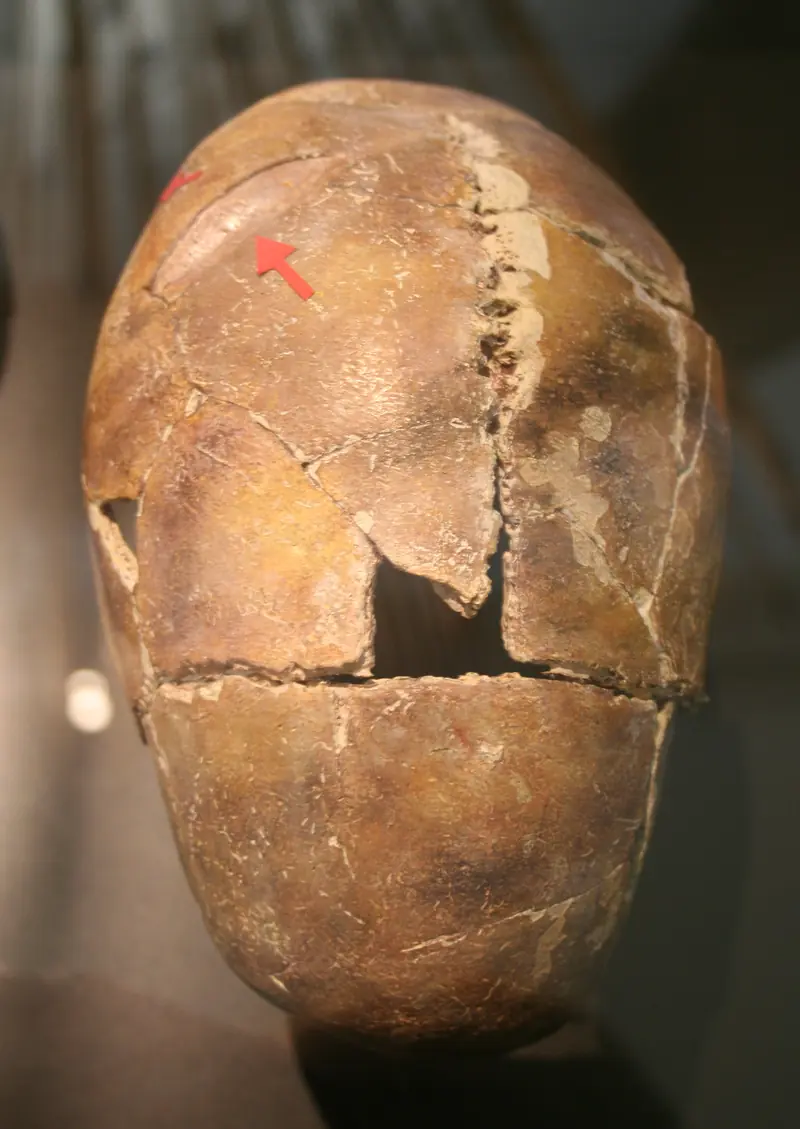
The mass grave at Talheim contains remains that suggest a violent event occurred, leading to the deaths of multiple individuals. The circumstances surrounding these deaths are pivotal for understanding the societal tensions and conflicts of the time. The presence of so many individuals in a single burial site indicates that these people may have faced a catastrophe that impacted their community significantly.
Over the centuries, the site has drawn the attention of researchers eager to piece together the narrative of early human life. Excavations have provided a wealth of information about burial practices and the treatment of the dead, which varied significantly across cultures. The findings from Talheim contribute to a larger narrative about the evolution of human societies in Europe, offering clues about social hierarchies, inter-community relations, and the impact of environmental changes on human behavior.
The Talheim Death Pit is not merely an archaeological curiosity; it occupies a crucial place in the study of early Europe. It challenges our perceptions of prehistoric life and death, highlighting that even in ancient times, communities were faced with challenges that resonate through the ages. This site is a reminder of the shared human experience of loss and the rituals that emerge in response to it.
Architecture and Features
While the Talheim Death Pit is primarily an archaeological site rather than a constructed monument, it possesses unique features that intrigue visitors. The site encompasses a mass grave, where skeletal remains have been found in a disarrayed manner, suggesting a hurried burial or the aftermath of a violent event. The arrangement of these remains provides significant insights into burial practices and the socio-religious beliefs of the time.
Visitors can expect to see the remnants of these ancient burials, with careful attention given to the preservation of skeletal remains and the surrounding context in which they were found. The area has been excavated with precision, allowing for a deeper understanding of the site’s historical significance.
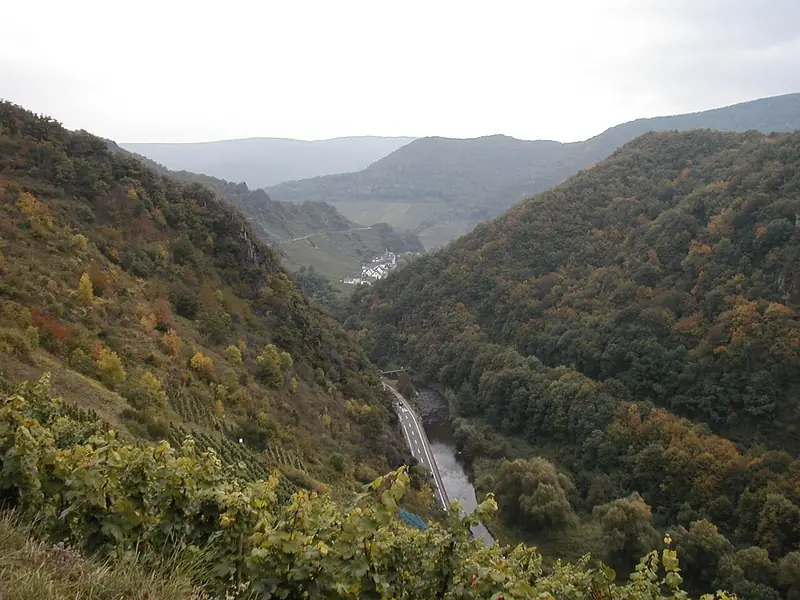
In addition to the grave itself, the surrounding landscape offers a serene backdrop for reflection on the lives that once inhabited the area. The contrast between the peaceful setting and the site’s grim history invites contemplation about the human condition and the passage of time.
Visiting Information
To reach the Talheim Death Pit, you can utilize various transport options common in the region. General access to the site is typically straightforward, with routes that facilitate ease of travel for visitors.
Hours: Check the official website for current opening hours.
Prices: Visit the official website for current admission prices.
Contact: Contact the site directly for the latest information.
Expect a visit to the Talheim Death Pit to take approximately 1-2 hours. This timeframe allows for adequate exploration of the site and the opportunity to absorb the historical context. Early mornings are often less crowded, providing a more intimate experience with the site. Spring and fall are generally favorable times to visit, offering pleasant weather for outdoor exploration.
Accessibility features may vary, so it is advisable to check in advance. The site is set in a relatively open area, but specific access routes may require prior knowledge.
Nearby Attractions
While visiting the Talheim Death Pit, consider exploring these nearby attractions that complement your historical journey:
Archaeological Museum: This museum showcases a range of artifacts from prehistoric times, providing a broader context for the findings at Talheim. Exhibits include tools, pottery, and other items that highlight the lives of early European communities.
Historical Sites: The region is dotted with various historical sites that reflect the rich tapestry of German history. Exploring these locations can deepen your understanding of the cultural evolution that has shaped modern Germany.
Natural Reserves: The nearby natural reserves offer opportunities for hiking and experiencing the landscape that has witnessed millennia of human history. These areas are perfect for those seeking a blend of nature and culture.
Insider Tips
To enhance your visit to the Talheim Death Pit, consider these insider tips:
Photography: The site provides unique opportunities for photography, especially around the gravesite. Early morning light can create dramatic shadows and highlights, enhancing the visual appeal of your photos.
Lesser-known details: Pay attention to the arrangement of the skeletal remains, as they reveal much about the burial practices of the time. A closer look can offer fascinating insights into the lives of those interred.
Avoiding crowds: Visiting during weekdays or off-peak seasons can help you avoid larger crowds, allowing for a more personal experience with the site.
Local tips: Engage with site staff or local historians if available; they often provide additional context and stories that enhance your understanding of what you see.
Practical Information
For an optimal experience at the Talheim Death Pit, consider the following practical details:
What to bring: Comfortable walking shoes are recommended, as you may traverse uneven ground. A camera for capturing the site’s unique features is also advisable.
Seasonal considerations: Depending on the time of year, weather conditions may vary significantly. Dressing in layers can help you adapt to changing temperatures.
Consolidated details: Hours may vary, so check the official website for current opening hours and admission prices before your visit. It’s wise to plan ahead for accessibility needs and transportation options.
Frequently Asked Questions
How long should I spend visiting?
You should plan to spend approximately 1-2 hours at the Talheim Death Pit. This timeframe allows you to engage with the site and reflect on its historical significance.
Is photography allowed inside?
Photography policies can vary; it’s best to check the site’s regulations upon arrival.
Are there guided tours available?
Specific tour options may vary by season, so check with the site directly for information on guided tours.
What’s the best time of day to visit?
Morning visits are often less crowded, allowing for a more peaceful experience at the site.
Is the site wheelchair accessible?
Accessibility features may vary; it’s advisable to contact the site directly for the latest information regarding wheelchair access.
Can I buy tickets online?
Ticket purchasing options may change, so it’s best to check the official website for updated information.
Are there facilities like restrooms and cafes?
Facilities may be limited; check the official website for the most current information regarding amenities.
What should I wear when visiting?
Dress comfortably and in layers to adapt to varying weather conditions, especially if you plan to explore the surrounding landscape.
Photo Gallery