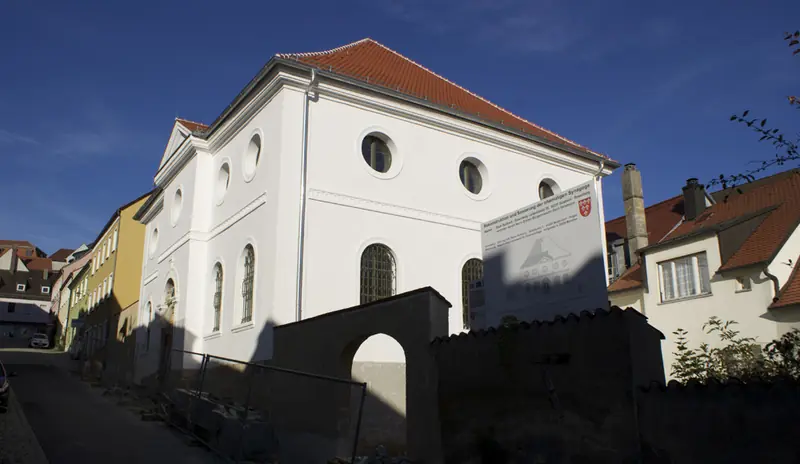
Overview
The synagogue of Sulzbach, located in Sulzbach-Rosenberg, Germany, offers a poignant glimpse into the Jewish heritage of the region. Originally serving as a place of worship, this former synagogue now functions as a museum, providing visitors with insights into Jewish culture and history. Set against the backdrop of Bavaria’s picturesque landscapes, the site is not only an architectural marvel but also a significant cultural landmark that reflects the rich traditions of the Jewish community that once thrived here.
With its strategic position in the heart of Germany, the synagogue of Sulzbach is accessible to travelers exploring the broader region. The museum’s mission extends beyond mere preservation; it aims to educate the public about the Jewish faith and the historical context surrounding Jewish life in Germany, making it a vital stop for those interested in heritage and cultural studies. The synagogue stands as a reminder of the resilience of cultural identity, inviting visitors to engage with its historical narratives and the compelling stories of its past.
History and Significance
The history of the synagogue of Sulzbach is woven into the broader narrative of Jewish life in Germany. The Jewish community in Sulzbach-Rosenberg dates back several centuries, contributing significantly to the local economy and culture. The establishment of the synagogue marked an important milestone for the community, serving as a spiritual and social hub.
Over the years, the synagogue witnessed many transformations, reflective of the broader socio-political changes affecting Jews in Germany. The site has been a focal point for community gatherings, religious ceremonies, and cultural events, highlighting its importance beyond mere architectural significance. The synagogue’s historical context is crucial, especially considering the challenges faced by Jewish communities during periods of persecution and displacement.
In the present day, the building has been transformed into a museum, which not only preserves its architectural integrity but also showcases exhibits that delve into the history and contributions of the Jewish people in this region. This transition from a religious site to a museum underscores a commitment to memory and education, ensuring that the legacy of the Jewish community in Sulzbach is honored and remembered.
Architecture and Features
The synagogue of Sulzbach is notable for its architectural features that embody the style and craftsmanship of its time. While specific details about its dimensions and construction methods are not provided, the building reflects the typical characteristics of synagogues from its era. Visitors will likely appreciate the ornate design elements that highlight the cultural artistry of the Jewish community.
The interior of the synagogue may feature traditional elements such as a bimah (a raised platform for reading the Torah) and an ark (the cabinet where the Torah scrolls are kept), which are central to Jewish worship. These features serve not only as functional spaces but also as representations of the spiritual significance of the site.
As a museum, the building has been preserved to facilitate educational initiatives. The layout may incorporate exhibition spaces that provide context and narrative to the artifacts and displays, enriching the visitor experience and offering a more profound understanding of Jewish history in the area.
Visiting Information
Accessing the synagogue of Sulzbach is relatively straightforward, with various transport options available for visitors. Those traveling by car can find parking nearby, while public transport may also connect to the site effectively. Visitors are encouraged to check the official website for current information regarding opening hours and ticket prices, ensuring a smooth planning process.
Once inside, guests can expect to spend a moderate amount of time exploring the exhibits and absorbing the rich history presented. While the synagogue itself is compact, the depth of information and the significance of the displays warrant a thoughtful visit. It’s advisable to allocate sufficient time to appreciate the narratives woven throughout the museum.
The best times to visit are typically during weekdays when crowds are lighter, allowing for a more personal experience. However, special events or guided tours may be available on weekends, providing a different perspective on the synagogue’s significance.
Nearby Attractions
Sulzbach-Rosenberg is surrounded by several attractions that enhance the experience of visiting the synagogue. Here are a few notable sites to consider:
Schloss Sulzbach: This historic castle offers a glimpse into the region’s feudal past and often hosts cultural events.
Stadtmuseum Sulzbach-Rosenberg: This local museum showcases the history of the town and its development over the centuries.
Ruins of the Burg Alt-Sulzbach: Explore the remnants of this ancient fortress for a scenic view and a touch of medieval history.
Nature Trails: The surrounding countryside features numerous trails ideal for hiking, allowing visitors to enjoy the natural beauty of Bavaria.
Local Markets: Experience the vibrant atmosphere of local markets, where visitors can sample regional delicacies and crafts.
Insider Tips
For those planning to visit the synagogue of Sulzbach, here are a few insider tips:
- Photography: Check the museum’s policy regarding photography, as some exhibitions may have restrictions.
- Crowd Avoidance: To experience a quieter visit, consider going during the early morning or late afternoon on weekdays.
- Guided Tours: If available, guided tours can enrich your experience, providing in-depth knowledge about the synagogue’s history and significance.
Practical Information
When preparing for your visit to the synagogue of Sulzbach, consider the following practical tips:
- What to Bring: A notebook or camera can be useful for note-taking or capturing memories (if permitted).
- Seasonal Considerations: Dress appropriately for the weather, as the region can experience varying climates throughout the year.
- Accessibility: Check the official website for information on accessibility features to ensure a comfortable visit for all guests.
Frequently Asked Questions
How long should I spend visiting?
A visit typically requires about one to two hours to fully engage with the exhibits and learn about the history of the synagogue.
Is photography allowed?
Photography policies can vary; it’s best to check the official website or inquire at the entrance.
Are there guided tours?
Guided tours may be available; check the official website for scheduling and availability.
What’s the best time to visit?
Weekdays are generally less crowded, making them ideal for a more peaceful experience.
Is it wheelchair accessible?
For information regarding wheelchair accessibility, please refer to the official website.
Can I buy tickets online?
Check the official website for options regarding online ticket purchases.
Are there restrooms and cafes?
Confirm the availability of restrooms and nearby cafes on the official website prior to your visit.
What should I wear?
Comfortable, respectful clothing is advisable, especially when visiting a place of worship and cultural significance.



