Overview
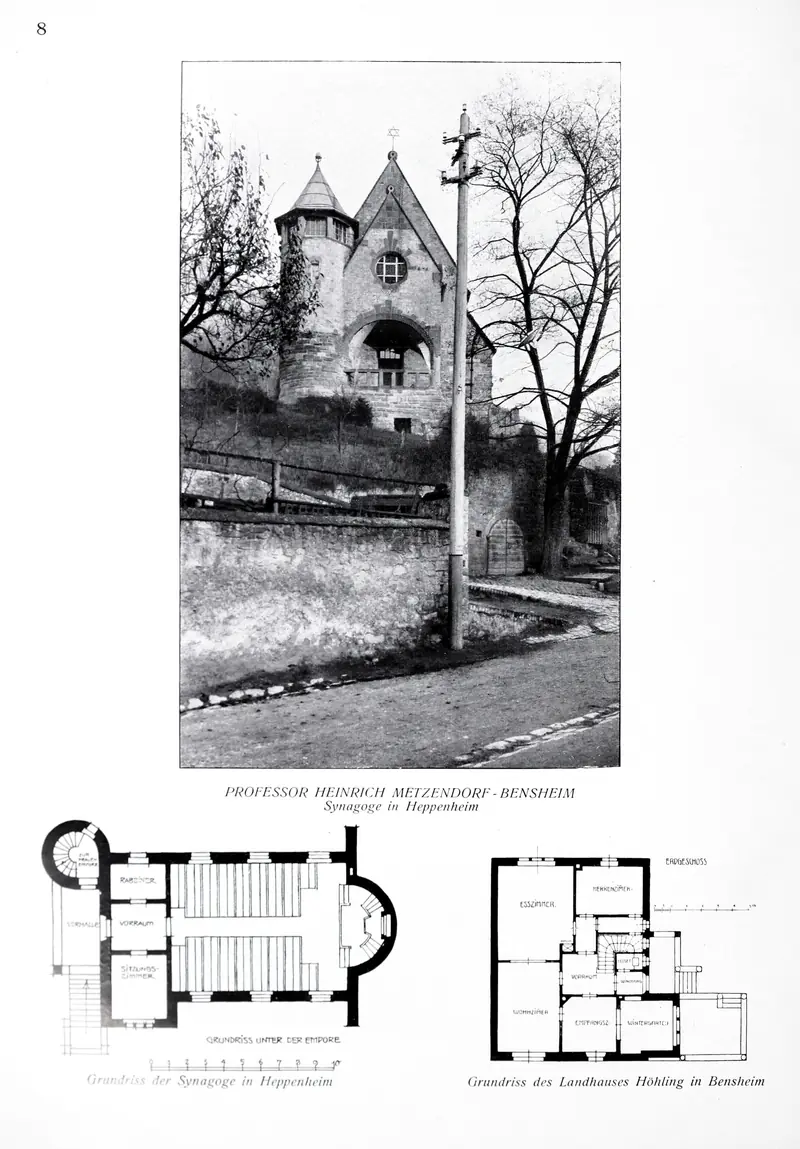
The Synagogue of Heppenheim, located in the picturesque town of Heppenheim in Hessen, Germany, is a site that speaks to the rich and complex history of Jewish life in the region. Although the building itself is no longer standing, its historical significance continues to resonate within the community and beyond. The site serves as a poignant reminder of the once-thriving Jewish community in Heppenheim, fostering a deeper understanding of the cultural and religious dynamics that have shaped the area. Visitors are invited to explore the legacy of Jewish heritage through the remnants of the synagogue and the narratives that surround it.
Heppenheim is situated in the scenic Bergstraße district, known for its rolling hills and vineyards. The town’s history dates back to the medieval period, and its charming streets are lined with half-timbered houses, contributing to its appeal as a cultural destination. The synagogue, despite its absence, remains a focal point for those interested in the history of the Jewish people in Germany, particularly in the context of the changes and challenges they faced over the centuries.
As you journey through Heppenheim, the site of the synagogue serves as a powerful invitation to reflect on the resilience and contributions of Jewish communities. This guide will equip you with everything you need to know for a meaningful visit.
History and Significance
The history of the Synagogue of Heppenheim is intricately connected to the Jewish community that once flourished in this part of Hessen. Although specific dates and detailed accounts may be sparse, historical records indicate that Jewish families have been present in Heppenheim for centuries. The synagogue served not only as a place of worship but also as a center for community life, education, and cultural expression.
The significance of the synagogue extends beyond its physical structure. It reflects the broader narrative of Jewish life in Germany, particularly in the face of adversity. The rise of anti-Semitism in the late 19th and early 20th centuries, culminating in the Holocaust, profoundly affected Jewish communities across the country, including in Heppenheim. The synagogue, like many others, became a symbol of loss and resilience.
Today, the site of the former synagogue serves as a reminder of the rich cultural heritage that once thrived in the region. It is a pivotal point for remembrance and education, encouraging visitors to engage with the history of the Jewish people. Commemorative events and educational programs are often held to honor the memory of those who were part of this community.
While the structure itself may not be present, the legacy of the Synagogue of Heppenheim is preserved in the hearts of the local community and in the collective memory of the Jewish diaspora. This site invites reflection on the enduring spirit of cultural heritage and the importance of remembrance in fostering understanding across diverse communities.
Architecture and Features
As the Synagogue of Heppenheim is no longer extant, a direct architectural description is not possible. However, like many synagogues of its time, it likely displayed characteristics typical of Jewish religious architecture in Germany. Synagogues from this period often featured distinct elements such as a central prayer hall, an Ark for the Torah scrolls, and decorative motifs that reflected Jewish artistic traditions.
The architecture of synagogues in the region typically incorporated local building materials, and designs might have included elements of both Gothic and Baroque styles, reflecting the diverse influences present in Germany during different periods. While specific features of the Heppenheim synagogue are undocumented, visitors can imagine the vibrant community life that once filled the halls, where prayers, celebrations, and educational activities took place.
The absence of the physical structure today does not diminish the importance of the site. Instead, it provides an opportunity for visitors to engage with the history and reflect on the architectural legacy that has shaped Jewish worship spaces throughout Germany. The remnants of the site evoke a sense of place, encouraging a dialogue about the past and the importance of preserving cultural heritage.
Visiting Information
Visiting the site of the Synagogue of Heppenheim offers a unique opportunity to explore the historical context of the region. It is advisable to plan your visit to accommodate sufficient time for reflection and exploration. Visitors can expect a peaceful environment that encourages contemplation of the site’s significance.
Transportation options to Heppenheim are generally accessible. The town is serviced by public transport, making it easier for travelers to reach the synagogue site. Check the official website for current information regarding transport links and any potential updates related to access.
While specific hours and entry fees for the site may not be available, it is recommended to check the official website for the most accurate and current details regarding visiting hours and any potential guided tours or events. Depending on the time of year, visitors may find that the site is less crowded during weekdays, allowing for a more intimate experience.
To fully appreciate the historical context of the synagogue, it is suggested to allocate at least one to two hours for your visit. This timeframe allows for exploration of the surrounding area, as well as time for reflection on the significance of the site within the broader narrative of Jewish history in Germany.
Nearby Attractions
While visiting Heppenheim, there are several nearby attractions that enhance the overall experience:
St. Peter’s Church: A striking Gothic church located in the heart of Heppenheim, known for its impressive architecture and historical significance.
Bergstraße Wine Route: This scenic route offers opportunities for wine tasting and exploring the picturesque vineyards that define the region.
Heppenheim Old Town: Stroll through the charming streets of the old town, where you can admire half-timbered houses and quaint shops, providing a glimpse into the town’s history.
Heppenheim Castle: Situated on a hill overlooking the town, this castle offers panoramic views and a chance to delve into the region’s medieval history.
Palatinate Forest: For those interested in nature, the nearby Palatinate Forest offers hiking trails and opportunities to enjoy the natural beauty of the area.
Insider Tips
When visiting the site of the Synagogue of Heppenheim, consider these insider tips for a more enriching experience:
Photography: While the site holds historical significance, be mindful of the atmosphere and the sentiments of others visiting. Capturing the essence of the site can be meaningful, but always respect the space and the purpose of your visit.
Crowd Avoidance: If possible, plan your visit during weekdays or early mornings to avoid larger crowds and ensure a more personal experience with the site.
Practical Information
Preparing for your visit to the Synagogue of Heppenheim involves considering a few practical aspects:
What to Bring: It is advisable to wear comfortable walking shoes, especially if you plan to explore the surrounding areas. Bringing a notebook or camera can also enhance your experience as you reflect on your visit.
Seasonal Considerations: Check the weather before your visit, as conditions can vary throughout the year. Spring and autumn often provide pleasant temperatures for exploring the town and surroundings.
Frequently Asked Questions
How long should I spend visiting?
Allocate at least one to two hours to fully appreciate the site and its historical context.
Is photography allowed?
While photography is typically permitted, be respectful of the atmosphere and other visitors during your time at the site.
Are there guided tours?
Check the official website for information regarding any available guided tours or educational programs.
What’s the best time to visit?
Weekdays or early mornings are often ideal for a quieter visit, allowing for more personal reflection.
Is it wheelchair accessible?
Check the official website for current information on accessibility options at the site.
Can I buy tickets online?
Details on ticket purchasing may vary, so it is advisable to check the official website for the most accurate information.
Are there restrooms and cafes?
While specific facilities may not be available at the site, nearby attractions in Heppenheim may offer restrooms and food options.
What should I wear?
Comfortable clothing and shoes are recommended, especially if you plan to explore the town after your visit.