Overview
The Synagogue in Halle, Germany, serves as a profound symbol of the Jewish community’s presence and resilience in the region. Located in the heart of Halle, this religious site holds significant cultural and historical value, making it a poignant stop for visitors interested in exploring Germany’s diverse heritage. With its foundation deeply rooted in the traditions of Judaism, the synagogue stands as a reflection of the community’s enduring spirit, despite the turbulent history faced over the centuries.
Halle, situated in the state of Saxony-Anhalt, is rich in cultural significance, with the synagogue being a centerpiece of the city’s Jewish heritage. The structure attracts visitors not only for its architectural features but also for the stories it embodies regarding the Jewish experiences in Germany. This guide will delve into the history, architecture, and visitor information regarding this important site, inviting travelers to explore the layers of meaning held within its walls.
History and Significance
The Synagogue in Halle, known as the Gotteshaus der jüdischen Gemeinde zu Halle (Saale), is an important landmark that encapsulates the Jewish community’s history in the area. The Jewish presence in Halle dates back several centuries, contributing to the cultural and social fabric of the city. This synagogue has served as a spiritual home for generations, reflecting the community’s growth and resilience in the face of adversity.
Throughout history, Jewish communities in Germany have experienced fluctuations in acceptance and persecution. The Halle synagogue has witnessed these changes first-hand, standing as a site of worship and community gathering. It is not only a house of prayer but also a place where traditions are preserved and passed down through generations. The synagogue has played a vital role in maintaining Jewish identity and culture within the area, especially during times when Jewish life was threatened.
The architectural and cultural significance of the Halle synagogue is multifaceted. Its existence serves as a reminder of the contributions of Jews to German society, including in fields such as education, commerce, and the arts. By visiting the synagogue, one gains insight into the resilience of the Jewish community and the ongoing efforts to honor their heritage.
Architecture and Features
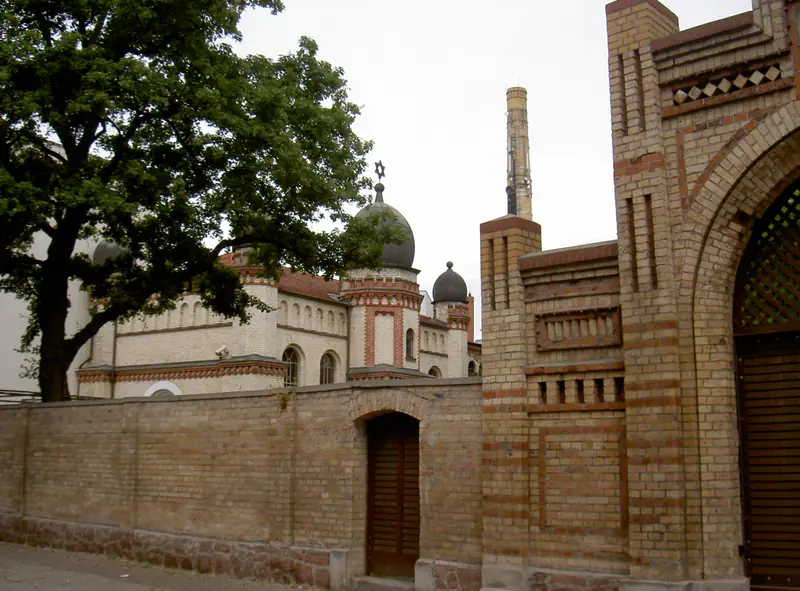
The architectural style of the Synagogue in Halle reflects a blend of traditional Jewish design elements and influences from the broader architectural trends in Germany. While specific details about the dimensions and materials of the structure are not provided, it is known that synagogues often feature elements such as domes, intricate facades, and ornate interiors that are characteristic of Jewish religious architecture.
Inside the synagogue, visitors can expect to find spaces that cater to worship and community gatherings. Features typical of synagogues, such as the bimah (a raised platform for reading the Torah) and the aron kodesh (the holy ark where the Torah scrolls are kept), contribute to its religious significance. The interiors often exhibit decorative motifs and symbols relevant to Jewish faith, providing a serene environment for reflection and prayer.
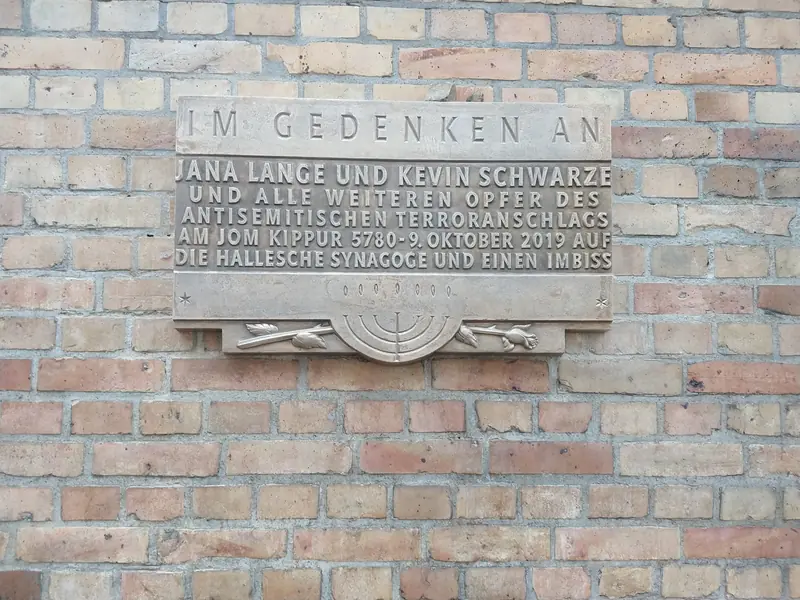
The synagogue’s exterior may be adorned with inscriptions and architectural details that reflect Jewish heritage, offering a visual connection to the community’s history. Each aspect of the design plays a role in conveying the importance of the synagogue as a center for spiritual life and community cohesion.
Visiting Information
Visiting the Synagogue in Halle offers an opportunity to engage with the site’s profound cultural and historical context. To reach the synagogue, travelers can utilize public transport options available in Halle, making it accessible from various parts of the city. Visitors should check the official website for current information regarding opening hours and any admission fees, as these can vary throughout the year.
When planning a visit, it is advisable to allocate sufficient time to explore the site fully. Depending on personal interest levels, a visit might take anywhere from one to two hours, allowing for a thorough appreciation of the synagogue’s significance. Engaging with any available informational material or guides can enhance the experience, providing deeper insights into the site’s history and cultural relevance.
For those planning to visit, consider timing your trip during weekdays or early mornings when the site may be less crowded, allowing for a more contemplative experience. The synagogue might host special events or services, which can also influence the best times to visit.
Nearby Attractions
While exploring the Synagogue in Halle, visitors can take advantage of the opportunity to discover other notable locations in the vicinity:
- Halle Market Square - A lively area featuring historical buildings and a vibrant atmosphere, perfect for experiencing local culture.
- Moritzburg - This impressive castle offers beautiful grounds and a museum, providing insight into the region’s history and art.
- State Museum of Prehistory - Located nearby, this museum showcases artifacts and exhibits from ancient times, enriching the historical context of the area.
- St. Mary’s Church (Marienkirche) - An architectural landmark, this church is another example of Halle’s rich religious heritage.
- Giebichenstein Castle - A short distance away, this medieval castle provides a glimpse into the region’s history and scenic views of the Saale River.
Insider Tips
For a fulfilling visit to the Synagogue in Halle, consider the following tips:
- Photography: While capturing memories is important, be mindful of any restrictions regarding photography within the synagogue. It’s best to check with the site staff.
- Crowd Avoidance: To enjoy a more peaceful experience, aim to visit during off-peak hours, such as early mornings or weekdays when there are fewer tourists.
Practical Information
When preparing for your visit to the Synagogue in Halle, consider bringing essentials such as:
- Comfortable shoes: Expect some walking and standing, so wear shoes suitable for exploring.
- Water bottle: Staying hydrated is important, especially during warmer months.
- Appropriate clothing: As this is a religious site, dress respectfully. Modest attire is recommended.
Seasonal considerations may also play a role in your visit. The synagogue may have different hours or special events during Jewish holidays, so check the official website for current information and any seasonal adjustments.
Frequently Asked Questions
How long should I spend visiting?
Visitors typically spend between one to two hours at the synagogue to fully appreciate its significance and history.
Is photography allowed?
Policies on photography may vary. It’s advisable to check with the site staff for any specific restrictions.
Are there guided tours?
Guided tours may be available, offering deeper insights into the synagogue’s history and architecture. Check the official website for details.
What’s the best time to visit?
Weekdays or early mornings are often less crowded, providing a more tranquil experience.
Is it wheelchair accessible?
Accessibility features may vary. It’s best to inquire directly with the synagogue for accurate information.
Can I buy tickets online?
Check the official website for information regarding ticket purchases and availability.
Are there restrooms and cafes?
Facilities may be limited at the synagogue. Consider exploring nearby areas for restrooms and dining options.
What should I wear?
Dress modestly, as this is a religious site. Appropriate attire is recommended out of respect for the community.
Visiting the Synagogue in Halle not only allows you to connect with an important part of Jewish history but also provides a deeper understanding of the cultural diversity that has shaped this remarkable city.
Photo Gallery