Overview
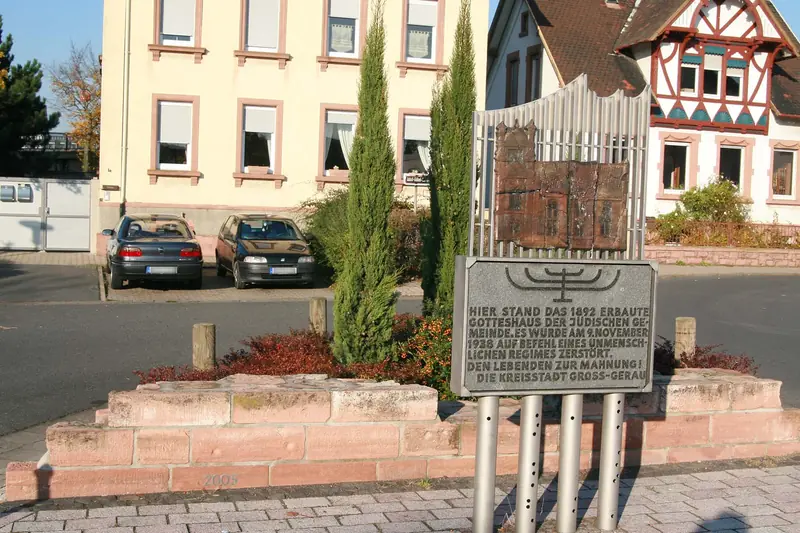
The Synagogue in Gross-Gerau, located in the southern Rhein-Main region of Germany, is a site that resonates with the echoes of its past, representing the historical and cultural landscape of Jewish life in the region. Though no longer standing, the synagogue holds a significant place in the collective memory of the community and serves as a reminder of the once-thriving Jewish population that contributed to the social fabric of Gross-Gerau. Its historical importance invites visitors to reflect on the broader Jewish heritage in Germany, particularly in the context of the tumultuous events of the 20th century. This site provides a poignant opportunity to engage with the narratives of resilience and loss that define Jewish history in Europe.
History and Significance
The Jewish community in Gross-Gerau dates back to the medieval period, with evidence of Jewish presence as early as the 17th century. The establishment of a synagogue was a crucial development for the community, symbolizing a place of worship, gathering, and cultural identity. The construction of the synagogue played a pivotal role in the social life of the Jewish population, serving as a center for religious activities and community events.
The synagogue experienced significant challenges throughout its history, particularly during the rise of anti-Semitic sentiments in the early 20th century. The events surrounding World War II had a devastating impact on Jewish communities across Germany, including Gross-Gerau, where many Jewish residents faced persecution and displacement. The synagogue was ultimately lost, a reflection of the broader destruction faced by Jewish heritage sites during this dark chapter in history.
Today, the former site of the synagogue serves as a reminder of the vibrant Jewish life that once existed in Gross-Gerau. It encourages visitors to contemplate the importance of remembrance and education in preserving the legacy of those who were affected by these historical events. The site stands as an essential part of the cultural narrative of the region, urging a deeper understanding of the complexities of Jewish history in Germany.
Architecture and Features
As the Synagogue in Gross-Gerau is no longer extant, descriptions of its architectural features are limited. However, synagogues of this period typically embodied distinct architectural styles, often influenced by the cultural and artistic trends of their time. Generally, synagogues in Germany from the 19th and early 20th centuries displayed elements of neo-Romanesque and Moorish Revival styles, featuring ornate decorations, arched windows, and intricate detailing.
The interior of such synagogues would typically include a bimah (a raised platform for reading the Torah), an ornate ark (aron kodesh) for storing the Torah scrolls, and pews arranged for communal seating. Architectural features often reflected the spiritual significance of the space, designed to foster a sense of community and connection among congregants.
Given the historical context, it is essential to recognize the architectural significance that the synagogue held for the Jewish community of Gross-Gerau. While the physical structure may no longer exist, its legacy continues to inspire discussions about architectural heritage and cultural preservation.
Visiting Information
Visiting the site of the former Synagogue in Gross-Gerau offers a reflective experience for those interested in Jewish history and heritage. The coordinates for the site are 49.923703, 8.483328, making it easily locatable for visitors. While the synagogue itself is not standing, the site may feature memorials or plaques commemorating its history.
As there is no active structure to tour, visitors can take time to explore the area and reflect on the significance of the site. It is advisable to check the official website for current information regarding any events, memorial services, or educational opportunities that may be available.
Transport options to Gross-Gerau include local public transit, which provides accessible routes for visitors. Depending on your starting point, options may include trains or buses connecting to the region. Planning ahead can help ensure a smooth journey.
To fully appreciate the site, set aside at least an hour for reflection and exploration. Early morning or late afternoon may offer a quieter experience, allowing for a more contemplative visit.
Nearby Attractions
While visiting the site of the former Synagogue in Gross-Gerau, consider exploring other nearby historical and cultural attractions:
St. Elizabeth’s Church: An important religious site located in Gross-Gerau, this church showcases beautiful architecture and offers insight into the region’s Christian heritage.
Gross-Gerau Town Hall: This historic building reflects the administrative and civic development of the town, providing a glimpse into local governance.
Jewish Cemetery Gross-Gerau: A short distance from the synagogue site, this cemetery is a poignant reminder of the Jewish community’s history in the area and is a place for quiet reflection.
Darmstadt: Located nearby, this city features several museums and cultural institutions, including the Mathildenhöhe, a UNESCO World Heritage site known for its Art Nouveau architecture.
Rhein Main CongressCenter: A modern venue hosting events, exhibitions, and conferences, which also serves as a focal point for community gatherings.
Insider Tips
For those planning to visit the site of the former synagogue in Gross-Gerau, consider the following tips:
Photography: While the site may not have specific restrictions, always be respectful in capturing images. Consider the solemnity of the site and the historical weight it carries.
Crowd Avoidance: To experience a more tranquil visit, aim for early morning or weekdays, as weekends may draw more visitors.
Practical Information
When visiting the site of the former Synagogue in Gross-Gerau, it’s essential to prepare accordingly:
What to Bring: Comfortable walking shoes are recommended, as the site may require some exploration. Additionally, consider bringing water and a camera for capturing the surrounding area.
Seasonal Considerations: Check the weather forecast before your visit, as conditions can vary. Dressing in layers is advisable, especially during cooler months.
Frequently Asked Questions
How long should I spend visiting?
A visit to the site itself can be completed in about an hour, but you may want to spend additional time exploring nearby attractions.
Is photography allowed?
While photography is generally allowed, it is important to be respectful of the site’s historical significance and the sentiments of those visiting.
Are there guided tours?
As the synagogue itself is no longer extant, guided tours may not be available. However, local historical societies or community groups may offer educational programs or events.
What’s the best time to visit?
Early mornings or late afternoons typically provide a quieter and more contemplative atmosphere.
Is it wheelchair accessible?
Accessibility may vary depending on the surrounding area. It is advisable to check local resources for information on accessibility options.
Can I buy tickets online?
There are no tickets required for visiting the site of the former synagogue. For any events or educational programs, check the official website for details.
Are there restrooms and cafes?
As this is a historical site, facilities may be limited. It is recommended to plan accordingly and locate nearby cafes or restrooms in the town.
What should I wear?
Comfortable and respectful attire is recommended, considering the site’s historical significance. Dress appropriately for the weather conditions during your visit.
Photo Gallery