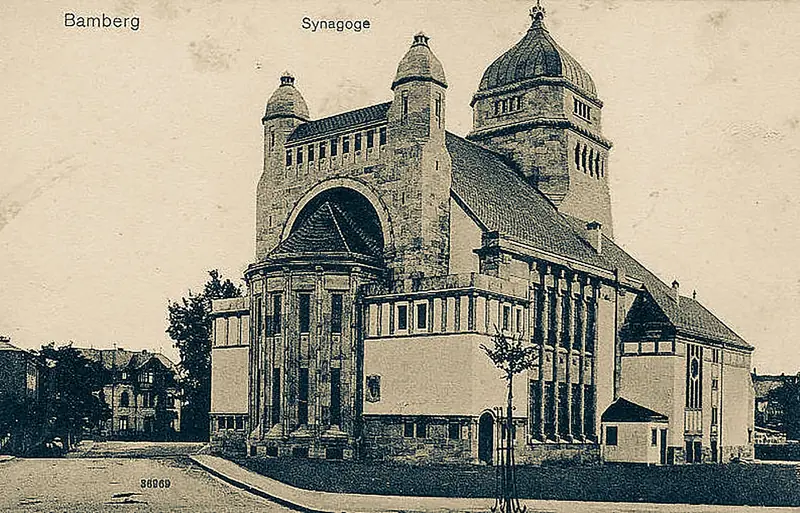
Overview
The Synagogue in Bamberg is an essential site for understanding the historical and cultural landscape of Jewish heritage in Germany. Located in Upper Franconia, Bavaria, this building not only represents a place of worship but also serves as a monument to the resilience and endurance of the Jewish community. Throughout the centuries, the synagogue has witnessed the ebb and flow of history, reflecting the broader narrative of Jewish life in Germany. Visitors to Bamberg will find that this synagogue is a significant landmark, offering insight into the spiritual and communal aspects of Jewish tradition.
Bamberg itself is a city known for its well-preserved medieval architecture and rich history, making it an ideal setting for this important religious site. The synagogue stands as a symbol of the Jewish community’s contributions to the region, even amidst the challenges they faced throughout history. The site promises not only a glimpse into the architectural significance of synagogues but also an opportunity to engage with the stories that shape the Jewish experience in Germany.
History and Significance
The history of the Synagogue in Bamberg is intertwined with the broader narrative of Jewish life in Germany. The Jewish community in Bamberg dates back to the Middle Ages, when Jews were granted certain privileges, allowing them to establish a presence in the city. Despite periods of prosperity, the community faced significant challenges, including expulsions and discrimination, which were common throughout Europe during various historical epochs.
In the 19th century, Jewish life in Bamberg began to flourish again, leading to the construction of a new synagogue that would replace earlier, smaller houses of worship. This new building was not just a place for prayer; it became a center for cultural and social activities, reflecting the vibrant community that had developed. The synagogue served as a focal point for Jewish life in Bamberg, hosting religious ceremonies, educational programs, and community gatherings.
However, the synagogue’s history is marked by tragedy as well. The rise of anti-Semitism in Germany culminated in the events of World War II, which had devastating effects on Jewish communities across the country. Many synagogues were destroyed, and the Bamberg synagogue faced significant threats during this period. Despite these challenges, the community’s spirit remained strong, leading to efforts to preserve the synagogue and its heritage.
Today, the Synagogue in Bamberg serves as a reminder of the resilience of the Jewish community in the face of adversity. It stands not only as a site of historical significance but also as a place for reflection and remembrance, inviting visitors to learn about the complexities of Jewish history in Germany.
Architecture and Features
Architecturally, the Synagogue in Bamberg reflects a blend of styles that are characteristic of Jewish religious buildings in Germany. The design often incorporates elements that are symbolic in Jewish tradition, meant to inspire reverence and contemplation. While specific architectural details are not extensively documented, the synagogue is known for its simple yet elegant design, which conveys the essence of Jewish worship.
One of the notable features of this synagogue is its interior, which is traditionally designed to foster a communal atmosphere. The space is arranged to accommodate congregational worship, with seating arranged to face the bima, or raised platform, where the Torah is read. The walls may display religious symbols and inscriptions that highlight key aspects of Jewish faith and culture.
Throughout its history, the synagogue has likely undergone various renovations and restorations to maintain its structural integrity and to adapt to the needs of the community. These changes reflect the ongoing commitment to preserving the synagogue as a vital part of Bamberg’s cultural heritage.
Visiting Information
When planning your visit to the Synagogue in Bamberg, it is advisable to check the official website for current information regarding hours and ticket prices. The synagogue is accessible via public transport, making it easy for visitors to include it in their travel itinerary. Local transportation options may include buses and trains that connect to the city center.
Visitors can expect to spend about one to two hours exploring the synagogue and its surroundings. The site offers a contemplative atmosphere, allowing time for reflection and understanding the significance of the Jewish community in Bamberg.
For the best experience, consider visiting during weekdays when the site may be less crowded. This allows for a more intimate exploration of the synagogue and the chance to engage with any available informational resources or guides.
Nearby Attractions
Bamberg is home to several attractions that complement a visit to the synagogue:
- Bamberg Cathedral: A stunning example of Romanesque architecture, this cathedral is a must-see for its grandeur and historical importance.
- Old Town Hall (Altes Rathaus): This picturesque building is situated on an island in the river and is known for its striking frescoes.
- Bamberg’s Old Town: A UNESCO World Heritage site, the Old Town is filled with charming streets, historic buildings, and vibrant local culture.
- Little Venice: A scenic area along the river with picturesque houses and quaint canals, perfect for leisurely strolls.
- Bamberger Dom: Another architectural gem, the Bamberger Dom offers insight into the city’s ecclesiastical history.
Insider Tips
For photography enthusiasts, the exterior of the synagogue presents opportunities for capturing its architectural beauty. Early mornings or late afternoons may provide the best natural lighting for photographs.
To avoid crowds, aim to visit during weekdays rather than weekends or holidays. This not only enhances the experience but also allows for a more personal connection with the site.
Practical Information
When visiting the Synagogue in Bamberg, it’s advisable to bring a small bag for personal items, as large bags may not be permitted inside the building. Comfortable walking shoes are recommended, as exploring the synagogue and its surrounding areas may require some walking.
Seasonal considerations are important; if visiting in winter, be prepared for colder temperatures and check for any seasonal hours or closures that may affect your visit.
Frequently Asked Questions
How long should I spend visiting?
Visitors typically spend about one to two hours at the synagogue, allowing time for exploration and reflection.
Is photography allowed?
Photography policies may vary; check on-site for guidance regarding photography within the synagogue.
Are there guided tours?
Check the official website for information on guided tours, which may be available at certain times.
What’s the best time to visit?
Weekdays are generally less crowded, providing a better experience for visitors.
Is it wheelchair accessible?
Accessibility information can be confirmed on the official website, ensuring a comfortable visit for all.
Can I buy tickets online?
Check the official website for options regarding ticket purchases and any available online services.
Are there restrooms and cafes?
Facilities may vary; check the official website for information on nearby amenities.
What should I wear?
Modest attire is generally recommended when visiting religious sites, so consider dressing respectfully.



