Overview
Südwestkirchhof Stahnsdorf is a historic cemetery located in Stahnsdorf, a city just outside of Berlin, Germany. This serene site serves as a resting place for many notable figures, and it is steeped in cultural significance. As one of the largest cemeteries in the region, it is not only a place of remembrance but also an open-air museum showcasing a variety of architectural styles and memorial art. Visitors are drawn to its tranquil atmosphere, lush greenery, and elaborate gravestones, making it a unique destination for those interested in history, art, and architecture.
The cemetery spans an expansive area and features a carefully landscaped environment that invites contemplation and reflection. The combination of natural beauty and artistic expression creates a space that is both peaceful and profound. Whether you are a history buff or simply seeking a quiet place to stroll, Südwestkirchhof Stahnsdorf offers an enriching experience.
History and Significance
Established in the late 19th century, Südwestkirchhof Stahnsdorf has evolved into an important burial site for prominent individuals in German history, culture, and politics. While specific founding dates and events may not be documented, the cemetery has become synonymous with the memorialization of notable Berliners, including artists, writers, and political figures. The choice of Stahnsdorf as a burial location was influenced by its proximity to Berlin and its capacity to accommodate the growing need for burial space as urbanization expanded in the late 1800s.
The cemetery also reflects broader societal changes in Germany. During the early 20th century, it became a site for commemorating those who perished during significant historical upheavals, such as the World Wars. This role has contributed to its significance as a memorial site, where visitors can gain insight into the cultural and historical narratives of Germany.
Beyond its historical context, the cemetery is also a representation of the evolution of burial practices and memorialization in Germany. The variety of styles in gravestones and mausoleums showcases the changing artistic trends of different eras, making it a fascinating study for those interested in art history and architecture.
Architecture and Features
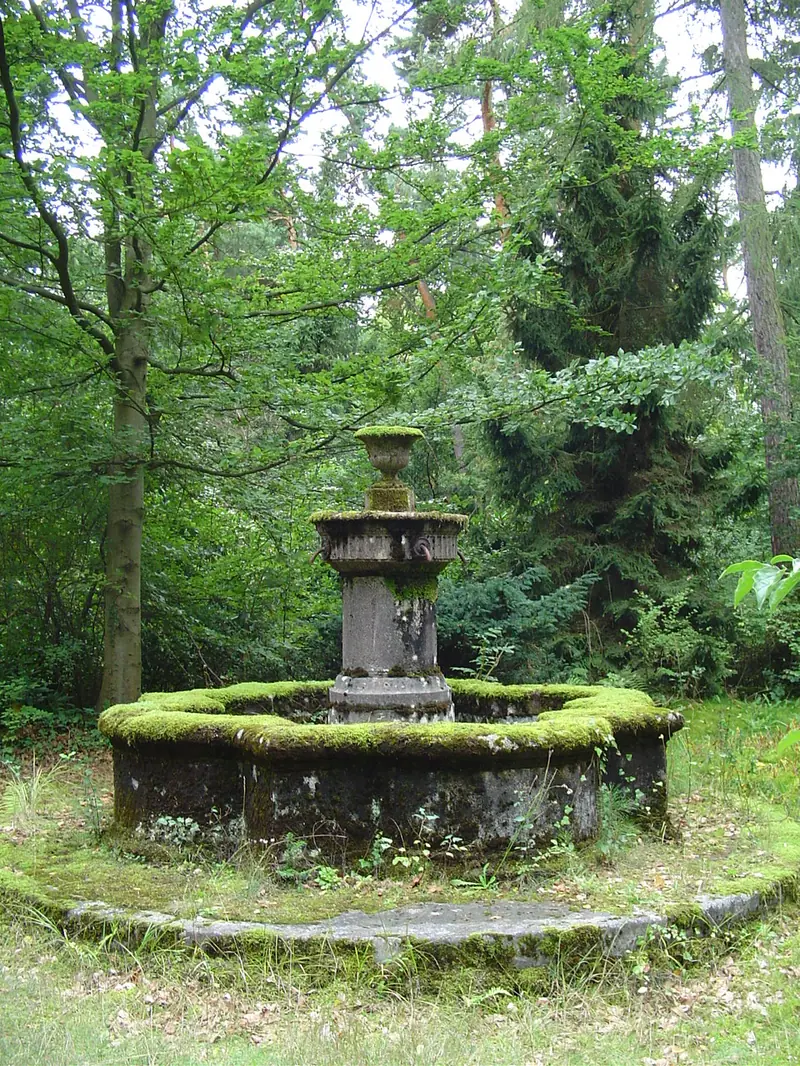
The architectural design of Südwestkirchhof Stahnsdorf is diverse and reflects various styles that have emerged over the years. The cemetery is characterized by its beautifully landscaped grounds, which include manicured lawns, winding pathways, and an array of mature trees that provide a natural canopy. This thoughtful landscaping enhances the atmosphere, making it a peaceful retreat from the bustle of nearby urban life.
Among the notable features are the intricately designed gravestones and memorials that dot the landscape. Many of these stones are crafted from high-quality materials, showcasing craftsmanship that reflects the artistic sensibilities of their respective periods. You can find elaborate sculptures, intricate engravings, and symbolic motifs that represent the lives and legacies of those interred here.
Additionally, the cemetery is home to several notable mausoleums and chapels, each telling a unique story through its architecture. These structures often incorporate elements of various architectural styles, providing an invaluable glimpse into the aesthetic preferences of the time. The combination of natural beauty and artistic expression creates an environment rich in both visual and emotional depth.
Visiting Information
Visiting Südwestkirchhof Stahnsdorf is a worthwhile experience for those interested in history, architecture, and quiet reflection. The cemetery is accessible by various forms of public transport, making it easy to reach from Berlin. Visitors can expect a leisurely stroll through the grounds, allowing ample time to absorb the surroundings and appreciate the memorial art.
Check the official website for current information on hours and admission prices, as this can vary throughout the year. Generally, it is advisable to allocate at least an hour or two for your visit to fully explore the grounds and reflect on the stories behind the memorials.
The best times to visit are often during the milder months of spring and early autumn when the weather is pleasant, and the grounds are particularly beautiful. This period allows visitors to enjoy the vibrant colors of blooming flowers and the changing foliage.
Nearby Attractions
Berlin’s Grunewald Forest: A short distance away, this expansive forest offers hiking trails, lakes, and an escape into nature, perfect for a post-visit excursion.
The Wannsee: Just a short drive from the cemetery, this picturesque lake area is ideal for picnics, swimming, and enjoying the scenic views.
Scharf-Gerstenberg Collection: Located in nearby Berlin, this art museum features a collection focused on surrealism and modern art, providing a cultural complement to your visit.
The House of the Wannsee Conference: A historical site that provides insight into World War II history, located close to the cemetery, making it a poignant addition to your itinerary.
Insider Tips
For photography enthusiasts, the cemetery’s architecture provides a stunning backdrop. Early morning or late afternoon light can create dramatic shadows and enhance the textures of the gravestones and sculptures. It is advisable to be respectful of the solemn atmosphere, ensuring that your photography does not disturb the serenity of the site.
To avoid larger crowds, consider visiting during weekdays or early in the morning. This allows for a more personal experience and the opportunity to reflect without interruptions.
Practical Information
When planning your visit to Südwestkirchhof Stahnsdorf, it’s wise to wear comfortable walking shoes, as the grounds can be extensive. Bringing a camera is recommended, but be sure to check the guidelines regarding photography.
Seasonal considerations include the possibility of rain in the spring and autumn months, so dressing in layers and carrying an umbrella may enhance your comfort. During the summer, the cemetery’s trees provide shade, making it a pleasant spot even on warmer days.
Frequently Asked Questions
How long should I spend visiting?
It is recommended to spend at least one to two hours exploring the cemetery to fully appreciate the memorials and the tranquil environment.
Is photography allowed?
Photography is generally permitted; however, it is important to be respectful and mindful of the surroundings.
Are there guided tours?
Check the official website for information regarding guided tours, as they may vary by season.
What’s the best time to visit?
The best times to visit are during the spring and early autumn when the weather is pleasant and the grounds are particularly beautiful.
Is it wheelchair accessible?
The cemetery is designed with accessibility in mind, but check the official website for specific details regarding wheelchair access.
Can I buy tickets online?
Check the official website for current information on ticket purchasing options.
Are there restrooms and cafes?
Facilities may be limited, so it is advisable to plan accordingly. Check the official website for the most up-to-date information.
What should I wear?
Comfortable clothing and shoes are recommended, as you may be walking for extended periods. Consider layering for changing weather conditions.