Overview
The Stuibenfall, a captivating waterfall located in the Allgäu Alps of Bavaria, Germany, is a natural wonder that draws visitors seeking both adventure and serenity. Known for its stunning cascades, the waterfall is fed by the waters of the Stuibenbach, creating a dynamic display as it tumbles down rocky cliffs. The surrounding landscape is characterized by lush alpine meadows and rugged mountains, offering an immersive experience in nature’s beauty. This site is significant not only for its visual allure but also for its role in local ecology and tourism. Whether you’re an avid hiker, a photography enthusiast, or simply looking to relax in a scenic setting, the Stuibenfall promises a memorable encounter with nature.
History and Significance
While specific historical details about the Stuibenfall may not be extensively documented, the waterfall has been a point of interest for both locals and visitors for generations. It serves as a natural landmark within the Bavarian region, contributing to the area’s cultural identity. The Allgäu Alps, where the Stuibenbach flows, are renowned for their scenic beauty and outdoor recreational opportunities, making the waterfall an integral part of the region’s appeal.
The significance of the Stuibenfall extends beyond its beauty; it plays a crucial role in the local ecosystem. The waterfall and its surrounding environment support a diverse range of flora and fauna, contributing to biodiversity in the region. This ecological importance has likely fostered a sense of stewardship among local communities, encouraging efforts to preserve and protect the natural landscape.
In recent years, the Stuibenfall has also become a focal point for eco-tourism, attracting visitors who seek to connect with nature while promoting sustainable travel practices. The balance between tourism and conservation remains a vital aspect of the site’s continued relevance in the region.
Architecture and Features
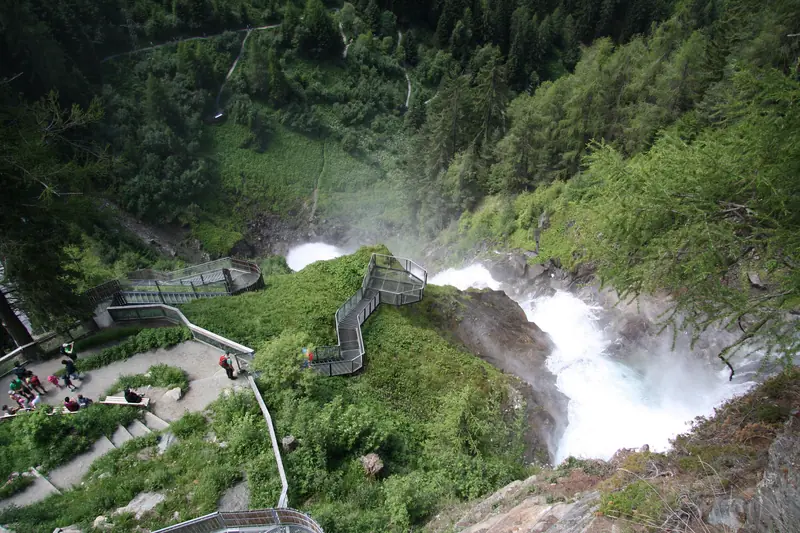
The Stuibenfall is an impressive natural structure, characterized by its multi-tiered cascades that create a stunning visual spectacle. The water flows down from the heights of the Allgäu Alps, carving its way through rocky outcrops and creating a series of dramatic drops. While the precise measurements of the waterfall may not be available, its height and the volume of water can vary depending on seasonal rainfall and snowmelt, providing a dynamic experience for visitors.
Surrounding the waterfall, the landscape is adorned with lush vegetation, which flourishes in the moist microclimate created by the cascading water. The area is often alive with the sounds of nature, from the rush of the water to the calls of birds and rustling of leaves, creating a serene auditory backdrop for visitors.
The accessibility of the Stuibenfall allows visitors to approach the falls closely, offering various vantage points for viewing and photography. The combination of natural beauty and rugged terrain creates a unique environment that invites exploration.
Visiting Information
Reaching the Stuibenfall is relatively straightforward, with various transport options available. Visitors can drive to the nearby areas and utilize local parking facilities. For those relying on public transport, regional bus services connect to nearby towns and villages, facilitating access to this natural site.
Check the official website for current information on hours and any potential entrance fees. Once there, expect to spend a few hours exploring the area. The trails leading to the waterfall are well-maintained, offering a moderate level of difficulty and suitable for most visitors.
The best times to visit the Stuibenfall are during the warmer months, when the weather is pleasant for hiking and the waterfall is likely to be flowing strongly due to melting snow and spring rain. Early mornings or late afternoons can provide a more tranquil experience with fewer crowds.
Nearby Attractions
Allgäu Alps: The surrounding mountain range offers numerous hiking trails and outdoor activities, making it a popular destination for nature enthusiasts.
Oberstdorf: A charming town nearby, Oberstdorf is known for its alpine sports and picturesque scenery, offering a range of accommodations and dining options.
Fellhorn Cable Car: This nearby attraction provides access to stunning panoramic views of the Alps and is perfect for those looking to take in the breathtaking landscape from above.
Nebelhorn: This mountain is famous for its hiking trails and scenic views, making it an ideal spot for day trips and outdoor activities.
Eagle’s Nest (Kehlsteinhaus): Located a bit further afield, this historical site offers stunning views and insight into the region’s history, making it a worthwhile excursion for visitors.
Insider Tips
For photography enthusiasts, early morning or late afternoon light can enhance the beauty of the waterfall, casting a soft glow on the cascading water. Be mindful of the weather, as overcast days can provide unique lighting conditions that may highlight different textures and colors in the landscape.
To avoid the crowds, consider visiting during weekdays rather than weekends. Additionally, exploring the surrounding trails offers a chance to discover less traveled paths and viewpoints.
Practical Information
When visiting the Stuibenfall, it’s wise to bring appropriate footwear for hiking, as trails can be uneven and rocky. Layered clothing is recommended, as temperatures can vary throughout the day. A camera or smartphone is essential for capturing the stunning scenery, and don’t forget to pack a refillable water bottle to stay hydrated during your hike.
Seasonal considerations include the potential for snow in winter months, which may affect trail accessibility. The best time to visit for optimal waterfall flow is typically in late spring, following the snowmelt.
Frequently Asked Questions
How long should I spend visiting?
Most visitors find that spending 2-3 hours at the Stuibenfall allows enough time to hike, take photographs, and enjoy the scenery.
Is photography allowed?
Yes, photography is welcomed, and many visitors take advantage of the stunning natural landscape for memorable shots.
Are there guided tours?
Currently, there are no specific guided tours exclusively for the Stuibenfall, but local tourism offices may offer information about nearby guided hikes and tours in the Allgäu Alps.
What’s the best time to visit?
Late spring through early autumn is generally considered the best time to visit, when the waterfall is flowing strongly and the weather is conducive to outdoor activities.
Is it wheelchair accessible?
The trails leading to the waterfall may not be fully accessible for wheelchairs, as they can be uneven and steep in places. It is advisable to check for specific accessibility information before visiting.
Can I buy tickets online?
Check the official website for current information on ticketing and any potential entrance fees.
Are there restrooms and cafes?
Facilities may vary, so check the official website for details on available amenities, including restrooms and dining options nearby.
What should I wear?
Dress in layers and wear sturdy hiking shoes suitable for uneven terrain. Consider weather conditions, as temperatures can change rapidly in the mountains.
The Stuibenfall, with its striking natural beauty and ecological importance, offers a refreshing escape into the heart of Bavaria’s stunning landscape. Whether you’re hiking the trails or simply soaking in the views, this waterfall is a must-visit destination for anyone exploring the Allgäu region.
Photo Gallery