
Stiftung Zanders--Papiergeschichtliche Sammlung
Overview
The Stiftung Zanders–Papiergeschichtliche Sammlung, located in North Rhine-Westphalia, Germany, is a unique foundation dedicated to the history and production of paper. Situated at coordinates 50.9917, 7.13605, this institution represents an important aspect of Germany’s industrial heritage, showcasing the significance of paper in cultural and economic contexts. The foundation serves as a resource for researchers, students, and the general public, highlighting the evolution of paper technology and its impact on society. Visitors can expect to delve into the intricacies of paper-making processes, explore historical artifacts, and gain insight into the role paper has played in human communication and art throughout the centuries.
As you approach the foundation, you will find yourself immersed in an environment that encourages exploration and learning. The Stiftung Zanders is not just a repository; it is a dynamic space for exhibitions, workshops, and educational initiatives that emphasize the relevance of paper in our daily lives. With a mission to preserve and celebrate the art of paper-making, the foundation stands out as a valuable destination for anyone interested in the intersections of technology, art, and culture.
History and Significance
The Stiftung Zanders–Papiergeschichtliche Sammlung is rooted in the history of paper production, a craft that has evolved significantly over the centuries. Although specific dates are not available, the foundation is dedicated to documenting and preserving the legacy of paper-making in Germany, particularly through the lens of the Zanders family, who were pivotal in the development of paper manufacturing techniques.
The cultural importance of paper cannot be overstated; it is a medium that has facilitated communication, education, and artistic expression throughout history. The foundation’s collection includes a variety of historical documents, tools, and equipment related to the paper-making process, reflecting the innovations that have occurred over time. This collection serves not only as a record of technological advancements but also as a testament to the artistry involved in creating paper products, from delicate sheets used in fine art to the sturdy materials essential for everyday printing.
Moreover, the foundation plays a crucial role in educating the public about the environmental and economic aspects of paper production. With a growing awareness of sustainability, the Stiftung Zanders emphasizes the importance of responsible sourcing and the environmental impacts of paper consumption. Through exhibitions and educational programs, visitors gain a deeper understanding of the challenges and opportunities within the paper industry today.
Architecture and Features
The architectural design of the Stiftung Zanders–Papiergeschichtliche Sammlung complements its mission. While specific architectural details are not provided, the foundation likely features spaces designed to facilitate exhibitions and educational activities. The layout may include galleries showcasing historical artifacts, interactive displays, and workshops for hands-on experiences in paper-making techniques.
Notable features of the foundation may include a library or archive space where visitors can access research materials related to the history of paper. Additionally, the foundation could offer specialized areas for temporary exhibitions that focus on contemporary issues in the paper industry, such as sustainability and digital alternatives. The overall environment is likely to be welcoming and conducive to learning, encouraging visitors to engage with the subject matter deeply.
Visiting Information
When planning a visit to the Stiftung Zanders–Papiergeschichtliche Sammlung, it’s essential to consider transportation options and accessibility. The foundation is likely reachable by public transport, with local bus or train services connecting it to nearby towns and cities. For those driving, there may be designated parking areas available.
Check the official website for current information regarding hours of operation and admission prices, as these can vary throughout the year. Visitors typically can expect to spend a few hours exploring the various exhibits and engaging with the foundation’s educational offerings.
The best times to visit generally coincide with special exhibitions or workshops, which may draw larger crowds. To avoid peak times, consider visiting during weekdays or in the early hours of the weekend.
Nearby Attractions
While in the vicinity of the Stiftung Zanders, there are several attractions worth exploring:
Museum für Angewandte Kunst: This museum focuses on applied arts and design, featuring a collection that spans various artistic disciplines and historical periods.
Schloss Burg: A historic castle offering picturesque views and insights into medieval architecture and history. It is an excellent spot for history buffs and families alike.
Wupper Valley: Known for its scenic beauty, this area provides opportunities for outdoor activities such as hiking and cycling along the river.
LVR-Industriemuseum: This industrial museum showcases the history of industry in the region, including exhibits on local manufacturing practices and innovations.
St. Laurentius Church: A local church known for its stunning architecture and serene atmosphere, perfect for a quiet moment of reflection.
Insider Tips
To make the most of your visit to the Stiftung Zanders, consider these insider tips:
- Photography: If you’re keen on capturing your experience, check the foundation’s policy on photography, as some exhibits may have restrictions.
- Crowd Avoidance: For a more intimate experience, aim to visit during weekdays or during the first few hours after opening, as weekends can attract larger crowds.
- Engagement Opportunities: Look out for workshops or guided tours that may offer deeper insights into the exhibits and paper-making processes.
Practical Information
When preparing for your visit to the Stiftung Zanders, consider bringing along the following items:
- Comfortable Footwear: Expect to walk and stand for extended periods, so wear shoes that provide comfort and support.
- Notebook and Pen: If you’re interested in taking notes or sketching, having a notebook can enhance your learning experience.
- Seasonal Considerations: Depending on the time of year, dress appropriately for the weather. If visiting during colder months, ensure to wear layers, as indoor temperatures can vary.
Frequently Asked Questions
How long should I spend visiting?
Visitors typically spend a few hours at the foundation to fully appreciate the exhibits and engage with the educational materials.
Is photography allowed?
Check the foundation’s policy on photography as certain exhibits may have restrictions.
Are there guided tours?
The foundation may offer guided tours or workshops that provide additional insights into the exhibits.
What’s the best time to visit?
Weekdays or early weekend mornings are generally less crowded, making for a more enjoyable experience.
Is it wheelchair accessible?
For specific accessibility options, check the foundation’s official website.
Can I buy tickets online?
Check the official website for details regarding online ticket purchasing and availability.
Are there restrooms and cafes?
Facilities such as restrooms are typically available, but for dining options, check the foundation’s website for nearby cafes or eateries.
What should I wear?
Dress comfortably and appropriately for the season. Comfortable shoes are recommended due to walking and standing.
In summary, the Stiftung Zanders–Papiergeschichtliche Sammlung offers a unique window into the world of paper, blending education with cultural appreciation. Whether you are a history enthusiast, an art lover, or simply curious about the craft of paper-making, this foundation provides an enriching experience that’s well worth a visit.
More in North Rhine-Westphalia

Aachen Cathedral
📍 North Rhine-Westphalia, Germany
Aachen Cathedral, a magnificent Roman-Catholic structure located in the historic city of Aachen, Germany, is a masterpiece of architectural design and …

Aachen Cathedral Treasury
📍 North Rhine-Westphalia, Germany
Aachen Cathedral Treasury, located in the historic city of Aachen, Germany, is a remarkable art museum that houses an impressive collection of …

Aachen Chapel of Hungary
📍 North Rhine-Westphalia, Germany
The Aachen Chapel of Hungary, a significant part of the Aachen Cathedral complex in Germany, serves as an emblem of the cultural exchange between …

Aachen-Rothe Erde station
📍 North Rhine-Westphalia, Germany
Aachen-Rothe Erde station serves as a crucial node in the intricate web of Germany’s railway network, located in the vibrant city of Aachen. This …

Aachener Tierpark Euregiozoo
📍 North Rhine-Westphalia, Germany
The Aachener Tierpark Euregiozoo, located in the heart of Aachen-Mitte, Germany, is a captivating destination for animal lovers and families alike. …

Abtei Mariendonk
📍 North Rhine-Westphalia, Germany
Abtei Mariendonk, a serene monastery located in the tranquil region of Grefrath, Germany, invites visitors to explore its spiritual and architectural …
More Foundations

Academy of the Konrad-Adenauer-Stiftung
📍 Berlin, Germany
The Academy of the Konrad-Adenauer-Stiftung, located in the heart of Berlin, is not just a foundation but a hub of intellectual discourse and …

Akademie Schloss Solitude
📍 Baden-Württemberg, Germany
Akademie Schloss Solitude is a distinguished foundation located in Stuttgart, Germany, that serves as a cultural and artistic haven for individuals …
Alerds-Stiftung
📍 Lower Saxony, Germany
Alerds-Stiftung, located in the historic city of Brunswick, Germany, represents a significant cultural and philanthropic institution dedicated to …

Alfred Wegener Institute for Polar and Marine Research
📍 Bremen, Germany
The Alfred Wegener Institute for Polar and Marine Research, located in Bremerhaven, Germany, stands as a cornerstone of scientific inquiry into the …

Bavarian Elite-Academy
📍 Bavaria, Germany
The Bavarian Elite-Academy, located in the vibrant city of Munich, Germany, is a foundation dedicated to fostering excellence in various fields of …
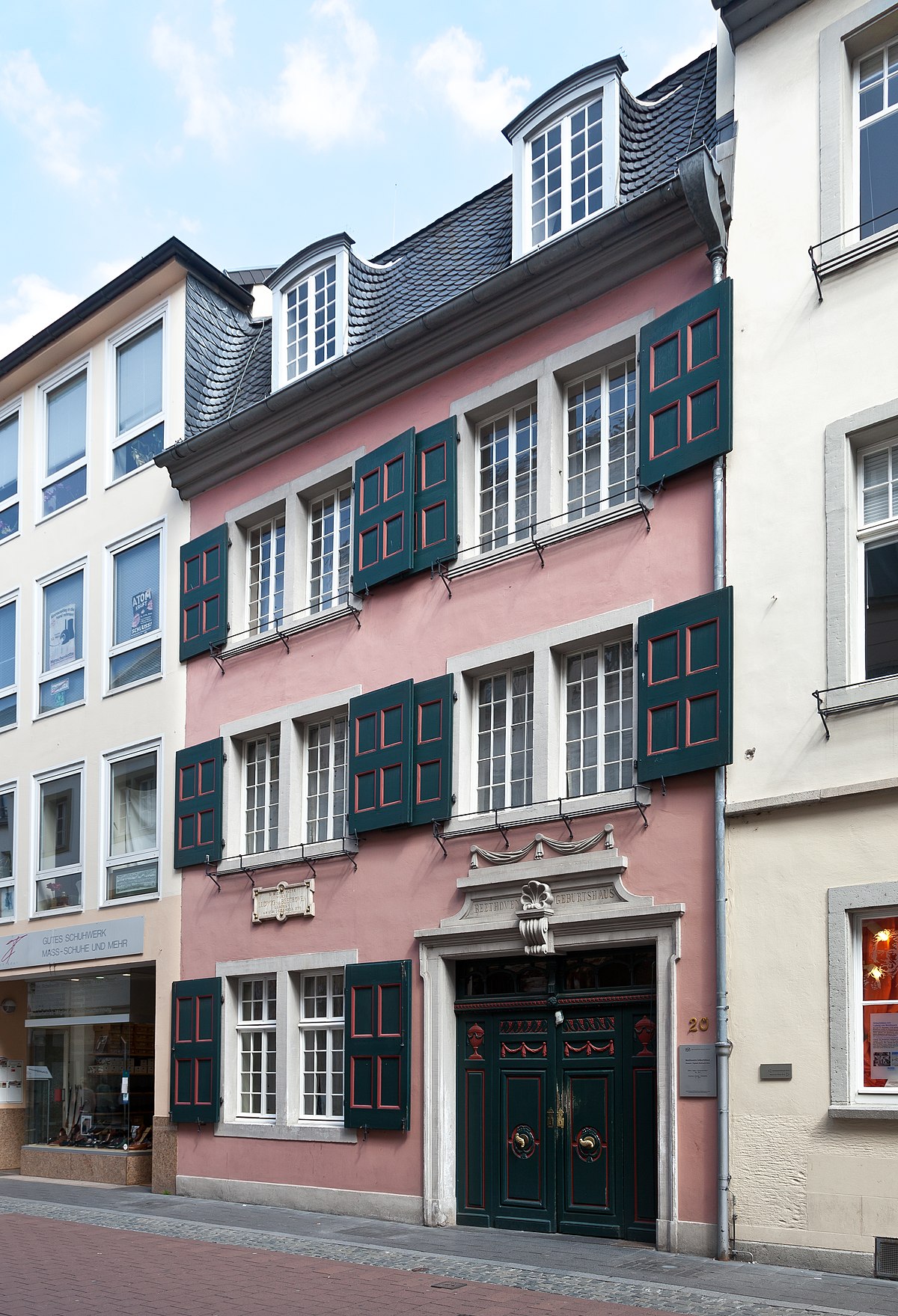
Beethoven House
📍 North Rhine-Westphalia, Germany
Beethoven House is a celebrated museum and the birthplace of Ludwig van Beethoven, one of the most influential composers in Western music history. …