Stiftung Frauenkirche Dresden
Overview
In the heart of Dresden, Germany, the Stiftung Frauenkirche Dresden plays a pivotal role in preserving the legacy of one of the city’s most iconic landmarks, the Frauenkirche. This foundation is dedicated to promoting the historical, cultural, and spiritual significance of the church, which has transcended its physical presence to become a symbol of reconciliation and hope. Following its destruction during World War II, the Frauenkirche was meticulously reconstructed, and the foundation now oversees its maintenance and programming, ensuring that the church remains a vital part of Dresden’s cultural landscape.
Set against the backdrop of the Elbe River, the Frauenkirche is not only an architectural marvel but also a testament to the resilience of the human spirit. The foundation offers visitors a chance to explore the church’s rich history and its role in the community, making it a must-visit site for those traveling to this vibrant region. Whether you’re drawn by its historical significance, architectural beauty, or spiritual ambiance, a visit to the Stiftung Frauenkirche Dresden promises an enriching experience that connects past and present.
History and Significance
The Frauenkirche, which translates to “Church of Our Lady,” has a storied history that reflects the broader narrative of Dresden itself. Originally constructed in the 18th century, the church was designed by architect George Bähr and became renowned for its magnificent dome and Baroque architecture. Throughout the years, it served not only as a place of worship but also as a focal point for community gatherings and cultural events.
The church met a tragic fate during the aerial bombings of World War II, which left it in ruins. This destruction marked a poignant moment in history, symbolizing the loss not just of a building, but of a cultural icon. In the decades that followed, the citizens of Dresden, alongside various organizations, rallied to restore the Frauenkirche. The Stiftung Frauenkirche Dresden was established to oversee this restoration, which was completed in 2005. The church now stands as a powerful symbol of reconciliation, serving as a reminder of the importance of peace and unity in the wake of conflict.
The foundation actively engages in educational programs, concerts, and events that highlight the church’s role in contemporary society. By doing so, it fosters a deeper understanding of the historical and cultural significance of the Frauenkirche, ensuring that it remains relevant to future generations. Through its efforts, the Stiftung Frauenkirche Dresden contributes to the ongoing dialogue about the past, present, and future of this remarkable city.
Architecture and Features
The Frauenkirche is celebrated for its striking Baroque architecture, characterized by its impressive dome, which rises prominently above the Dresden skyline. The church’s design reflects the artistic sensibilities of its time, with intricate details and a harmonious blend of proportions. The dome itself is a remarkable feat of engineering, featuring a double-shell construction that adds to its aesthetic appeal and structural integrity.
Upon entering the church, visitors are greeted by a spacious interior adorned with beautiful frescoes, sculptures, and ornate decorations. The nave, with its soaring arches and light-filled spaces, creates an atmosphere that invites contemplation and reflection. Notable features within the church include the altar, which is a focal point of the worship space, and the pulpit, intricately carved and designed to enhance the acoustics of the building.
The Frauenkirche is not just a religious site; it also serves as a concert venue, with its remarkable acoustics enhancing musical performances. The foundation often organizes events that celebrate both sacred and secular music, allowing visitors to experience the church’s grandeur while enjoying diverse cultural programming.
Visiting Information
Visiting the Stiftung Frauenkirche Dresden offers a unique opportunity to immerse yourself in the rich historical and cultural context of the church. To reach the Frauenkirche, travelers can utilize various modes of transport, including public transit options. The church is centrally located, making it accessible for those exploring the city on foot as well.
Check the official website for current information regarding hours of operation and admission prices. When planning your visit, consider allocating a couple of hours to fully appreciate the church’s architectural beauty and the exhibitions offered by the foundation. Guided tours may be available, providing additional insights into the history and significance of the Frauenkirche.
The best times to visit are typically during weekdays or early in the morning to avoid larger crowds. Special events and concerts are held throughout the year, so checking the schedule in advance can enhance your experience.
Nearby Attractions
While exploring the area around the Stiftung Frauenkirche Dresden, several nearby attractions are worth visiting:
Zwinger Palace: A masterpiece of Baroque architecture, the Zwinger Palace houses important art collections, including works by Old Masters.
Semper Opera House: Renowned for its stunning architecture and world-class performances, this opera house is a cultural hub in Dresden.
Dresden Castle: A historic complex that showcases various architectural styles and houses several museums, including the Green Vault, famous for its treasures.
Brühl’s Terrace: Often referred to as the “Balcony of Europe,” this beautiful promenade offers picturesque views of the Elbe River and is perfect for a leisurely stroll.
The Royal Palace: This historic palace showcases the rich history of the Saxon royal family and is home to several fascinating exhibitions.
Insider Tips
When visiting the Stiftung Frauenkirche Dresden, photography enthusiasts will find ample opportunities to capture the stunning architecture from various angles. However, be mindful of any restrictions, particularly during worship services or special events.
To avoid larger crowds, consider visiting during weekdays or early in the morning. This allows for a more peaceful experience as you explore the church’s interior and appreciate its details without distraction.
Additionally, if you are interested in attending a concert, booking tickets in advance is advisable, as performances can draw significant crowds.
Practical Information
When preparing for your visit to the Stiftung Frauenkirche Dresden, consider bringing a few essentials. Comfortable walking shoes are recommended, as you will likely want to explore the surrounding area. A camera can help you capture the stunning architecture, but be aware of any photography policies in place.
Seasonal considerations are important as well; Dresden experiences varied weather throughout the year. If visiting during winter, be prepared for colder temperatures, while spring and summer offer milder weather perfect for exploration.
Frequently Asked Questions
How long should I spend visiting?
A visit to the Stiftung Frauenkirche Dresden typically takes about 1.5 to 2 hours, allowing time to explore the church and any exhibitions.
Is photography allowed?
Photography is generally permitted inside the church, but be sure to check for any specific restrictions during services or events.
Are there guided tours?
Yes, guided tours may be available, providing deeper insights into the history and architecture of the Frauenkirche.
What’s the best time to visit?
Weekdays and early mornings are ideal for avoiding large crowds, while special events may offer unique experiences.
Is it wheelchair accessible?
The church aims to be accessible to all visitors, including those with mobility challenges. Check the official website for specific accessibility details.
Can I buy tickets online?
Check the official website for information regarding ticket purchases, including options for advance online booking.
Are there restrooms and cafes?
Restroom facilities are typically available on-site, and there may be cafes nearby for refreshments.
What should I wear?
Dress comfortably, keeping in mind that appropriate attire is encouraged in places of worship.
Visit Information
Quick Facts
- Heritage Type
- Foundation
- Region
- Saxony
- Wikidata ID
- Q101067494
More in Saxony

6. Grundschule "Am Großen Garten"
📍 Saxony, Germany
The 6. Grundschule “Am Großen Garten” stands as a significant educational institution in Dresden, Germany, embodying the principles of early childhood …

Albertinum
📍 Saxony, Germany
Albertinum is a prominent art museum located in the heart of Dresden, Germany, serving as a significant cultural institution in the region. …

All Saints Church, Dresden
📍 Saxony, Germany
All Saints Church, located in the vibrant city of Dresden, Germany, is a remarkable church building that captures the essence of the region’s …

Altarstein (Saxon Switzerland)
📍 Saxony, Germany
Altarstein, located in the picturesque region of Saxon Switzerland, Germany, is a captivating monument that draws visitors into its historical …

Alte Nikolaischule (Leipzig)
📍 Saxony, Germany
Alte Nikolaischule, located in the heart of Leipzig, Germany, is a significant educational institution with a rich heritage. Founded as a school, it …
Alte Schulbrücke Oberbobritzsch
📍 Saxony, Germany
The Alte Schulbrücke Oberbobritzsch is a striking bridge situated in the Bobritzsch-Hilbersdorf region of Germany. This structure serves not only as a …
More Foundations

Academy of the Konrad-Adenauer-Stiftung
📍 Berlin, Germany
The Academy of the Konrad-Adenauer-Stiftung, located in the heart of Berlin, is not just a foundation but a hub of intellectual discourse and …

Akademie Schloss Solitude
📍 Baden-Württemberg, Germany
Akademie Schloss Solitude is a distinguished foundation located in Stuttgart, Germany, that serves as a cultural and artistic haven for individuals …
Alerds-Stiftung
📍 Lower Saxony, Germany
Alerds-Stiftung, located in the historic city of Brunswick, Germany, represents a significant cultural and philanthropic institution dedicated to …

Alfred Wegener Institute for Polar and Marine Research
📍 Bremen, Germany
The Alfred Wegener Institute for Polar and Marine Research, located in Bremerhaven, Germany, stands as a cornerstone of scientific inquiry into the …

Bavarian Elite-Academy
📍 Bavaria, Germany
The Bavarian Elite-Academy, located in the vibrant city of Munich, Germany, is a foundation dedicated to fostering excellence in various fields of …
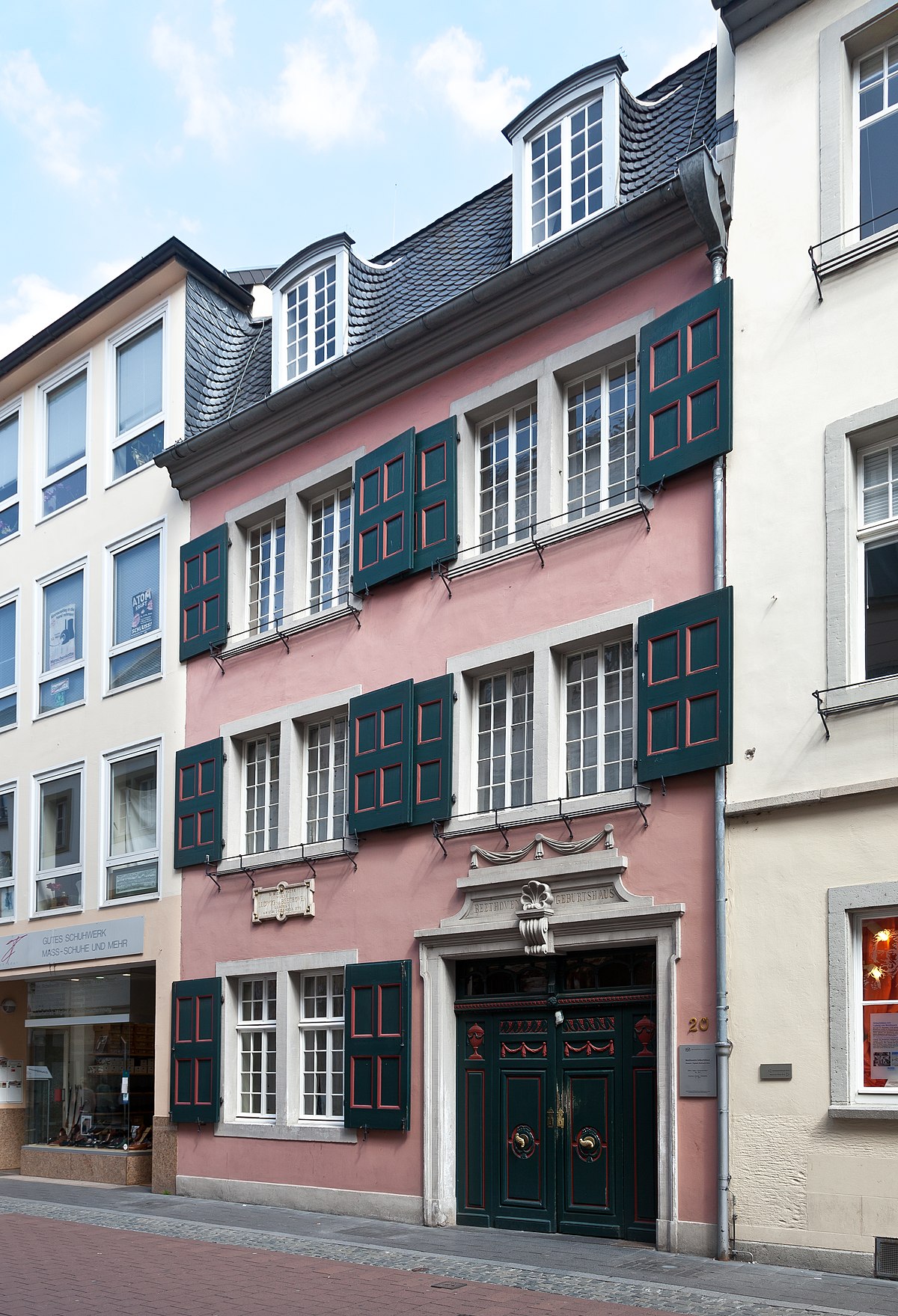
Beethoven House
📍 North Rhine-Westphalia, Germany
Beethoven House is a celebrated museum and the birthplace of Ludwig van Beethoven, one of the most influential composers in Western music history. …