
Stiftung Berliner Mauer
Overview
The Stiftung Berliner Mauer, or the Berlin Wall Foundation, serves as an essential heritage institution dedicated to preserving the memory and significance of one of the most impactful symbols of the Cold War: the Berlin Wall. Located in Germany’s vibrant capital, the foundation occupies a critical space in a city marked by its divided past and reunification narrative. It provides visitors with an opportunity to reflect on the historical and cultural implications of the Wall, which not only divided a city but also a nation and, by extension, a world during a pivotal era in the 20th century.
The foundation’s mission is to educate the public about the Wall’s history, its effects on the lives of individuals, and the broader social and political context of its existence. Through exhibitions, educational programs, and preservation efforts, the Stiftung Berliner Mauer invites visitors to engage with the stories of those who lived through this tumultuous time. As you explore the sites and resources available, you will gain deeper insights into the struggles and triumphs that define Berlin’s complex history.
Located at coordinates 52.535277777, 13.389444444, the foundation stands as a significant point for both locals and tourists alike, promising an enlightening experience that bridges the past with the present.
History and Significance
The Stiftung Berliner Mauer emerged from the need to remember and educate about the Berlin Wall, which stood from 1961 until 1989. Constructed by the German Democratic Republic (GDR), the Wall was originally erected to prevent East Germans from fleeing to West Germany. Its existence encapsulated the ideological divide between the communist East and the capitalist West, becoming a powerful symbol of oppression and division.
Following the Wall’s fall in November 1989, the historical importance of this structure was recognized globally, prompting initiatives to preserve remnants of the Wall and educate future generations. The foundation plays a crucial role in this mission. Its establishment not only aims to commemorate those who lost their lives attempting to cross the Wall but also serves as a platform for dialogue about the consequences of division and the importance of freedom.
The foundation has been instrumental in facilitating research, developing educational programs, and organizing public events that encourage reflection on the lessons learned from this period. As such, it functions not only as a memorial but also as a hub for contemporary discussions around freedom, human rights, and the importance of remembrance in our societies.
Architecture and Features
While the Stiftung Berliner Mauer itself is primarily a foundation dedicated to heritage and education, the surrounding areas contain significant remnants of the Berlin Wall. Visitors can expect to encounter various features that illustrate the historical context of the Wall’s existence.
The foundation is strategically located near the preserved sections of the Wall, which serve as poignant reminders of the city’s history. The site includes original guard towers, sections of the concrete barrier, and the preserved “death strip,” which was a no-man’s land patrolled by guards. These elements contribute to a somber yet educational atmosphere, allowing visitors to comprehend the physical and emotional weight of the Wall.
The exhibits within the foundation provide a wealth of information through photographs, documents, and personal narratives that highlight the experiences of those affected by the division. Each display is carefully curated to enhance understanding and provoke thought, making the space a vital resource for anyone seeking to learn more about this critical period in history.
Visiting Information
Visiting the Stiftung Berliner Mauer offers an opportunity for both reflection and education. While specific details regarding hours and entry fees may vary, it is advisable to check the official website for current information before planning your visit.
The foundation is well-connected via public transport, making it accessible for visitors traveling throughout Berlin. Expect a well-organized space that facilitates a thoughtful exploration of the exhibits. A visit typically requires around two to three hours to fully appreciate the information presented, though those with a particular interest in history may wish to spend longer.
The best times to visit are generally during weekdays, as weekends may attract larger crowds. Early mornings or later afternoons can also provide a more intimate experience with the exhibits.
Nearby Attractions
The area surrounding the Stiftung Berliner Mauer is rich with other sites of historical significance and cultural interest. Consider exploring the following attractions:
Berlin Wall Memorial: Located adjacent to the foundation, this memorial offers a comprehensive view of the Wall’s history, complete with a visitor center and guided tours.
Museum at Checkpoint Charlie: This museum provides insights into the Cold War era, detailing stories of escape attempts and the impact of the Wall on Berlin’s residents.
Topography of Terror: Situated on the former site of the Gestapo and SS headquarters, this documentation center outlines the history of the Nazi regime and the subsequent division of Berlin.
Potsdamer Platz: A vibrant area that showcases modern Berlin, it offers a contrast to the historic narrative of the Wall, featuring shopping, dining, and entertainment options.
Reichstag Building: The seat of the German Parliament, this iconic building is open to visitors and provides stunning views of the city from its glass dome.
Insider Tips
When visiting the Stiftung Berliner Mauer, consider bringing a camera, as the site offers numerous opportunities for photography, particularly of the Wall’s remnants and exhibits. However, be respectful of any signage regarding photography restrictions within the exhibits.
To avoid the crowds, aim for a visit during the off-peak hours, particularly on weekday mornings. This will allow for a more personal experience as you engage with the rich history presented.
Practical Information
When planning your visit, it’s advisable to wear comfortable shoes, as you may be walking extensively around the site and nearby attractions. Seasonal considerations should also be taken into account; Berlin can be quite chilly in winter, so dress warmly if you plan to visit during these months.
Additionally, it may be beneficial to bring water and snacks, especially if you plan to spend several hours exploring the foundation and its surroundings. Check the official website for any seasonal events or activities that may enhance your visit.
Frequently Asked Questions
How long should I spend visiting?
A visit typically lasts between two to three hours, allowing ample time to explore the exhibits and reflect on the historical significance.
Is photography allowed?
Photography is generally permitted in outdoor areas, but be sure to check for specific restrictions within the exhibits.
Are there guided tours?
Guided tours may be available; check the official website for details on scheduling and availability.
What’s the best time to visit?
Weekdays, especially in the morning or late afternoon, are recommended for a quieter experience.
Is it wheelchair accessible?
Most areas of the foundation are wheelchair accessible, but it’s advisable to check the official website for specific details.
Can I buy tickets online?
Check the official website for current information regarding ticket purchasing options.
Are there restrooms and cafes?
Facilities are generally available on-site, but check the official website for specific details about amenities.
What should I wear?
Comfortable clothing and shoes are recommended, particularly if you plan to explore surrounding areas in addition to the foundation.
In conclusion, the Stiftung Berliner Mauer serves as a vital institution for understanding the complexities of Berlin’s past while fostering a dialogue about freedom and human rights. Whether you’re a history enthusiast or a casual visitor, this foundation offers a meaningful experience that contributes to a broader understanding of the world we live in today.
Location
More in Berlin

144., 176. und 184. Gemeindeschule
📍 Berlin, Germany
The 144., 176. und 184. Gemeindeschule, an architectural ensemble located in the vibrant city of Berlin, stands as a noteworthy example of educational …

Academy of Arts (Hanseatenweg)
📍 Berlin, Germany
The Academy of Arts (Hanseatenweg) stands as an emblem of Berlin’s vibrant cultural landscape, located in the historic Hansaviertel district. Renowned …

Academy of Arts, Berlin
📍 Berlin, Germany
The Academy of Arts in Berlin is not just a museum; it is a prominent national institution dedicated to the advancement of the arts in Germany. …

Academy of the Konrad-Adenauer-Stiftung
📍 Berlin, Germany
The Academy of the Konrad-Adenauer-Stiftung, located in the heart of Berlin, is not just a foundation but a hub of intellectual discourse and …

ACUD
📍 Berlin, Germany
Located in the heart of Berlin’s Bezirk Mitte, ACUD serves as a vibrant cultural center and cinema, showcasing an array of films and events that …

Admiralspalast
📍 Berlin, Germany
Admiralspalast is a prominent theatre and event venue located in the heart of Berlin, Germany. This architectural gem serves as a cultural hub, …
More Foundations
Academy of the Konrad-Adenauer-Stiftung
📍 Berlin, Germany
The Academy of the Konrad-Adenauer-Stiftung, located in the heart of Berlin, is not just a foundation but a hub of intellectual discourse and …

Akademie Schloss Solitude
📍 Baden-Württemberg, Germany
Akademie Schloss Solitude is a distinguished foundation located in Stuttgart, Germany, that serves as a cultural and artistic haven for individuals …
Alerds-Stiftung
📍 Lower Saxony, Germany
Alerds-Stiftung, located in the historic city of Brunswick, Germany, represents a significant cultural and philanthropic institution dedicated to …

Alfred Wegener Institute for Polar and Marine Research
📍 Bremen, Germany
The Alfred Wegener Institute for Polar and Marine Research, located in Bremerhaven, Germany, stands as a cornerstone of scientific inquiry into the …

Bavarian Elite-Academy
📍 Bavaria, Germany
The Bavarian Elite-Academy, located in the vibrant city of Munich, Germany, is a foundation dedicated to fostering excellence in various fields of …
Beethoven House
📍 North Rhine-Westphalia, Germany
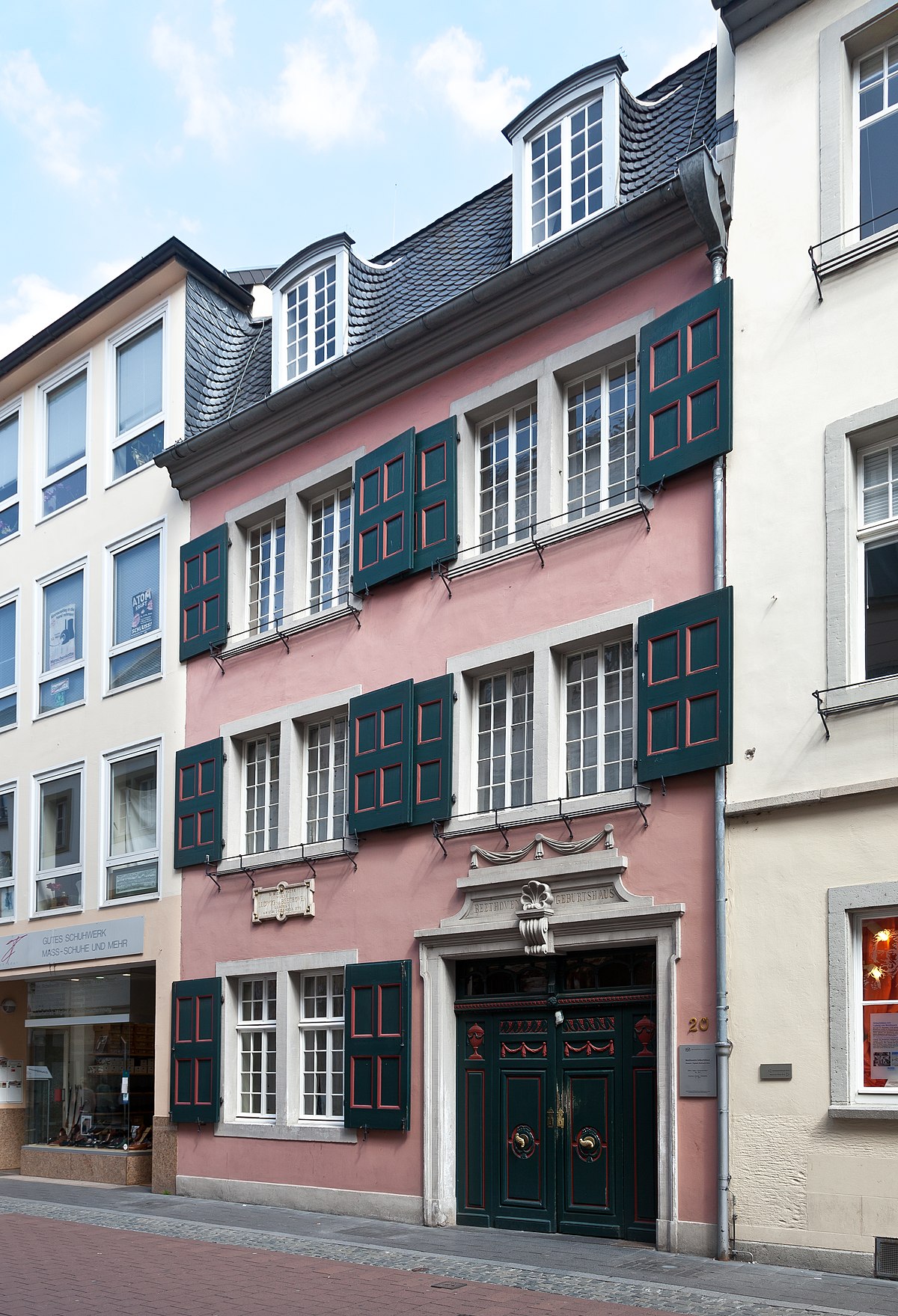
Beethoven House is a celebrated museum and the birthplace of Ludwig van Beethoven, one of the most influential composers in Western music history. …