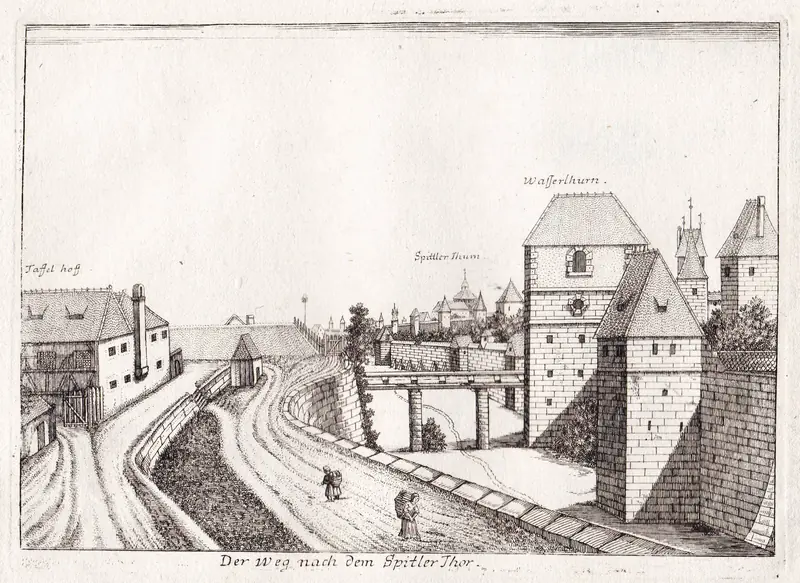
Overview
The Sterntor in Nürnberg is more than just a city gate; it is a significant historical monument that reflects the architectural and cultural heritage of Germany. Located in the heart of Nürnberg, this impressive structure serves as a gateway into the city’s storied past. The Sterntor once played a crucial role in the fortifications that protected the city, showcasing the strategic importance of Nürnberg in medieval times. Today, it stands as a reminder of the city’s enduring legacy, attracting visitors who wish to immerse themselves in its rich history.
Nürnberg, situated in Bavaria, is known for its well-preserved medieval architecture and vibrant cultural scene. With its historical significance as a center for trade and art, it offers a unique glimpse into Germany’s past. The Sterntor, or Star Gate, is an integral part of this narrative, symbolizing the city’s resilience and strength. Visitors are encouraged to explore this remarkable structure, engage with its history, and appreciate its architectural features.
As you approach the Sterntor, you will find a blend of history and contemporary life, making it a perfect stop for those looking to understand Nürnberg’s heritage. Whether you’re a history enthusiast, an architecture lover, or simply a curious traveler, the Sterntor promises an enriching experience that highlights the beauty and complexity of this historic city.
History and Significance
The Sterntor has long been an essential element of Nürnberg’s defensive system, strategically positioned to protect the city from potential threats. As a historic city gate, it marks the entrance to the walled urban area, which was critical for safeguarding the inhabitants and their livelihoods. The gate reflects the medieval architectural styles prevalent during its construction, serving not only as a fortification but also as a symbol of the city’s wealth and power.
Nürnberg’s history is intertwined with significant events in German culture and politics. The city played a vital role during the Holy Roman Empire and later became a center for the Renaissance in Germany. This context enhances the importance of the Sterntor, as it has witnessed many historical transitions and developments over the centuries. Its construction reflects the city’s need for defense during tumultuous times, while its enduring presence speaks to its cultural significance.
In addition to its defensive role, the Sterntor also served as a gateway for merchants and travelers entering the bustling marketplace of Nürnberg. This aspect of its function underscores its importance as a conduit for trade and commerce, highlighting the city’s economic vitality. The gate has seen countless interactions between different cultures and influences over the years, making it a focal point of historical exchange.
As you explore the Sterntor, consider its multifaceted role in the life of the city. It is not merely an architectural feature but a narrative bridge connecting the past to the present, encapsulating the essence of Nürnberg’s rich heritage.
Architecture and Features
The Sterntor is characterized by its impressive architectural design, displaying elements typical of medieval fortifications. The structure features robust stone walls that have withstood the test of time, showcasing the craftsmanship of the era. Its imposing presence is accentuated by towers and battlements, which once served both defensive and decorative purposes.
One of the notable features of the Sterntor is its distinct gatehouse, which is intricately designed to allow access while providing a formidable barrier against invaders. The stonework reflects the artistic sensibilities of the period, with detailed carvings and decorative elements that add to its visual appeal. The design not only emphasizes functionality but also incorporates aesthetic elements that highlight the gate’s importance within the city.
The surrounding area of the Sterntor is equally captivating, with cobblestone streets leading up to the gate that evoke a sense of history. Visitors can explore the nearby structures that complement the gate’s architectural significance, further enriching the experience. As you approach the Sterntor, take a moment to appreciate the craftsmanship and strategic ingenuity that went into its construction.
The combination of historical significance and architectural beauty makes the Sterntor an essential destination for anyone interested in the history of Nürnberg and medieval architecture.
Visiting Information
Visiting the Sterntor is an enriching experience that connects you with the history and culture of Nürnberg. The gate is located conveniently in the city, making it accessible for both locals and tourists. Various modes of transport are available, including public transit options and walking paths that lead directly to the site.
When planning your visit, it’s advisable to check the official website for current information regarding opening hours and any potential entrance fees. The Sterntor is typically open to the public, allowing you to explore its exterior and appreciate its architectural features. While there may be opportunities for guided tours, self-exploration is also a rewarding way to engage with the site and its surroundings.
Expect to spend around an hour at the Sterntor, allowing time to take photographs and absorb the historical ambiance. The best times to visit are during the early morning or late afternoon when the light casts unique shadows on the structure, enhancing its beauty.
As you visit, be prepared for varying weather conditions, as Nürnberg experiences a temperate climate. Comfortable footwear is recommended, as you may wish to stroll through the nearby cobblestone streets and explore other attractions within walking distance.
Nearby Attractions
While visiting the Sterntor, consider exploring these nearby attractions to enhance your experience in Nürnberg:
Nürnberger Burg (Nuremberg Castle): Just a short walk from the Sterntor, this medieval castle offers insights into the city’s history and stunning views of the surrounding area.
St. Lorenz Church: An architectural masterpiece showcasing stunning Gothic design, this church is a testament to Nürnberg’s artistic heritage.
Albrecht Dürer’s House: The former home of the famous painter and engraver Albrecht Dürer is nearby and provides a glimpse into the life and work of one of Germany’s most celebrated artists.
Documentation Center Nazi Party Rally Grounds: A short distance from the gate, this museum offers a sobering look at the history of the Nazi Party and its impact on Nürnberg.
Main Market Square (Hauptmarkt): Experience the vibrant atmosphere of this central square, home to the famous Frauenkirche and various local markets.
Insider Tips
For photography enthusiasts, the Sterntor provides numerous opportunities to capture its architectural details. Early morning or late afternoon light will enhance your photos, creating dramatic contrasts and shadows. Be mindful of the crowds, especially during weekends; visiting on weekdays may provide a more tranquil experience.
If you prefer a quieter visit, consider arriving early in the day. This will allow you to explore the area before the influx of tourists and enjoy a more intimate encounter with the gate’s historical significance.
Practical Information
When visiting the Sterntor, it’s wise to bring a few essentials. Comfortable walking shoes are highly recommended, as the cobblestone streets can be uneven. A camera is also a must, as the architectural details and surrounding scenery offer plenty of photographic opportunities.
Seasonal considerations can impact your visit. Spring and fall are often ideal for pleasant weather, making strolls around the city enjoyable. Be prepared for potential rain in the summer months, and dress accordingly. In winter, the city may experience colder temperatures, so layering is advisable.
Frequently Asked Questions
How long should I spend visiting?
You can expect to spend about an hour at the Sterntor, allowing time to take in the architecture and surrounding area.
Is photography allowed?
Yes, photography is permitted, and the gate’s architectural details make for excellent pictures.
Are there guided tours?
Check the official website for information about guided tour availability and schedules.
What’s the best time to visit?
The best times to visit are early morning or late afternoon for optimal lighting and fewer crowds.
Is it wheelchair accessible?
Accessibility information may vary; check the official website for the latest updates regarding wheelchair access.
Can I buy tickets online?
For the latest ticketing information, including online purchasing options, check the official website.
Are there restrooms and cafes?
Facilities may be available nearby; it’s advisable to check in advance for specific locations.
What should I wear?
Wear comfortable clothing and shoes suitable for walking, as you may want to explore the surrounding area. Dress in layers for changing weather conditions.