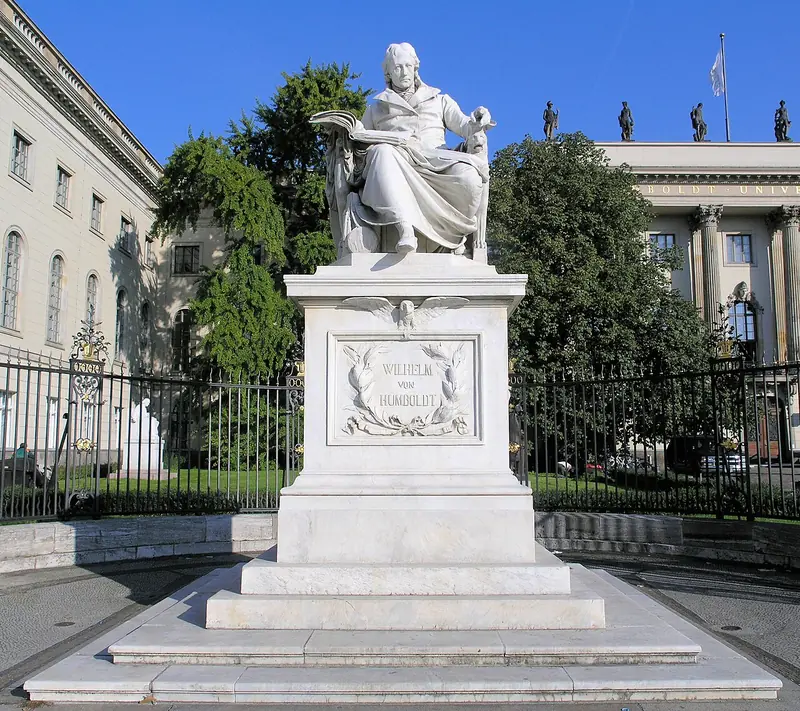
Overview
The Statue of Wilhelm von Humboldt, located in the heart of Berlin, serves as a tribute to one of Germany’s most influential thinkers and educators. Wilhelm von Humboldt was a key figure in the development of modern education and linguistics, and his contributions have left a lasting legacy in both fields. This monument stands not only as a representation of Humboldt’s ideals but also as a significant cultural landmark in Germany’s capital. Visitors to this site can appreciate its historical context while experiencing the vibrant atmosphere of Berlin.
Positioned amidst the urban landscape, the statue invites onlookers to reflect on the transformative power of education and intellectual thought that Humboldt championed. The monument is not just a tribute to an individual; it symbolizes the broader commitment to enlightenment values that have shaped democratic societies. As part of a city rich with heritage, the statue plays a crucial role in understanding Berlin’s cultural narrative.
History and Significance
Wilhelm von Humboldt was born in 1767 and became a prominent philosopher, linguist, and educational reformer. His work laid the foundations for the modern educational system, emphasizing the importance of personal development and critical thinking. Humboldt’s ideas about language also contributed significantly to the field of linguistics, particularly through his belief in the intrinsic connection between language and thought.
The statue commemorating Humboldt reflects his importance in the 19th-century intellectual landscape of Germany and beyond. Commissioned as a public memorial, it serves to honor his contributions to education and the humanities. In a broader sense, the monument represents the Enlightenment ideals of reason, individuality, and the pursuit of knowledge, which have continued to resonate through the ages.
The statue has also become a focal point for discussions around the role of education in society. It invites visitors and locals alike to engage with the themes of intellectual curiosity and the societal responsibility to foster education for all. The significance of Humboldt’s ideas is not confined to Germany; they have influenced educational practices globally, making this monument relevant to a wider audience interested in the evolution of thought and learning.
As a monument, the Statue of Wilhelm von Humboldt also plays a role in the urban fabric of Berlin. It stands amidst other historical buildings and monuments, linking the past with the present. The statue serves as a reminder of the cultural and philosophical movements that have shaped modern education, inviting reflection on how these ideals continue to influence contemporary society.
Architecture and Features
The Statue of Wilhelm von Humboldt is an impressive monument that captures the essence of its subject through thoughtful design and craftsmanship. While specific architectural details may not be extensively documented, the statue typically embodies the neoclassical style prevalent in many public monuments of its era. This style is characterized by its grand forms, symmetry, and the use of classical elements that evoke the ideals of ancient Rome and Greece.
The statue is crafted from materials that lend it a sense of permanence and dignity. Humboldt is often depicted in a contemplative pose, symbolizing his intellectual pursuits and deep engagement with the world of ideas. The attention to detail in the sculpture reflects the artist’s intent to convey not only Humboldt’s physical likeness but also his philosophical spirit.
Surrounding the statue, the site is often designed to encourage public engagement and reflection. The placement within a public space allows for easy access, inviting viewers to approach the statue and contemplate the legacy of Humboldt. While the immediate area may not feature elaborate landscaping, the monument is typically situated in a way that integrates seamlessly with the urban environment, allowing for a meaningful interaction between the statue, its viewers, and the city itself.
Visiting Information
Visiting the Statue of Wilhelm von Humboldt offers an opportunity to engage with an important cultural landmark in Berlin. The monument is located in a prominent urban area, making it easily accessible by various modes of transportation. Public transit options, including buses and trains, serve the vicinity, facilitating convenient access for both locals and tourists.
Check the official website for current information regarding visiting hours and any potential entry fees, as these details can vary. Visitors should expect to spend around 30 minutes to an hour at the site, allowing time for reflection, photography, and appreciation of the surrounding area.
The best times to visit may vary depending on personal preferences. Early mornings or late afternoons can provide a quieter atmosphere, while midday may see more foot traffic as people pass through the area. Regardless of the time, the statue remains a significant point of interest in Berlin.
When planning a visit, consider the weather, as the experience can be enhanced by pleasant conditions. Dress comfortably, and bring along any essentials such as water or a small snack, especially if you plan to explore the surrounding areas afterward.
Nearby Attractions
Berlin Cathedral (Berliner Dom): A stunning example of Baroque architecture, this cathedral is a short distance away and offers breathtaking interiors and panoramic views from its dome.
Museum Island: A UNESCO World Heritage site, this ensemble of five museums houses an extensive collection of art and artifacts, making it a must-visit for culture enthusiasts.
Brandenburg Gate: One of Berlin’s most iconic landmarks, the Brandenburg Gate represents the reunification of Germany and is a key historical symbol.
Unter den Linden Avenue: This historic boulevard is lined with trees and significant buildings, providing a scenic stroll that connects many of Berlin’s major attractions.
Reichstag Building: The seat of the German parliament, this building features a remarkable glass dome that offers stunning views of the city and is open to visitors.
Insider Tips
To make the most of your visit to the Statue of Wilhelm von Humboldt, consider timing your trip to avoid the busiest hours. Early mornings or weekdays may provide a quieter experience, allowing for better photographs and a more contemplative visit.
For photography enthusiasts, capturing the statue in the soft light of dawn or dusk can yield beautiful images. Consider different angles and perspectives to highlight the statue against the backdrop of the urban landscape.
Engaging with local history or literature related to Humboldt can enrich your visit, providing deeper insights into his significance. A brief read or audio guide about his contributions before your visit can enhance your understanding and appreciation of the monument.
Practical Information
When preparing for your visit, it’s advisable to bring along essentials such as a camera, comfortable walking shoes, and a water bottle. Depending on the season, consider the weather conditions; a light jacket or umbrella might be necessary during unpredictable months.
The site is generally accessible to all visitors. However, it’s always wise to check in advance for any specific accessibility considerations or features that may enhance your experience.
If you’re visiting during the summer months, be prepared for larger crowds as Berlin is a popular destination. Conversely, winter visits may offer a quieter atmosphere, though the colder weather should be factored into your planning.
Frequently Asked Questions
How long should I spend visiting?
A visit to the Statue of Wilhelm von Humboldt typically takes around 30 minutes to an hour, allowing time to appreciate the monument and its surroundings.
Is photography allowed?
Yes, photography is generally permitted, making it a great opportunity to capture the monument and the vibrant urban landscape.
Are there guided tours?
While specific guided tours of the statue may not be offered, local walking tours often include it as part of a broader exploration of Berlin’s historical sites.
What’s the best time to visit?
Early mornings or late afternoons tend to be the best times to visit for a quieter experience, though the monument is accessible year-round.
Is it wheelchair accessible?
The site is generally accessible, but it is advisable to check for any specific features that may enhance the experience for visitors with mobility challenges.
Can I buy tickets online?
Check the official website for current information regarding any potential fees or ticketing systems related to the monument.
Are there restrooms and cafes?
While the area surrounding the statue may not have immediate restroom facilities, nearby attractions and public spaces typically provide these amenities.
What should I wear?
Dress comfortably, considering the weather and your plans for exploring the surrounding areas. Comfortable shoes are recommended for walking.



