Overview
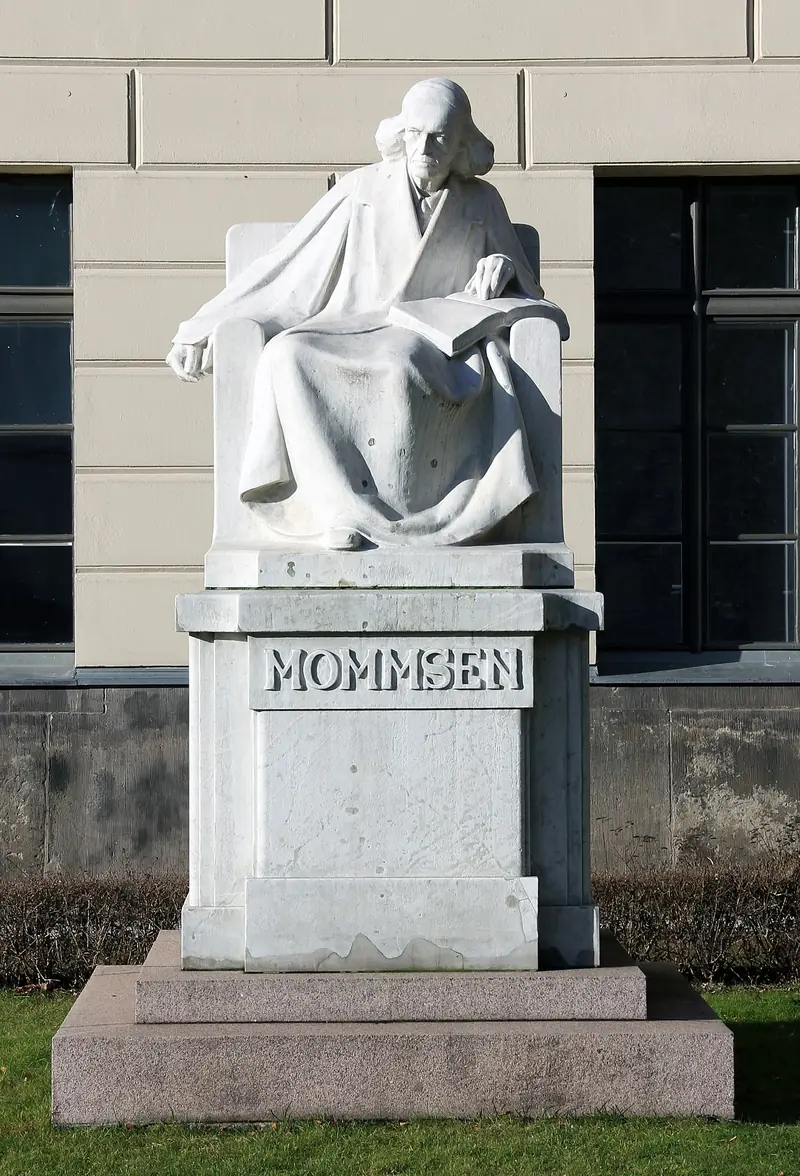
The Statue of Theodor Mommsen stands as a tribute to one of Germany’s most distinguished historians, writers, and political figures. Erected in Berlin, this monument not only commemorates the life and achievements of Mommsen but also serves as a significant cultural landmark in Germany’s capital. The statue, crafted by the artist Adolf Bruett, reflects the values and ideals of the 19th century, a period marked by profound changes in German society and scholarship.
Located at coordinates 52.5178141, 13.3932623, the monument invites visitors to engage with the rich intellectual heritage of Germany. The statue is particularly noteworthy for its role in celebrating historical scholarship, and it prompts reflections on the influence of historical narratives in shaping national identity. A visit to the Statue of Theodor Mommsen is an opportunity to connect with Germany’s literary and academic legacy, making it a compelling stop for those interested in history, literature, and the arts.
History and Significance
Theodor Mommsen (1817-1903) was a prominent German historian known for his extensive work on Roman history, particularly his multi-volume work “History of Rome,” which earned him the Nobel Prize in Literature in 1902. His scholarly contributions not only advanced the field of historical study but also reflected the intellectual currents of his time, including nationalism and the pursuit of academic rigor.
Mommsen’s significance extends beyond his writings; he was also involved in the political landscape of Germany during a period of unification and transformation. His advocacy for liberal reforms and his engagement in political discourse underscored his commitment to the principles of democracy and civic responsibility. The statue, erected in his honor, acknowledges both his literary accomplishments and his role as a public intellectual.
The monument serves as a reminder of the importance of preserving and interpreting history for future generations. It stands in a city that has witnessed the evolution of Germany through various political and social upheavals, making Mommsen’s legacy particularly relevant in contemporary discussions about history, memory, and national identity.
Architecture and Features
The Statue of Theodor Mommsen is an impressive work of art that captures the essence of its subject. Crafted by Adolf Bruett, the statue features Mommsen in a dignified pose, embodying the scholarly spirit for which he is best known. The attention to detail in the statue is remarkable, from the expression on Mommsen’s face to the draping of his robes, which reflect the classical influences that permeated his work.
The monument is positioned to encourage contemplation, inviting visitors to reflect on Mommsen’s contributions to history and literature. The surrounding area complements the statue, providing a space for quiet reflection amidst the bustling environment of Berlin. The craftsmanship and artistic vision of Bruett not only honor Mommsen but also enhance the cultural landscape of the city.
Overall, the statue is not just a representation of an individual; it is a symbol of the intellectual pursuits that shape society. Its architectural features and the thoughtful placement within the urban fabric of Berlin underscore its significance as a memorial and cultural landmark.
Visiting Information
Visiting the Statue of Theodor Mommsen offers an enriching experience for those interested in history and culture. The monument is located in the heart of Berlin, making it easily accessible by various modes of transportation. Public transit options, including buses and trains, connect visitors from different parts of the city to the statue’s location.
Check the official website for current information regarding hours and any potential admission fees. While the monument itself is often accessible year-round, it is advisable to visit during daylight hours to fully appreciate the details of the statue and the surrounding area.
Expect to spend approximately 30 minutes to an hour at the site, allowing time for reflection and photography. The best times to visit are during weekdays when crowds are generally smaller, providing a more intimate experience with the monument.
Nearby Attractions
While visiting the Statue of Theodor Mommsen, take the opportunity to explore several nearby attractions that enhance your cultural experience in Berlin:
Berlin Cathedral: This stunning Protestant cathedral is a short distance away and features impressive architecture and beautiful interiors, making it a must-visit.
Museum Island: A UNESCO World Heritage Site, Museum Island is home to several renowned museums, including the Pergamon Museum and the Alte Nationalgalerie.
Brandenburg Gate: This iconic symbol of Berlin is located nearby and offers a glimpse into the city’s tumultuous history and reunification.
Reichstag Building: The seat of the German parliament, this historic building features a stunning glass dome that provides panoramic views of the city.
Tiergarten: One of Berlin’s largest urban parks, Tiergarten is perfect for a leisurely stroll or a peaceful break amidst nature.
Insider Tips
For those planning a visit to the Statue of Theodor Mommsen, here are some insider tips to enhance your experience:
Photography: The statue presents many opportunities for striking photographs, especially during the golden hours of sunrise and sunset. Capture the statue against the changing light for dramatic effects.
Crowd Avoidance: To enjoy a quieter visit, consider going early in the morning or during weekdays. This will allow for a more personal interaction with the monument and reduce waiting times for photos.
Practical Information
When visiting the Statue of Theodor Mommsen, consider bringing a few essential items to ensure a comfortable experience. Comfortable walking shoes are recommended, as you may want to explore the surrounding area. Keep your camera handy for capturing the statue and nearby sights.
Seasonal considerations include checking the weather forecast, as Berlin can experience a range of climates throughout the year. Dress appropriately for the weather conditions, and consider layers for cooler days.
Frequently Asked Questions
How long should I spend visiting?
A visit typically takes around 30 minutes to an hour, allowing time for reflection and photography.
Is photography allowed?
Yes, photography is permitted, making it a great opportunity to capture the monument and surrounding area.
Are there guided tours?
While there may not be specific guided tours for the statue itself, local walking tours often include it as part of broader historical explorations.
What’s the best time to visit?
Weekdays and early mornings are recommended for fewer crowds and a more serene experience.
Is it wheelchair accessible?
Check the official website for current information regarding accessibility features.
Can I buy tickets online?
There is generally no admission fee to visit the statue, but check the official website for any updates or special exhibitions.
Are there restrooms and cafes?
While the monument itself may not have facilities, nearby attractions often provide restroom access and dining options.
What should I wear?
Dress comfortably and appropriately for the weather, with sturdy shoes for exploring the area.