Städtische Wessenberg-Galerie
Overview
The Städtische Wessenberg-Galerie, located in the charming city of Konstanz, Germany, serves as a vibrant hub for art enthusiasts and culture seekers alike. This art museum is not just a repository of visual creativity; it embodies the historical and cultural narratives of the region, fostering a deeper connection between visitors and the artistic expressions of both past and present. Situated near the shores of Lake Constance, the museum offers a unique opportunity to explore a diverse collection of artworks that reflect the rich artistic heritage of the area.
As a significant cultural institution in Constance, the Städtische Wessenberg-Galerie showcases an array of exhibits that span various art movements and styles. The museum’s commitment to both permanent and rotating exhibitions ensures that each visit can reveal something new and engaging, appealing to both seasoned art aficionados and casual visitors. This guide will delve into the history, architecture, and visitor experience of the Städtische Wessenberg-Galerie, equipping you with everything you need to make the most of your visit.
History and Significance
The Städtische Wessenberg-Galerie holds an important place in the cultural landscape of Constance. Established to promote the appreciation of art and its role in society, the museum focuses on both regional and international artists, creating a dialogue between local heritage and broader artistic movements. The gallery’s mission includes not only the display of artworks but also the fostering of artistic education and community engagement.
The museum’s collection is a reflection of the area’s historical significance, as Constance has long been a meeting point for trade and culture. Over the years, the Wessenberg-Galerie has played a pivotal role in the preservation and exhibition of artworks that highlight this dynamic history. Visitors can expect to encounter a variety of artistic expressions, from traditional to contemporary, which contribute to a deeper understanding of the cultural forces that have shaped the region.
The gallery is named after the notable figure of Wessenberg, whose contributions to the arts have left a lasting legacy. Through its dedication to showcasing both historical and modern art, the Städtische Wessenberg-Galerie stands as a symbol of the ongoing dialogue between tradition and innovation in the world of art. Its exhibitions often feature works that challenge and inspire, encouraging visitors to reflect on their own interpretations and understandings of art.
Architecture and Features
The architectural design of the Städtische Wessenberg-Galerie is both functional and aesthetically pleasing, allowing for a seamless interaction between the artworks and the visitors. The museum is characterized by its contemporary layout, which is designed to facilitate the viewing of art in a manner that enhances the experience. Expansive gallery spaces provide ample room for both permanent collections and temporary exhibitions, ensuring that artworks are displayed in a manner that honors their significance.
Inside the museum, visitors will find well-lit exhibition halls that create an inviting atmosphere for exploration. The arrangement of the galleries allows for a natural flow from one exhibit to another, encouraging a thoughtful contemplation of the art. Additionally, the use of neutral color palettes in the walls and flooring ensures that the focus remains on the artworks themselves, allowing their colors and forms to resonate powerfully within the space.
The Wessenberg-Galerie also incorporates modern amenities that enhance the visitor experience. Comfortable seating areas are available for those who wish to take a moment to reflect on the exhibits, while information panels provide context and insights into the artworks on display. The museum’s design reflects a commitment to accessibility, ensuring that all visitors can engage fully with the artistic offerings.
Visiting Information
Visiting the Städtische Wessenberg-Galerie is an enriching experience that can be easily incorporated into a day of exploring Konstanz. To reach the museum, visitors can utilize various modes of public transport that connect the city center to the museum’s location. The museum is situated conveniently, making it accessible for both locals and tourists.
Check the official website for current information on opening hours and ticket prices, as these can vary throughout the year. On average, guests typically spend about two hours exploring the exhibits, although art enthusiasts may wish to linger longer to fully appreciate the collection.
The best times to visit are during weekdays when the museum is generally less crowded, allowing for a more personal experience with the art. Additionally, special events and exhibitions often take place throughout the year, so checking the museum’s schedule can enhance your visit.
Visitors should arrive prepared for a range of experiences, from engaging with thought-provoking artwork to participating in educational programs or workshops that may be offered. The museum’s staff is typically knowledgeable and eager to assist with any inquiries, ensuring a welcoming atmosphere.
Nearby Attractions
While the Städtische Wessenberg-Galerie is a destination in its own right, it is also conveniently located near several other attractions in Konstanz. Here are a few notable places to explore nearby:
Konstanz Cathedral (Konstanzer Münster): This stunning Gothic cathedral is a short walk from the museum and is renowned for its impressive architecture and historical significance. Visitors can climb the tower for panoramic views of the city and Lake Constance.
Lake Constance (Bodensee): The scenic shores of Lake Constance offer a picturesque backdrop for leisurely walks, picnics, or boat excursions. The lakeside promenades are perfect for unwinding after a visit to the museum.
Mainau Island: Known as the Flower Island, Mainau is accessible by ferry and is famous for its beautiful gardens and diverse plant species. It’s an ideal spot for nature lovers looking to complement their cultural experience with some time outdoors.
Imperia Statue: Located at the harbor, this striking statue commemorates the historical significance of the region. It serves as a great photo opportunity and is a symbol of Konstanz’s rich maritime heritage.
Rosgarten Museum: Another cultural gem in Konstanz, this museum explores the history of the city through a diverse range of exhibits, making it a worthwhile addition to your itinerary.
Insider Tips
To enhance your visit to the Städtische Wessenberg-Galerie, consider these insider tips:
Photography: While many museums have restrictions on photography, checking the rules at the Wessenberg-Galerie will help you know when and where you can capture images. Always be respectful of the artworks and other visitors.
Timing Your Visit: If you prefer a quieter experience, aim to visit during the late morning or early afternoon on weekdays. This timing can help you avoid larger crowds, allowing for a more contemplative engagement with the art.
Engage with Staff: Don’t hesitate to ask museum staff about the exhibits or any upcoming events. Their insights can enrich your visit and provide deeper context to the artworks.
Practical Information
Before you head to the Städtische Wessenberg-Galerie, here are some practical considerations to keep in mind:
What to Bring: A small bag or backpack is advisable for personal items. Wear comfortable shoes, as you will likely be walking and standing while exploring the galleries.
Seasonal Considerations: If visiting during the winter months, be prepared for colder weather, as outdoor activities may be limited. In warmer months, enjoy the nearby parks and lakeside areas.
Accessibility: The museum is designed to be accessible for all visitors, but it is always good to check specific accessibility options on the official website.
Frequently Asked Questions
How long should I spend visiting?
Most visitors spend about two hours at the Städtische Wessenberg-Galerie, but art enthusiasts may wish to allocate more time to fully appreciate the exhibits.
Is photography allowed?
Photography policies can vary; it is advisable to check the museum’s guidelines upon arrival.
Are there guided tours?
The museum may offer guided tours or educational programs. Check the official website for more information on availability.
What’s the best time to visit?
Weekdays, especially in the late morning or early afternoon, tend to be less crowded, providing a more intimate experience with the art.
Is it wheelchair accessible?
The museum is designed to be accessible, but it’s best to verify specific accessibility features on the official website.
Can I buy tickets online?
Check the official website for information on ticket purchasing options, including online sales.
Are there restrooms and cafes?
Facilities such as restrooms are typically available; however, dining options may vary, so it’s wise to check ahead if you plan to eat during your visit.
What should I wear?
Comfortable, casual attire is recommended, as you may be walking and standing for extended periods while exploring the museum.
Visiting the Städtische Wessenberg-Galerie is not just about viewing art; it’s about engaging with culture and history in a meaningful way. Prepare for a visit that promises both inspiration and reflection.
More in Baden-Württemberg

Aachtobel
📍 Baden-Württemberg, Germany
Aachtobel, located in the picturesque region of Baden-Württemberg, Germany, serves as a vital natural reserve, offering a serene escape into the …

Aalen Central station
📍 Baden-Württemberg, Germany
Aalen Central Station serves as a vital railway hub in southern Germany’s Baden-Württemberg region, connecting travelers to local and regional …

Aalkistensee
📍 Baden-Württemberg, Germany
Aalkistensee, located in the serene region of Maulbronn in Baden-Württemberg, Germany, is a tranquil lake that invites visitors into its peaceful …

Abbey and Altenmünster of Lorsch
📍 Baden-Württemberg, Germany
The Abbey and Altenmünster of Lorsch is a UNESCO World Heritage site located in the charming town of Lorsch, Germany. This significant cultural …

Abbey of Reichenau
📍 Baden-Württemberg, Germany
The Abbey of Reichenau, a significant monastery located in the serene Reichenau region of Germany, serves as a remarkable window into the religious …

Abbey of Saint Peter in the Black Forest
📍 Baden-Württemberg, Germany
The Abbey of Saint Peter in the Black Forest is a remarkable testament to monastic tradition, offering visitors a direct encounter with the serene …
More Art Museums

Aachen Cathedral Treasury
📍 North Rhine-Westphalia, Germany
Aachen Cathedral Treasury, located in the historic city of Aachen, Germany, is a remarkable art museum that houses an impressive collection of …

Abteiberg Museum
📍 North Rhine-Westphalia, Germany
In the heart of Mönchengladbach, Germany, the Abteiberg Museum stands out as a prominent destination for art enthusiasts and cultural explorers alike. …

Akademisches Kunstmuseum
📍 North Rhine-Westphalia, Germany
In the heart of Bonn, Germany, lies the Akademisches Kunstmuseum, an art museum that invites visitors to explore a diverse collection of artworks …

Albertinum
📍 Saxony, Germany
Albertinum is a prominent art museum located in the heart of Dresden, Germany, serving as a significant cultural institution in the region. …

Albrecht Dürer's House
📍 Bavaria, Germany
Albrecht Dürer’s House stands as a significant cultural landmark in Nuremberg, Germany, celebrating the life and work of one of the Renaissance’s most …
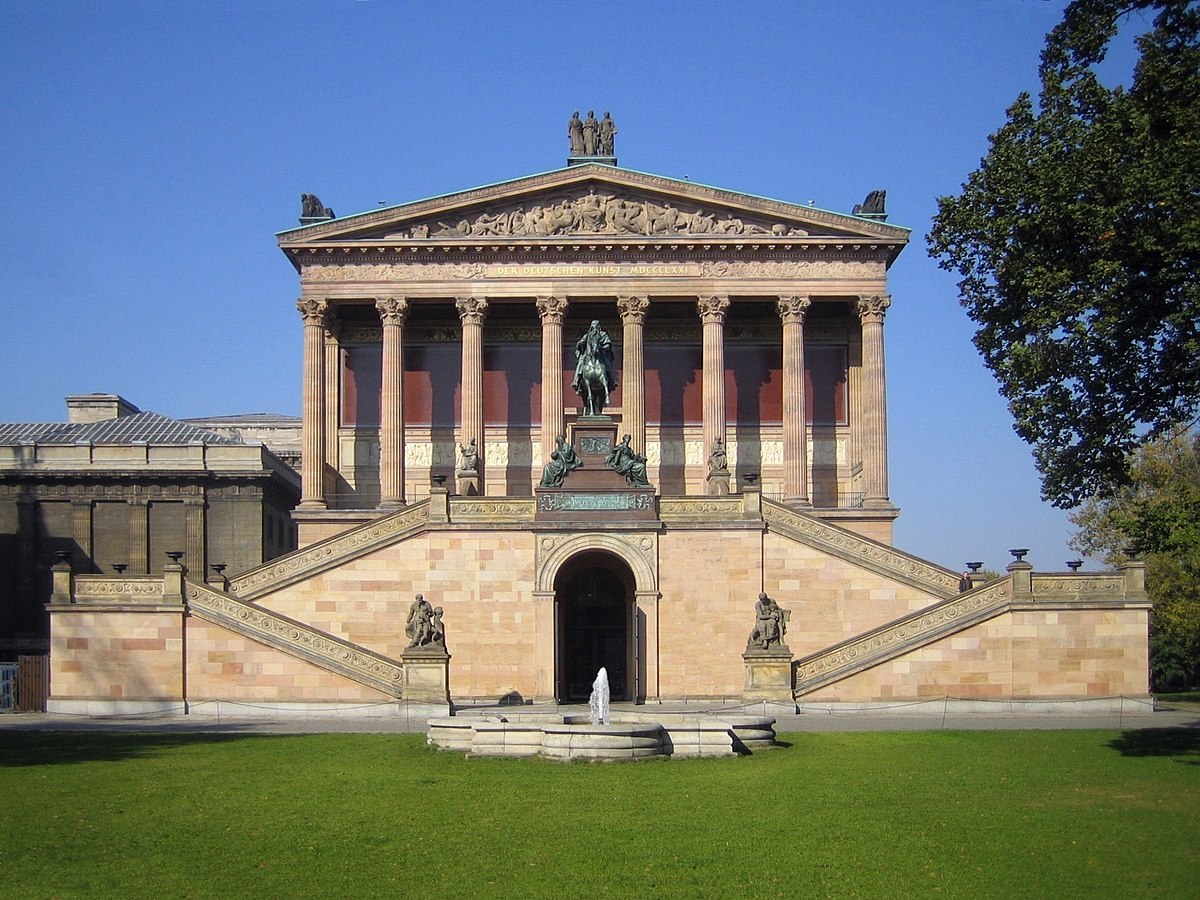
Alte Nationalgalerie
📍 Berlin, Germany
The Alte Nationalgalerie, an esteemed art museum located in Berlin’s Bezirk Mitte, is a cornerstone of cultural appreciation in Germany. This museum …