
Städel Museum
Overview
The Städel Museum, an esteemed art museum located in the heart of Frankfurt, Germany, is a cultural landmark that attracts art enthusiasts from around the globe. Founded in the early 19th century, this museum houses an impressive collection that spans over 700 years of European art, showcasing works from the 14th century to contemporary pieces. The museum not only serves as a vital resource for understanding the evolution of art but also plays a crucial role in Frankfurt’s cultural landscape, making it a must-visit destination for those exploring the city.
Strategically positioned along the banks of the River Main, the Städel Museum is easily accessible and conveniently located near other cultural institutions. Its significant collection features masterpieces by renowned artists such as Rembrandt, Vermeer, and Monet, offering visitors a chance to immerse themselves in the rich history of European art. The museum exemplifies Frankfurt’s commitment to preserving and promoting the arts, making it a focal point for both local residents and international travelers.
As visitors step inside, they are welcomed into a world where creativity and history intertwine, providing an opportunity to appreciate the artistry of various periods. Whether one is a seasoned art lover or a curious newcomer, the Städel Museum promises an enriching experience that will leave a lasting impression.
History and Significance
Established in the early 19th century, the Städel Museum was the vision of Frankfurt banker Johann Friedrich Städel, who sought to create a public institution dedicated to the fine arts. His generous bequest laid the groundwork for what would become one of Germany’s most important art museums. Over the years, the museum has witnessed significant growth, both in terms of its collection and its architectural footprint.
The museum’s collection is notable for its breadth and depth, encompassing works from various art movements and styles. The significance of the Städel Museum is not only rooted in its collection but also in its role as a cultural hub. It has been instrumental in fostering artistic dialogue and has hosted numerous exhibitions featuring both established and emerging artists. This commitment to showcasing a diverse range of artistic expressions has solidified its position as a premier institution in the art world.
The Städel Museum has also played a vital role in the cultural history of Frankfurt. As the city has evolved, the museum has adapted, embracing modern challenges while remaining true to its mission of education and preservation. The museum’s ongoing commitment to accessibility and engagement ensures that it continues to be a vital resource for future generations.
Architecture and Features
The architecture of the Städel Museum reflects a blend of historical and contemporary design. The original structure, completed in the early 19th century, showcases a neoclassical style that harmonizes with its surroundings. The museum’s façade is characterized by grand columns and a symmetrical design, exuding a sense of dignity and permanence.
In recent years, the museum has undergone significant expansions, integrating modern architectural elements while respecting the historic character of the original building. The addition of the new exhibition wing, designed by a renowned architect, enhances the visitor experience by providing state-of-the-art facilities for displaying art. This thoughtful integration of old and new creates a dynamic space that encourages exploration and appreciation of the artworks.
Inside, visitors will find a carefully curated selection of galleries that guide them through the various periods and styles represented in the collection. The layout is designed to facilitate an engaging experience, allowing visitors to move seamlessly from one era to the next. Natural light floods the exhibition spaces, highlighting the intricate details of the artworks and providing an inviting atmosphere.
The Städel Museum also features a library and educational facilities that support its mission of promoting art education. These spaces offer resources for research and learning, making the museum not only a place for viewing art but also for engaging with it on a deeper level.
Visiting Information
Visiting the Städel Museum is an enriching experience, and planning ahead can enhance your visit. The museum is well-served by public transport, making it easy to reach from various parts of Frankfurt. Check the official website for current information regarding hours and ticket prices, as these may vary throughout the year.
On average, visitors should allocate a few hours to fully appreciate the museum’s extensive collection. The layout of the museum allows for a leisurely exploration, with ample opportunities to pause and reflect on the artworks. For those seeking to engage more deeply, guided tours may be available, offering insights into the collection and the stories behind the masterpieces.
The best times to visit are typically during weekdays, when the museum is less crowded, allowing for a more intimate experience with the art. Early mornings or late afternoons on weekends can also provide a quieter atmosphere.
As you plan your visit, consider checking the museum’s schedule for any special exhibitions or events that may coincide with your trip. These can offer unique insights and experiences beyond the permanent collection.
Nearby Attractions
While the Städel Museum is a highlight in its own right, several nearby attractions complement a cultural itinerary in Frankfurt:
Museumsufer: The “Museum Embankment” is a stretch along the River Main that is home to numerous museums, including the German Film Museum and the Museum of Applied Arts. This area is perfect for a museum-hopping experience.
Frankfurt Cathedral: A short walk from the museum, this Gothic cathedral, also known as St. Bartholomew’s Cathedral, offers stunning architecture and a chance to explore the history of Frankfurt.
Palmengarten: One of the largest botanical gardens in Germany, the Palmengarten is a serene escape from the urban environment, showcasing a diverse range of plant species in beautifully designed landscapes.
Römer: This historical building, which serves as the city hall, is an iconic symbol of Frankfurt and offers a glimpse into the city’s medieval past. Its picturesque façade is a popular photo spot.
Städel Museum Garden: Adjacent to the museum, this peaceful garden provides a perfect spot for relaxation and reflection after your museum visit, with lovely views of the museum itself.
Insider Tips
To enhance your visit to the Städel Museum, consider a few insider tips:
Photography: While photography may not be allowed in all areas, check for specific guidelines at the museum. If permitted, be respectful of other visitors and the artworks.
Crowd Avoidance: Plan your visit during off-peak hours, such as weekday mornings, to avoid the larger crowds that can gather on weekends. This allows for a more personal experience with the artwork.
Engage with Staff: Don’t hesitate to ask museum staff for recommendations or information about specific pieces or exhibitions; their insights can greatly enrich your visit.
Practical Information
When preparing for your visit to the Städel Museum, here are some practical considerations:
What to Bring: Comfortable walking shoes are recommended, as you will likely spend several hours exploring the museum. A small bag for personal items is advisable, though larger bags may need to be checked.
Seasonal Considerations: Depending on the season, be prepared for varying weather conditions if you plan to explore nearby attractions. Layered clothing is advisable, as museum interiors are often climate-controlled.
Accessibility: The Städel Museum is designed to be accessible for all visitors. If you have specific needs, check the official website for accommodations and services available.
Frequently Asked Questions
How long should I spend visiting?
Plan to spend at least a few hours at the Städel Museum to fully appreciate the collection. If you are particularly interested in art, consider dedicating half a day.
Is photography allowed?
Photography policies can vary by exhibition. Always check for signs or ask museum staff for guidance on photography regulations.
Are there guided tours?
Yes, the museum often offers guided tours. Check the official website for availability and to book in advance, especially during busy periods.
What’s the best time to visit?
Weekdays, particularly in the morning, tend to be less crowded, allowing for a more relaxed experience. Late afternoons on weekends can also be quieter.
Is it wheelchair accessible?
The Städel Museum is designed to be accessible for all visitors. For specific accessibility options, check the official website.
Can I buy tickets online?
Yes, tickets can typically be purchased online. It is advisable to buy in advance, especially during peak tourist seasons or for special exhibitions.
Are there restrooms and cafes?
Yes, the museum is equipped with restrooms and usually has a café or dining area where visitors can take a break and enjoy refreshments.
What should I wear?
Dress comfortably, as you will be walking and standing for extended periods. Layered clothing is recommended to accommodate varying temperatures in the museum.
In conclusion, the Städel Museum stands as a pillar of art and culture in Frankfurt, inviting visitors to explore its extensive collection and engage with the rich history of European art. Whether you are an art aficionado or a casual observer, this museum promises an enriching experience that echoes the vibrancy of creativity across centuries.
More in Hesse

Abri IX
📍 Hesse, Germany
Abri IX is an archaeological site located in Gleichen, Germany, that captures the essence of human history through its fascinating remnants. This site …

Ackerbürgermuseum Haus Leck
📍 Hesse, Germany
Ackerbürgermuseum Haus Leck is a culturally significant museum located in Germany’s Grebenstein region, dedicated to preserving and showcasing the …

Actien-Brauerei Homburg v. d. Höhe
📍 Hesse, Germany
Actien-Brauerei Homburg v. d. Höhe is a significant historical brewery located in Bad Homburg vor der Höhe, Germany. This former brewery is a …

Active Museum Spiegelgasse
📍 Hesse, Germany
Active Museum Spiegelgasse is a vital institution dedicated to preserving and exploring the German-Jewish history of Wiesbaden, Germany. Located in …

Adornodenkmal
📍 Hesse, Germany
Adornodenkmal, a prominent monument located in Frankfurt am Main, Germany, serves as a significant cultural landmark that encapsulates the spirit of …
Affentor
📍 Hesse, Germany
Affentor, the southernmost of the medieval city gates of Frankfurt am Main, serves as a historical marker of the city’s rich past and architectural …
More Art Museums

Aachen Cathedral Treasury
📍 North Rhine-Westphalia, Germany
Aachen Cathedral Treasury, located in the historic city of Aachen, Germany, is a remarkable art museum that houses an impressive collection of …

Abteiberg Museum
📍 North Rhine-Westphalia, Germany
In the heart of Mönchengladbach, Germany, the Abteiberg Museum stands out as a prominent destination for art enthusiasts and cultural explorers alike. …

Akademisches Kunstmuseum
📍 North Rhine-Westphalia, Germany
In the heart of Bonn, Germany, lies the Akademisches Kunstmuseum, an art museum that invites visitors to explore a diverse collection of artworks …

Albertinum
📍 Saxony, Germany
Albertinum is a prominent art museum located in the heart of Dresden, Germany, serving as a significant cultural institution in the region. …

Albrecht Dürer's House
📍 Bavaria, Germany
Albrecht Dürer’s House stands as a significant cultural landmark in Nuremberg, Germany, celebrating the life and work of one of the Renaissance’s most …
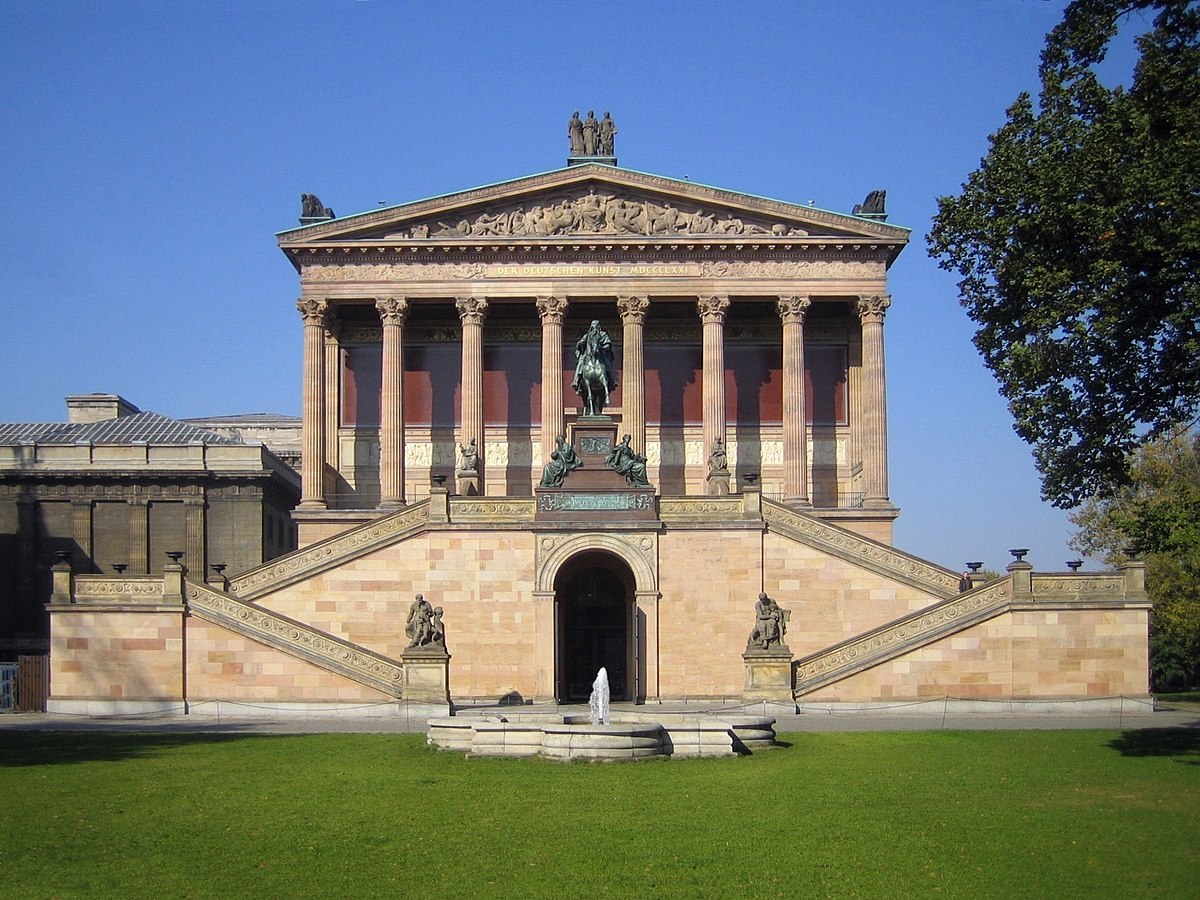
Alte Nationalgalerie
📍 Berlin, Germany
The Alte Nationalgalerie, an esteemed art museum located in Berlin’s Bezirk Mitte, is a cornerstone of cultural appreciation in Germany. This museum …