Overview
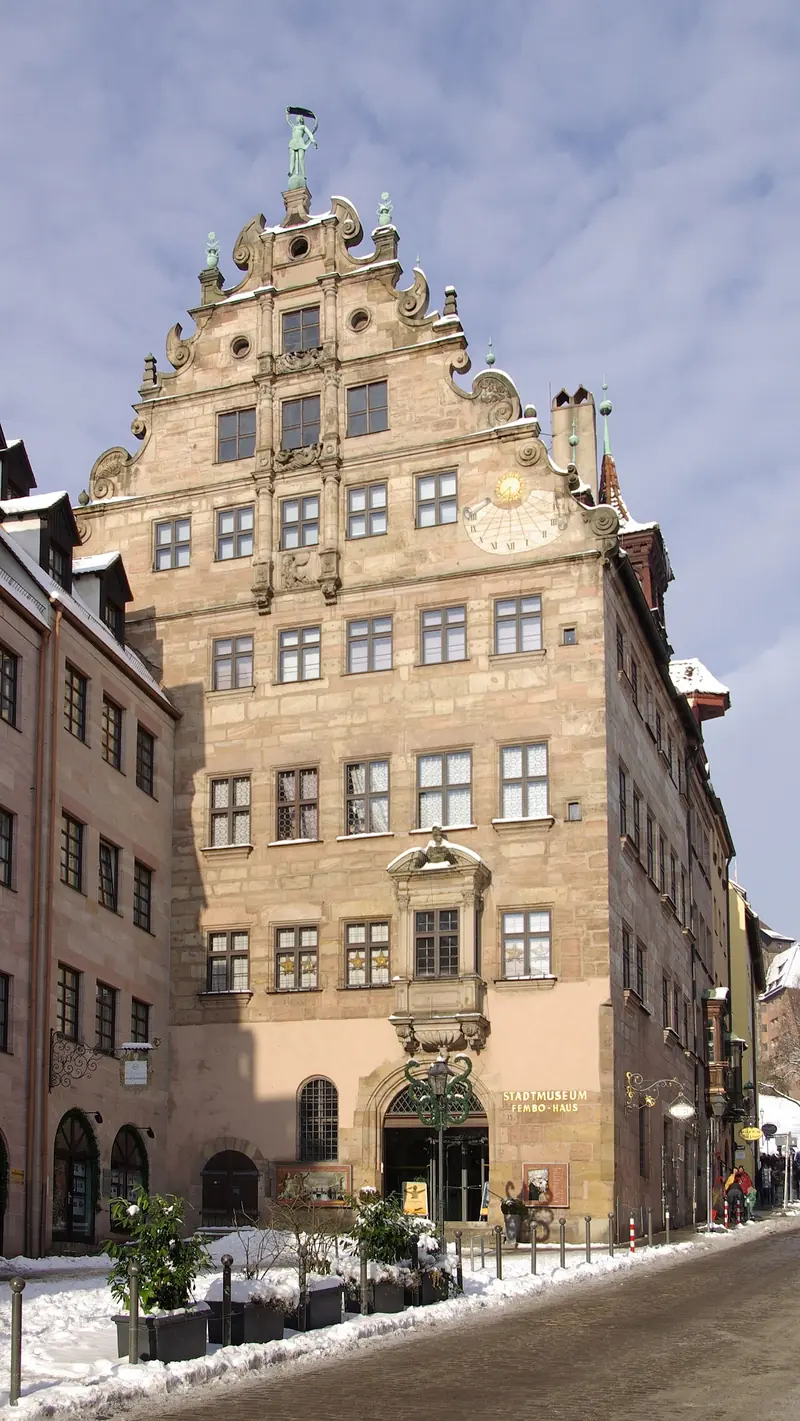
Located in the vibrant city of Nuremberg, Germany, the Stadtmuseum Fembohaus serves as a cultural hub that encapsulates the essence of Nuremberg’s rich heritage. This museum is housed within a striking Renaissance building, which itself is a reflection of the city’s architectural evolution. As you explore its halls, you will uncover the layers of Nuremberg’s history, from its medieval roots to its modern-day significance. The museum’s exhibitions are designed to engage visitors, providing insights into the local culture, societal changes, and the broader historical context that has shaped this remarkable city.
Nuremberg, often celebrated for its medieval architecture and pivotal role in German history, offers an ideal backdrop for a museum dedicated to its cultural narrative. The Stadtmuseum Fembohaus is significant not only for its collections but also for its commitment to preserving and presenting the stories of the city and its people. Visitors can expect a thoughtful and informative experience that highlights Nuremberg’s contributions to art, culture, and society throughout the ages.
History and Significance
The Stadtmuseum Fembohaus is a vital cultural institution that plays an essential role in the preservation and presentation of Nuremberg’s history. The museum is located in a building that dates back to the Renaissance period, specifically the 16th century, when it served as a residence for the wealthy merchant family, the Fembo family. The architectural features of the building reflect the affluence and social status of its original inhabitants, and its preservation allows visitors to appreciate the craftsmanship and design of the era.
Throughout its existence, the Fembohaus has transitioned from a private residence to a public museum, making it an important site for those interested in the evolution of Nuremberg’s cultural landscape. The museum’s collections encompass various aspects of the city’s history, including art, artifacts, and historical documents that trace the development of Nuremberg from its early days to the present.
The museum’s significance extends beyond its physical collections; it serves as a venue for educational programs, workshops, and exhibitions that engage the local community and visitors alike. By hosting temporary exhibitions and cultural events, the Stadtmuseum Fembohaus fosters a dialogue about Nuremberg’s past and its impact on contemporary society. This commitment to cultural exchange positions the museum as a key player in Nuremberg’s cultural scene and underscores its importance as a heritage site.
Architecture and Features
The Fembohaus is a remarkable example of Renaissance architecture, characterized by its intricate facades and elegant design. The building features a distinctive stepped gable, which is a hallmark of the architectural style prevalent during its construction. Visitors will immediately notice the elaborate stonework and decorative elements that embellish the exterior, showcasing the craftsmanship of the era.
Inside, the museum’s layout is thoughtfully organized to facilitate the exploration of Nuremberg’s history. The interior spaces are designed to create a welcoming atmosphere while allowing for the effective display of artifacts and exhibitions. The museum features various rooms dedicated to different aspects of Nuremberg’s history, including its art, commerce, and social life.
One notable aspect of the Fembohaus is its use of historical furniture and decor, providing visitors with an authentic glimpse into the lifestyles of the past. The combination of original architectural features and carefully curated exhibits creates an immersive experience that highlights the rich narrative of Nuremberg.
Visiting Information
When planning a visit to the Stadtmuseum Fembohaus, it’s essential to consider your transportation options. Nuremberg has an efficient public transport system, including trams and buses, making it easy to reach the museum from various parts of the city. Additionally, the museum’s central location means that it is within walking distance of other attractions in Nuremberg, enhancing the overall experience.
To ensure a smooth visit, check the official website for current information regarding opening hours and ticket prices. Generally, you can expect to spend around one to two hours exploring the museum, though this may vary depending on your level of interest in the exhibits.
For a more enriching experience, consider visiting during less crowded times, such as weekdays or early mornings. This allows for a more intimate exploration of the museum’s collections. Also, remember to check for any special events or exhibitions that may be taking place during your visit, as these can enhance your understanding of Nuremberg’s cultural landscape.
Nearby Attractions
Nuremberg is a city filled with historical significance and cultural attractions. While visiting the Stadtmuseum Fembohaus, consider exploring the following nearby sites:
Nuremberg Castle: A short walk from the museum, this imposing medieval fortress offers stunning views of the city and a glimpse into its storied past.
Albrecht Dürer’s House: The former home of the famous Renaissance artist Albrecht Dürer is now a museum dedicated to his life and work.
St. Lorenz Church: A remarkable example of Gothic architecture, this church is known for its stunning stained glass windows and intricate sculptures.
Nuremberg Toy Museum: Celebrating the city’s toy-making heritage, this museum showcases a fascinating collection of toys from different eras.
Documentation Center Nazi Party Rally Grounds: This site offers a sobering look at Nuremberg’s role during the Nazi regime, providing critical context to the city’s modern history.
Insider Tips
To make the most of your visit to the Stadtmuseum Fembohaus, consider the following tips:
Photography: While photography may be allowed in certain areas, be mindful of any restrictions indicated by the museum. Capturing the architectural details of the Fembohaus can be particularly rewarding.
Crowd Avoidance: If you prefer a quieter experience, plan your visit during off-peak hours, such as early mornings or late afternoons. This will allow you to enjoy the exhibits without the distraction of large crowds.
Practical Information
When preparing for your visit to the Stadtmuseum Fembohaus, keep a few practical considerations in mind:
What to Bring: Comfortable walking shoes are recommended, as you will likely be exploring both the museum and the surrounding area. A small bag for personal items is advisable, but be aware of any size restrictions for bags within the museum.
Seasonal Considerations: Nuremberg experiences a temperate climate, so dress appropriately for the season. In winter, be prepared for colder temperatures, while spring and summer may offer more pleasant weather for exploring the city.
Frequently Asked Questions
How long should I spend visiting?
Most visitors typically spend about one to two hours at the Stadtmuseum Fembohaus, depending on their interest in the exhibits.
Is photography allowed?
Photography policies can vary; check for signage within the museum regarding any restrictions on photography.
Are there guided tours?
Check the official website for information on guided tours, as they may offer valuable insights into the museum’s collections.
What’s the best time to visit?
Weekdays or early mornings are generally the best times to visit to avoid larger crowds.
Is it wheelchair accessible?
Accessibility information is best obtained directly from the museum, ensuring that all visitors can enjoy the exhibits.
Can I buy tickets online?
For convenience, check the official website for options regarding online ticket purchases.
Are there restrooms and cafes?
Restroom facilities are typically available within the museum. For dining options, explore nearby cafes and restaurants in the area.
What should I wear?
Dress comfortably for walking, considering the season and weather conditions during your visit.



