
Stadtmuseum Eilenburg
Overview
Located in the heart of Eilenburg, Germany, the Stadtmuseum Eilenburg serves as a cultural hub, reflecting the town’s rich history and heritage. This museum invites visitors to explore the narratives that have shaped the region over centuries, from its early beginnings to contemporary times. Eilenburg, with its strategic location along the banks of the river Mulde, has long been a focal point for trade and culture, making this museum an essential stop for anyone wishing to understand the local identity.
The Stadtmuseum provides an engaging experience for individuals and families alike, offering insights into the area’s past through various exhibits and artifacts. While the museum itself may not be the largest, it encapsulates the essence of Eilenburg’s story, showcasing the town’s development and the lives of its inhabitants. Visitors can anticipate a blend of educational exhibits and personal stories that highlight the cultural significance of Eilenburg in the broader context of German history.
History and Significance
Eilenburg’s history is intertwined with significant events that have influenced both the local community and the surrounding regions. The Stadtmuseum plays a crucial role in preserving this history, providing a platform for storytelling and education. The museum’s collection encompasses various aspects of Eilenburg’s development, including its economic evolution, social changes, and the impact of historical events.
Among the notable periods in Eilenburg’s history is its role during the Middle Ages, when it emerged as an important trade center. The town’s strategic location led to its growth in commerce, which in turn fostered a vibrant cultural scene. The museum captures these elements through carefully curated exhibits featuring artifacts, documents, and visual displays that narrate the journey of Eilenburg and its people.
As Germany underwent various transformations through the centuries, including the Reformation and industrialization, the Stadtmuseum highlights how these changes affected Eilenburg. The museum serves as a repository of local memory and identity, where visitors can gain a deeper appreciation for the events that shaped the town. In addition to showcasing historical artifacts, the museum often hosts temporary exhibitions and educational programs, further enhancing its role in the community.
Architecture and Features
The Stadtmuseum Eilenburg is housed in a building that reflects the architectural styles characteristic of the region. The structure itself is significant, as it is part of the historical fabric of Eilenburg. Visitors will find that the museum combines both historical and contemporary elements, creating an inviting atmosphere for exploration.
Inside, the museum is thoughtfully organized, allowing for a logical flow through the exhibits. Each section is designed to provide insights into different aspects of Eilenburg’s history, from its early days as a settlement to its development in modern times. The exhibits feature a variety of media, including photographs, documents, and interactive displays, making the information accessible and engaging for visitors of all ages.
Noteworthy features of the museum include its attention to detail in presentation and the incorporation of local narratives that resonate with Eilenburg’s community. Specific artifacts, such as tools, clothing, and household items from various eras, give a tangible connection to the past, allowing visitors to visualize life in Eilenburg at different points in history.
Visiting Information
For those planning a visit to the Stadtmuseum Eilenburg, it’s advisable to check the official website for current information on hours and ticket prices. The museum is conveniently located, making it accessible for both local residents and tourists. Public transport options are available, and visitors can also consider cycling or walking to enjoy the surrounding area.
A visit to the museum typically requires about one to two hours, depending on individual interests and the time spent on each exhibit. The atmosphere is generally welcoming, and it is suitable for families, school groups, and history enthusiasts alike.
The best times to visit are during weekdays when the museum tends to be less crowded, allowing for a more leisurely experience. Special events or exhibitions may attract larger crowds, so checking the calendar on the museum’s website can help in planning a visit.
Nearby Attractions
While the Stadtmuseum Eilenburg offers a comprehensive look at local history, visitors can also explore several nearby attractions that complement their experience:
St. Nicolai Church: This historic church is known for its impressive architecture and serene atmosphere. It stands as a significant landmark in Eilenburg and is worth a visit for those interested in religious history.
Eilenburg Castle: Although in ruins, the remnants of the castle provide insight into the town’s medieval past. The site is ideal for a leisurely stroll and offers a glimpse into the town’s historical defense structures.
Mulde River: The river that flows through Eilenburg offers scenic walking paths and opportunities for relaxation. It’s an excellent spot for those looking to unwind after a museum visit.
Local Parks: Eilenburg has several parks where visitors can enjoy nature and perhaps have a picnic. These green spaces are perfect for families and provide a break from the museum experience.
Cultural Events: Depending on the time of year, various cultural events and festivals may take place in Eilenburg, providing additional context to the local heritage and community spirit.
Insider Tips
When visiting the Stadtmuseum Eilenburg, consider bringing a camera to capture the unique exhibits and architecture. However, it’s important to check the museum’s photography policy for any restrictions.
To avoid crowds, aim for a mid-week visit, particularly in the morning when the museum is typically less busy. This allows for a more personal exploration and an opportunity to engage with staff if you have questions about the exhibits.
If you are planning to visit during peak tourist seasons or special events, it may be beneficial to arrive early in the day to secure a good experience without the rush.
Practical Information
When preparing for your visit to the Stadtmuseum Eilenburg, it’s advisable to bring along a few essentials. Comfortable walking shoes are recommended, as you may wish to explore the surrounding area after your museum experience.
Seasonal considerations should also be taken into account. If visiting during colder months, dress warmly, as the museum may not be as heated as other attractions. Conversely, warmer months might offer opportunities to enjoy the local parks and the Mulde River after your museum visit.
As always, checking the official website before your visit can provide essential information about any special exhibitions, events, or changes in operating hours.
Frequently Asked Questions
How long should I spend visiting?
A typical visit to the Stadtmuseum Eilenburg lasts about one to two hours, depending on your interests in the exhibits.
Is photography allowed?
Photography policies may vary; it is recommended to check the museum’s guidelines to see if photography is permitted.
Are there guided tours?
Check the official website for information about guided tours, as they may offer deeper insights into the exhibits.
What’s the best time to visit?
Mid-week visits, particularly in the morning, generally result in a quieter experience.
Is it wheelchair accessible?
Information regarding accessibility can be found on the museum’s official website, which should provide details on facilities for visitors with mobility challenges.
Can I buy tickets online?
For the most current information on ticket purchasing options, including online availability, refer to the official website.
Are there restrooms and cafes?
Restroom facilities are typically available within the museum, but check the official website for information about onsite dining options.
What should I wear?
Comfortable clothing and shoes are advised, especially if you plan to explore the surrounding area after your visit.
More in Brandenburg
Agnetenkloster
📍 Brandenburg, Germany
Agnetenkloster, a former monastery located in the heart of Magdeburg, Germany, invites visitors to explore its serene ambiance and historical …

Agroneum
📍 Brandenburg, Germany
Agroneum is a museum located in the serene landscape of Alt Schwerin, Germany. This establishment serves as a vibrant hub for those interested in the …

Alexander Nevsky Memorial Church
📍 Brandenburg, Germany
The Alexander Nevsky Memorial Church in Potsdam, Germany, offers visitors a unique glimpse into the city’s cultural and religious heritage. This …
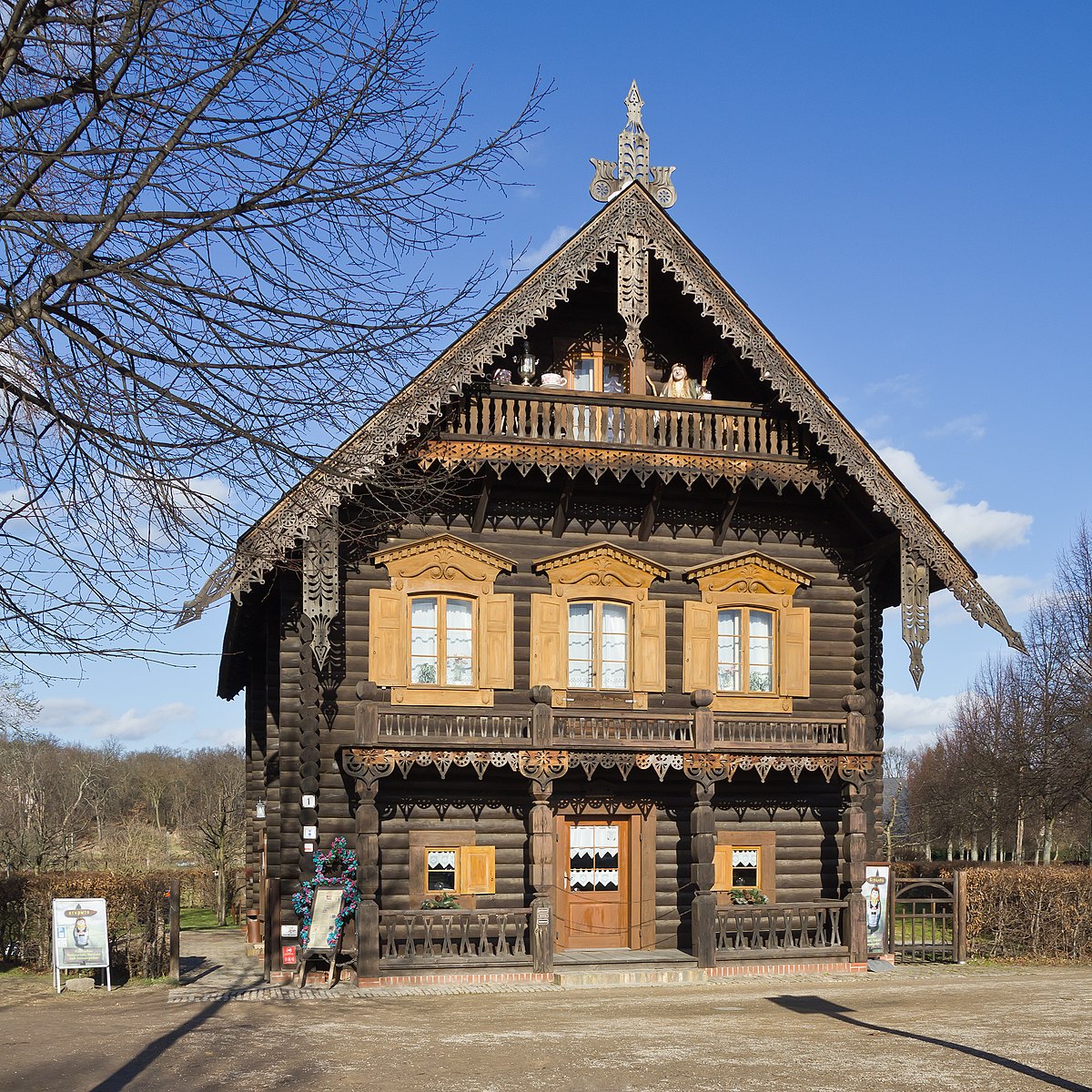
Alexandrowka
📍 Brandenburg, Germany
Located in the picturesque city of Potsdam, Germany, Alexandrowka is an intriguing architectural ensemble that reflects a unique blend of Russian and …

Alte Burg Penzlin
📍 Brandenburg, Germany
Alte Burg Penzlin, a captivating castle located in the quaint town of Penzlin, Germany, serves as a remarkable example of medieval architecture and …

Alte Dorfkirche Röxe
📍 Brandenburg, Germany
The Alte Dorfkirche Röxe stands as a poignant symbol of architectural and cultural history in the Stendal region of Germany. This church building, …
More Museums

Abbey and Altenmünster of Lorsch
📍 Baden-Württemberg, Germany
The Abbey and Altenmünster of Lorsch is a UNESCO World Heritage site located in the charming town of Lorsch, Germany. This significant cultural …
Abenteuermuseum
📍 Rhineland-Palatinate, Germany
The Abenteuermuseum, located in Germany, invites visitors to explore the wonders of adventure through its unique exhibits and engaging experiences. …

Abwasser- und Sielmuseum
📍 Hamburg, Germany
The Abwasser- und Sielmuseum, located in the heart of Hamburg-Mitte, offers a unique glimpse into the city’s historical infrastructure concerning …

Academy of Arts, Berlin
📍 Berlin, Germany
The Academy of Arts in Berlin is not just a museum; it is a prominent national institution dedicated to the advancement of the arts in Germany. …

Ackerbürgermuseum Haus Leck
📍 Hesse, Germany
Ackerbürgermuseum Haus Leck is a culturally significant museum located in Germany’s Grebenstein region, dedicated to preserving and showcasing the …

Active Museum Spiegelgasse
📍 Hesse, Germany
Active Museum Spiegelgasse is a vital institution dedicated to preserving and exploring the German-Jewish history of Wiesbaden, Germany. Located in …