
Stadtkirche Wittenberg
Overview
In the heart of Lutherstadt Wittenberg, the Stadtkirche Wittenberg stands as a significant civic church, intertwining the threads of history, culture, and faith. This church, known for its essential role in the Reformation, is a pivotal landmark for both pilgrims and those interested in the evolution of Christian thought. As you approach the church, you are greeted by its striking architecture and the stories embedded in its walls, inviting you to explore its profound legacy.
Situated in a region that witnessed monumental changes during the 16th century, the Stadtkirche Wittenberg is more than just a place of worship; it is a symbol of the transformative power of faith and community. The church’s significance extends beyond its spiritual role; it is a gathering place that has shaped the cultural identity of Wittenberg. Visitors are promised an enriching experience, with opportunities to delve into the church’s historical importance and appreciate its architectural elements, making it a must-visit destination in Germany.
History and Significance
The Stadtkirche Wittenberg is deeply intertwined with the history of the Protestant Reformation. It served as a central location for Martin Luther, who is credited with initiating the movement that would forever alter the landscape of Christianity. The church played a pivotal role as a site for many of Luther’s sermons, where he articulated his views and challenged the established norms of the Catholic Church.
The church’s historical significance is not limited to its association with Luther; it embodies the spirit of civic engagement and community life in Wittenberg. Throughout the centuries, the Stadtkirche has witnessed various cultural and religious transformations, reflecting the evolving values and beliefs of its congregation. The church has hosted countless events, from religious ceremonies to community gatherings, reinforcing its role as a cornerstone of local life.
Visiting the Stadtkirche Wittenberg offers a unique opportunity to connect with this rich history. As you walk through its doors, you will find yourself immersed in a narrative that spans generations, marking significant events that have shaped not only Wittenberg but also the broader context of European history.
Architecture and Features
The architectural style of the Stadtkirche Wittenberg showcases elements typical of Gothic and Renaissance influences, which are evident in its design and structure. The exterior is characterized by its sturdy stone façade and intricate detailing, inviting admiration from passersby. The church’s tall steeple reaches towards the sky, symbolizing the aspirations of the community and its faith.
Inside, the church reveals a wealth of artistic features, including beautiful stained glass windows that illuminate the space with vibrant colors. These windows not only enhance the aesthetic experience but also tell stories from the Bible, serving as visual narratives for the faithful. The interior layout is spacious, designed to accommodate congregational worship and gatherings, reflecting the church’s role as a central hub for the community.
One of the notable aspects of the Stadtkirche is the presence of various memorials and plaques commemorating key figures from the Reformation and local history. These features provide visitors with insights into the church’s enduring legacy and its connection to significant historical events.
Visiting Information
Visiting the Stadtkirche Wittenberg is an enriching experience, and planning your trip can enhance your time there. The church is accessible via various forms of transport, including local public transportation options. For those driving, parking facilities are available nearby, making it convenient to reach this landmark.
Before visiting, it is advisable to check the official website for current information regarding hours and entry prices, as these can change. Generally, visitors can expect to spend around one to two hours exploring the church and absorbing its historical and architectural significance.
The best times to visit are during weekdays, when crowds are typically smaller, allowing for a more personal and contemplative experience. However, weekends may also offer special services and community events, providing a unique glimpse into the church’s active role in contemporary life.
Nearby Attractions
While the Stadtkirche Wittenberg is undoubtedly a highlight, the surrounding area is also rich with attractions that complement your visit:
Lutherhaus: Once the residence of Martin Luther, this museum offers insight into his life and works, showcasing artifacts and exhibitions related to the Reformation.
Castle Church (Schlosskirche): Another significant church in Wittenberg, it is famous for the door where Luther allegedly posted his Ninety-Five Theses, marking the start of the Reformation.
Wittenberg Market Square (Marktplatz): A vibrant hub where visitors can experience local culture, complete with shops, cafes, and seasonal markets.
Melanchthonhaus: The former home of Philip Melanchthon, a key figure in the Reformation, this site provides further context about the movement and its leaders.
Stadtmuseum Wittenberg: A local museum that explores the history and development of Wittenberg, offering a broader understanding of the town’s role in German heritage.
Insider Tips
To capture the essence of the Stadtkirche Wittenberg in photographs, consider visiting early in the morning or later in the afternoon when natural lighting enhances the church’s architectural features. Additionally, weekday visits tend to be less crowded, allowing for unobstructed views and a more intimate experience.
In terms of crowd management, aim to visit during off-peak seasons, such as late autumn or winter, when tourist numbers tend to dwindle. This will afford you ample time to reflect on the church’s history and significance without the distractions often encountered during peak tourist times.
Practical Information
When planning your visit to the Stadtkirche Wittenberg, consider bringing a camera to capture the stunning architecture and interior details. Comfortable walking shoes are also recommended, as exploring the church and its surroundings may involve some walking.
Seasonal considerations are important; while the church is open year-round, weather can impact your experience. Spring and summer months often bring pleasant weather, making it easier to enjoy the nearby outdoor attractions. However, visiting during autumn can provide a unique atmospheric backdrop, especially with the changing foliage in the area.
Frequently Asked Questions
How long should I spend visiting?
Visitors typically spend about one to two hours at the Stadtkirche Wittenberg to fully appreciate its historical and architectural significance.
Is photography allowed?
Photography is generally permitted within the church, but it is always best to check for any specific restrictions upon entry.
Are there guided tours?
Guided tours may be available, providing deeper insights into the history and architecture of the church. Check the official website for details.
What’s the best time to visit?
Weekdays are often less crowded, allowing for a more peaceful experience. Early morning or late afternoon visits are ideal for photography.
Is it wheelchair accessible?
Accessibility details can vary. It is advisable to check the official website or contact the church for specific accessibility information.
Can I buy tickets online?
Ticket purchasing options may vary. For the most accurate information, please check the official website.
Are there restrooms and cafes?
Facilities may be available; however, it is best to confirm current amenities on the official website.
What should I wear?
As a place of worship, modest attire is recommended. Comfortable shoes are also advisable for exploring the church and surrounding areas.
Visiting the Stadtkirche Wittenberg is an opportunity to engage with a pivotal chapter in history and appreciate the enduring significance of this civic church in the heart of Lutherstadt Wittenberg.
More in Brandenburg
Agnetenkloster
📍 Brandenburg, Germany
Agnetenkloster, a former monastery located in the heart of Magdeburg, Germany, invites visitors to explore its serene ambiance and historical …

Agroneum
📍 Brandenburg, Germany
Agroneum is a museum located in the serene landscape of Alt Schwerin, Germany. This establishment serves as a vibrant hub for those interested in the …

Alexander Nevsky Memorial Church
📍 Brandenburg, Germany
The Alexander Nevsky Memorial Church in Potsdam, Germany, offers visitors a unique glimpse into the city’s cultural and religious heritage. This …
Alexandrowka
📍 Brandenburg, Germany
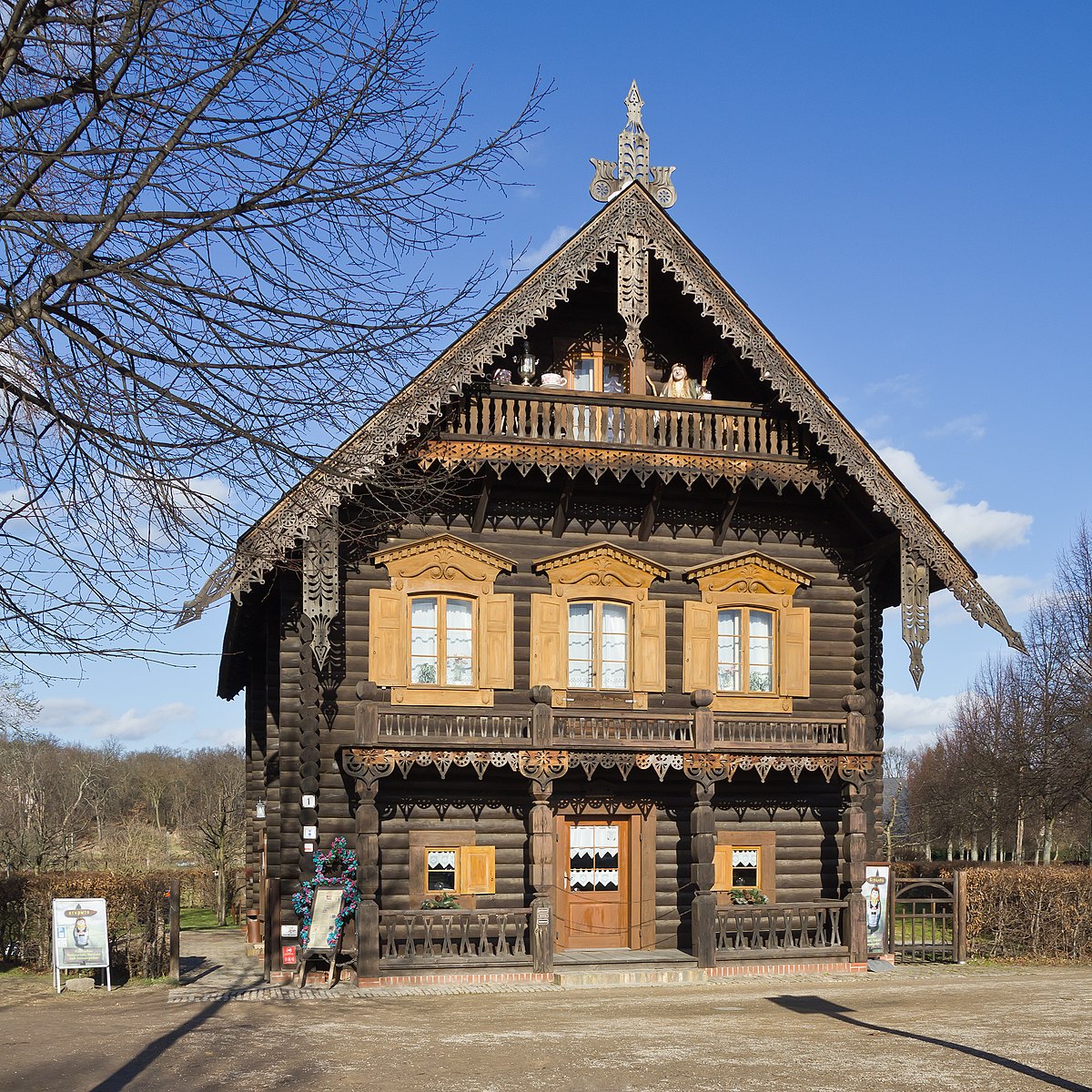
Located in the picturesque city of Potsdam, Germany, Alexandrowka is an intriguing architectural ensemble that reflects a unique blend of Russian and …

Alte Burg Penzlin
📍 Brandenburg, Germany
Alte Burg Penzlin, a captivating castle located in the quaint town of Penzlin, Germany, serves as a remarkable example of medieval architecture and …

Alte Dorfkirche Röxe
📍 Brandenburg, Germany
The Alte Dorfkirche Röxe stands as a poignant symbol of architectural and cultural history in the Stendal region of Germany. This church building, …
More Church Buildings

Aachen Cathedral
📍 North Rhine-Westphalia, Germany
Aachen Cathedral, a magnificent Roman-Catholic structure located in the historic city of Aachen, Germany, is a masterpiece of architectural design and …

Adventkirche
📍 Berlin, Germany
Adventkirche, located in the Pankow district of Berlin, Germany, is a notable church building that reflects both the architectural and cultural …

Adventskirche
📍 Hamburg, Germany
Adventskirche, a notable church building located in the Eimsbüttel district of Hamburg, Germany, stands out not only for its architectural features …

Aegidienkirche
📍 Lower Saxony, Germany
Aegidienkirche, a significant church ruin located in the heart of Hannover, Germany, presents visitors with a compelling glimpse into the past. …

Albert-Schweitzer-Kirche
📍 Baden-Württemberg, Germany
The Albert-Schweitzer-Kirche, located in the picturesque region of Tübingen, Germany, is more than just a church building; it is a place of reflection …

Alexander Church
📍 Rhineland-Palatinate, Germany
Alexander Church, a notable church building located in Zweibrücken, Germany, offers a captivating glimpse into the region’s spiritual and …