
Stadtgottesacker
Overview
Stadtgottesacker, located in Halle (Saale), Saxony-Anhalt, Germany, serves as a poignant reminder of the region’s historical and cultural tapestry, established in 1557. This cemetery is not merely a resting place but a significant site that weaves together the narratives of the past, reflecting the artistic and social values of its time. Enclosed by a wall, the cemetery provides a serene environment for reflection and remembrance, surrounded by the bustling life of modern Halle.
As a historical cemetery, Stadtgottesacker is unique in its layout and design, which distinguishes it from more conventional burial grounds. The site encompasses a diverse array of grave markers, mausoleums, and sculptures that illustrate the evolution of funerary art and architecture in Germany. For visitors, it offers a profound opportunity to engage with the layers of history that define the city and its people.
Whether you are a history enthusiast, an architecture aficionado, or simply seeking a peaceful place for contemplation, Stadtgottesacker promises an enriching experience. The cemetery invites guests to reflect on the lives of those who came before while appreciating the artistry that adorns the final resting places of notable figures of the region.
History and Significance
The establishment of Stadtgottesacker in 1557 marked a vital point in the history of Halle, a city that has played a significant role in the development of Germany. The cemetery was created during a time when burial practices were shifting, moving away from churchyards and towards dedicated spaces for the deceased. This transition reflects broader changes in societal attitudes towards death and memorialization, influenced by the Reformation and the changing religious landscape of the time.
As one of the earliest examples of a cemetery in the region, Stadtgottesacker holds substantial cultural importance. It was designed not only as a final resting place but also as a public space meant for contemplation and remembrance. Over the centuries, it has become a site of historical significance, where many prominent citizens of Halle are interred, including notable figures from various fields such as theology, politics, and the arts. The cemetery has witnessed the evolution of memorial practices and continues to be a focal point for historians and visitors interested in the cultural heritage of Halle.
The design of Stadtgottesacker is emblematic of the period’s architectural styles, characterized by its orderly layout and the inclusion of elaborate tombstones and monuments. The cemetery’s significance extends beyond its role as a burial site; it serves as a physical representation of the city’s history and the changing attitudes towards life, death, and remembrance throughout the centuries.
Architecture and Features
Stadtgottesacker is marked by its distinctive architectural features that reflect the styles and sentiments of the time when it was established. The cemetery is carefully organized, with pathways that guide visitors through a landscape filled with a variety of grave markers. These markers range from simple headstones to elaborate mausoleums, each telling a story of the individuals interred within.
One of the most striking features of Stadtgottesacker is its array of sculptures and artistic elements that adorn the graves. Many of these works are representative of the artistic movements of their respective eras, showcasing craftsmanship that remains impressive even centuries later. Visitors can find intricate carvings, symbolic motifs, and memorials that highlight the personal histories of those commemorated.
The cemetery is also known for its beautiful landscaping, which complements its architectural features and enhances the contemplative atmosphere. Visitors often appreciate the tranquility of the environment, making it an ideal setting for reflection. As you wander through Stadtgottesacker, take the time to observe the details of the monuments and the stories they convey, as they encapsulate the lives and legacies of those who have shaped the region.
Visiting Information
To make the most of your visit to Stadtgottesacker, it’s important to consider transportation options and prepare accordingly. The cemetery is accessible from various points in Halle, and public transportation options are available for those coming from different areas. Visitors can expect to spend approximately one to two hours exploring the site, although this can vary depending on personal interest in the monuments and history.
Check the official website for current information regarding opening hours and any potential admission fees. The best times to visit would be during the spring and autumn, when the weather is generally mild, allowing for a more comfortable experience while walking through the cemetery’s grounds.
As you explore, be mindful of the somber nature of the site. Although it is a public space, it is essential to approach it with respect. Visitors should also consider bringing a camera, as the artistic elements and serene environment provide excellent photographic opportunities.
Nearby Attractions
After visiting Stadtgottesacker, there are several nearby attractions that may enhance your experience in Halle.
Halle Cathedral (Marktkirche) A short distance from the cemetery, this stunning Gothic church features remarkable architecture and beautiful stained glass windows, making it a must-see for architecture enthusiasts.
Franckesche Stiftungen Founded in the early 18th century, this historic institution includes a complex of buildings that house museums, libraries, and gardens, reflecting the educational and cultural history of Halle.
Halle State Museum of Prehistory This museum showcases a diverse collection of artifacts from the region’s prehistoric past, offering insight into the early inhabitants of the area.
Giebichenstein Castle Located on the banks of the Saale River, this medieval castle provides a glimpse into the history of the region and offers picturesque views of the surrounding landscape.
Botanical Garden of the Martin Luther University Halle-Wittenberg A short trip from the city center, this garden features a wide variety of plant species and serves as a peaceful retreat for nature lovers.
Insider Tips
When visiting Stadtgottesacker, consider the following tips to enhance your experience:
Photography: While photography is allowed, be respectful of the somber nature of the site. Try to capture the intricate details of the sculptures and monuments without disrupting the reflective atmosphere.
Crowd Avoidance: To avoid larger crowds, consider visiting during weekdays or early in the morning. This will provide a more peaceful experience as you explore the cemetery.
Practical Information
When planning your visit to Stadtgottesacker, keep the following practical information in mind:
What to Bring: Comfortable walking shoes are advisable, as the pathways can be uneven. A camera can also enhance your experience, allowing you to capture the unique features of the cemetery.
Seasonal Considerations: The cemetery is open year-round, but the best times to visit are during the milder months of spring and autumn. Be prepared for varying weather conditions, particularly in winter when paths may be icy or snow-covered.
Frequently Asked Questions
How long should I spend visiting?
A visit to Stadtgottesacker can take anywhere from one to two hours, depending on your level of interest in the monuments and history.
Is photography allowed?
Yes, photography is permitted, but please be respectful of the site’s solemn atmosphere.
Are there guided tours?
Check the official website for information on guided tours and any specific arrangements.
What’s the best time to visit?
Spring and autumn are ideal for visiting due to milder temperatures, but the cemetery is open year-round.
Is it wheelchair accessible?
Check the official website for current accessibility information regarding pathways and facilities.
Can I buy tickets online?
Admission details vary, so check the official website for current ticketing options and prices.
Are there restrooms and cafes?
Facilities may be limited, so check the official website for information about nearby amenities.
What should I wear?
Comfortable clothing and shoes are recommended, particularly if you plan to walk through the cemetery for an extended period.
Stadtgottesacker in Halle (Saale) is not just a cemetery; it is a place that invites personal reflection and exploration of the past. It stands as a cultural landmark, offering insights into the lives of those who shaped the community and the artistic endeavors that adorn their final resting places.
More in Brandenburg
Agnetenkloster
📍 Brandenburg, Germany
Agnetenkloster, a former monastery located in the heart of Magdeburg, Germany, invites visitors to explore its serene ambiance and historical …

Agroneum
📍 Brandenburg, Germany
Agroneum is a museum located in the serene landscape of Alt Schwerin, Germany. This establishment serves as a vibrant hub for those interested in the …

Alexander Nevsky Memorial Church
📍 Brandenburg, Germany
The Alexander Nevsky Memorial Church in Potsdam, Germany, offers visitors a unique glimpse into the city’s cultural and religious heritage. This …
Alexandrowka
📍 Brandenburg, Germany
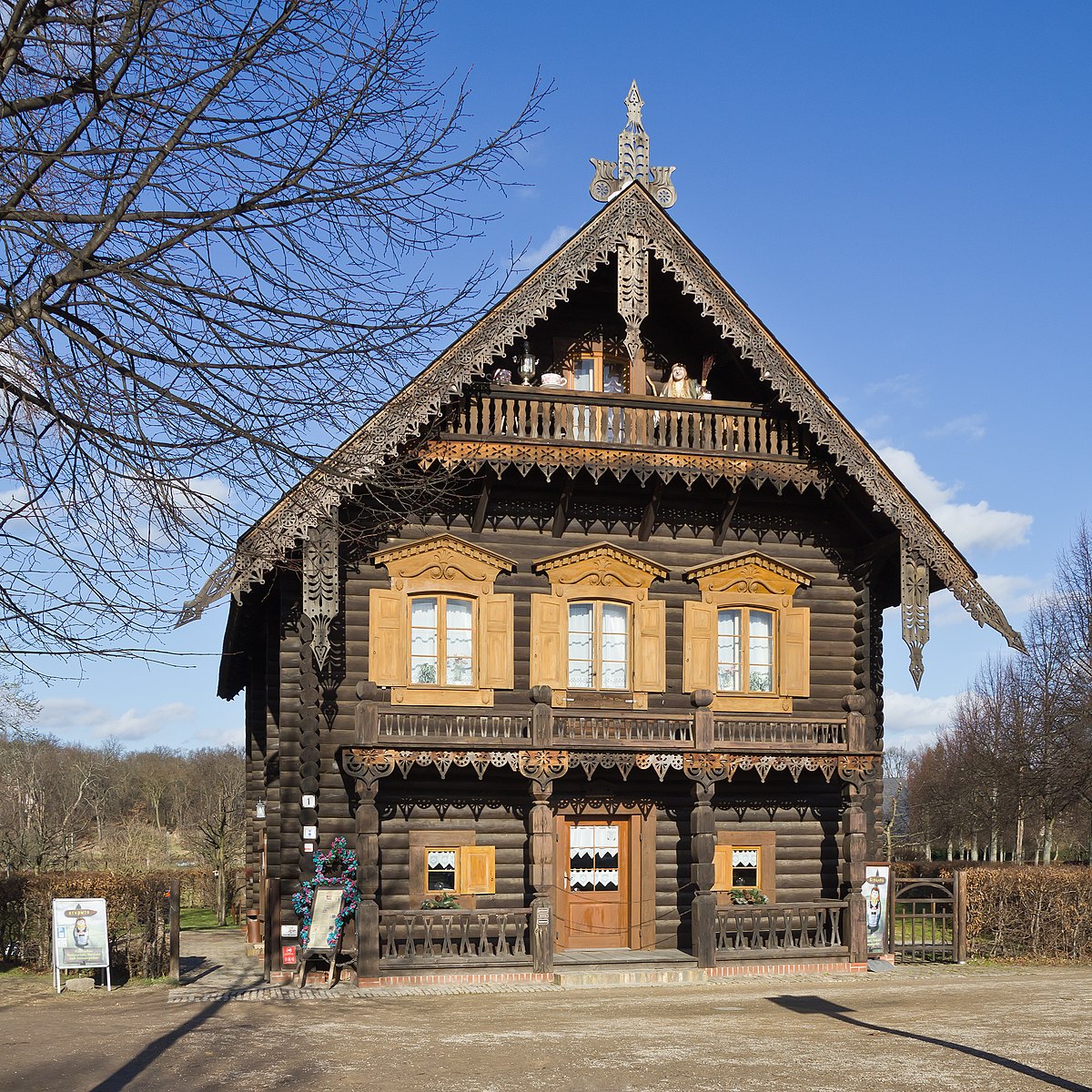
Located in the picturesque city of Potsdam, Germany, Alexandrowka is an intriguing architectural ensemble that reflects a unique blend of Russian and …

Alte Burg Penzlin
📍 Brandenburg, Germany
Alte Burg Penzlin, a captivating castle located in the quaint town of Penzlin, Germany, serves as a remarkable example of medieval architecture and …

Alte Dorfkirche Röxe
📍 Brandenburg, Germany
The Alte Dorfkirche Röxe stands as a poignant symbol of architectural and cultural history in the Stendal region of Germany. This church building, …
More Cemeteries

Ahrensfelde East Churchyard
📍 Berlin, Germany
Ahrensfelde East Churchyard, located in the quaint town of Ahrensfelde, Germany, presents a serene space rich in historical significance. This …

Alter Annenfriedhof, Dresden
📍 Saxony, Germany
Alter Annenfriedhof is a remarkable cemetery located in Dresden, Germany, serving as a solemn resting place and a historical site of reflection. …

Alter Friedhof (Baiertal)
📍 Baden-Württemberg, Germany
Alter Friedhof, located in Wiesloch, Germany, is a cemetery that holds historical significance within the region, offering visitors a reflective and …

Alter Friedhof (Dirmstein)
📍 Baden-Württemberg, Germany
Alter Friedhof, located in the quaint village of Dirmstein in Rhineland-Palatinate, Germany, is a cemetery that encapsulates the area’s historical and …
Alter Friedhof (Eschweiler über Feld)
📍 North Rhine-Westphalia, Germany
Alter Friedhof, a cemetery located in the municipality of Nörvenich, Germany, serves not merely as a resting place for the deceased but also as a site …
Alter Friedhof (Frauwüllesheim)
📍 North Rhine-Westphalia, Germany
Alter Friedhof, a cemetery located in the quaint village of Frauwüllesheim within the Nörvenich region of Germany, offers visitors a poignant glimpse …