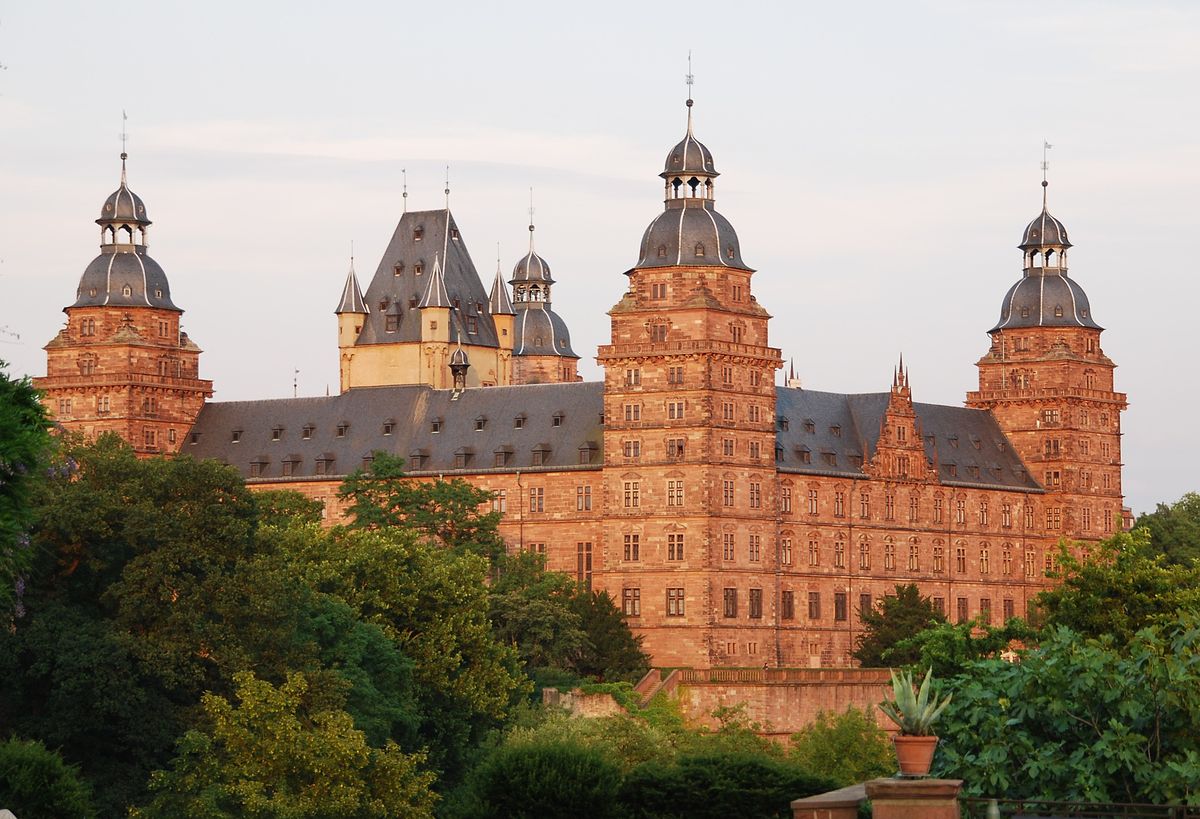
Staatsgalerie Aschaffenburg
Overview
The Staatsgalerie Aschaffenburg, located within the historic Schloss Johannisburg, is a prominent art museum situated in the heart of Aschaffenburg, Germany. This institution is a cultural touchstone, showcasing a diverse collection of artworks that span centuries and styles, appealing to art enthusiasts and casual visitors alike. Aschaffenburg itself is a city rich in history, often referred to as the “Gateway to Bavaria,” thanks to its strategic location along the Main River. The Staatsgalerie not only enriches the local cultural landscape but also serves as a significant repository of European art, making it a must-visit destination for anyone exploring the region.
Visitors can expect to engage with a thoughtful curation of artworks that reflect the historical and artistic evolution of Europe. The museum functions as both an educational resource and a place for inspiration, encouraging dialogue about art and its role in society. With its impressive setting and outstanding collections, the Staatsgalerie offers a unique experience that combines art appreciation with historical exploration.
History and Significance
The Staatsgalerie Aschaffenburg has a storied history, closely linked to the Schloss Johannisburg, which dates back to the early 17th century. The castle itself was commissioned by the Prince-Bishop of Würzburg, and it has served various purposes throughout its history, from residence to administrative center. Over the years, the building has undergone numerous renovations, each adding to its architectural significance.
The establishment of the art museum within the Schloss was a significant cultural development for Aschaffenburg and the surrounding areas. It aimed to make art accessible to the public and foster an appreciation for cultural heritage. The museum’s collection includes works from different periods, emphasizing not only local artists but also celebrated figures from various European art movements. This diverse array of artworks illustrates the museum’s mission to provide a comprehensive view of artistic expression.
As a cultural institution, the Staatsgalerie plays a vital role in promoting the arts and education in the region. It often hosts exhibitions, educational programs, and events that engage the community and encourage participation in the arts. The museum’s significance extends beyond its walls, contributing to Aschaffenburg’s identity as a cultural destination.
Architecture and Features
The Staatsgalerie Aschaffenburg is housed within the impressive Schloss Johannisburg, an architectural masterpiece that exemplifies Renaissance design. The castle features a striking facade characterized by its red sandstone, which contrasts beautifully with the surrounding greenery. The grand entrance and expansive courtyards invite visitors to explore the interior, where the Staatsgalerie is located.
Inside, the museum is designed to enhance the viewing experience, with thoughtfully arranged galleries that allow for a seamless flow from one exhibit to the next. The high ceilings and well-lit spaces are conducive to appreciating the nuances of the artwork on display. While specific architectural features of the galleries may vary, the overall design aims to create an inviting atmosphere for all visitors.
Notable features of the museum include its collection of paintings spanning various styles, from Baroque to Romanticism, and its rotating exhibitions that highlight specific themes or artists. Visitors can expect to encounter not only paintings but also sculptures and other artistic forms, making for a comprehensive exploration of visual arts.
Visiting Information
The Staatsgalerie Aschaffenburg is conveniently accessible by various modes of transportation, making it easy for visitors to plan their trip. The museum is located in the city center, close to public transport links, including buses and trains. For those driving, parking options are available nearby.
When planning a visit, it is advisable to check the official website for current information regarding hours of operation and ticket prices. The museum typically allows ample time for exploration, with many visitors spending a few hours to appreciate the collections fully. Peak visiting times may vary, so considering a visit during weekdays or early in the day can help avoid larger crowds.
Expect to find a range of amenities within the museum, including informational brochures and seating areas where visitors can reflect on their experience. Whether you’re an art aficionado or simply looking to enjoy a cultural outing, the Staatsgalerie offers an enriching environment.
Nearby Attractions
Aschaffenburg is home to several attractions that complement a visit to the Staatsgalerie. Nearby, you can explore:
Schloss Johannisburg: The very site of the Staatsgalerie itself, this castle is an architectural marvel with beautiful gardens and historical significance.
Pompejanum: A reconstruction of a Roman villa, this site offers insight into ancient Roman architecture and lifestyle.
St. Peter and Alexander Cathedral: A stunning example of Gothic architecture, this cathedral features impressive stained glass and historical artifacts.
Park Schöntal: A lovely public park ideal for a leisurely stroll or a picnic, providing a serene escape from the urban environment.
Aschaffenburg City Museum: This museum showcases the history of Aschaffenburg and its development over the centuries, offering context to the city’s cultural landscape.
Insider Tips
For an optimal experience at the Staatsgalerie Aschaffenburg, consider the following tips:
- Photography: Check museum policies regarding photography, as some exhibitions may have restrictions.
- Crowd Avoidance: To avoid crowds, visit during the week, particularly on Tuesday or Wednesday mornings.
- Guided Tours: Look into guided tours for a more in-depth understanding of the collections.
Practical Information
When visiting the Staatsgalerie Aschaffenburg, there are a few practical considerations to keep in mind:
- What to Bring: Comfortable walking shoes are recommended, as visitors may spend a considerable amount of time exploring the galleries. A notebook or sketchbook might also be useful for those inspired by the artwork.
- Seasonal Considerations: The museum may host seasonal exhibitions, so checking the official website for current themes can enhance your visit.
Frequently Asked Questions
How long should I spend visiting?
Visitors typically spend around 2-3 hours exploring the Staatsgalerie, depending on their interest level in the exhibits.
Is photography allowed?
Check the official website for photography policies, as some exhibits may have restrictions.
Are there guided tours?
Yes, guided tours may be available. It is advisable to inquire in advance.
What’s the best time to visit?
Weekdays, particularly Tuesday and Wednesday mornings, are generally less crowded.
Is it wheelchair accessible?
The museum is designed to be accessible for all visitors. Check the official website for specific accessibility features.
Can I buy tickets online?
Check the official website for information on ticket purchasing options.
Are there restrooms and cafes?
Restroom facilities are available within the museum, and there may be nearby options for cafes.
What should I wear?
Dress comfortably and consider layers, as indoor temperatures may vary.
More in Bavaria

8. November 1939 (Denkmal)
📍 Bavaria, Germany
The 8. November 1939 (Denkmal) stands as a poignant monument in Munich, Germany, marking a significant moment in the nation’s history. Dedicated to …

Abbey of St. Nikola in Passau
📍 Bavaria, Germany
The Abbey of St. Nikola in Passau stands as a significant religious and cultural landmark in this historic German city. Located at coordinates …

Abensbergerdenkmal
📍 Bavaria, Germany
The Abensbergerdenkmal, a notable monument located in Freising, Upper Bavaria, Germany, serves as an evocative reminder of the region’s historical and …
Abrechen (München)
📍 Bavaria, Germany
Abrechen in München is a bridge that plays a significant role in the connectivity of this bustling German city. Located at coordinates 48.1357, …
Abschnittsbefestigung Andechs
📍 Bavaria, Germany
The Abschnittsbefestigung Andechs, a striking castle located in the scenic region of Andechs, Germany, offers a fascinating glimpse into the …
Abschnittsbefestigung im Taitinger Holz
📍 Bavaria, Germany
The Abschnittsbefestigung im Taitinger Holz represents an intriguing chapter in Germany’s medieval architectural narrative. Located in Bavaria, this …
More Art Museums

Aachen Cathedral Treasury
📍 North Rhine-Westphalia, Germany
Aachen Cathedral Treasury, located in the historic city of Aachen, Germany, is a remarkable art museum that houses an impressive collection of …

Abteiberg Museum
📍 North Rhine-Westphalia, Germany
In the heart of Mönchengladbach, Germany, the Abteiberg Museum stands out as a prominent destination for art enthusiasts and cultural explorers alike. …

Akademisches Kunstmuseum
📍 North Rhine-Westphalia, Germany
In the heart of Bonn, Germany, lies the Akademisches Kunstmuseum, an art museum that invites visitors to explore a diverse collection of artworks …

Albertinum
📍 Saxony, Germany
Albertinum is a prominent art museum located in the heart of Dresden, Germany, serving as a significant cultural institution in the region. …

Albrecht Dürer's House
📍 Bavaria, Germany
Albrecht Dürer’s House stands as a significant cultural landmark in Nuremberg, Germany, celebrating the life and work of one of the Renaissance’s most …
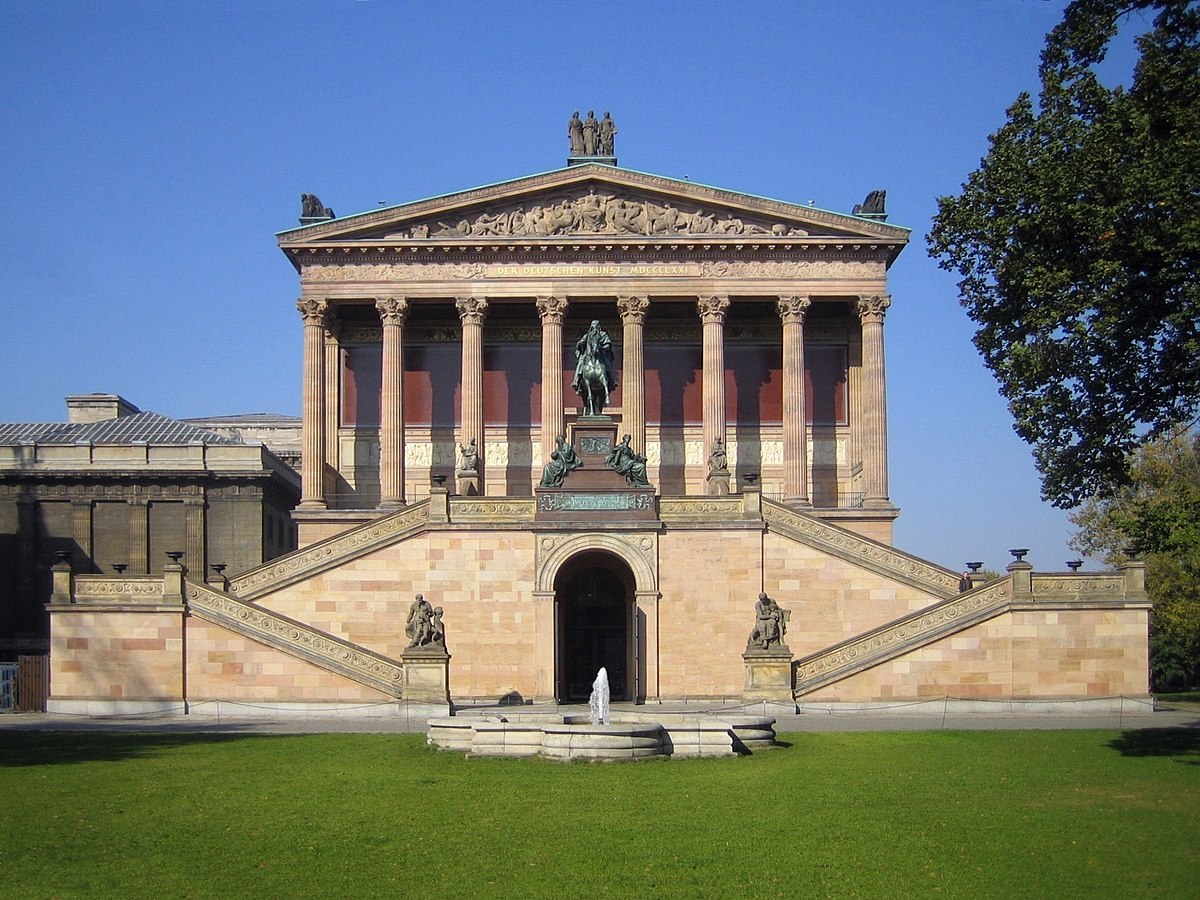
Alte Nationalgalerie
📍 Berlin, Germany
The Alte Nationalgalerie, an esteemed art museum located in Berlin’s Bezirk Mitte, is a cornerstone of cultural appreciation in Germany. This museum …