
Staatliche Kunstsammlungen Dresden
Overview
The Staatliche Kunstsammlungen Dresden represents a remarkable confluence of artistry and history, showcasing an extensive collection of fine art across a complex of 15 museums in Dresden, Germany. This prestigious institution is one of the oldest and most significant art collections in the world, housing masterpieces that span centuries and diverse cultures. The museum complex is located in the heart of Dresden, a city famed for its architectural beauty and cultural heritage, making it a must-visit destination for art enthusiasts and casual visitors alike.
As you explore the halls of the Staatliche Kunstsammlungen, you will encounter works by renowned artists, intricate decorative arts, and exhibitions that reflect the rich artistic legacy of Europe. The collection invites you to appreciate art’s power to inspire, provoke thought, and convey the complexities of human experience. Whether you are an aficionado of classical paintings or curious about contemporary installations, the museum promises an engaging and stimulating experience.
History and Significance
The Staatliche Kunstsammlungen Dresden has a storied history that traces back to the Enlightenment period, when the collection was established to promote education and cultural enrichment. Over the years, it has evolved into a major cultural institution, reflecting the tastes and aspirations of various rulers and patrons who recognized the importance of art in society. The collection encompasses a wide range of art forms, from paintings and sculptures to decorative arts, showcasing the evolution of artistic expression across different eras.
Dresden itself has played a pivotal role in German history, especially during the Renaissance and Baroque periods, when it was a center of culture and politics. The art collection grew significantly under the patronage of Saxon electors, particularly Augustus the Strong, who was instrumental in acquiring numerous works that would lay the foundation for the museum’s vast holdings. The devastation of WWII posed a significant threat to the collection, leading to extensive efforts to restore and preserve the art following the war’s end.
Today, the Staatliche Kunstsammlungen Dresden serves not only as a repository of art but also as a vibrant center for research, education, and public engagement. This cultural institution plays a crucial role in promoting understanding and appreciation of art, hosting exhibitions, lectures, and educational programs that resonate with visitors from all walks of life.
Architecture and Features
The architectural ensemble of the Staatliche Kunstsammlungen Dresden reflects the grandeur and elegance of its historical context. Each of the 15 museums showcases unique architectural styles, from Baroque to Neoclassical, harmonizing with the city’s overall aesthetic. One of the most iconic structures within the complex is the Zwinger Palace, a masterpiece of Baroque architecture that serves as the centerpiece of the collection.
Visitors will be drawn to the intricate façades, ornate detailing, and beautifully designed courtyards that characterize the Zwinger. Inside, the museum features spacious galleries with high ceilings, allowing art to be displayed in a manner that enhances the viewer’s experience. The interplay of light through large windows adds an ethereal quality to the artworks on display, creating an inviting atmosphere.
The museum complex also integrates modern facilities that cater to the needs of contemporary visitors. Interactive installations and engaging exhibition spaces have been thoughtfully incorporated, allowing for a dynamic experience that bridges the gap between historical and modern art.
Visiting Information
To fully immerse yourself in the experience of the Staatliche Kunstsammlungen Dresden, planning your visit is essential. The museum complex is conveniently located in the city center, easily accessible by various forms of public transport. Visitors can reach the site using trams, buses, or even on foot if staying nearby.
While the museum is open year-round, specific hours and ticket prices may vary, so it is advisable to check the official website for current information. On average, visitors should allocate several hours to explore the various museums and their extensive collections, with a potential full day recommended for those wishing to delve deeper into the exhibits.
The best times to visit are typically during weekdays, as weekends can attract larger crowds. Early mornings or late afternoons also tend to be quieter, providing a more intimate experience with the art.
Nearby Attractions
Dresden is rich in cultural landmarks, and a visit to the Staatliche Kunstsammlungen can be easily complemented by exploring the following nearby attractions:
- Frauenkirche: This stunning Lutheran church, with its iconic dome, is a symbol of Dresden’s resilience and offers breathtaking architecture and history.
- Dresden Castle: A historic palace that houses several museums and galleries, showcasing the city’s royal heritage and artistic treasures.
- Semper Opera House: Renowned for its opulent design and exceptional acoustics, this opera house is a cultural hub where visitors can enjoy world-class performances.
- Brühl’s Terrace: Often referred to as the “Balcony of Europe,” this promenade along the Elbe River offers scenic views and a relaxing atmosphere, perfect for a leisurely stroll.
- Pillnitz Palace and Park: A short distance from the city center, this beautiful palace complex is surrounded by gardens and offers a glimpse into the life of Saxon royalty.
Insider Tips
To make the most of your visit to the Staatliche Kunstsammlungen, consider these insider tips:
- Photography: While photography may be permitted in certain areas, be sure to check signage and guidelines to respect the artwork and other visitors.
- Crowd Avoidance: Aim to visit during the weekdays or early in the day to avoid peak crowds. This allows for a more serene experience while appreciating the art.
Practical Information
When preparing for your visit to the Staatliche Kunstsammlungen Dresden, consider the following practical tips:
- What to Bring: Comfortable walking shoes are recommended, as you will likely spend several hours exploring the museums. A small bag or backpack may be useful for personal items.
- Seasonal Considerations: The museum is open year-round, but seasonal weather can influence your experience. Check the forecast and dress accordingly, especially if you plan to explore the surrounding areas.
Frequently Asked Questions
How long should I spend visiting?
A visit can take anywhere from three hours to a full day, depending on your interest in the collections and exhibitions.
Is photography allowed?
Photography policies may vary. It is best to check for signage or guidelines in each museum to ensure compliance.
Are there guided tours?
Yes, guided tours may be available. Check the official website for details on scheduling and availability.
What’s the best time to visit?
Weekdays and early mornings typically see fewer crowds, making for a more pleasant experience.
Is it wheelchair accessible?
The museum complex aims to be accessible, but it is advisable to check the official website for detailed information on accessibility features.
Can I buy tickets online?
Yes, tickets can usually be purchased online. Check the official website for current options and pricing.
Are there restrooms and cafes?
Facilities such as restrooms and cafes are generally available on-site. Check the official website for specific locations within the complex.
What should I wear?
Comfortable clothing and shoes are recommended, as you will be walking and standing while enjoying the exhibits.
More in Saxony

6. Grundschule "Am Großen Garten"
📍 Saxony, Germany
The 6. Grundschule “Am Großen Garten” stands as a significant educational institution in Dresden, Germany, embodying the principles of early childhood …

Albertinum
📍 Saxony, Germany
Albertinum is a prominent art museum located in the heart of Dresden, Germany, serving as a significant cultural institution in the region. …

All Saints Church, Dresden
📍 Saxony, Germany
All Saints Church, located in the vibrant city of Dresden, Germany, is a remarkable church building that captures the essence of the region’s …

Altarstein (Saxon Switzerland)
📍 Saxony, Germany
Altarstein, located in the picturesque region of Saxon Switzerland, Germany, is a captivating monument that draws visitors into its historical …

Alte Nikolaischule (Leipzig)
📍 Saxony, Germany
Alte Nikolaischule, located in the heart of Leipzig, Germany, is a significant educational institution with a rich heritage. Founded as a school, it …
Alte Schulbrücke Oberbobritzsch
📍 Saxony, Germany
The Alte Schulbrücke Oberbobritzsch is a striking bridge situated in the Bobritzsch-Hilbersdorf region of Germany. This structure serves not only as a …
More Art Museums

Aachen Cathedral Treasury
📍 North Rhine-Westphalia, Germany
Aachen Cathedral Treasury, located in the historic city of Aachen, Germany, is a remarkable art museum that houses an impressive collection of …

Abteiberg Museum
📍 North Rhine-Westphalia, Germany
In the heart of Mönchengladbach, Germany, the Abteiberg Museum stands out as a prominent destination for art enthusiasts and cultural explorers alike. …

Akademisches Kunstmuseum
📍 North Rhine-Westphalia, Germany
In the heart of Bonn, Germany, lies the Akademisches Kunstmuseum, an art museum that invites visitors to explore a diverse collection of artworks …
Albertinum
📍 Saxony, Germany
Albertinum is a prominent art museum located in the heart of Dresden, Germany, serving as a significant cultural institution in the region. …

Albrecht Dürer's House
📍 Bavaria, Germany
Albrecht Dürer’s House stands as a significant cultural landmark in Nuremberg, Germany, celebrating the life and work of one of the Renaissance’s most …
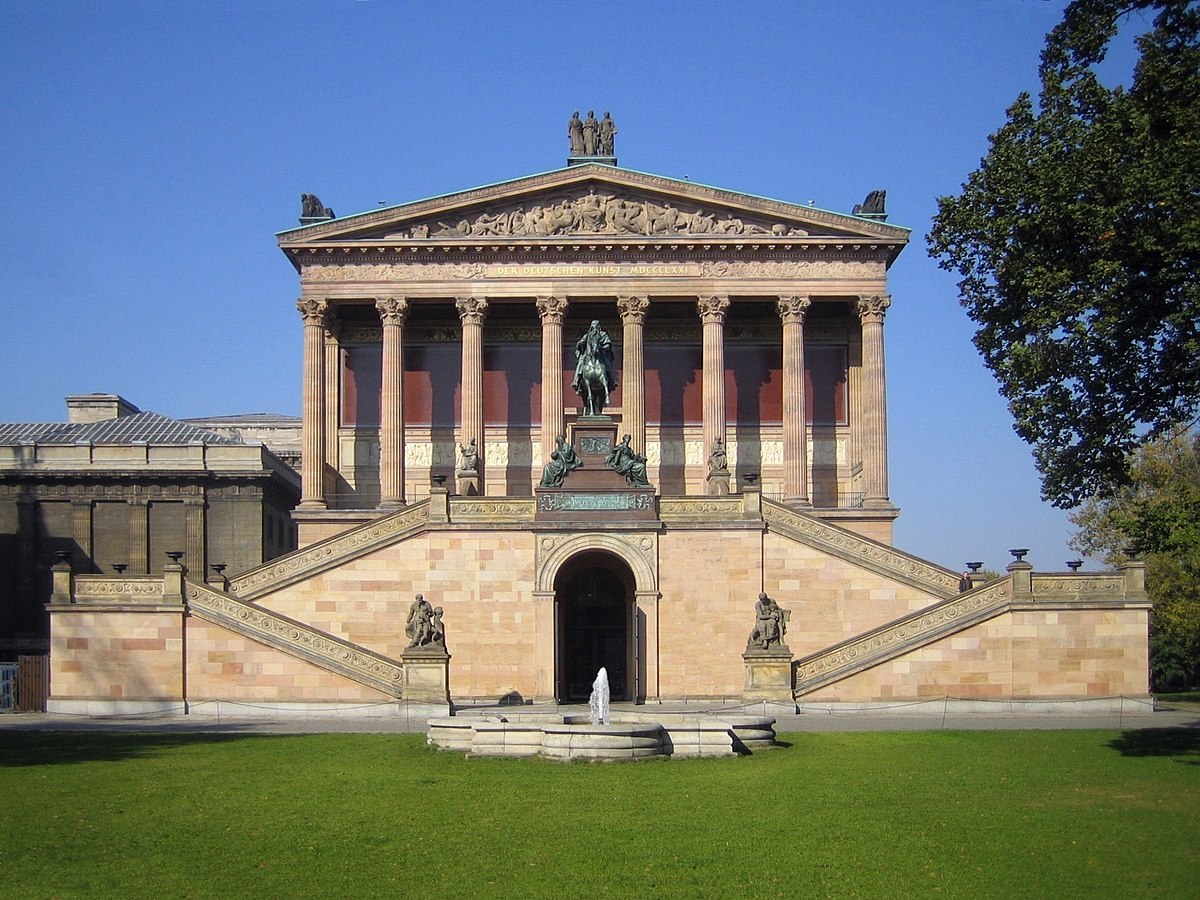
Alte Nationalgalerie
📍 Berlin, Germany
The Alte Nationalgalerie, an esteemed art museum located in Berlin’s Bezirk Mitte, is a cornerstone of cultural appreciation in Germany. This museum …