Staatliche Kunsthalle Berlin
Overview
Staatliche Kunsthalle Berlin, situated in the vibrant heart of Berlin, is a distinguished art museum that played a pivotal role in the German art scene from its establishment in the late 20th century until its closure in the early 1990s. This cultural institution served as a showcase for contemporary art and was a vital space for artistic expression during a transformative period in German history. Although it is no longer operational, its legacy and the significant exhibitions held within its walls continue to resonate within the art community.
The museum’s location in Berlin, a city known for its dynamic arts and culture, further emphasizes its significance. The capital has long been a hub for artists, thinkers, and creators, making the Kunsthalle a fitting part of this rich environment. Visitors to Berlin often seek to immerse themselves in its diverse artistic offerings, and while the Staatliche Kunsthalle is no longer an active venue, it remains a point of interest for those wishing to understand the evolution of art in Germany during the late 20th century.
As you explore the various cultural offerings in Berlin, the history of Staatliche Kunsthalle Berlin serves as an important chapter in the city’s artistic narrative, offering insights into the changing landscape of art and society during its operational years.
History and Significance
The Staatliche Kunsthalle Berlin was inaugurated in 1977, serving as a prominent venue for contemporary art until its closure in 1993. The museum was established during a period marked by significant cultural and political shifts in Germany, particularly in the wake of the reunification of East and West Berlin. As an art museum, it was dedicated to showcasing modern and contemporary works, providing a platform for both established and emerging artists.
During its years of operation, the Kunsthalle hosted a variety of significant exhibitions that highlighted the evolving nature of artistic expression in the 20th century. It became known for its commitment to innovative projects and for fostering dialogue among artists, critics, and the public. The museum played a crucial role in promoting contemporary art movements and was instrumental in supporting local artists, making it a vital component of Berlin’s cultural landscape.
The closure of Staatliche Kunsthalle Berlin in 1993 marked the end of an era but also paved the way for new institutions and galleries to emerge in the city. While the museum itself is no longer active, its impact on the art scene in Berlin continues to be felt. The exhibitions and events that took place within its walls contributed to the broader discourse on art in Germany and helped shape the trajectory of contemporary art during a time of significant change.
Architecture and Features
The architectural design of Staatliche Kunsthalle Berlin reflected the modernist ideals of the late 20th century, with a focus on functionality and minimalism. Although specific architectural details are not extensively documented, the museum was characterized by its spacious galleries that provided ample room for displaying a diverse range of artworks. The layout facilitated a fluid movement through the exhibitions, allowing visitors to engage with the art in an immersive environment.
Notable features of the museum included its versatile exhibition spaces, which were designed to accommodate a variety of installations and artistic expressions. The interior was conducive to showcasing both large-scale works and more intimate pieces, creating a dynamic viewing experience. The museum’s design emphasized the relationship between the art and the viewer, encouraging interaction and contemplation.
Though the Staatliche Kunsthalle is no longer in operation, its architectural significance remains part of Berlin’s rich cultural narrative. The museum was situated in a region that has undergone numerous transformations, reflecting the city’s resilience and adaptability. Its design and purpose served as a microcosm of the broader changes occurring in Berlin, making it an integral part of the city’s artistic heritage.
Visiting Information
While the Staatliche Kunsthalle Berlin is no longer open to the public, its historical significance makes it an interesting location for those exploring Berlin’s art scene. The museum’s former site may still attract visitors interested in the history of contemporary art in Germany. To get there, public transport options are available throughout the city, including buses and trains that connect to various points of interest in Berlin.
For those planning a visit to explore the artistic landscape of Berlin, it is advisable to check the official website for current information regarding any events or exhibitions that may commemorate the museum’s legacy. While the Staatliche Kunsthalle itself is not operational, the surrounding area is rich with cultural institutions and galleries that continue to thrive.
When visiting art museums and galleries in Berlin, it is recommended to allow a few hours to fully appreciate the offerings. Early mornings or late afternoons are often less crowded, providing a more relaxed experience for art enthusiasts.
Nearby Attractions
While the Staatliche Kunsthalle Berlin is no longer operational, several nearby attractions enhance the cultural experience in the city:
Berlinische Galerie: This modern art museum focuses on contemporary art, photography, and architecture, showcasing works from Berlin-based artists and beyond.
Museum für Naturkunde: The Natural History Museum offers fascinating exhibits on the natural world, including impressive dinosaur skeletons and extensive collections.
Jewish Museum Berlin: This museum explores Jewish history in Germany through innovative exhibitions and architectural design, providing a profound insight into the cultural legacy.
Topography of Terror: A documentation center located on the site of the former Gestapo headquarters, offering exhibitions about the history of the Nazi regime.
Potsdamer Platz: A bustling square known for its modern architecture, shops, cinemas, and restaurants, perfect for a break after a day of exploring.
Insider Tips
For visitors interested in capturing the essence of Berlin’s art scene, photography is often encouraged in museums, but it is best to check the specific rules of each location. When visiting popular attractions, try to arrive early or later in the day to avoid larger crowds. This timing allows for a more intimate experience with the art and the space itself.
If you are keen on exploring the legacy of the Kunsthalle, consider combining your visit with nearby galleries and museums that reflect the dynamic art culture of Berlin. Engaging with local art communities through exhibitions and events can provide additional layers of understanding and appreciation for the city’s artistic heritage.
Practical Information
When planning a visit to Berlin’s art venues, it is advisable to bring a small bag for personal items, as many museums have restrictions on larger bags. Comfortable walking shoes are recommended, as exploring the city often involves substantial walking. Seasonal considerations are also important; spring and fall provide mild weather ideal for exploring outdoor spaces and cultural sites.
As the Staatliche Kunsthalle is no longer operational, keep an eye out for any commemorative events or exhibitions that may occur in its honor. These events provide an opportunity to engage with the history and impact of the museum, while also enjoying the broader artistic offerings in Berlin.
Frequently Asked Questions
How long should I spend visiting?
While the Staatliche Kunsthalle is not active, exploring other nearby art venues can take anywhere from a couple of hours to a full day, depending on your interest level.
Is photography allowed?
Photography policies vary by museum, so it is advisable to check the specific rules of each location you visit.
Are there guided tours?
Guided tours may be available at other museums in Berlin. It’s a good idea to check their official websites for offerings.
What’s the best time to visit?
Early mornings or late afternoons are often less crowded, providing a more enjoyable experience.
Is it wheelchair accessible?
Most modern museums in Berlin are accessible, but it’s best to check the specific access information for each venue.
Can I buy tickets online?
Online ticket purchasing is common for many museums in Berlin; check individual museum websites for availability.
Are there restrooms and cafes?
Most major museums offer restrooms and cafes, but it’s wise to verify these amenities on their respective websites.
What should I wear?
Dress comfortably for walking, and consider the weather when planning your attire, as Berlin experiences a range of seasonal conditions.
More in Berlin

144., 176. und 184. Gemeindeschule
📍 Berlin, Germany
The 144., 176. und 184. Gemeindeschule, an architectural ensemble located in the vibrant city of Berlin, stands as a noteworthy example of educational …

Academy of Arts (Hanseatenweg)
📍 Berlin, Germany
The Academy of Arts (Hanseatenweg) stands as an emblem of Berlin’s vibrant cultural landscape, located in the historic Hansaviertel district. Renowned …

Academy of Arts, Berlin
📍 Berlin, Germany
The Academy of Arts in Berlin is not just a museum; it is a prominent national institution dedicated to the advancement of the arts in Germany. …

Academy of the Konrad-Adenauer-Stiftung
📍 Berlin, Germany
The Academy of the Konrad-Adenauer-Stiftung, located in the heart of Berlin, is not just a foundation but a hub of intellectual discourse and …

ACUD
📍 Berlin, Germany
Located in the heart of Berlin’s Bezirk Mitte, ACUD serves as a vibrant cultural center and cinema, showcasing an array of films and events that …

Admiralspalast
📍 Berlin, Germany
Admiralspalast is a prominent theatre and event venue located in the heart of Berlin, Germany. This architectural gem serves as a cultural hub, …
More Art Museums

Aachen Cathedral Treasury
📍 North Rhine-Westphalia, Germany
Aachen Cathedral Treasury, located in the historic city of Aachen, Germany, is a remarkable art museum that houses an impressive collection of …

Abteiberg Museum
📍 North Rhine-Westphalia, Germany
In the heart of Mönchengladbach, Germany, the Abteiberg Museum stands out as a prominent destination for art enthusiasts and cultural explorers alike. …

Akademisches Kunstmuseum
📍 North Rhine-Westphalia, Germany
In the heart of Bonn, Germany, lies the Akademisches Kunstmuseum, an art museum that invites visitors to explore a diverse collection of artworks …

Albertinum
📍 Saxony, Germany
Albertinum is a prominent art museum located in the heart of Dresden, Germany, serving as a significant cultural institution in the region. …

Albrecht Dürer's House
📍 Bavaria, Germany
Albrecht Dürer’s House stands as a significant cultural landmark in Nuremberg, Germany, celebrating the life and work of one of the Renaissance’s most …
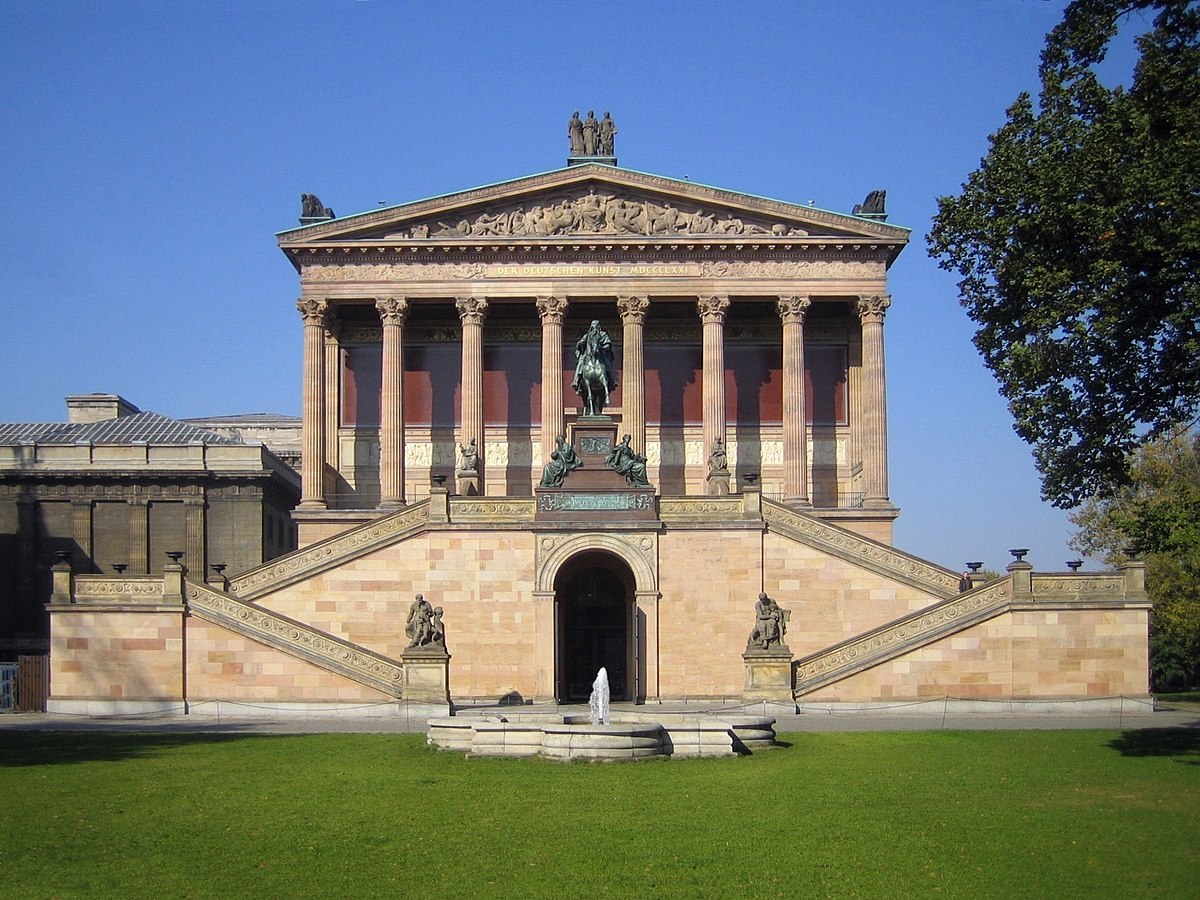
Alte Nationalgalerie
📍 Berlin, Germany
The Alte Nationalgalerie, an esteemed art museum located in Berlin’s Bezirk Mitte, is a cornerstone of cultural appreciation in Germany. This museum …