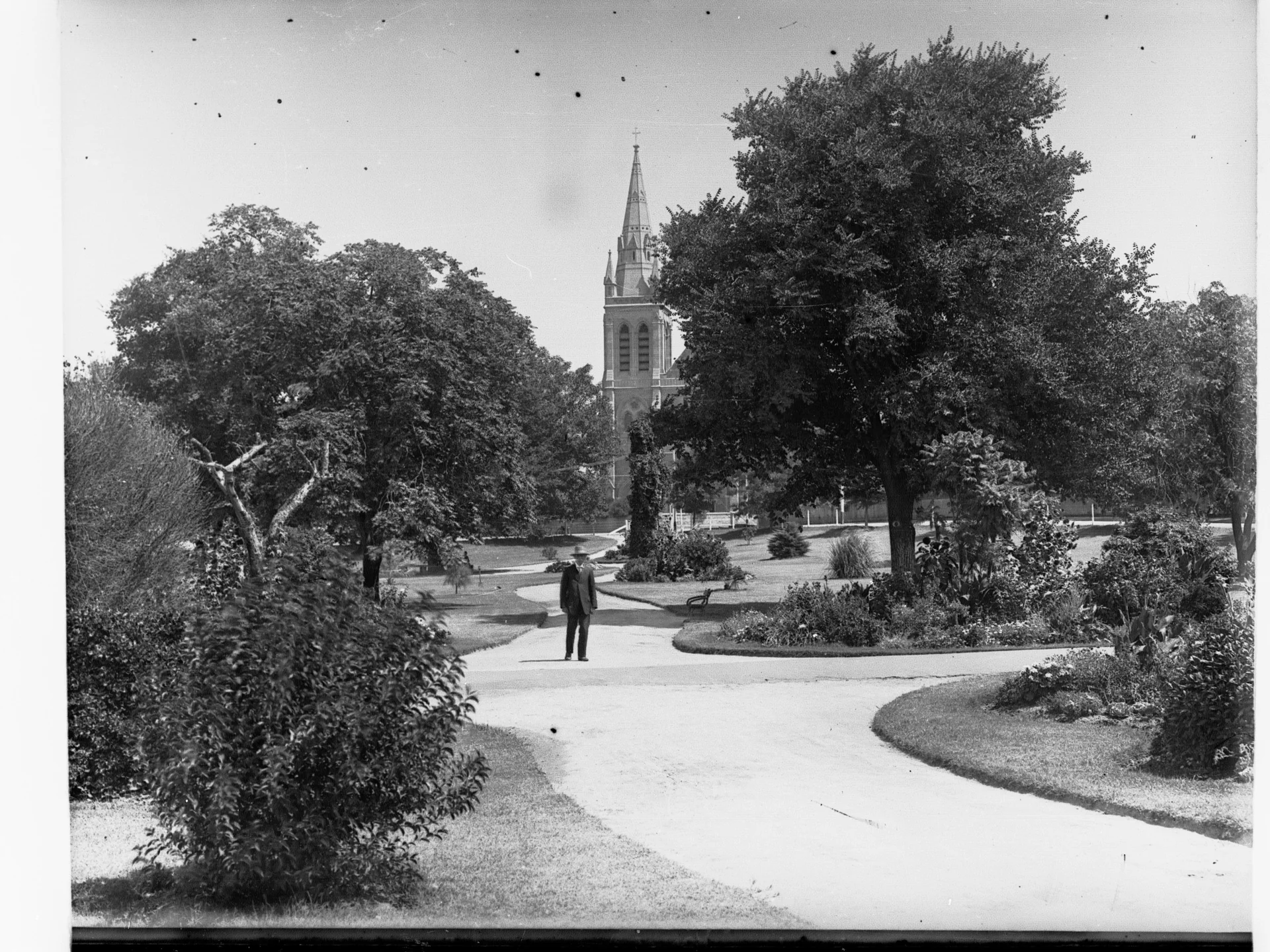
St. Peters Cathedral
Overview
St. Peter’s Cathedral, a striking example of Romanesque architecture, stands as a central figure in the religious landscape of Osnabrück, Germany. Founded in 0701, this cathedral serves as the mother church of the Roman Catholic Diocese of Osnabrück. Its impressive sandstone façade captures the attention of passersby, inviting them to explore its rich heritage and spiritual significance.
Osnabrück, located in the Lower Saxony region, is characterized by a blend of urban vibrancy and serene landscapes. The cathedral’s presence adds a historic depth to the area, making it a must-visit for those interested in architecture, history, or spirituality. As you step inside, you’ll discover a space that resonates with centuries of faith and artistry, offering an immersive experience that connects visitors to the past.
Your visit to St. Peter’s Cathedral promises a journey through its sacred halls, where you can appreciate the intricate design, learn about its storied past, and reflect in its tranquil atmosphere.
History and Significance
Founded in the early 8th century, St. Peter’s Cathedral has played a pivotal role in the religious life of Osnabrück and beyond. Its establishment marks an important moment in the region’s Christian history, as it became a focal point for worship and community gatherings over the centuries. The cathedral has witnessed numerous transformations, reflecting both the spiritual evolution of its congregation and the architectural trends of its time.
The cathedral’s historical significance extends to its architectural style. Built primarily in sandstone, it exhibits characteristics typical of Romanesque architecture. This style is known for its robust structure, rounded arches, and thick walls, which convey a sense of permanence and strength. As such, St. Peter’s Cathedral not only serves as a place of worship but also as an enduring symbol of the Roman Catholic faith in the region.
While specific events and figures are not detailed in the available data, it is clear that St. Peter’s Cathedral remains an essential landmark in Osnabrück’s cultural and religious landscape. Its long-standing presence continues to attract visitors and pilgrims alike, who come to appreciate its architectural beauty and spiritual ambiance.
Architecture and Features
St. Peter’s Cathedral exemplifies Romanesque architecture with its solid sandstone construction. The cathedral’s design features rounded arches and thick walls that evoke a sense of stability and strength typical of this architectural style. Visitors can admire the cathedral’s well-proportioned structure, which reflects the aesthetic principles of its time.
One notable aspect of St. Peter’s Cathedral is its intricate detailing found in various elements of its facade and interior spaces. These details enhance the overall visual appeal, inviting exploration and contemplation. Although specific measurements or dimensions are not provided, the cathedral’s grandeur is evident as it dominates the skyline of Osnabrück.
Inside, the atmosphere is imbued with reverence and tranquility. The use of light filtering through stained glass windows creates a captivating play of colors that enhances the spiritual experience within. Visitors are encouraged to take their time exploring the various chapels and altars that adorn the interior.
Visiting Information
When planning your visit to St. Peter’s Cathedral, consider various transport options available in the Osnabrück area. The cathedral is accessible via local public transportation systems, making it convenient for travelers to reach this historic site.
For specific visiting hours and admission prices, check the official website for current opening hours and prices. Expect to spend around one to two hours exploring the cathedral’s interior and appreciating its architectural features.
The best times to visit are typically in the morning when crowds are fewer, allowing for a more intimate experience as you wander through its sacred spaces. Spring and fall often provide mild weather that enhances your visit.
Accessibility features are important for visitors with mobility concerns; it is advisable to contact the site directly for the latest information regarding accessibility options.
Nearby Attractions
After visiting St. Peter’s Cathedral, consider exploring these nearby attractions that further enrich your experience in Osnabrück:
Osnabrück Castle: This historic castle offers insight into the region’s past and features beautiful gardens perfect for leisurely strolls.
Museum am Schölerberg: This natural history museum provides engaging exhibits about local wildlife and ecosystems, appealing to families and nature enthusiasts alike.
Botanischer Garten: A peaceful botanical garden where you can enjoy various plant species from around the world, ideal for a quiet retreat after your visit to the cathedral.
These attractions collectively highlight Osnabrück’s cultural richness and provide a well-rounded itinerary for visitors.
Insider Tips
To make the most of your visit to St. Peter’s Cathedral, consider these insider tips:
Best Photography Spots: Capture stunning photos from outside the cathedral during golden hour when the light casts a warm glow on the sandstone facade.
Lesser-Known Details: Pay attention to the intricate carvings around doorways and columns; these often tell stories related to biblical themes or local legends.
Avoiding Crowds: Visiting during weekdays or early in the morning can help you avoid larger tour groups.
Local Tips: Engage with staff or volunteers who can provide insights into lesser-known aspects of the cathedral’s history or architecture.
Practical Information
For a smooth visit to St. Peter’s Cathedral, keep these practical details in mind:
What to Bring: Dress comfortably and respectfully; consider bringing a camera for photography.
Seasonal Considerations: Be aware that weather can vary; check forecasts before your visit to dress appropriately.
Contact Information: For specific inquiries or updates regarding your visit, contact the site directly for the latest information.
Frequently Asked Questions
How long should I spend visiting?
You should plan to spend about one to two hours at St. Peter’s Cathedral to fully appreciate its architecture and atmosphere.
Is photography allowed inside?
While photography is generally permitted inside St. Peter’s Cathedral, it’s always best to be respectful of worshippers and check for any specific restrictions during services.
Are there guided tours available?
For detailed insights into St. Peter’s Cathedral’s history and architecture, inquire about guided tours upon your arrival or check their official website for any scheduled tours.
What’s the best time of day to visit?
Morning visits are recommended for fewer crowds and a more tranquil experience within the cathedral.
Is the site wheelchair accessible?
For information regarding accessibility options at St. Peter’s Cathedral, contact the site directly for the latest information.
Can I buy tickets online?
Check the official website for current admission prices and whether online ticket purchasing is available.
Are there facilities like restrooms and cafes?
Facilities such as restrooms may be available on-site; however, it’s advisable to check with the cathedral staff for specific amenities.
What should I wear when visiting?
Visitors are encouraged to dress modestly out of respect for the religious significance of St. Peter’s Cathedral.
Your journey to St. Peter’s Cathedral will undoubtedly be enriched by its historical significance, architectural beauty, and serene atmosphere—making it an unforgettable stop on your travels through Osnabrück.
Photo Gallery


More in North Rhine-Westphalia

Aachen Cathedral
📍 North Rhine-Westphalia
Imagine standing before a structure that has witnessed over a millennium of history, its majestic silhouette dominating the skyline of Aachen, Germany. ...

Cologne Cathedral
📍 North Rhine-Westphalia
The Cologne Cathedral, or Kölner Dom, is an architectural marvel that captivates millions of visitors each year. Towering at 157 meters, it is the talle...
Alexandra-Kirche
📍 North Rhine-Westphalia
The Alexandra-Kirche, a striking example of Byzantine architecture, stands proudly in the heart of Bad Ems, a charming town in Rhineland-Palatinate, Ger...
Alt St. Alban
📍 North Rhine-Westphalia
In the heart of Colognes Altstadt-Nord district, Alt St. Alban emerges as a striking example of Gothic architecture, offering a glimpse into the region’...