St. Pauls ChurchFrankfurt am Main
Overview
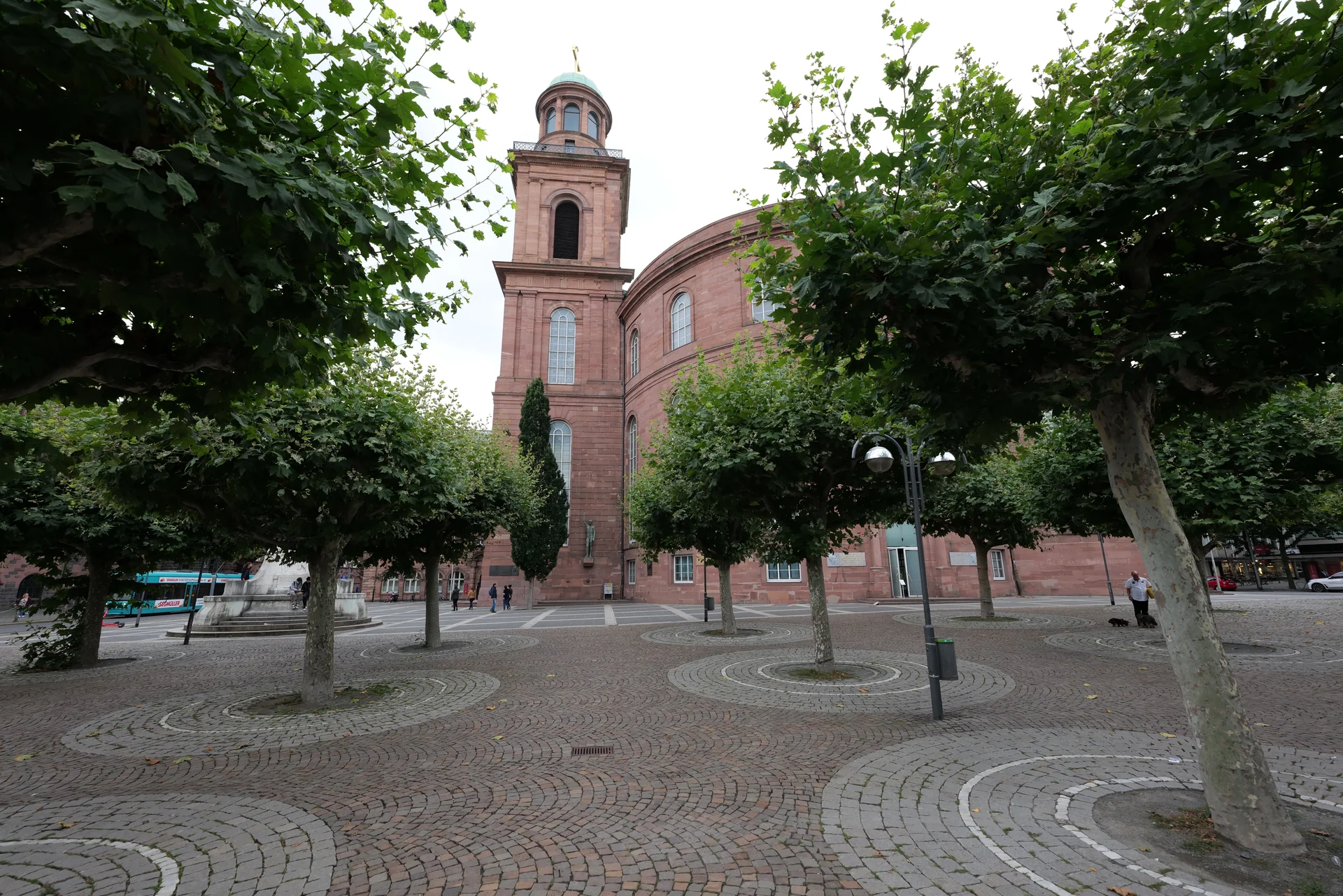
St. Paul’s Church in Frankfurt am Main is a striking example of Neoclassical architecture, captivating visitors with its elegant design and rich historical significance. Founded in 1833, this church has played an essential role in the cultural and religious landscape of the city. As you approach the building, you can’t help but notice its commanding presence, rising 55 meters high and constructed from sandstone, which adds to its grandeur.
Located in the heart of Frankfurt-Innenstadt I, St. Paul’s Church stands as a prominent landmark amid the bustling urban environment. The surrounding landscape is characterized by a blend of modern architecture and historical buildings, providing a unique backdrop for this heritage site.
This church matters not just for its architectural beauty but also for its historical role in the Lutheran community and its significance in the political history of Germany. Visitors will discover a place where faith and civic duty intertwine, reflected in the church’s use as a venue for important political events over the years. Whether you’re drawn by its architectural features or its rich history, St. Paul’s Church offers a multifaceted experience that resonates with both locals and tourists alike.
History and Significance
St. Paul’s Church was founded in 1833, a time when Frankfurt was emerging as a center of trade and culture. Designed by architect Johann Friedrich Christian Hess, the church has become an iconic symbol within the city. Over the years, it has served not only as a place of worship for the Lutheran community but also as a significant venue for political gatherings, especially during the period of German unification.
The church’s historical importance is underscored by its role in the Frankfurt Parliament of 1848, which marked one of the first attempts to establish a unified German nation-state. This assembly was notable for its progressive ideals and discussions about democracy and civil rights. Thus, St. Paul’s Church has witnessed pivotal moments in German history, making it a site of national significance.
While the architectural style reflects Neoclassical influences, the church’s interior is equally noteworthy, featuring elements that highlight its Lutheran heritage. The building’s design and purpose have evolved over time, adapting to the changing needs of the community while maintaining its core identity.
Architecture and Features
St. Paul’s Church is a remarkable example of Neoclassical architecture characterized by its grand proportions and symmetrical design. At a height of 55 meters, the church’s silhouette commands attention against the Frankfurt skyline. The use of sandstone in its construction gives the building a warm hue that changes throughout the day, creating a visually engaging experience for visitors.
As you approach St. Paul’s Church, you’ll notice its imposing façade adorned with classical columns and detailed embellishments that reflect the architectural style of the period. The entrance is framed by an elegant portico, inviting visitors to explore further. Inside, the spacious nave is designed to accommodate worshippers while also serving as a venue for significant gatherings and events.
The interior features intricate details that enhance its spiritual atmosphere, including stained glass windows that filter light into vibrant colors throughout the space. Visitors should take their time to appreciate these artistic elements, which add depth to the church’s overall aesthetic.
Visiting Information
Getting to St. Paul’s Church is convenient due to its central location in Frankfurt-Innenstadt I. The area is well-served by public transport options, including trams and buses, allowing easy access for visitors.
Hours: Check the official website for current opening hours.
Prices: Visit the official website for current admission prices.
When visiting St. Paul’s Church, expect an enriching experience that combines spirituality with historical insight. The church typically requires 1-2 hours for exploration, allowing ample time to appreciate both its architecture and significance.
The best times to visit are during the morning hours when crowds are lighter, and spring or fall seasons often provide pleasant weather for your outing. Accessibility considerations are important; be sure to check if there are any specific arrangements for visitors with mobility challenges.
Nearby Attractions
While visiting St. Paul’s Church, consider exploring some nearby attractions that add to your cultural experience:
- Römer: This historic building serves as Frankfurt’s city hall and is known for its picturesque façade and rich history.
- Frankfurt Cathedral: A short walk away, this Gothic structure offers stunning architecture and breathtaking views from its tower.
- Städel Museum: An art museum housing an impressive collection of European masterpieces from the Middle Ages to contemporary art.
- Palmengarten: A beautiful botanical garden where you can enjoy nature and relax amidst exotic plants and flowers.
- Old Opera House (Alte Oper): A former opera house turned concert hall, notable for its impressive architecture and cultural performances.
Each of these sites enhances your visit to Frankfurt, offering diverse experiences that complement your exploration of St. Paul’s Church.
Insider Tips
To make the most of your visit to St. Paul’s Church:
- Photography Spots: Capture stunning photos from various angles outside the church, especially during golden hour when the sandstone glows warmly.
- Lesser-Known Details: Pay attention to the intricate details on the columns and door frames; these often go unnoticed but add character to the building.
- Avoiding Crowds: Visiting during weekdays or early in the morning can help you enjoy a quieter experience.
- Local Tips: After your visit, consider enjoying coffee or lunch at a nearby café to soak in more of Frankfurt’s vibrant atmosphere.
Practical Information
When planning your visit to St. Paul’s Church:
- What to Bring: Comfortable walking shoes are recommended since you may want to explore the surrounding area after visiting the church.
- Seasonal Considerations: If visiting in winter, dress warmly as temperatures can drop significantly; summer months may require lighter clothing but also sunscreen due to outdoor activities.
For a fulfilling experience, take note of these practical tips to ensure your visit runs smoothly.
Frequently Asked Questions
How long should I spend visiting?
You should plan to spend about 1-2 hours at St. Paul’s Church to fully appreciate both its architectural beauty and historical significance.
Is photography allowed inside?
Photography is typically allowed inside St. Paul’s Church; however, it’s respectful to check for any specific guidelines upon arrival.
Are there guided tours available?
Check with local tourism services or the official website for information regarding guided tours or audio guides that may enhance your visit.
What’s the best time of day to visit?
Morning visits are often ideal due to fewer crowds, allowing you more space to explore and reflect on the site’s significance.
Is the site wheelchair accessible?
Contact the site directly for the latest information on accessibility options available at St. Paul’s Church.
Can I buy tickets online?
For current admission prices and ticket purchasing options, visit the official website before your visit.
Are there facilities like restrooms and cafes?
Check with local resources for information on nearby facilities such as restrooms and cafes before your visit.
What should I wear when visiting?
Dress comfortably while keeping in mind that this is a place of worship; modest attire is recommended out of respect for local customs.
St. Paul’s Church in Frankfurt am Main offers not just an opportunity for reflection but also a deeper understanding of Germany’s cultural fabric. Your visit here promises to be both enriching and memorable.
Photo Gallery


Location
More in Hesse
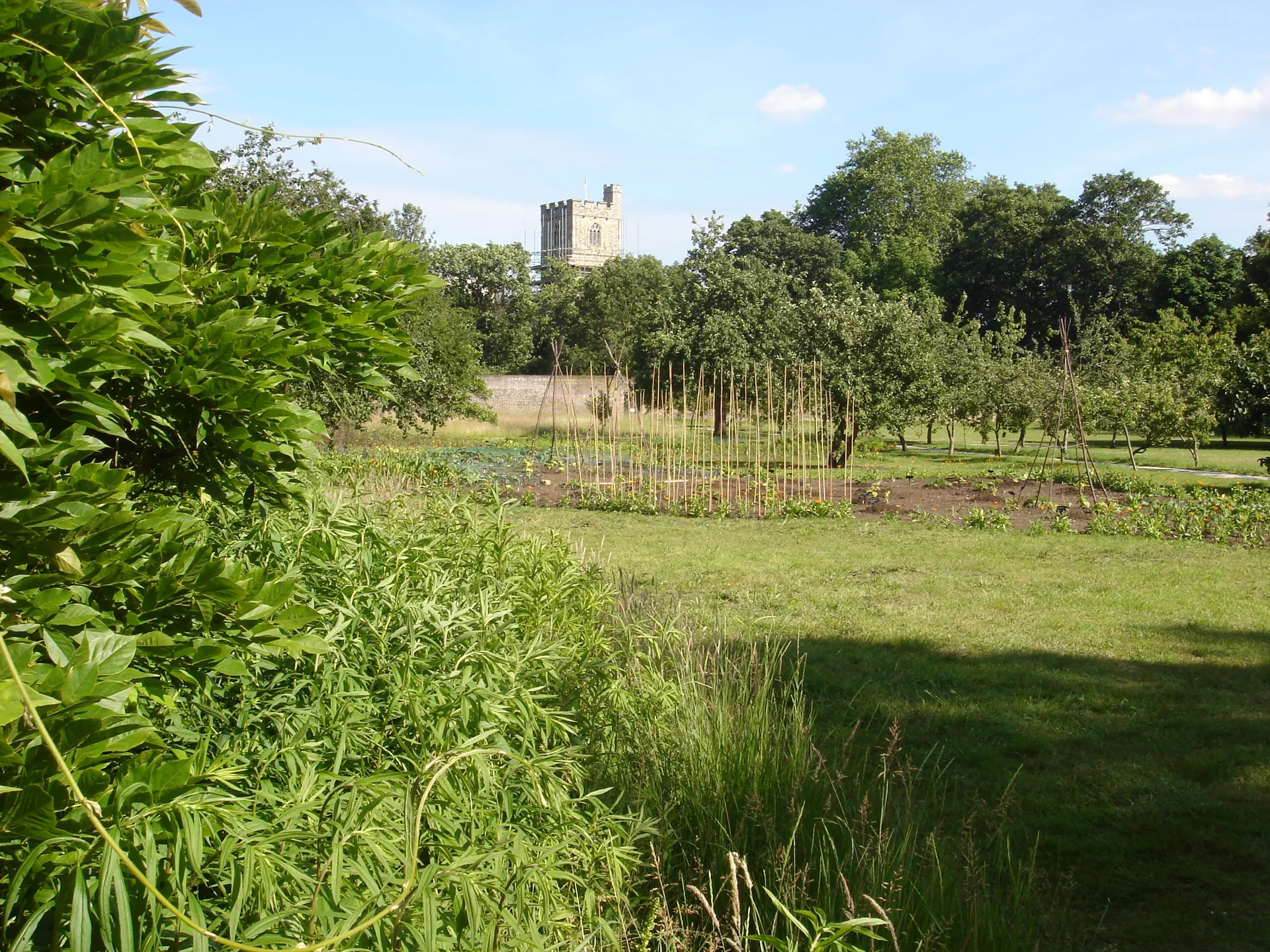
All Saints Church
📍 Hesse
In the heart of Frankfurt am Main lies All Saints Church, a modernist Roman Catholic church that captures the spirit of contemporary ecclesiastical arch...
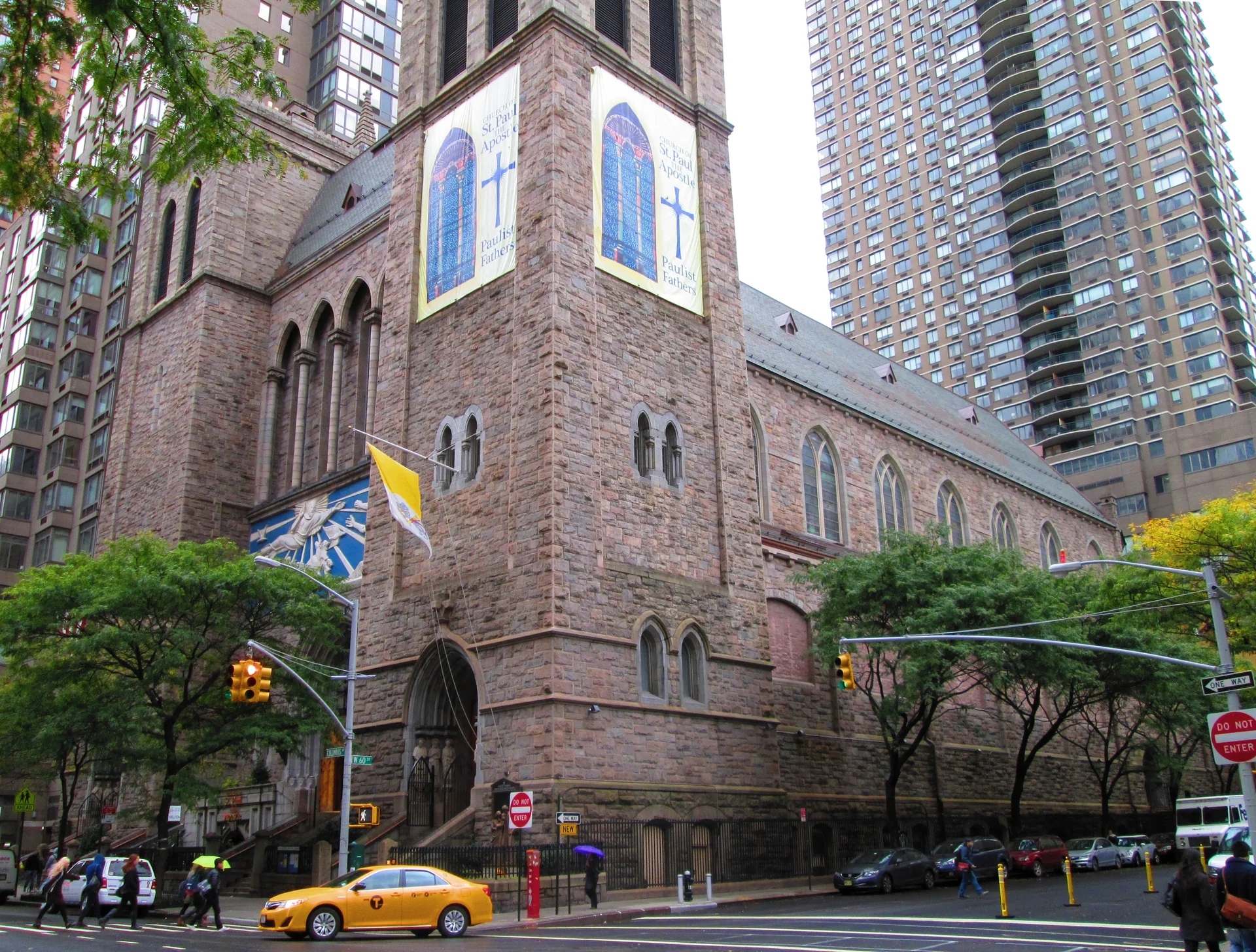
Apostle church
📍 Hesse
In the heart of Ludwigshafen, the Apostle Church stands as a striking example of Gothic Revival architecture, capturing the attention of both worshipper...
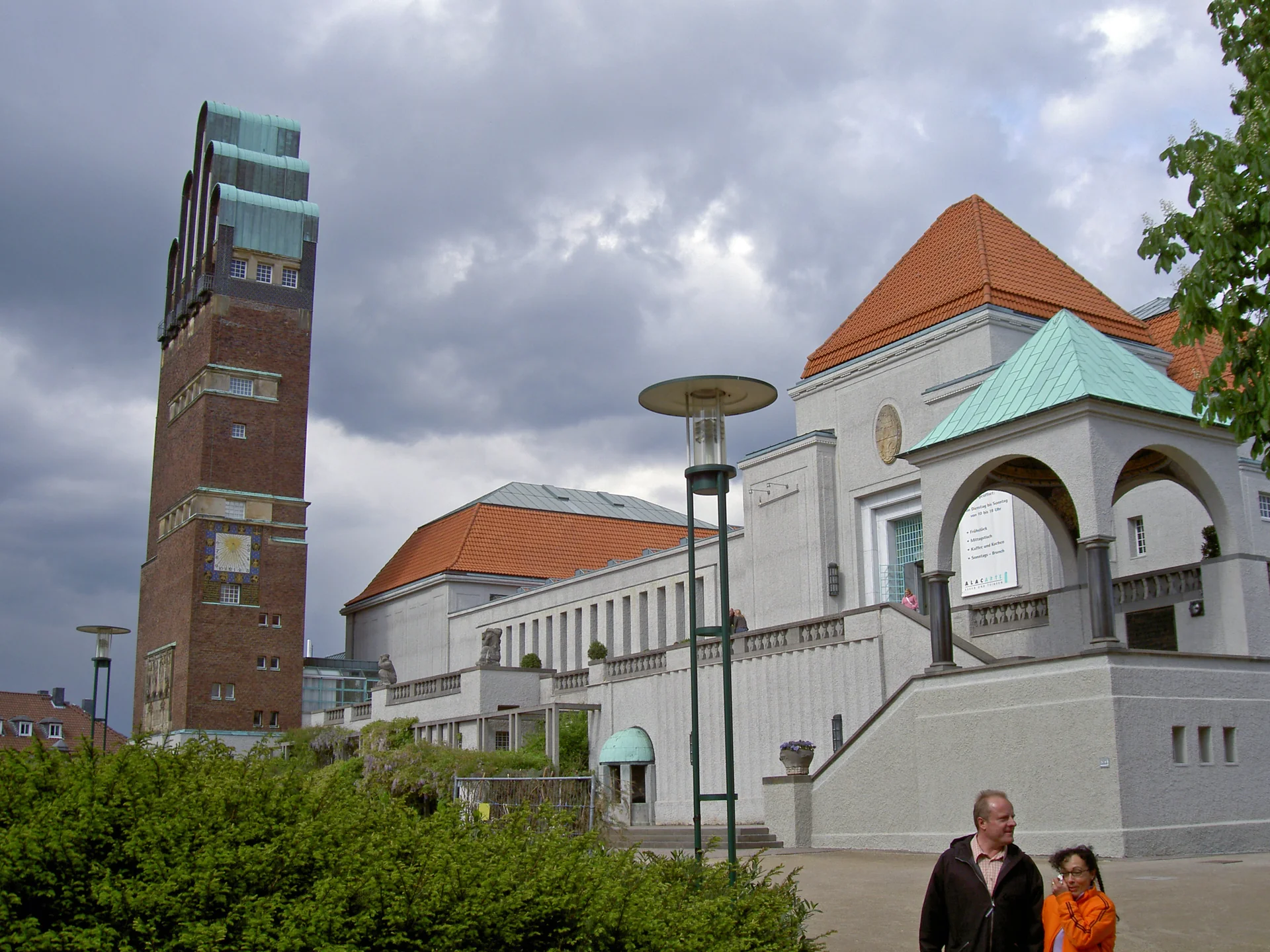
Artists Colony in Darmstadt
📍 Hesse
The Artists Colony in Darmstadt, a UNESCO World Heritage Site, presents a compelling glimpse into the artistic movements of the late 19th and early 20th...
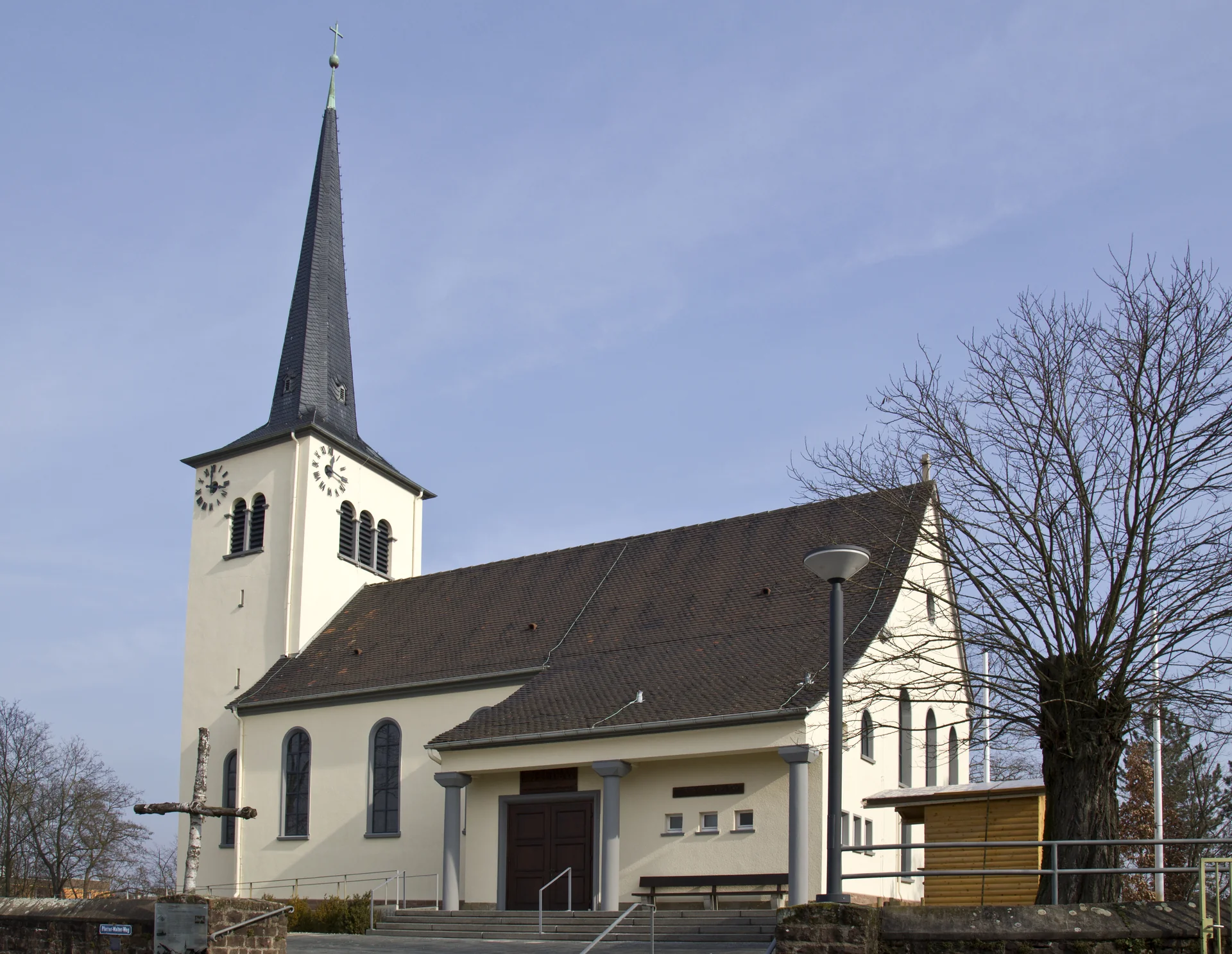
Auferstehungskirche (Mannheim)
📍 Hesse
Imagine stepping into a space where modern design meets spiritual serenity. The Auferstehungskirche, or Resurrection Church, located in Mannheim, German...