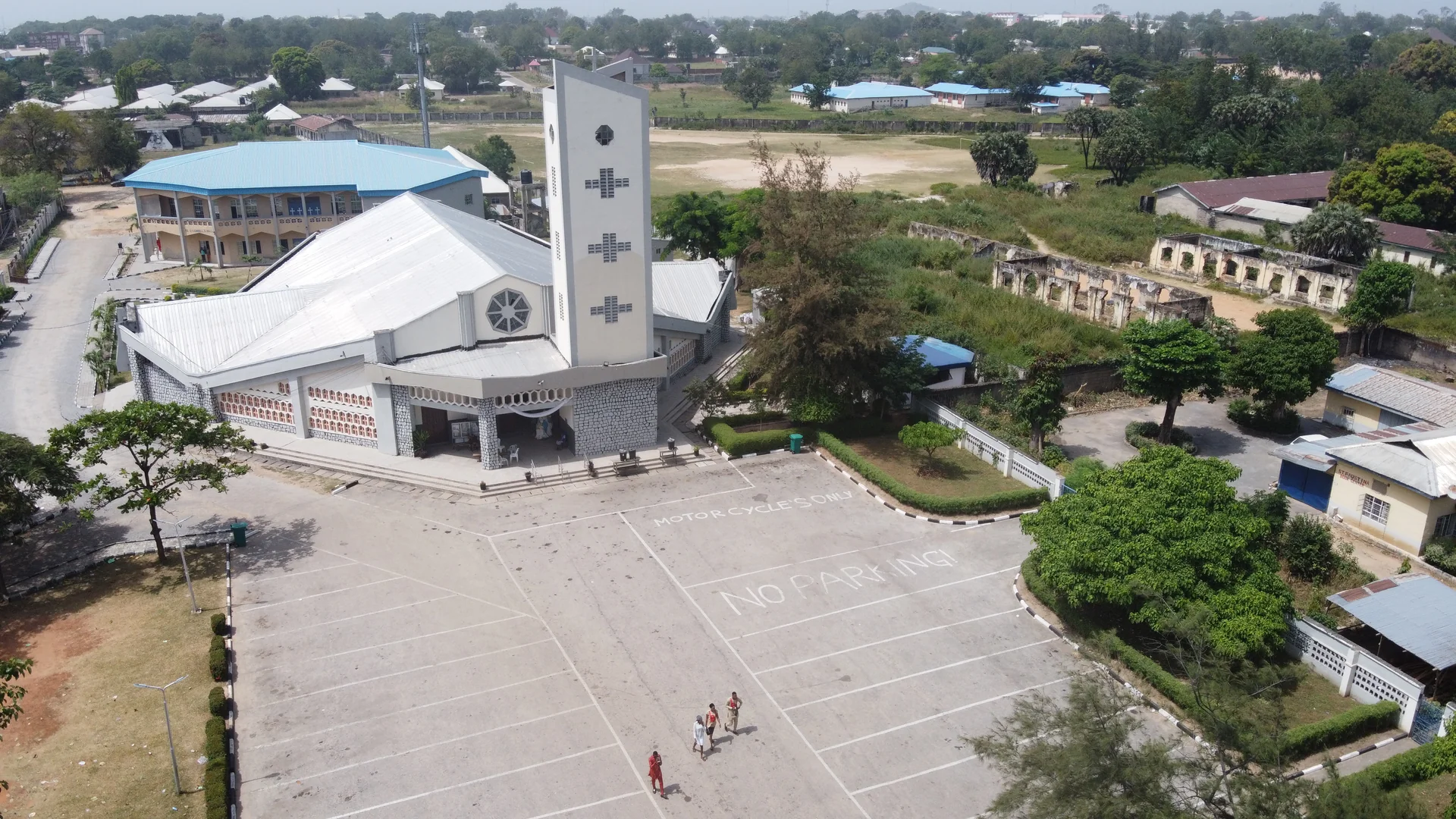
St. Michaels Church
Overview
St. Michael’s Church, a remarkable example of Romanesque architecture, stands as a historical landmark in Hildesheim, Germany. Founded in 1010, this church draws visitors not only for its architectural beauty but also for its rich history intertwined with the cultural fabric of the region. As you approach the site, you are greeted by a structure that has witnessed centuries of transformation and faith, offering a tangible connection to the past.
Located in the heart of Hildesheim, the church is surrounded by a landscape that reflects the area’s historical significance. The impressive design of St. Michael’s Church is complemented by its serene surroundings, inviting exploration and contemplation. This site matters not just for its architectural style but also for its role in the development of the Lutheran faith in the region.
During your visit, you will discover intricate details of the church’s design, learn about its founding by Bernward of Hildesheim, and appreciate the ongoing legacy of a structure that has been central to local worship and community life for over a millennium.
History and Significance
St. Michael’s Church was founded in 1010, marking it as one of the oldest ecclesiastical buildings in the region. The architect behind this enduring structure was Bernward of Hildesheim, who played a crucial role in shaping the architectural landscape of the area during his time. The church’s establishment was significant not only for its architectural merit but also for its role in promoting Lutheranism in Hildesheim.
Over the centuries, St. Michael’s Church has experienced numerous transformations while retaining its core essence. The church serves as an enduring testament to the evolution of religious architecture and practice in Germany. Its design reflects the characteristics of Romanesque architecture, known for its robust and solid construction, rounded arches, and intricate detailing.
Though specific events and milestones in its long history may not be detailed here, it is clear that St. Michael’s has maintained its importance as a center for worship and community gatherings throughout the ages. The church’s architectural significance has garnered recognition, contributing to its standing as a notable site within the region.
Architecture and Features
St. Michael’s Church exemplifies Romanesque architecture through its solid structure and distinctive features. While specific measurements are not provided, the building is characterized by its robust design and carefully crafted elements that invite admiration from all who visit.
As you explore the church, look for details such as rounded arches and intricately designed capitals that adorn the columns. These features are typical of Romanesque style and reflect the artistic sensibilities of the time when the church was built.
The materials used in construction resonate with historical significance, showcasing the craftsmanship that went into creating such an enduring edifice. Visitors will appreciate how these architectural elements come together to create a harmonious yet imposing presence that stands out in the surrounding landscape.
Visiting Information
Getting to St. Michael’s Church is straightforward, with various transport options available in Hildesheim. Whether you arrive by public transport or choose to drive, the site is accessible for those looking to immerse themselves in its historical ambiance.
Hours: Check the official website for current opening hours.
Prices: Visit the official website for current admission prices.
Upon entering St. Michael’s Church, you can expect a tranquil atmosphere where you can reflect on the historical significance of this space. The interior invites exploration, with details waiting to be uncovered at every turn. Allocate approximately 1-2 hours for your visit to fully appreciate both the architectural features and the spiritual atmosphere.
The best times to visit are often in the morning when crowds are fewer, allowing for a more intimate experience. Spring and fall provide pleasant weather for exploring both inside and outside the church.
Accessibility considerations are important; contact the site directly for the latest information on facilities and assistance available.
Nearby Attractions
While visiting St. Michael’s Church, consider exploring these nearby attractions:
- Hildesheim Cathedral: A UNESCO World Heritage site that showcases stunning Romanesque architecture and houses remarkable artifacts.
- Market Square: This vibrant area is filled with shops and cafés, perfect for experiencing local culture and cuisine.
- Historic Town Hall: A beautiful building reflecting Hildesheim’s rich history and serving as a backdrop for community events.
- Roemer-Pelizaeus Museum: Home to an extensive collection of ancient artifacts and art, this museum offers insight into diverse cultures.
- St. Godehard Church: Another architectural gem nearby, known for its medieval artwork and peaceful gardens.
These attractions enhance your visit to St. Michael’s Church by providing additional context to Hildesheim’s rich heritage.
Insider Tips
For photography enthusiasts, early morning light provides an excellent opportunity to capture the church’s façade before crowds arrive. Inside, look closely at architectural details that may go unnoticed at first glance; they tell stories of craftsmanship from centuries past.
To avoid crowds, consider visiting during weekdays rather than weekends when many local families come to worship or explore. Engaging with staff or volunteers can reveal lesser-known facts about St. Michael’s Church that enrich your understanding of this historic site.
Additionally, be sure to explore the surrounding area after your visit. Local cafes offer delightful refreshments where you can relax and reflect on your experience.
Practical Information
St. Michael’s Church offers a unique opportunity to connect with history and spirituality in Hildesheim. When planning your visit, be sure to bring comfortable shoes suitable for walking around both inside and outside the church.
Seasonal considerations include checking weather forecasts prior to your visit; layers are recommended during cooler months while spring brings blooming gardens around the church grounds.
Consolidate all your visitor details by checking transportation options ahead of time and planning your route accordingly. Make sure to check the official website for current hours and any special events that may be happening during your visit.
Frequently Asked Questions
How long should I spend visiting?
You should allocate approximately 1-2 hours for your visit to St. Michael’s Church to fully appreciate its architectural details and historical significance.
Is photography allowed inside?
Photography policies can vary; contact the site directly for specific guidelines regarding photography inside St. Michael’s Church.
Are there guided tours available?
While specific tour information is not provided here, check the official website for details on any guided tour options available during your visit.
What’s the best time of day to visit?
Visiting in the morning is ideal for avoiding larger crowds and enjoying a quieter experience as you explore the church.
Is the site wheelchair accessible?
For information on accessibility options at St. Michael’s Church, contact the site directly for detailed assistance available to visitors.
Can I buy tickets online?
Ticket purchasing options may vary; visit the official website for current information regarding online ticket sales or admission fees.
Are there facilities like restrooms and cafes?
Contact the site directly for information about visitor facilities such as restrooms or nearby cafes where you can enjoy refreshments after your visit.
What should I wear when visiting?
Dress comfortably while being mindful of church etiquette; modest attire is often appreciated in places of worship.
St. Michael’s Church invites visitors to explore not just a physical structure but also a profound sense of history and spirituality that resonates through its walls.
Photo Gallery


More in Lower Saxony
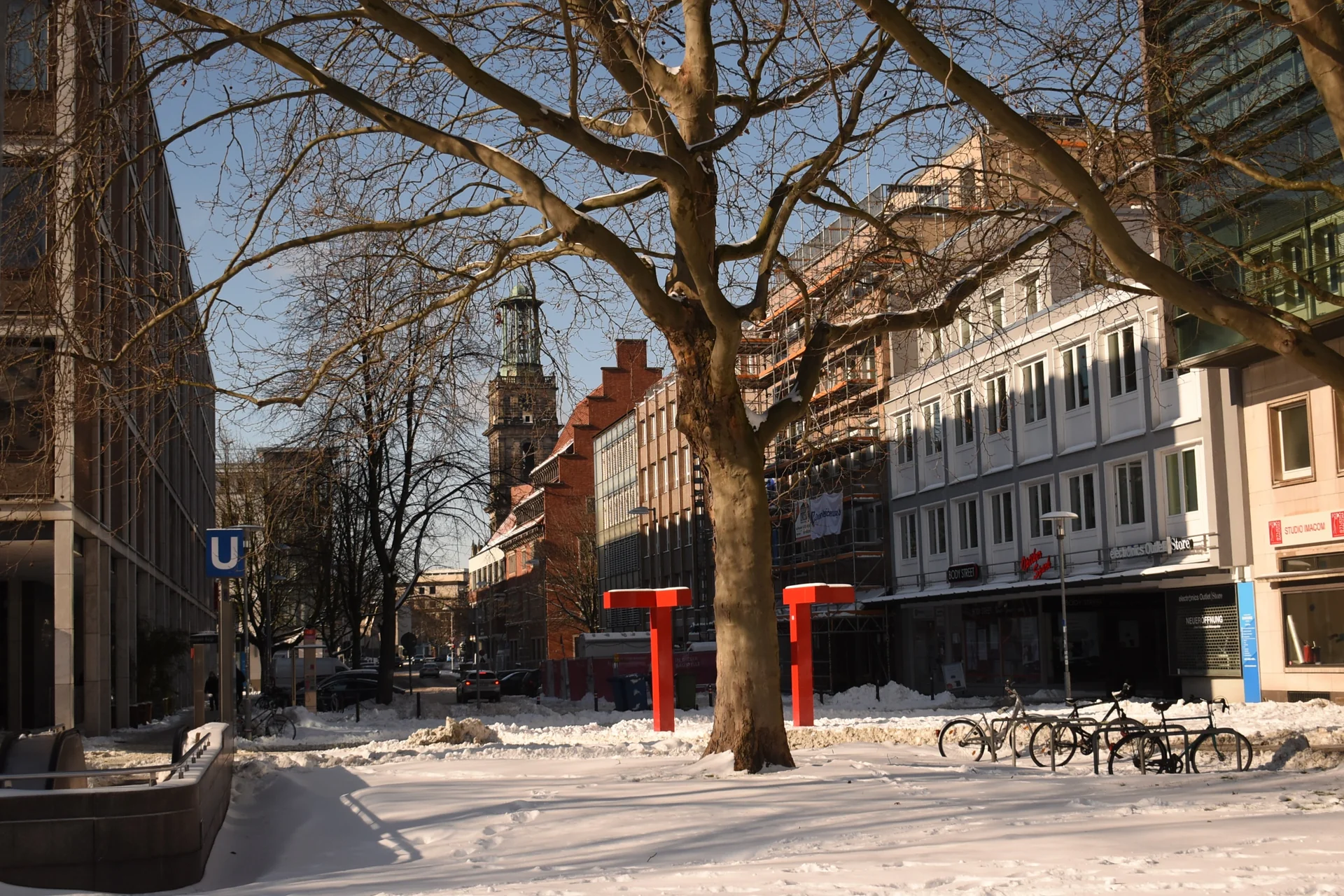
Aegidienkirche
📍 Lower Saxony
In the heart of Hannover, Germany, lies Aegidienkirche, a striking church ruin that invites both reflection and exploration. Founded in 1347, this Gothi...
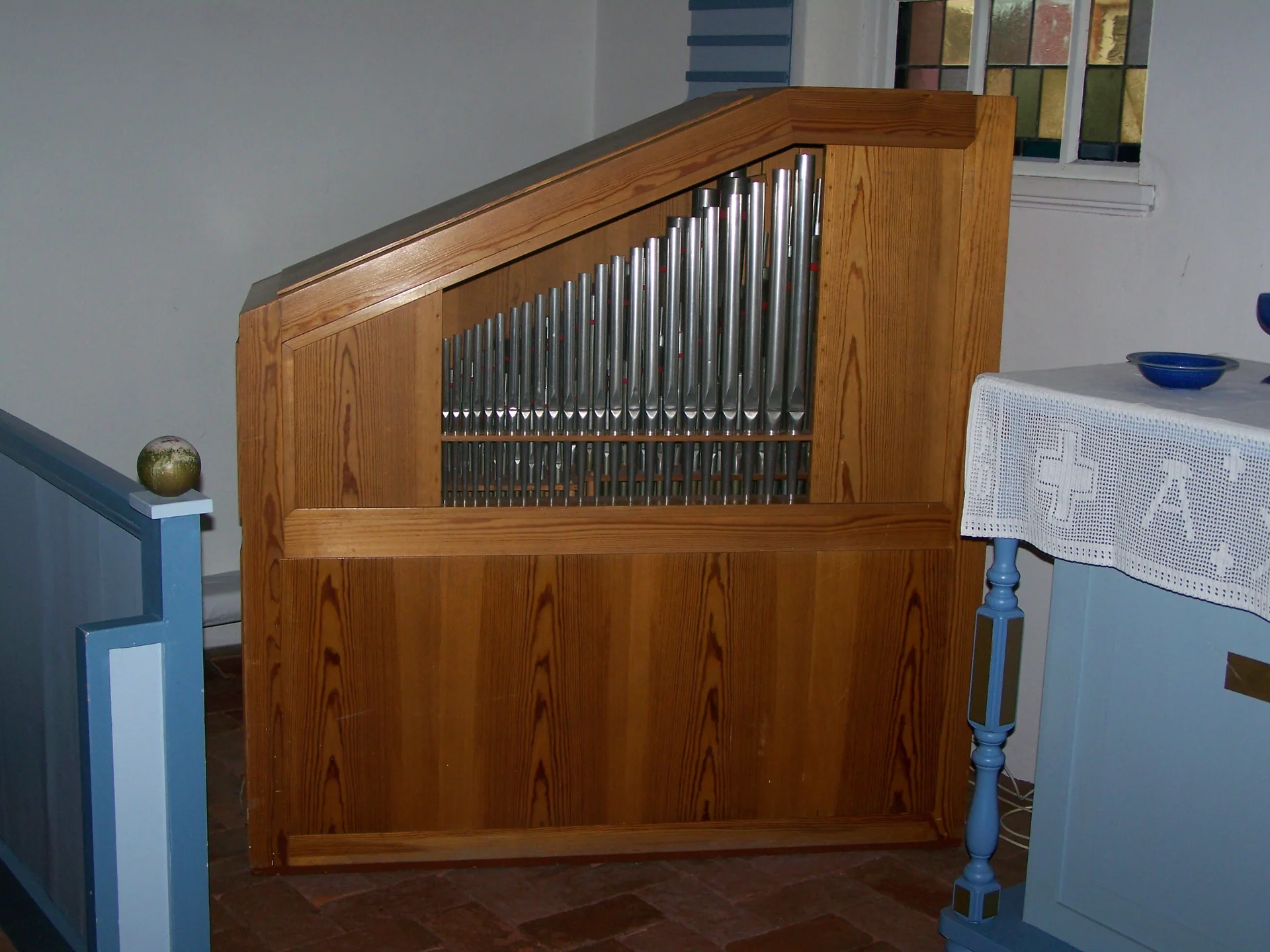
Alte Inselkirche
📍 Lower Saxony
The Alte Inselkirche, a striking church building located on the tranquil island of Spiekeroog in Germany, offers visitors a glimpse into the serene beau...
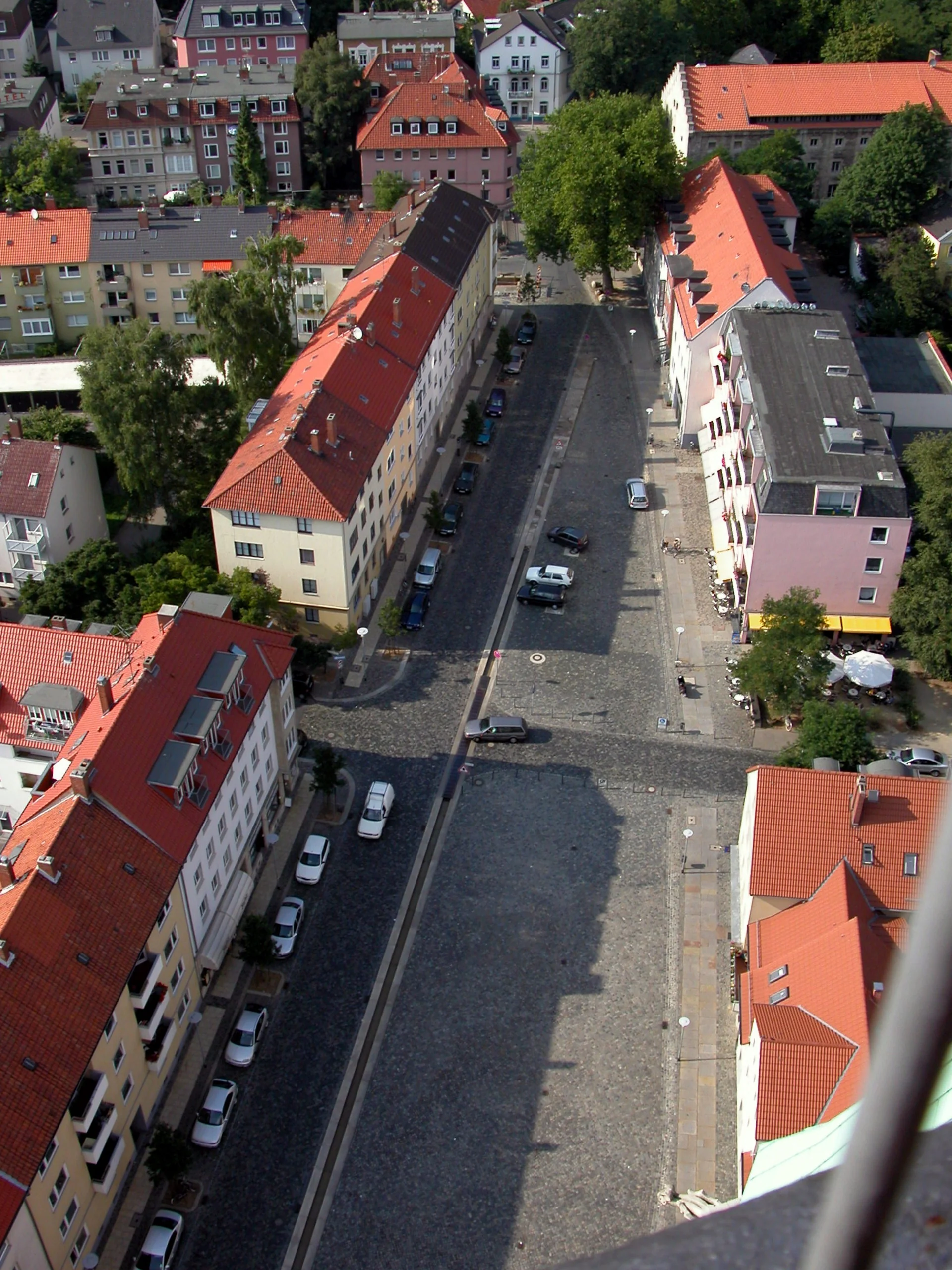
Andreaskirche (Norden)
📍 Lower Saxony
In the heart of Norden, Germany, the Andreaskirche stands as a remarkable example of Brick Gothic architecture. This church, constructed primarily from ...
Antoniuskirche
📍 Lower Saxony
In the tranquil region of Bispingen, Germany, the Antoniuskirche stands as a remarkable example of Gothic Revival architecture. Constructed predominantl...