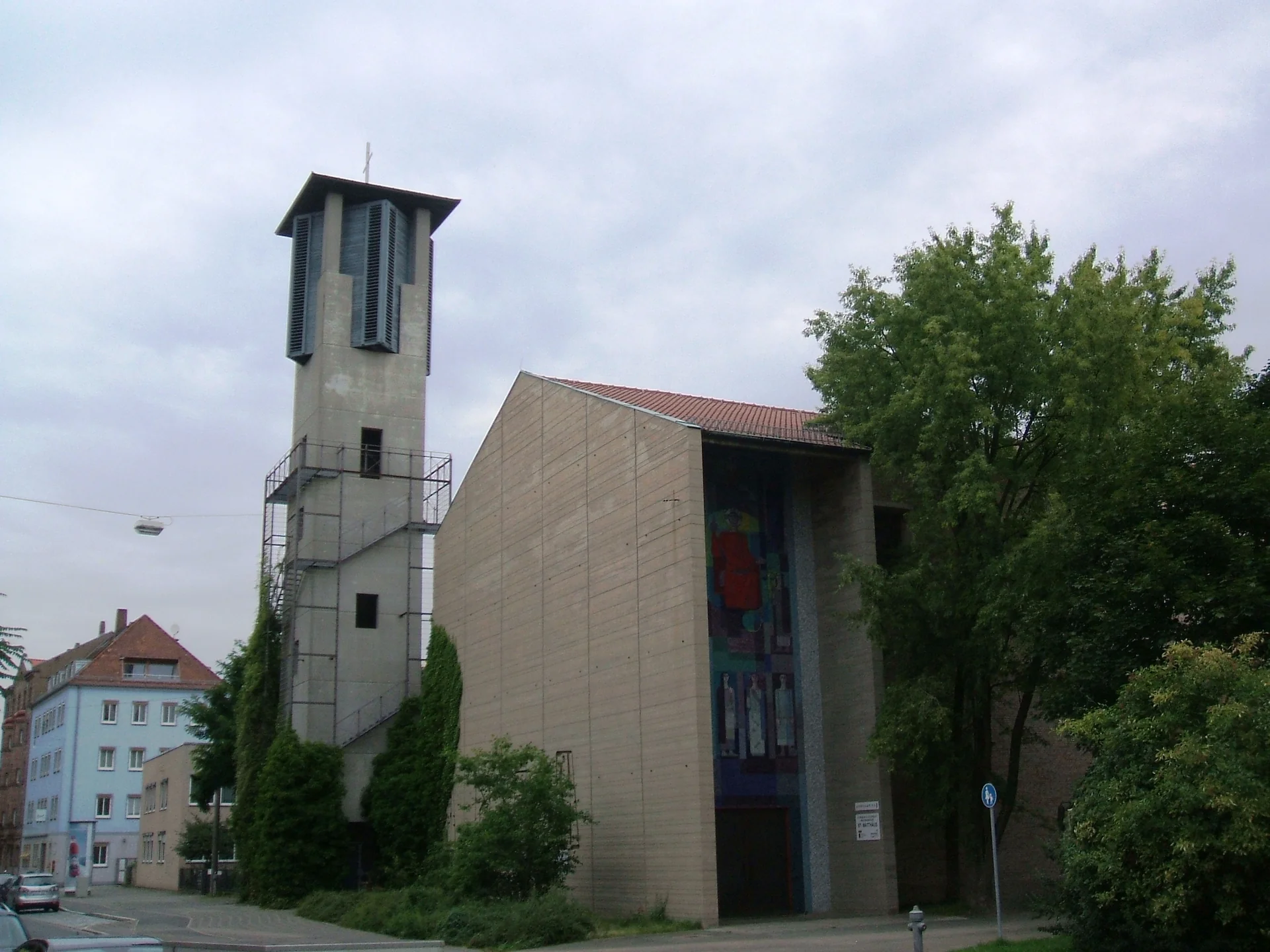
St. Matthäus (Großreuth hinter der Veste)
Overview
St. Matthäus, located in the historic city of Nuremberg, is a striking example of modern church architecture that captivates both the eye and the spirit. With its unique design and concrete structure, this church stands out amidst the traditional architecture that characterizes much of Nuremberg. The surrounding landscape is imbued with a rich history, making it an essential stop for those exploring this vibrant region of Middle Franconia, Germany. As you approach St. Matthäus, you’ll find not just a place of worship but also a space that embodies contemporary architectural innovation.
The significance of St. Matthäus extends beyond its physical presence; it represents a dialogue between modernity and tradition within the context of religious architecture. Visitors can expect to discover a serene environment that invites reflection and contemplation, as well as an opportunity to engage with the local culture and history. Whether you’re an architecture enthusiast or simply seeking a peaceful retreat, St. Matthäus offers a unique experience that enriches your understanding of Nuremberg’s heritage.
History and Significance
St. Matthäus is a modern church building designed by architect Wilhelm Schlegtendal. While specific historical milestones may not be detailed, the church reflects broader trends in architectural evolution, particularly the movement towards modernism in ecclesiastical design. Over the centuries, places of worship have undergone significant transformations, mirroring changes in societal values, artistic expressions, and architectural techniques.
This church serves not only as a religious venue but also as a cultural landmark within Nuremberg. Its design speaks to the aspirations of modern architecture, which seeks to create spaces that resonate with contemporary life while maintaining a connection to spiritual traditions.
Architecture and Features
St. Matthäus is constructed primarily from concrete, showcasing the boldness and clarity of modern architectural principles. The use of concrete allows for clean lines and expansive open spaces that enhance the experience of light and air within the building. Visitors will appreciate the simplicity and functionality that characterize this architectural style.
The church’s modern aesthetic stands in contrast to many older churches in Nuremberg, which are often adorned with intricate decorations and historical motifs. Instead, St. Matthäus embodies a minimalist approach, focusing on the essence of space rather than elaborate embellishments. This choice encourages contemplation and introspection, making it a fitting setting for worship and reflection.
Visiting Information
Getting to St. Matthäus is relatively straightforward, given its location in Nuremberg, which is well-connected by various transport options, including public transportation and local roads. Visitors can easily access the site from nearby areas, making it a convenient stop during your exploration of the city.
Hours: Check the official website for current opening hours.
Prices: Visit the official website for current admission prices.
When you arrive at St. Matthäus, you can expect a welcoming atmosphere that invites you to explore its serene interior. Plan to spend about one to two hours at the site, allowing ample time to appreciate its architectural features and reflective environment. The best times to visit are typically in the morning when crowds are fewer, and you can enjoy a more tranquil experience.
Accessibility is an important consideration, and while specific details are not provided, it’s advisable to contact the site directly for the latest information regarding facilities for those with mobility challenges.
Nearby Attractions
While visiting St. Matthäus, consider exploring other notable sites in Nuremberg:
- Nuremberg Castle: A historic fortress offering panoramic views of the city and insights into Nuremberg’s medieval past.
- The Documentation Center Nazi Party Rally Grounds: A profound museum dedicated to educating visitors about the history of the Nazi regime.
- St. Lorenz Church: An impressive example of Gothic architecture with stunning stained glass windows.
- The Albrecht Dürer House: The former residence of the famous painter and engraver Albrecht Dürer, now a museum showcasing his life and work.
- Nuremberg’s Old Town: A charming area filled with cobblestone streets, picturesque buildings, and numerous shops and cafes.
Insider Tips
For photography enthusiasts, the best spots around St. Matthäus are near its entrance during the golden hour when the sunlight creates dramatic contrasts against the concrete facade. Take your time to explore different angles that highlight the church’s modern features.
To avoid crowds, aim to visit during weekdays rather than weekends or holidays when local events may attract larger groups.
If you’re interested in lesser-known details, look closely at how natural light interacts with the interior space; this aspect is often highlighted by visitors who appreciate modern design.
Practical Information
When planning your visit to St. Matthäus, be sure to bring along essentials such as comfortable walking shoes for exploring the surrounding area and your camera for capturing the church’s striking architecture.
Seasonal considerations may include checking weather forecasts as Nuremberg experiences varying climates throughout the year; spring and fall often provide pleasant conditions for sightseeing.
Frequently Asked Questions
How long should I spend visiting?
You should plan to spend about one to two hours at St. Matthäus to fully appreciate its architectural features and enjoy some quiet reflection.
Is photography allowed inside?
While specific policies are not detailed here, many churches allow photography; it’s best to check for any restrictions upon arrival.
Are there guided tours available?
Currently, details about guided tours are not specified; however, check with the site directly for any available options or resources.
What’s the best time of day to visit?
Visiting in the morning is generally advisable as it tends to be less crowded, providing a more peaceful atmosphere for exploration.
Is the site wheelchair accessible?
For information regarding accessibility features at St. Matthäus, contact the site directly for up-to-date details.
Can I buy tickets online?
At this time, ticket purchasing options are not mentioned; please check their official website for current information.
Are there facilities like restrooms and cafes?
Specific facilities are not detailed; contacting St. Matthäus directly will provide you with information regarding visitor amenities.
What should I wear when visiting?
Dress comfortably but respectfully as it is a place of worship; consider weather conditions when planning your outfit.
Your visit to St. Matthäus promises an enlightening experience that intertwines modern architecture with spiritual significance amidst the historic backdrop of Nuremberg.
Photo Gallery


More in Bavaria

Herrenchiemsee
📍 Bavaria
Imagine stepping onto an island that transports you to the opulent era of Bavarian royalty. Herrenchiemsee, a remarkable complex of royal buildings, sit...

Neuschwanstein Castle
📍 Bavaria
Imagine stepping into a fantastical realm where fairy tales and history intertwine. Neuschwanstein Castle, a magnificent palace in Bavaria, Germany, cap...
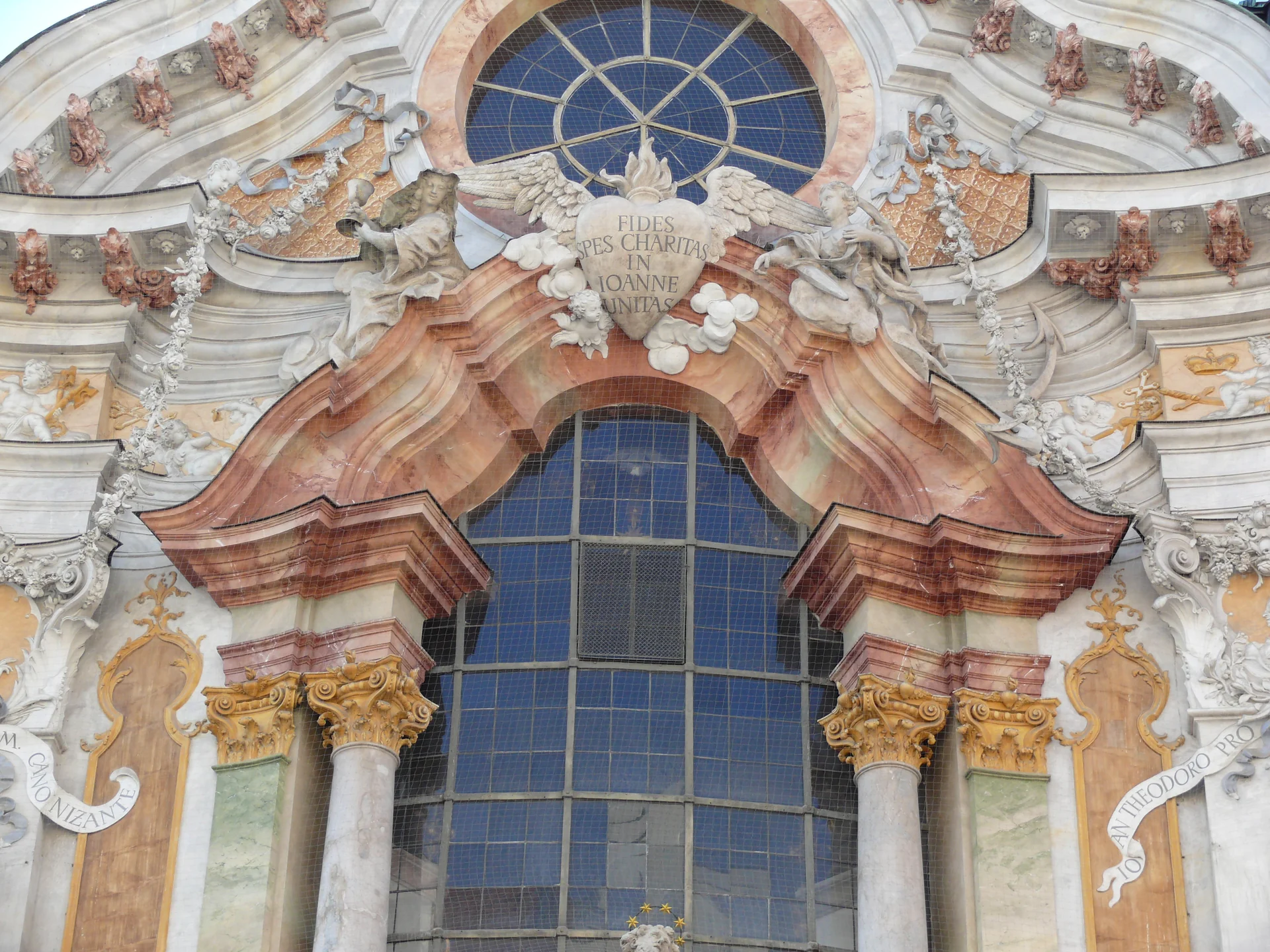
Asamkirche
📍 Bavaria
As you wander through the vibrant streets of Munich, a striking architectural gem captures your attention: Asamkirche, a stunning example of Rococo desi...
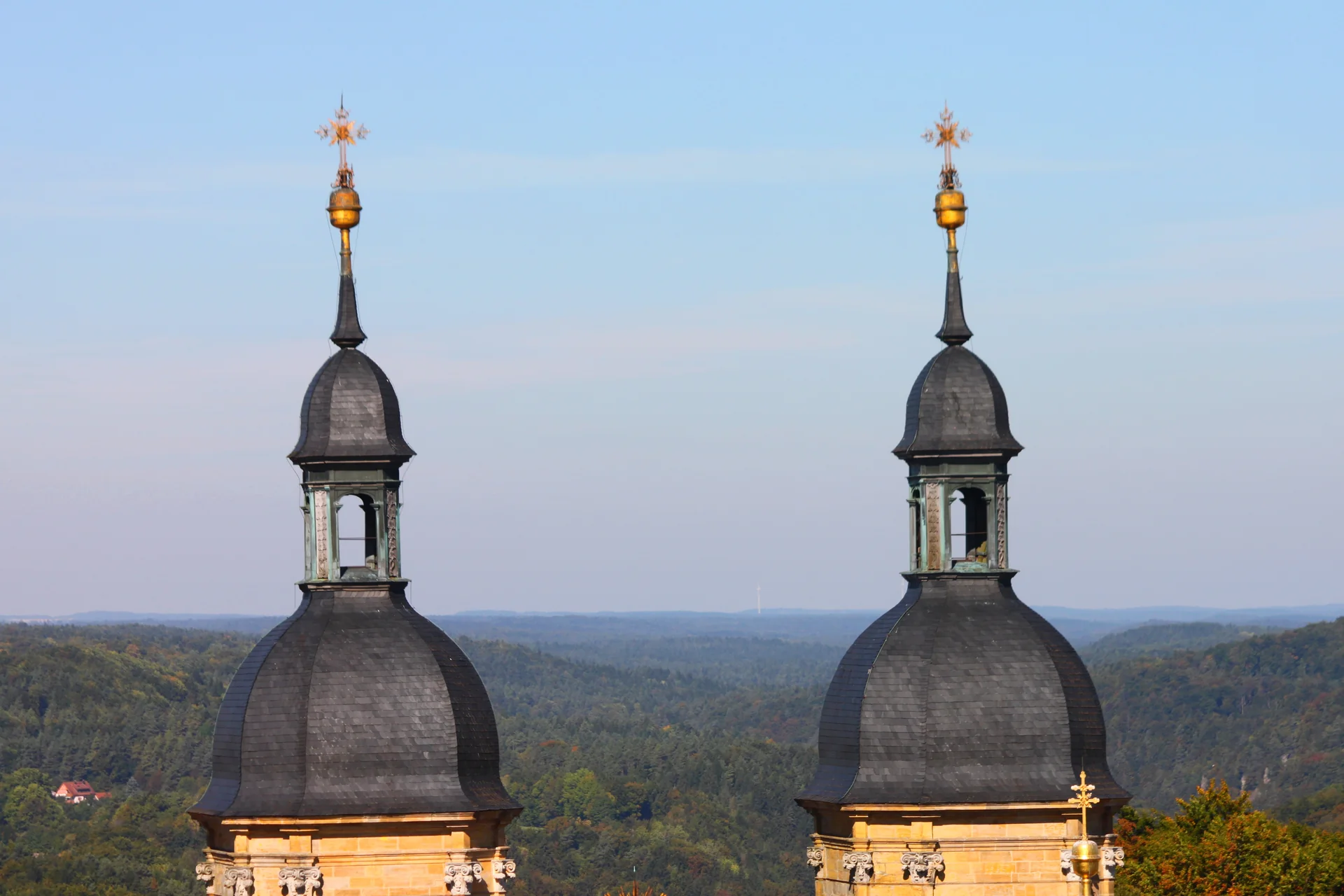
Basilica Gößweinstein
📍 Bavaria
Basilica Gößweinstein, a striking example of Baroque architecture, commands attention with its intricate design and cultural significance. Located in th...