St.Marys church Bernau
Overview
St. Mary’s Church in Bernau is a remarkable structure that dates back to 1240, showcasing the enduring nature of religious architecture in the Brandenburg state of Germany. This church, situated in the charming town of Bernau bei Berlin, is an excellent example of Brick Gothic style, a form that originated in northern Europe and is characterized by its unique use of brick for both structural and decorative purposes. The surrounding landscape offers a serene backdrop, blending historical significance with tranquil natural beauty.
As you approach St. Mary’s Church, you’ll be struck by its striking facade and the intricate details that tell stories of faith and resilience over the centuries. This Lutheran church is not only a place of worship but also a cultural landmark that has witnessed the evolution of the community around it. Your visit promises to reveal the architectural splendor and historical layers embedded within its walls, inviting you to reflect on the past while appreciating its role in contemporary life.
History and Significance
Founded in 1240, St. Mary’s Church has served as a vital spiritual center for the local Lutheran community in Bernau. Throughout its existence, the church has undergone various transformations that reflect the changing dynamics of religious practices and community needs. Its establishment during the 13th century marks a significant point in the region’s ecclesiastical history, symbolizing the spread of Lutheranism in Germany.
The church was designed by Julius Manger, an architect whose work contributed to the unique character of religious buildings in the area. Over the centuries, St. Mary’s has not only functioned as a place for worship but has also been a witness to historical events that shaped the town and its inhabitants. Its architectural style represents a pivotal moment in ecclesiastical design, emphasizing brick as a primary material.
While St. Mary’s Church does not hold UNESCO World Heritage status, its historical and cultural significance remains palpable, drawing visitors who seek to understand more about the religious heritage of this part of Germany.
Architecture and Features
St. Mary’s Church is an exemplary representation of Brick Gothic architecture, which is known for its distinctive use of bricks laid in intricate patterns to create both structural integrity and aesthetic appeal. The church features elements typical of this style, such as pointed arches and detailed brickwork that create a sense of grandeur and elegance.
Visitors should take note of the decorative motifs that adorn the exterior, showcasing craftsmanship that has endured through generations. Inside, the church likely features wooden beams and stained glass windows, which enhance its spiritual atmosphere and provide a colorful contrast to the solid brick walls. The layout typically includes a nave flanked by aisles, common in churches of this architectural style, designed to accommodate congregational gatherings while providing an intimate space for prayer.
Visiting Information
Getting to St. Mary’s Church is convenient due to its location in Bernau bei Berlin. Visitors can utilize various transport options available in the region, including local buses and trains that connect Bernau with larger cities nearby.
Hours: Check the official website for current opening hours.
Prices: Visit the official website for current admission prices.
When visiting, expect to immerse yourself in a peaceful environment that encourages reflection and exploration. A visit typically requires 1-2 hours, allowing ample time to appreciate both the architecture and the serene atmosphere of the church. Early mornings are ideal for fewer crowds, while spring and fall offer pleasant weather for those who prefer to explore outside.
Accessibility considerations may vary; it’s advisable to check specific requirements if needed.
Nearby Attractions
While exploring St. Mary’s Church, consider visiting these nearby attractions that enrich your experience:
Bernau Town Center: Just a short walk from the church, this area showcases charming streets lined with shops and cafes where you can enjoy local delicacies and soak in the town’s ambiance.
The Historic City Wall: Surrounding Bernau, remnants of the historic city wall offer insight into the town’s past defenses and provide a scenic route for a leisurely stroll.
The Barnim Nature Park: Located in the nearby area, this expansive park is perfect for nature lovers looking to hike or cycle through lush landscapes and observe local wildlife.
The Museum Bernau: This local museum provides further context about Bernau’s history and culture through engaging exhibits that reflect the community’s evolution over time.
Zentrum für Kunst und Kultur: This center often hosts various cultural events, art exhibitions, and performances that showcase local talent and creativity.
Insider Tips
For photography enthusiasts, capturing St. Mary’s Church at dawn or dusk can yield stunning results as soft light bathes the brick facade. Look for lesser-known details such as unique brick patterns or carvings that might not be immediately noticeable but add depth to your photos.
To avoid crowds, consider visiting on weekdays or during off-peak hours. Engage with local residents who may share stories or insights about the church’s history that aren’t covered in guidebooks.
Lastly, don’t forget to take a moment to sit quietly within the church itself; it’s a perfect way to absorb the atmosphere and reflect on your visit.
Practical Information
To make the most of your visit to St. Mary’s Church, here are some practical considerations:
What to Bring: Comfortable shoes for walking around Bernau, a camera for capturing memories, and perhaps a notebook if you enjoy jotting down thoughts during your visit.
Seasonal Considerations: Spring and fall are ideal seasons for visiting due to mild weather; summer can be warm but offers longer days for exploration.
Dress Code: As this is a place of worship, modest attire is recommended out of respect for its religious significance.
Frequently Asked Questions
How long should I spend visiting?
A visit typically requires 1-2 hours, giving you ample time to explore both the interior and exterior of St. Mary’s Church while enjoying the surrounding area.
Is photography allowed inside?
While photography is generally permitted inside churches, it’s respectful to check for any posted signs or guidelines upon entry.
Are there guided tours available?
Check with local tourism offices or the church directly for information on any guided tour options that may be available during your visit.
What’s the best time of day to visit?
Early mornings or late afternoons are ideal for fewer crowds and softer lighting for photography.
Is the site wheelchair accessible?
Accessibility may vary; it’s advisable to contact the site directly for up-to-date information on accessibility options.
Can I buy tickets online?
For admission details, including online ticket purchasing options, check the official website prior to your visit.
Are there facilities like restrooms and cafes?
Visitor facilities may be limited at St. Mary’s Church; check local resources for nearby cafes or restrooms before your visit.
What should I wear when visiting?
Modest attire is recommended as St. Mary’s Church is a place of worship; comfortable walking shoes are also advisable due to potential uneven surfaces around the site.
More in Berlin

Marienkirche (Berlin-Mitte)
📍 Berlin
In the heart of Berlin-Mitte, the Marienkirche is a remarkable example of Brick Gothic architecture that captivates both history buffs and casual visito...

Nikolaikirche (Berlin)
📍 Berlin
Standing majestically in the Bezirk Mitte district of Berlin, Nikolaikirche, or St. Nicholas Church, embodies a blend of history and architectural beaut...
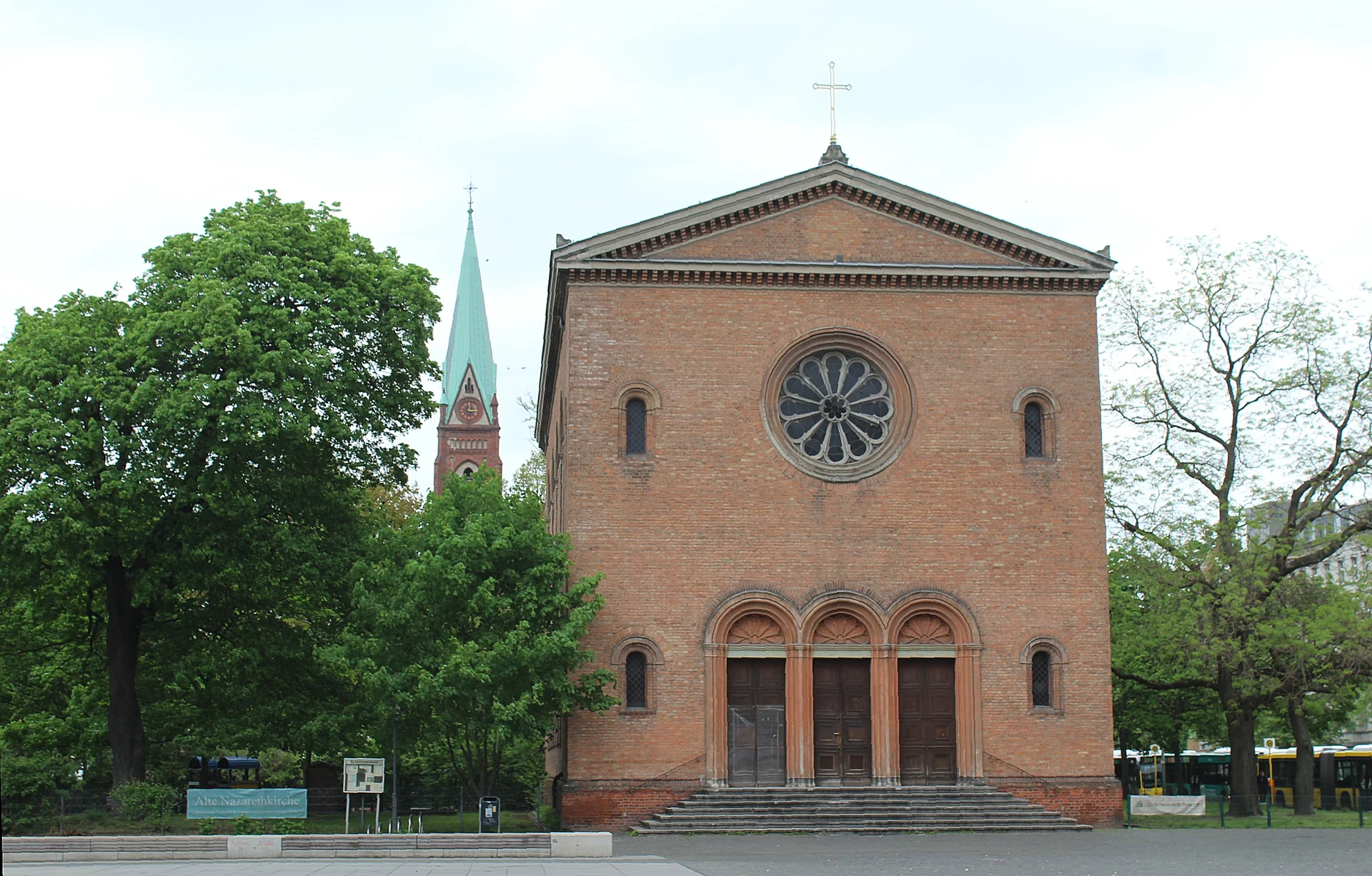
Alte Nazarethkirche (Berlin-Wedding)
📍 Berlin
In the heart of Berlin-Wedding lies the Alte Nazarethkirche, a striking Protestant church that reflects the architectural vision of its time. Founded in...
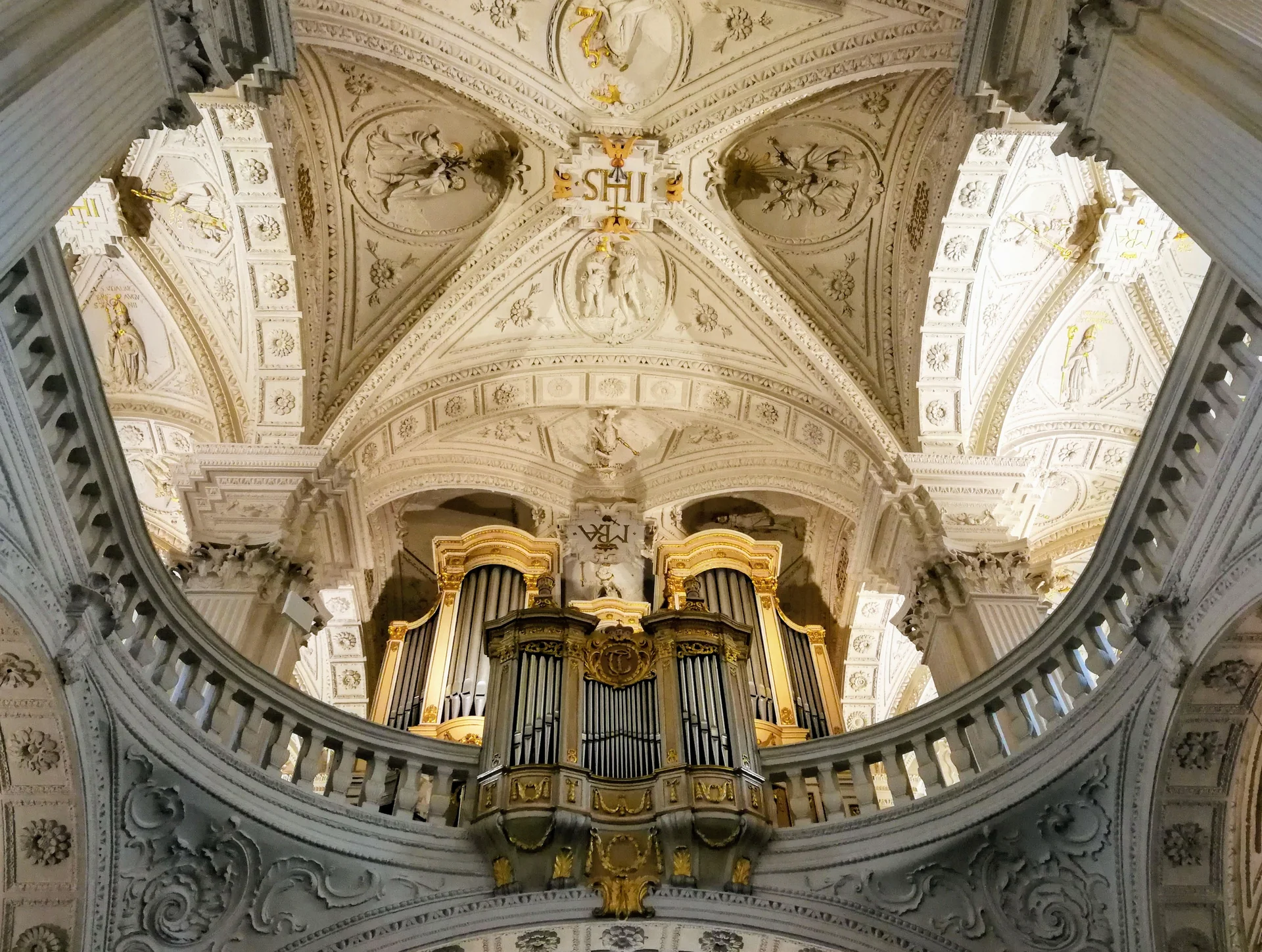
Andreaskirche
📍 Berlin
In the heart of Steglitz-Zehlendorf, Germany, stands Andreaskirche, a church that embodies the architectural elegance of the Gothic Revival style. This ...