St. Mariä Himmelfahrt
Overview
In the heart of Düsseldorf-Unterbach, the St. Mariä Himmelfahrt church stands as a striking example of modern religious architecture. Built in 1963, this church is a testament to the brutalist architectural style that emerged in the mid-20th century. It captivates not only with its unique design but also with its role as a spiritual hub for the local Catholic community. The surrounding landscape features a mix of urban and suburban elements, creating a serene backdrop for visitors seeking both reflection and exploration.
St. Mariä Himmelfahrt matters not just for its architectural significance but also for its cultural and community value. As a place of worship, it offers a glimpse into the Catholic faith practiced in contemporary Germany, providing insights into the evolution of religious spaces over time. Visitors to this church will discover its distinctive features, the ambiance it fosters, and the stories it holds within its walls.
History and Significance
Founded in 1963, St. Mariä Himmelfahrt represents a period of transformation in church architecture, moving away from traditional styles to embrace modernity. The design by architect Josef Lehmbrock reflects the principles of brutalism, characterized by its raw concrete structures and functionality. This architectural movement sought to express honesty in materials and an unadorned aesthetic, which can be seen in the church’s straightforward forms and bold lines.
While specific historical events surrounding the church’s establishment are not detailed, its construction during a time of post-war reconstruction signifies a shift in societal needs. The church not only serves as a place of worship but also as a community gathering space, fostering connections among local residents. Its significance lies in its role as a modern spiritual refuge and a landmark of architectural innovation within Düsseldorf.
Architecture and Features
St. Mariä Himmelfahrt is a prime example of brutalist architecture, characterized by its use of raw concrete and minimalist design. The church’s exterior features bold geometric shapes and an unembellished facade that emphasizes functionality. Visitors will notice how the structure’s simplicity contrasts with traditional church designs, which often include intricate ornamentation and elaborate decorations.
Inside, the spaciousness of the nave invites contemplation and prayer. The layout is designed to accommodate congregational gatherings while maintaining an intimate atmosphere for individual reflection. As you explore the interior, look for the interplay of light through the strategically placed windows, which enhance the spiritual ambiance of the space.
The choice of materials is integral to its architectural identity. The concrete surfaces reflect a commitment to modernity while also resonating with the values of transparency and authenticity that define brutalism. This innovative approach to building design allows St. Mariä Himmelfahrt to stand out amidst more conventional religious structures.
Visiting Information
To reach St. Mariä Himmelfahrt, visitors can utilize various transport options available in Düsseldorf. Public transport services frequently connect to the Unterbach area, making it accessible for those traveling by bus or tram.
Hours: Check the official website for current opening hours.
Prices: Visit the official website for current admission prices.
During your visit, expect a tranquil atmosphere conducive to reflection and prayer. The church typically accommodates visitors with an inviting space where you can sit quietly or explore its unique architecture. A visit may take about 1-2 hours, allowing ample time to absorb the surroundings fully.
The best times to visit are early mornings or weekdays when crowds are minimal, allowing for a more personal experience. Spring and fall are particularly pleasant seasons for exploration, as the weather enhances outdoor activities in the nearby area.
Accessibility is an important consideration; while specific details are not available, many modern churches are designed with inclusive access in mind.
Nearby Attractions
While visiting St. Mariä Himmelfahrt, take advantage of other attractions in Düsseldorf. Here are some nearby sites worth exploring:
Unterbach Lake: Just a short walk away, this picturesque lake offers opportunities for leisurely strolls or picnics amidst nature.
Düsseldorf’s Old Town (Altstadt): Known as ’the longest bar in the world,’ this historic district is filled with pubs, restaurants, and shops that reflect the vibrant culture of Düsseldorf.
Schloss Benrath: A short drive from Unterbach, this stunning Baroque palace features beautiful gardens and museums that showcase art and history.
Nordpark: This expansive park offers beautiful landscapes, including gardens and fountains, making it an ideal spot for relaxation and leisure activities.
Kunstsammlung Nordrhein-Westfalen: For art enthusiasts, this museum houses an impressive collection of modern art and hosts various exhibitions throughout the year.
Insider Tips
For those looking to capture the essence of St. Mariä Himmelfahrt through photography, aim for early morning light when it casts soft shadows across the concrete surfaces, enhancing the architectural details.
Look closely at the interior for lesser-known features like unique altars or artwork that reflect local Catholic traditions. Engaging with staff or locals may provide additional insights into these elements.
To avoid crowds, consider visiting during weekdays rather than weekends when local services may draw larger groups.
Lastly, if you’re interested in local culture, explore nearby cafes after your visit for a taste of regional cuisine.
Practical Information
When planning your visit to St. Mariä Himmelfahrt, keep these practical details in mind:
- Bring comfortable walking shoes for exploring both the church and surrounding areas.
- Consider seasonal weather changes; dressing in layers can help adapt to varying temperatures.
- Respectful attire is appreciated within church grounds; modest clothing is advisable.
- Be mindful of ongoing services if visiting during peak hours; check beforehand if you wish to participate in mass.
Frequently Asked Questions
How long should I spend visiting?
You should plan to spend about 1-2 hours at St. Mariä Himmelfahrt to fully appreciate its architecture and atmosphere.
Is photography allowed inside?
Photography policies may vary; it’s best to check upon arrival or consult staff about specific guidelines.
Are there guided tours available?
Information on guided tours may not be readily available; contacting the site directly could provide further details on any offerings.
What’s the best time of day to visit?
Early mornings on weekdays tend to be quieter, providing a more peaceful experience compared to busier weekend visits.
Is the site wheelchair accessible?
Specific accessibility information isn’t provided; however, many modern churches typically offer facilities for all visitors.
Can I buy tickets online?
Check the official website for current admission prices and ticket purchasing options.
Are there facilities like restrooms and cafes?
Facilities may be limited; it’s advisable to check upon arrival for restroom availability.
What should I wear when visiting?
Modest attire is encouraged when visiting religious sites; dressing respectfully will enhance your experience at St. Mariä Himmelfahrt.
More in North Rhine-Westphalia

Aachen Cathedral
📍 North Rhine-Westphalia
Imagine standing before a structure that has witnessed over a millennium of history, its majestic silhouette dominating the skyline of Aachen, Germany. ...

Cologne Cathedral
📍 North Rhine-Westphalia
The Cologne Cathedral, or Kölner Dom, is an architectural marvel that captivates millions of visitors each year. Towering at 157 meters, it is the talle...
Alexandra-Kirche
📍 North Rhine-Westphalia
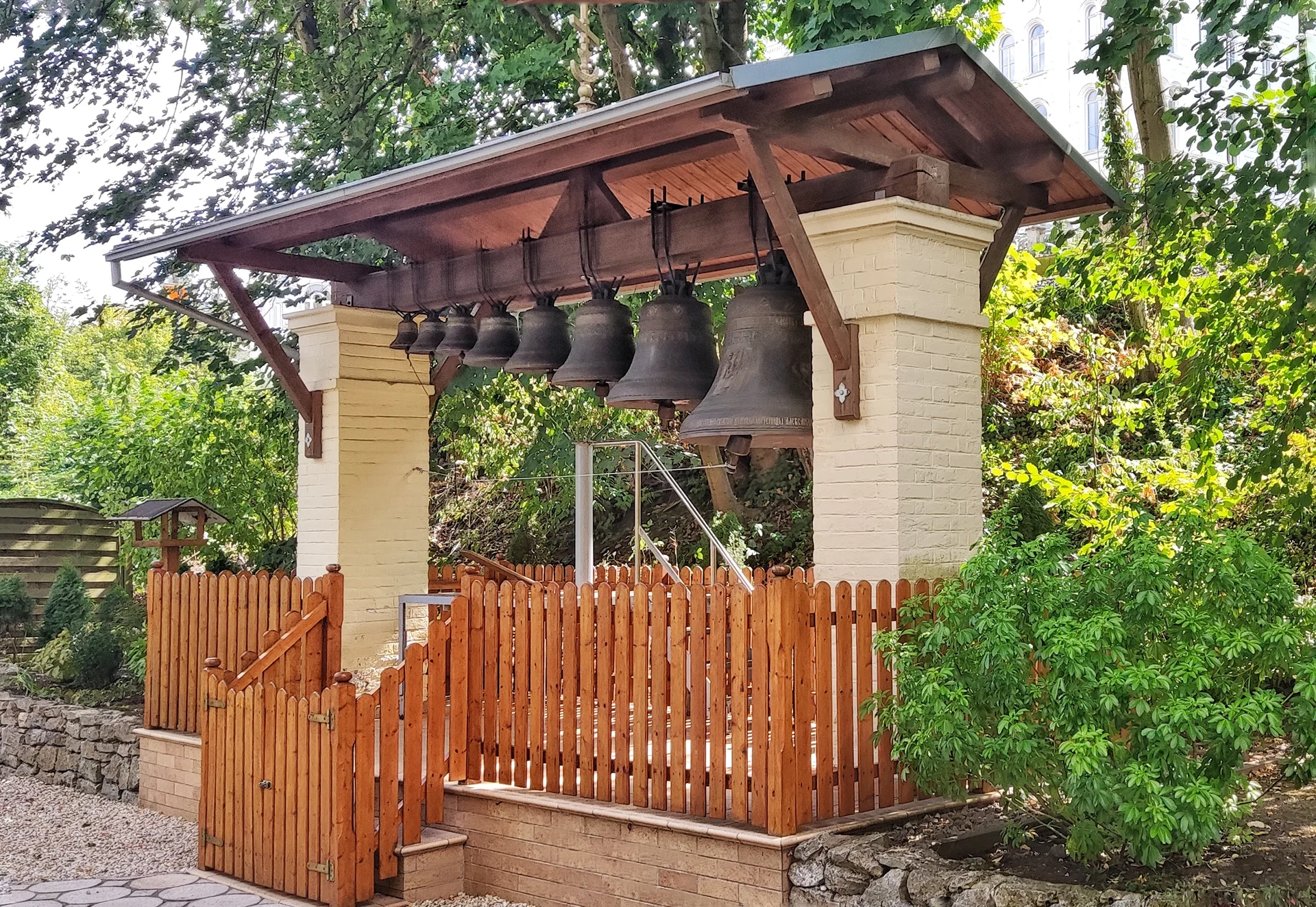
The Alexandra-Kirche, a striking example of Byzantine architecture, stands proudly in the heart of Bad Ems, a charming town in Rhineland-Palatinate, Ger...
Alt St. Alban
📍 North Rhine-Westphalia
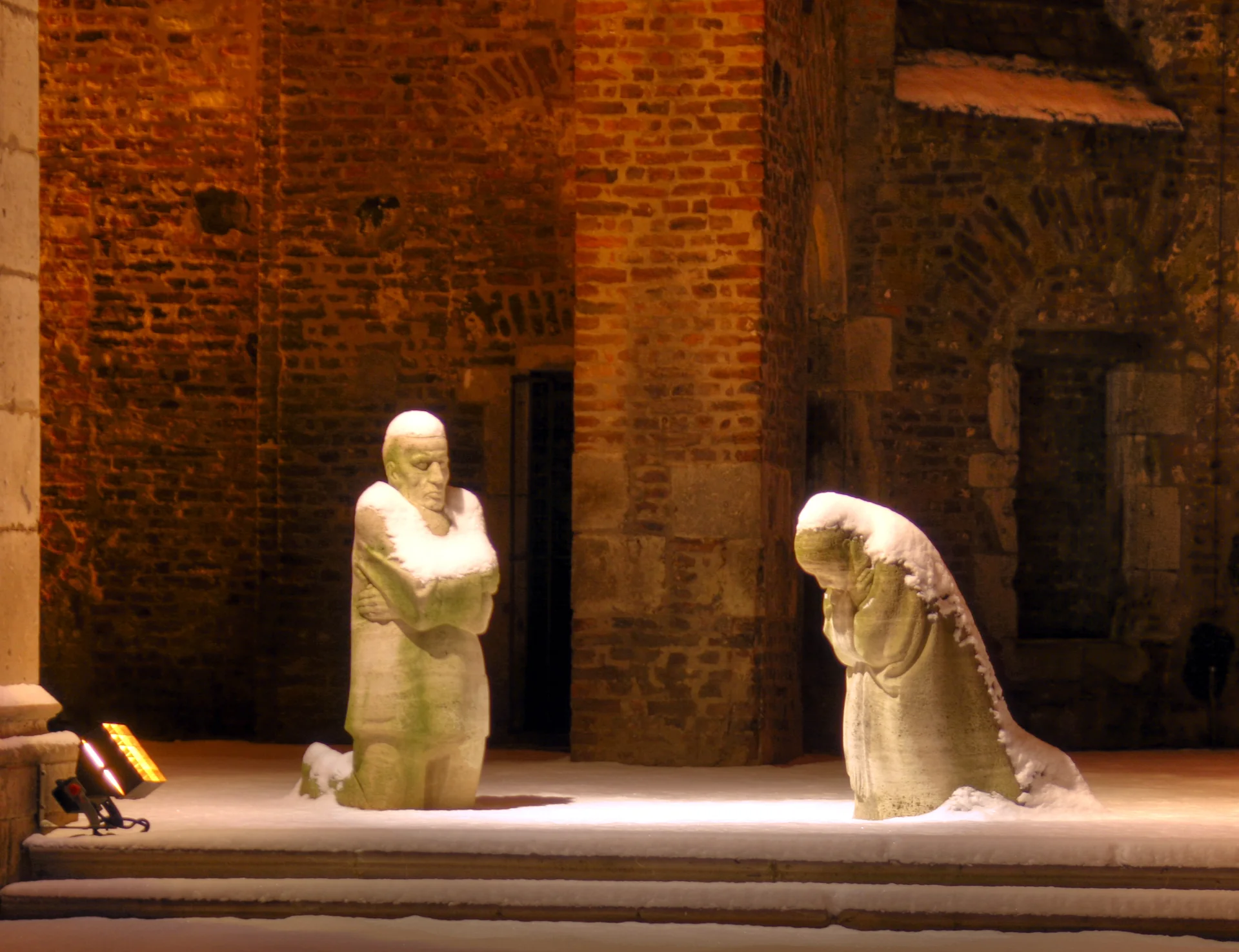
In the heart of Colognes Altstadt-Nord district, Alt St. Alban emerges as a striking example of Gothic architecture, offering a glimpse into the region’...