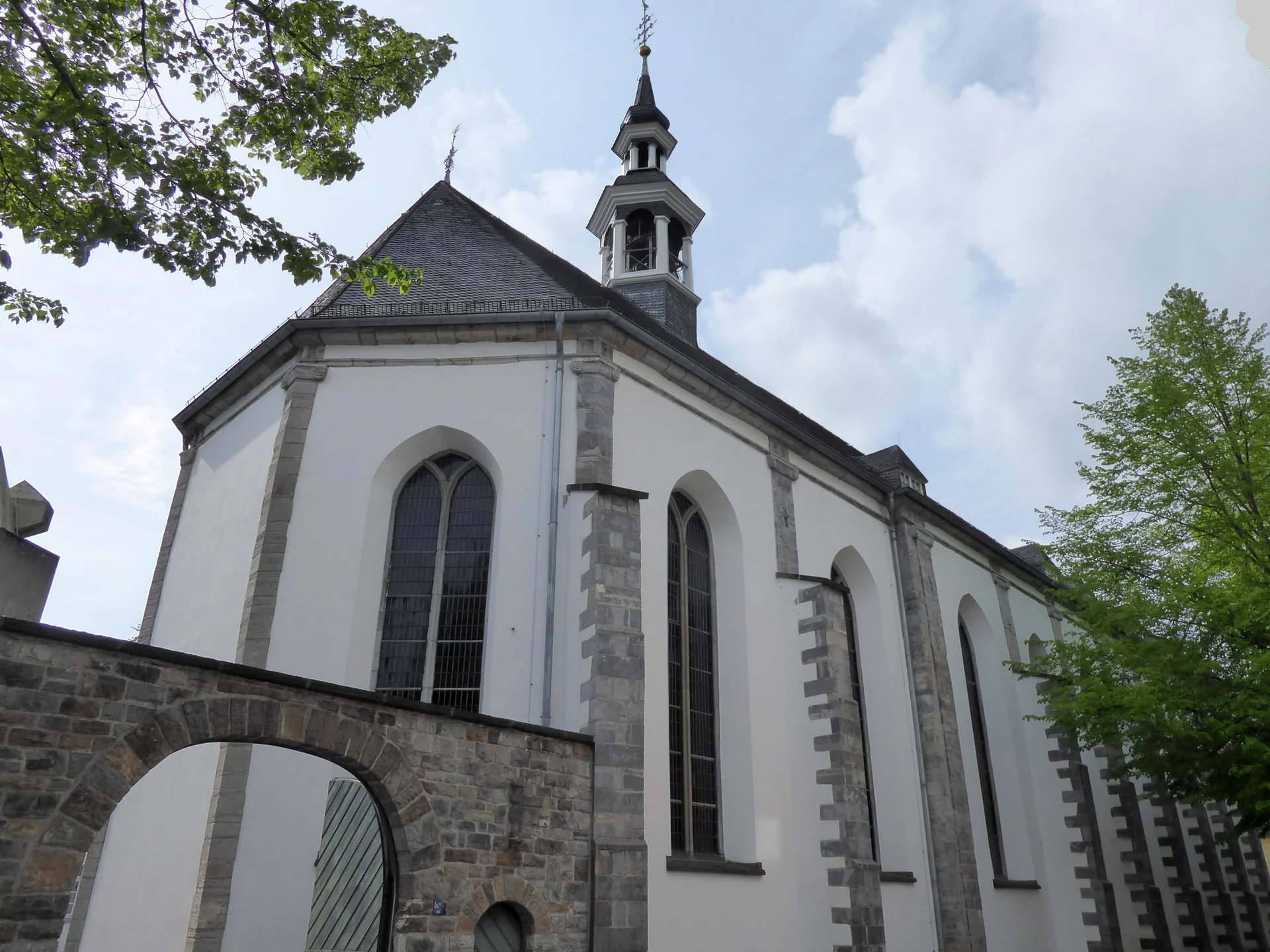
St. Mariä Empfängnis
Overview
In the heart of Düsseldorf, St. Mariä Empfängnis stands as a striking example of Gothic Revival architecture. This Catholic church, founded in 1894, captures the attention of passersby with its intricate design and historical significance. As you approach the church, the towering spires and ornate details invite curiosity and reverence. Located in Stadtmitte, this site is not only a place of worship but also a significant cultural landmark within the city.
Düsseldorf’s urban landscape surrounds St. Mariä Empfängnis, blending modernity with historical charm. The church serves as a reminder of the city’s architectural evolution over time. Visitors to this site will discover a rich tapestry of faith and artistry, as well as the enduring legacy of its architect, Ludwig Becker. Whether you seek spiritual solace or an appreciation for architectural beauty, St. Mariä Empfängnis offers a compelling experience.
History and Significance
St. Mariä Empfängnis was established in 1894, during a period of significant growth and transformation in Düsseldorf. The late 19th century saw a resurgence of interest in Gothic Revival architecture across Europe, and this church exemplifies that trend. Designed by architect Ludwig Becker, the church reflects the ideals of the time, merging functionality with elaborate stylistic elements.
The church has served the local Catholic community for over a century, witnessing changes in society and shifts in religious practices. Its establishment marked an important development in the spiritual life of Düsseldorf, as it provided a dedicated space for worship and community gatherings. Throughout the years, St. Mariä Empfängnis has remained a center for religious activities, contributing to the cultural fabric of the region.
While St. Mariä Empfängnis may not be listed as a UNESCO World Heritage Site, its architectural and historical significance remains noteworthy. It stands as a testament to the craftsmanship and devotion that characterized religious architecture in its era.
Architecture and Features
St. Mariä Empfängnis exemplifies Gothic Revival architecture through its distinct characteristics. The church features pointed arches, ribbed vaults, and detailed facades that draw the eye upward, creating a sense of height and grandeur typical of Gothic design. Visitors will notice the intricate stonework that adorns the entrance and windows, showcasing the craftsmanship that went into its construction.
The interior of the church complements its exterior with soaring ceilings and an array of stained glass windows that filter light in a colorful display. These windows often depict biblical scenes and saints, inviting contemplation and reflection from worshippers and visitors alike.
While specific measurements are not provided, the overall design emphasizes verticality and light—a hallmark of Gothic architecture—inviting visitors to experience both the physical space and the spiritual ambiance it fosters.
Visiting Information
Visiting St. Mariä Empfängnis is an enriching experience for anyone interested in architecture or religious history. The church is accessible by various forms of public transportation, making it easy to include in your itinerary while exploring Düsseldorf.
Hours: Check the official website for current opening hours.
Prices: Visit the official website for current admission prices.
As you step inside, you’ll find a serene environment conducive to reflection and prayer. Expect to spend around 1-2 hours exploring both the interior and exterior of the church. Morning visits often attract fewer crowds, allowing for a more peaceful experience. The spring and fall seasons are particularly pleasant for visiting, as the weather is typically mild.
Accessibility: St. Mariä Empfängnis strives to accommodate all visitors; however, it’s best to contact the site directly for the latest information regarding accessibility options.
Nearby Attractions
While St. Mariä Empfängnis is a highlight in itself, several nearby attractions can enhance your visit to Düsseldorf:
Kunstsammlung Nordrhein-Westfalen: Just a short distance away, this museum houses an impressive collection of modern art, featuring works from renowned artists such as Picasso and Klee.
Schlossturm: This historic castle tower offers insights into Düsseldorf’s past and serves as a picturesque landmark along the Rhine River.
Hofgarten: Adjacent to the bustling city center, this beautiful park provides a tranquil escape with walking paths, manicured gardens, and serene ponds.
Rheinuferpromenade: This scenic promenade along the Rhine River is perfect for leisurely strolls, dining at waterfront cafes, or simply enjoying views of the river.
Stadttor Düsseldorf: A modern architectural feat, this building contrasts beautifully with historical structures in the area, showcasing Düsseldorf’s dynamic cityscape.
Insider Tips
To make the most of your visit to St. Mariä Empfängnis:
Best photography spots: Capture stunning photos from various angles outside the church, particularly during golden hour when the light enhances its architectural features.
Lesser-known details: Look closely at the stained glass windows—they tell stories through their imagery and design.
Avoiding crowds: Visit early in the morning or during weekdays when foot traffic is lighter.
Local tips: Engage with locals if possible; they can provide insights into community events or special services held at the church.
Practical Information
When planning your visit to St. Mariä Empfängnis:
What to bring: Dress modestly as a sign of respect within a religious setting. A camera is encouraged for capturing memories but be mindful of any photography restrictions inside.
Seasonal considerations: Spring and fall offer pleasant weather for visiting; however, winter can provide a unique atmosphere with seasonal decorations if visiting during holidays.
Consolidating your visit details will ensure a smooth experience at this remarkable site.
Frequently Asked Questions
How long should I spend visiting?
You should plan to spend about 1-2 hours at St. Mariä Empfängnis to fully appreciate both its interior and exterior features.
Is photography allowed inside?
Photography policies can vary; it’s advisable to check for any restrictions upon arrival.
Are there guided tours available?
Check the official website for information on guided tours or special events that may enhance your visit.
What’s the best time of day to visit?
Morning visits are generally less crowded, offering a more peaceful atmosphere for reflection.
Is the site wheelchair accessible?
For specific accessibility options, contact the site directly for up-to-date information.
Can I buy tickets online?
Visit the official website for details on ticket purchasing options.
Are there facilities like restrooms and cafes?
Check with local resources or contact the church directly for information on nearby facilities.
What should I wear when visiting?
Dress modestly to respect the sacred nature of the church environment.
Photo Gallery


Location
More in North Rhine-Westphalia

Aachen Cathedral
📍 North Rhine-Westphalia
Imagine standing before a structure that has witnessed over a millennium of history, its majestic silhouette dominating the skyline of Aachen, Germany. ...

Cologne Cathedral
📍 North Rhine-Westphalia
The Cologne Cathedral, or Kölner Dom, is an architectural marvel that captivates millions of visitors each year. Towering at 157 meters, it is the talle...
Alexandra-Kirche
📍 North Rhine-Westphalia
The Alexandra-Kirche, a striking example of Byzantine architecture, stands proudly in the heart of Bad Ems, a charming town in Rhineland-Palatinate, Ger...
Alt St. Alban
📍 North Rhine-Westphalia
In the heart of Colognes Altstadt-Nord district, Alt St. Alban emerges as a striking example of Gothic architecture, offering a glimpse into the region’...