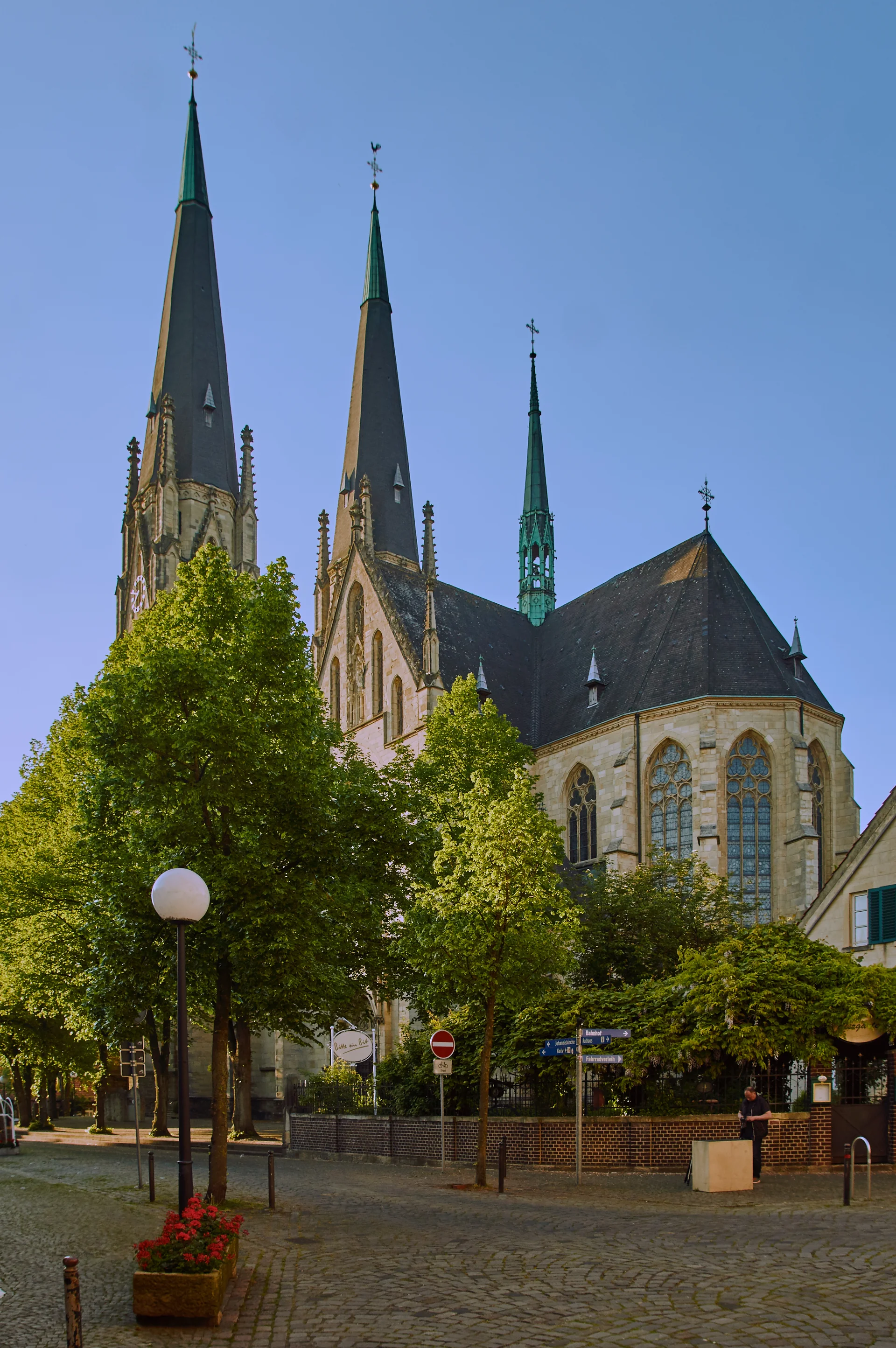
St Lugers Church
Overview
St Luger’s Church, a stunning example of Gothic Revival architecture, stands prominently in Billerbeck, North Rhine-Westphalia, Germany. This church, built in 1892, captures the attention of visitors not only for its architectural beauty but also for its spiritual significance to the local Catholic community. As you approach the church, you are greeted by its towering sandstone structure that reaches a height of 34 meters, a sight that evokes both reverence and admiration.
The surrounding landscape provides a tranquil backdrop for this sacred site, enhancing its allure. St Luger’s Church serves as a cultural and historical landmark in the region, inviting visitors to explore its rich heritage. As you delve into its history and architectural features, you’ll discover the intricate craftsmanship and design that define this remarkable church, offering a glimpse into the artistry of the late 19th century.
History and Significance
Founded in 1892, St Luger’s Church holds a significant place in the religious and architectural history of Billerbeck. Designed by architect Wilhelm Rincklake, this church reflects the broader trends of the Gothic Revival movement that sought to revive the medieval Gothic style in new constructions. Churches built during this period often aimed to inspire awe and reverence through their towering spires and intricate details, and St Luger’s Church is no exception.
The establishment of St Luger’s Church marked an important development for the local Catholic community, providing a dedicated place for worship and fostering a sense of community among its parishioners. Over the years, it has become a gathering point for various religious ceremonies and celebrations, further solidifying its role in the spiritual life of Billerbeck.
Though not a UNESCO World Heritage site, St Luger’s Church exemplifies the architectural innovations of its time while standing as a testament to the enduring nature of faith and community in the region. Its construction represents a commitment to preserving cultural identity through ecclesiastical architecture, making it an important landmark in North Rhine-Westphalia.
Architecture and Features
St Luger’s Church showcases the hallmark elements of Gothic Revival architecture. The use of sandstone not only lends a distinctive aesthetic quality to the building but also connects it to the regional materials traditionally used in church construction. The church’s height of 34 meters allows it to dominate the skyline, drawing the eye upwards in a way that is characteristic of Gothic design.
As you explore the exterior, look for the intricate stone carvings and detailed facades that embellish the church. These features reflect not only the artistic aspirations of the era but also the skilled craftsmanship involved in its construction. The pointed arches, ribbed vaults, and flying buttresses—common elements of Gothic architecture—contribute to both the structural integrity and visual drama of St Luger’s Church.
Visitors should also take note of the interior space, where light filters through stained glass windows, creating an ethereal atmosphere conducive to reflection and contemplation. The arrangement of pews and altar reflects traditional Catholic liturgical practices, inviting worshippers to engage fully with their spiritual environment.
Visiting Information
Getting to St Luger’s Church is relatively straightforward, with various transport options available in Billerbeck. Whether you are driving or using public transport, you can easily reach this iconic site.
Hours: Check the official website for current opening hours.
Prices: Visit the official website for current admission prices.
Expect to spend around 1-2 hours exploring St Luger’s Church. This timeframe allows for a leisurely visit where you can appreciate both the architectural details and the peaceful ambiance inside.
For the best experience, consider visiting in the morning when crowds tend to be smaller. Spring and fall offer pleasant weather for exploring the surrounding area as well.
Accessibility is an important consideration; contact the site directly for the latest information regarding any accommodations available for visitors with mobility challenges.
Nearby Attractions
After visiting St Luger’s Church, consider exploring these nearby attractions that complement your experience:
Billerbeck Cathedral: Just a short distance away, this cathedral is renowned for its stunning architecture and rich history. It offers another perspective on ecclesiastical design in the region.
The Historic Town Center: Take a stroll through Billerbeck’s charming town center, where you can find quaint shops and cafes that showcase local culture.
Local Parks: The nearby parks provide serene spots for relaxation and contemplation amid nature. They are ideal for picnicking or enjoying a quiet walk.
Museums in Billerbeck: Explore local museums that delve into the history and culture of Billerbeck and its surroundings.
Each attraction provides unique insights into the heritage and lifestyle of this part of North Rhine-Westphalia.
Insider Tips
To make the most of your visit to St Luger’s Church, consider these insider tips:
Best Photography Spots: Capture stunning photographs from various angles around the church. Early morning or late afternoon light enhances its details beautifully.
Look for Lesser-Known Details: Pay attention to small architectural elements that may be overlooked at first glance, such as unique stone carvings or decorative motifs.
Avoiding Crowds: Visit during weekdays or early mornings to enjoy a quieter atmosphere.
Local Tips: Engage with parishioners or local guides who can offer insights into the church’s history and significance that might not be found in guidebooks.
Practical Information
When planning your visit to St Luger’s Church, keep these practical details in mind:
- Bring along a camera to capture the beauty of this architectural gem.
- Dress appropriately for a church visit; modest attire is generally recommended.
- Seasonal considerations are important; check weather forecasts to ensure you’re prepared for rain or cold temperatures.
In summary, whether you’re drawn by faith, architecture, or history, St Luger’s Church offers a meaningful experience that connects visitors with both the past and present of Billerbeck.
Frequently Asked Questions
How long should I spend visiting?
You should plan to spend around 1-2 hours at St Luger’s Church to fully appreciate its architectural details and serene atmosphere.
Is photography allowed inside?
Photography policies may vary; check with church officials upon your arrival for any specific guidelines regarding interior photography.
Are there guided tours available?
Contact the site directly for information on whether guided tours are offered during your visit.
What’s the best time of day to visit?
Early mornings are often less crowded and offer a peaceful environment for reflection and exploration.
Is the site wheelchair accessible?
Contact the site directly for the latest information regarding accessibility options available at St Luger’s Church.
Can I buy tickets online?
Visit the official website for current admission prices and any options available for purchasing tickets online.
Are there facilities like restrooms and cafes?
Check with local resources for information about amenities near St Luger’s Church as specific facilities may not be available on-site.
What should I wear when visiting?
Modest attire is recommended when visiting religious sites like St Luger’s Church; comfortable shoes are advisable for exploring the surrounding area.
More in North Rhine-Westphalia

Aachen Cathedral
📍 North Rhine-Westphalia
Imagine standing before a structure that has witnessed over a millennium of history, its majestic silhouette dominating the skyline of Aachen, Germany. ...

Cologne Cathedral
📍 North Rhine-Westphalia
The Cologne Cathedral, or Kölner Dom, is an architectural marvel that captivates millions of visitors each year. Towering at 157 meters, it is the talle...
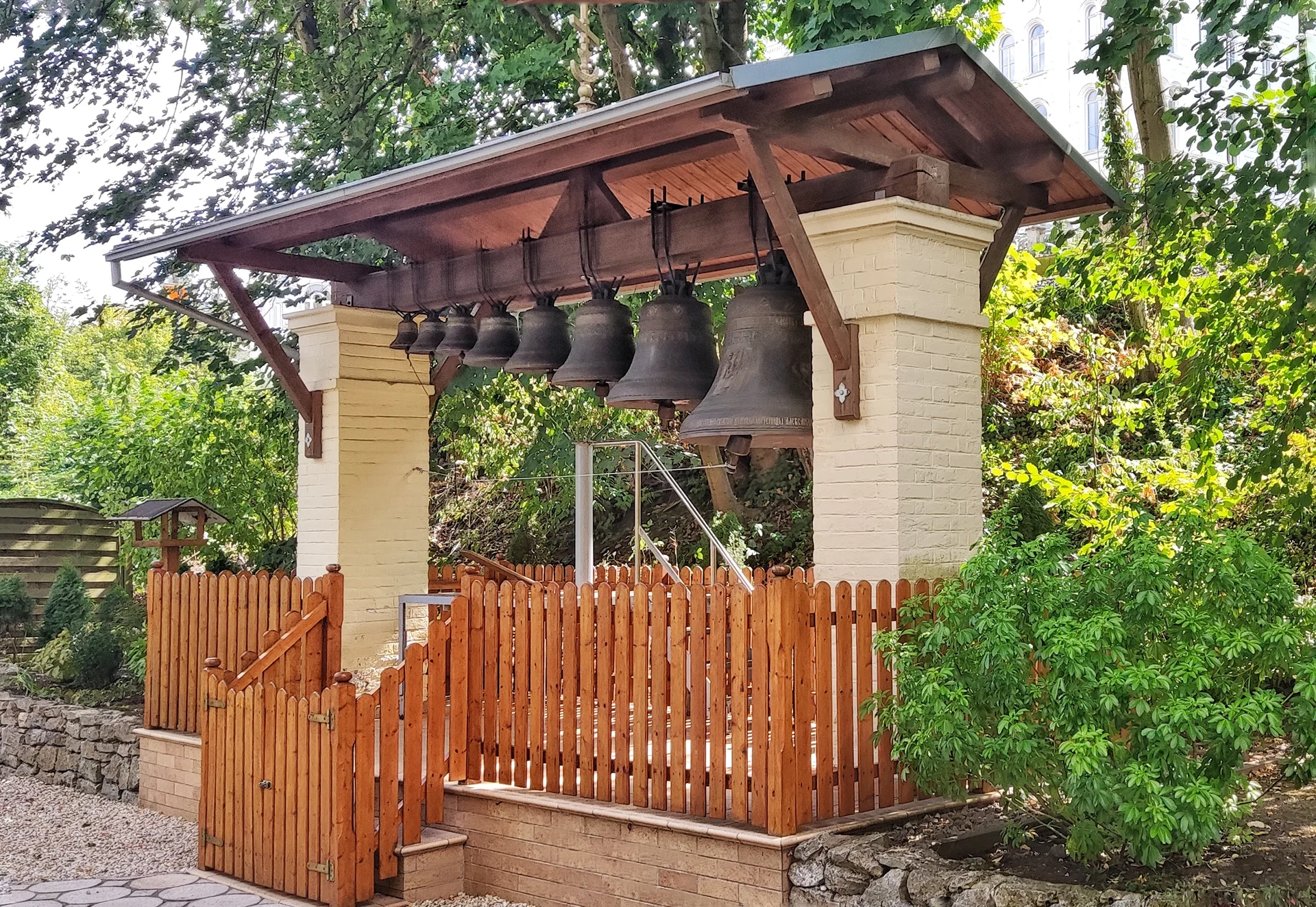
Alexandra-Kirche
📍 North Rhine-Westphalia
The Alexandra-Kirche, a striking example of Byzantine architecture, stands proudly in the heart of Bad Ems, a charming town in Rhineland-Palatinate, Ger...
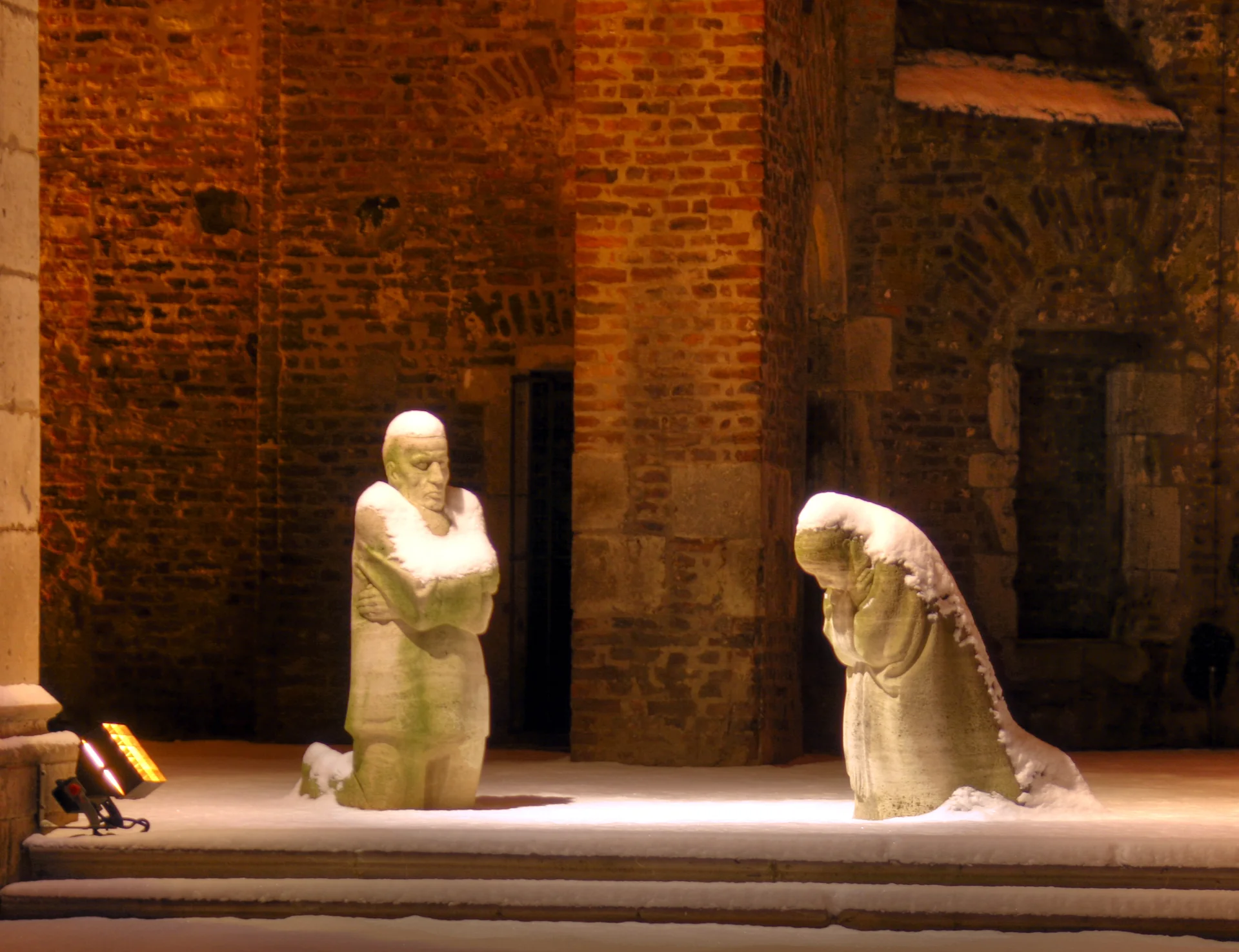
Alt St. Alban
📍 North Rhine-Westphalia
In the heart of Colognes Altstadt-Nord district, Alt St. Alban emerges as a striking example of Gothic architecture, offering a glimpse into the region’...