St. Jakobs Church
Overview
St. Jakob’s Church, a striking brick structure founded in 1250, holds a special place in Munich’s rich architectural and cultural heritage. As you approach this historical site, the church’s robust façade captures your attention, hinting at the stories and transformations that lie within. Located in the heart of Munich, St. Jakob’s Church stands as a significant landmark amidst the bustling city landscape. Its historical importance and unique architecture draw visitors from around the world, eager to explore its timeless beauty.
The surrounding landscape complements the church’s presence, creating an inviting atmosphere for reflection and appreciation. As you step inside, you’ll discover not only the artistry of its design but also a sense of tranquility that invites contemplation. This church matters not just as a place of worship, but as a representation of the city’s evolution over centuries. Visitors will find themselves immersed in the sacred space, where each corner reveals a piece of history and art waiting to be uncovered.
History and Significance
St. Jakob’s Church was founded in 1250, marking it as one of the older ecclesiastical structures in Munich. Over the centuries, it has witnessed numerous changes, reflecting the dynamic history of the region. While specific details about its transformations may not be documented here, its longstanding presence speaks volumes about the community’s faith and resilience throughout various historical periods.
The church is attributed to architect Friedrich Haindl, who played a crucial role in shaping its architectural identity. His work contributed to the church’s significance as a religious site and as a historical monument within Munich. The choice of brick as the primary material for construction not only showcases a common architectural practice of the time but also contributes to the church’s enduring strength and presence.
Visitors to St. Jakob’s Church often feel a connection to the past, understanding that they stand in a space that has hosted generations of worshippers and visitors. This connection is part of what makes St. Jakob’s Church a vital part of Munich’s cultural landscape.
Architecture and Features
Constructed primarily from brick, St. Jakob’s Church exhibits a simple yet powerful architectural style that resonates with its historical roots. The use of brick is characteristic of many medieval structures, providing both durability and a unique aesthetic that has stood the test of time.
As you explore the interior and exterior of the church, look for notable features that reflect its architectural integrity. The design elements, while not extensively detailed here, speak to the craftsmanship of the era and invite admiration from all who visit. The layout typically emphasizes verticality and light, drawing the eye upward toward vaulted ceilings and intricate designs.
The simplicity of brick construction, combined with thoughtful architectural details, allows visitors to appreciate both the artistry involved in its creation and the functional purpose it serves as a place of worship.
Visiting Information
Getting to St. Jakob’s Church is straightforward given its central location in Munich. Various public transport options are available in the region, making it accessible for both local residents and tourists. You can take advantage of buses or trams that frequently serve this area.
Hours: Check the official website for current opening hours.
Prices: Visit the official website for current admission prices.
As you prepare for your visit, expect an experience filled with reverence and beauty. Typically, visitors spend about 1-2 hours exploring the church’s interior and exterior. Morning visits are often recommended to avoid crowds and enjoy a quieter atmosphere for reflection.
Best times to visit are during spring and fall when weather conditions are generally pleasant for exploring the nearby area as well.
Accessibility may vary; contact the site directly for the latest information regarding facilities for those with mobility challenges.
Nearby Attractions
While visiting St. Jakob’s Church, consider exploring these nearby attractions that enhance your experience in Munich:
Marienplatz: The central square of Munich, Marienplatz is known for its historic buildings and lively atmosphere. The New Town Hall with its famous Glockenspiel is a must-see.
Viktualienmarkt: This vibrant market offers fresh produce, gourmet foods, and local delicacies. It’s an excellent spot for sampling Bavarian cuisine or picking up souvenirs.
Frauenkirche: Just a short distance away, this iconic cathedral features twin towers that dominate Munich’s skyline. Its stunning interior and history make it worth a visit.
Exploring these attractions will provide you with a broader understanding of Munich’s cultural landscape and historical significance.
Insider Tips
For those looking to capture memorable photographs, consider visiting St. Jakob’s Church during early morning or late afternoon light; these times often yield beautiful natural lighting against the brick façade.
Keep an eye out for lesser-known details such as unique architectural features or artwork within the church that may not be immediately visible upon entry. Engaging with these elements can deepen your appreciation for the site.
To avoid larger crowds, plan your visit on weekdays rather than weekends when local congregations may gather for services or events.
Lastly, local tips suggest taking a moment outside to appreciate the surrounding area; it provides a pleasant backdrop to the church and enhances your overall experience.
Practical Information
Before your visit to St. Jakob’s Church, here are some practical considerations:
What to bring: Comfortable walking shoes are recommended since you’ll likely want to explore both inside and outside the church. A camera is also advisable for capturing the beautiful architecture.
Seasonal considerations: If you’re visiting during colder months, dress warmly as church interiors can be chilly. During warmer months, lightweight clothing is suitable; however, be mindful of modest attire when entering religious sites.
Consolidating these details will ensure a smooth visit to St. Jakob’s Church, allowing you to focus on enjoying this remarkable heritage site.
Frequently Asked Questions
How long should I spend visiting?
You should plan to spend about 1-2 hours at St. Jakob’s Church to fully appreciate its architecture and ambiance.
Is photography allowed inside?
While many churches allow photography, it’s best to check with the church staff upon arrival to understand their specific policies.
Are there guided tours available?
Guided tours may be offered; contact the site directly for more information on availability and scheduling.
What’s the best time of day to visit?
Visiting in the morning often provides fewer crowds and better light for photography.
Is the site wheelchair accessible?
Accessibility may vary; contact the site directly for information regarding wheelchair access and facilities.
Can I buy tickets online?
Check the official website for current admission prices and ticket purchasing options.
Are there facilities like restrooms and cafes?
Facilities may be available nearby; inquire with local resources or at the church for specifics.
What should I wear when visiting?
Modest attire is recommended when visiting places of worship; comfortable shoes will help with exploring the site effectively.
Location
More in Bavaria

Herrenchiemsee
📍 Bavaria
Imagine stepping onto an island that transports you to the opulent era of Bavarian royalty. Herrenchiemsee, a remarkable complex of royal buildings, sit...

Neuschwanstein Castle
📍 Bavaria
Imagine stepping into a fantastical realm where fairy tales and history intertwine. Neuschwanstein Castle, a magnificent palace in Bavaria, Germany, cap...
Asamkirche
📍 Bavaria
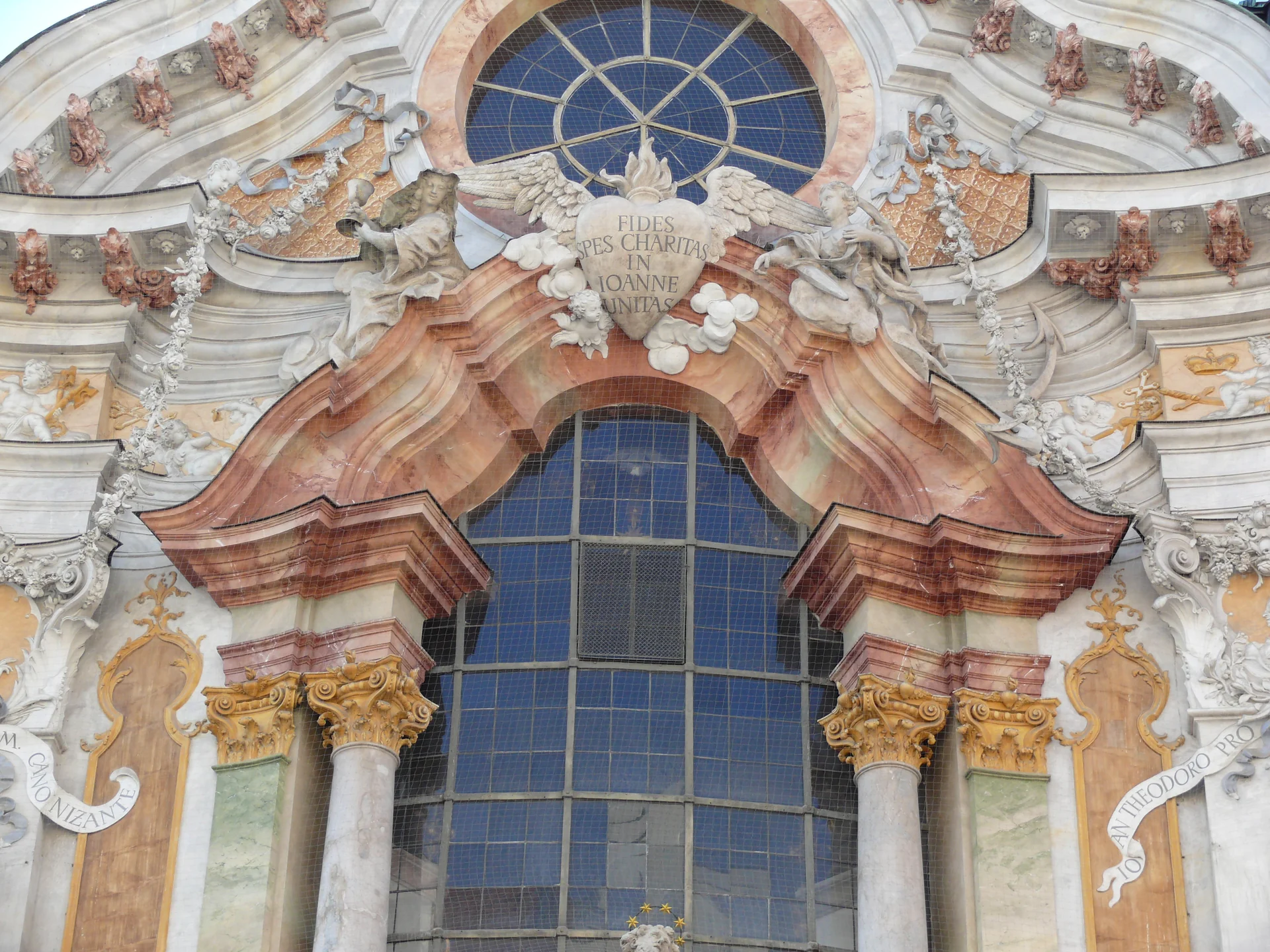
As you wander through the vibrant streets of Munich, a striking architectural gem captures your attention: Asamkirche, a stunning example of Rococo desi...
Basilica Gößweinstein
📍 Bavaria
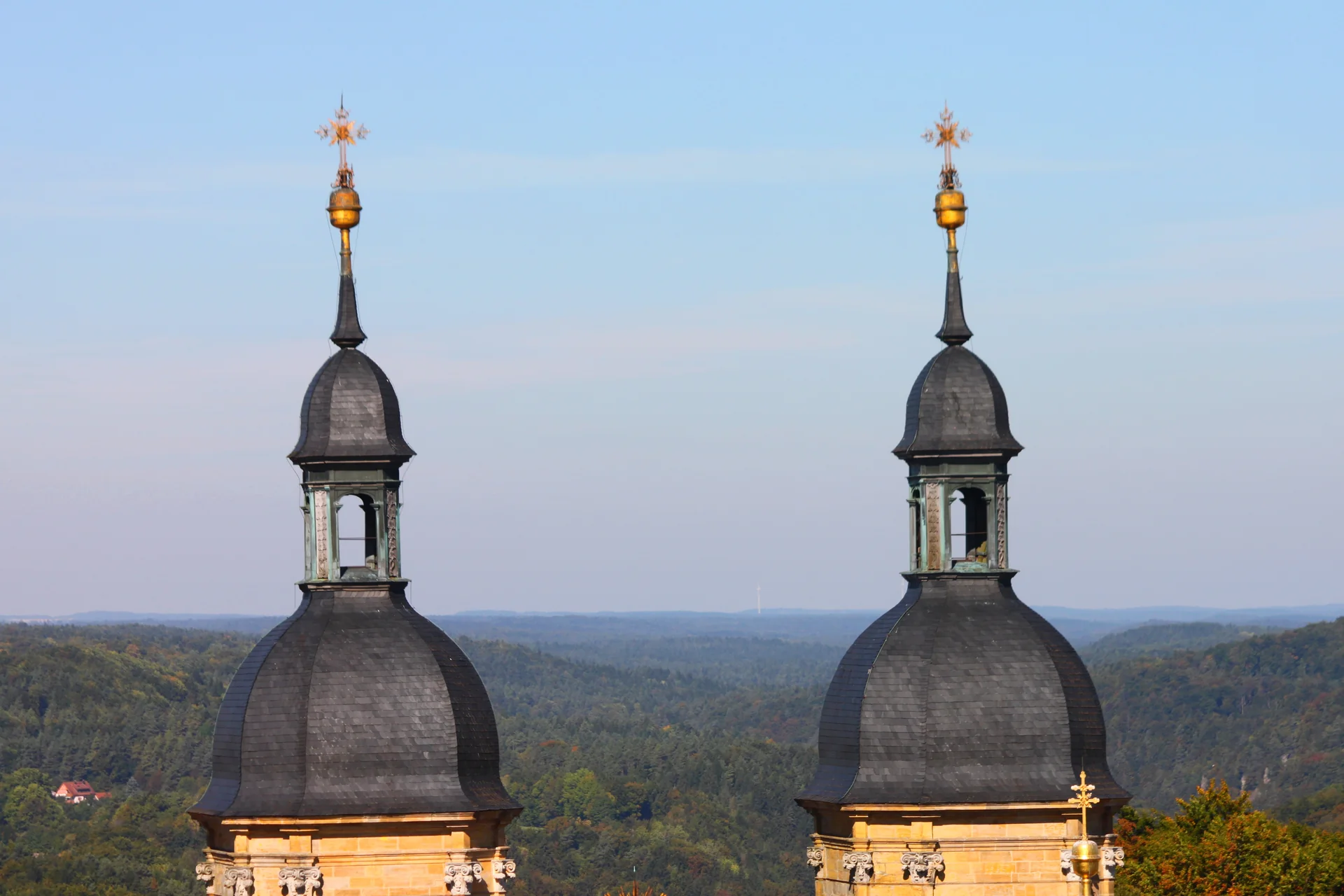
Basilica Gößweinstein, a striking example of Baroque architecture, commands attention with its intricate design and cultural significance. Located in th...