Overview
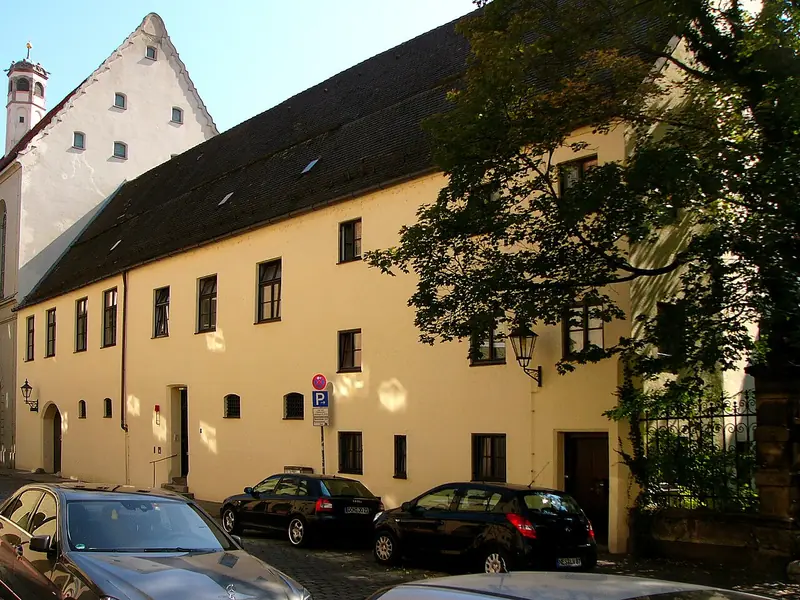
St. Catharine’s Convent, a former monastery of Dominican nuns, is located in the heart of Augsburg, Bavaria, Germany. This historic school building represents a significant chapter in the city’s educational and religious history. As a former center of learning, it embodies the evolution of education in the region and the role of women in religious communities. Today, it serves as a testament to the intertwining of faith and education, making it an intriguing destination for those interested in cultural heritage.
Visitors to St. Catharine’s Convent will find themselves immersed in an environment that reflects centuries of tradition and learning. The convent’s historical importance is complemented by its architectural features, which encapsulate the essence of the time in which it was built. With its rich backdrop, St. Catharine’s is an essential stop for anyone exploring the educational heritage of Augsburg.
History and Significance
St. Catharine’s Convent has its roots in the Dominican order, which is known for its commitment to education and scholarship. The convent was established as a place where Dominican nuns could engage in religious and academic pursuits. This dedication to learning created a unique space for women, providing them with opportunities that were often limited during various periods of history.
The convent played a substantial role in the religious and cultural life of Augsburg. It was not just a place of worship, but also a center for education, contributing to the intellectual development of the community. The Dominican nuns who resided here were instrumental in promoting literacy and education for girls, thereby impacting the societal dynamics of the region.
Over the centuries, St. Catharine’s Convent has witnessed numerous changes, reflecting the broader social and political transformations in Germany. The convent’s ability to adapt to the evolving needs of society speaks to its resilience and significance. As a historic school building, it remains a crucial element of Augsburg’s educational landscape, highlighting the importance of female education in a male-dominated society.
Today, the convent serves as a reminder of the historical contributions of religious women to education and their role in shaping the cultural narrative of Augsburg. This makes St. Catharine’s not only a site of religious importance but also a location that embodies the spirit of enlightenment and knowledge.
Architecture and Features
The architecture of St. Catharine’s Convent showcases elements characteristic of its historical context. As a former monastery, the building reflects the austere beauty often associated with religious structures of the Dominican order. The design combines functionality with spiritual symbolism, creating an environment conducive to both contemplation and learning.
The convent features a harmonious blend of Gothic and Renaissance architectural styles, which can be seen in its pointed arches, vaulted ceilings, and intricate detailing. These elements contribute to a sense of tranquility that permeates the space. The interior is marked by spacious rooms that once served as classrooms and common areas for the nuns, emphasizing the building’s dual role as both a religious and educational institution.
One of the notable features of the convent is its chapel, which stands as a focal point for the community. This sacred space is adorned with religious art and serves as a reminder of the convent’s spiritual mission. The surrounding gardens, although modest, offer a serene setting for reflection and study, complementing the educational atmosphere of the convent.
The preservation of St. Catharine’s Convent allows visitors to appreciate the architectural significance and historical context of this important site. Its design not only reflects the era in which it was built but also serves as a testament to the enduring legacy of the Dominican nuns who dedicated their lives to education and faith.
Visiting Information
Visiting St. Catharine’s Convent offers an enriching experience for those interested in history, architecture, and education. The convent is accessible by various forms of transportation, making it easy to include in your itinerary while exploring Augsburg.
When planning a visit, it is advisable to check the official website for current information regarding hours and admission prices. Visitors can expect to spend a few hours at the site, allowing sufficient time to explore the grounds and appreciate the architectural features.
The best times to visit St. Catharine’s Convent are during weekdays, as weekends may attract larger crowds. Early morning or late afternoon visits can provide a quieter atmosphere for reflection and exploration.
Inside, guests will find informative displays that provide context about the convent’s history and its role in education. Guided tours may also be available, offering deeper insights into the significance of the site. Be sure to inquire about any additional activities or events happening during your visit.
Nearby Attractions
Augsburg is home to several attractions that complement a visit to St. Catharine’s Convent:
- Augsburg Cathedral - A stunning example of Gothic architecture, this cathedral features intricate stained glass and historical significance.
- Fuggerei - The world’s oldest social housing complex, established by the Fugger family, represents an important aspect of Augsburg’s social history.
- Augsburg Town Hall - Renowned for its Renaissance architecture and majestic Golden Hall, this building is a symbol of the city’s civic pride.
- Perlach Tower - Climb this historic tower for panoramic views of Augsburg and gain insights into the city’s past.
- Schaezlerpalais - This baroque palace houses an impressive art collection and offers a glimpse into the opulence of the past.
These attractions are conveniently located within the city and can enhance your overall experience in Augsburg.
Insider Tips
For photography enthusiasts, St. Catharine’s Convent offers various angles for capturing its architectural beauty. Early morning light can create a serene atmosphere ideal for photos. Additionally, consider exploring the gardens, which can provide unique backdrops for your images.
To avoid crowds, aim to visit during weekdays and outside of peak tourist seasons. Engaging with the staff can also lead to more personalized insights about the convent, enriching your visit.
Practical Information
When visiting St. Catharine’s Convent, it is advisable to bring comfortable walking shoes, as you may explore both the interior and the surrounding grounds. Depending on the season, layering your clothing can help you adapt to changing temperatures, particularly if you plan to spend time outdoors.
Consider bringing a water bottle and light snacks, as options at the site may be limited. Be mindful of seasonal considerations, as the convent may host special events or activities during certain times of the year.
Frequently Asked Questions
How long should I spend visiting?
A visit typically lasts about 2 to 3 hours, allowing time to explore the site and absorb its history.
Is photography allowed?
Photography policies can vary, so it is best to check with the staff upon arrival.
Are there guided tours?
Guided tours may be available, providing deeper insights into the history and significance of the convent. Check the official website for details.
What’s the best time to visit?
Weekdays are recommended for a quieter experience, especially in the early morning or late afternoon.
Is it wheelchair accessible?
Check the official website for specific accessibility options available at the convent.
Can I buy tickets online?
Information regarding online ticket purchases should be confirmed via the official website.
Are there restrooms and cafes?
Facilities may be limited, so it’s advisable to plan accordingly.
What should I wear?
Dress comfortably and consider appropriate attire for visiting a historical and religious site.
Photo Gallery