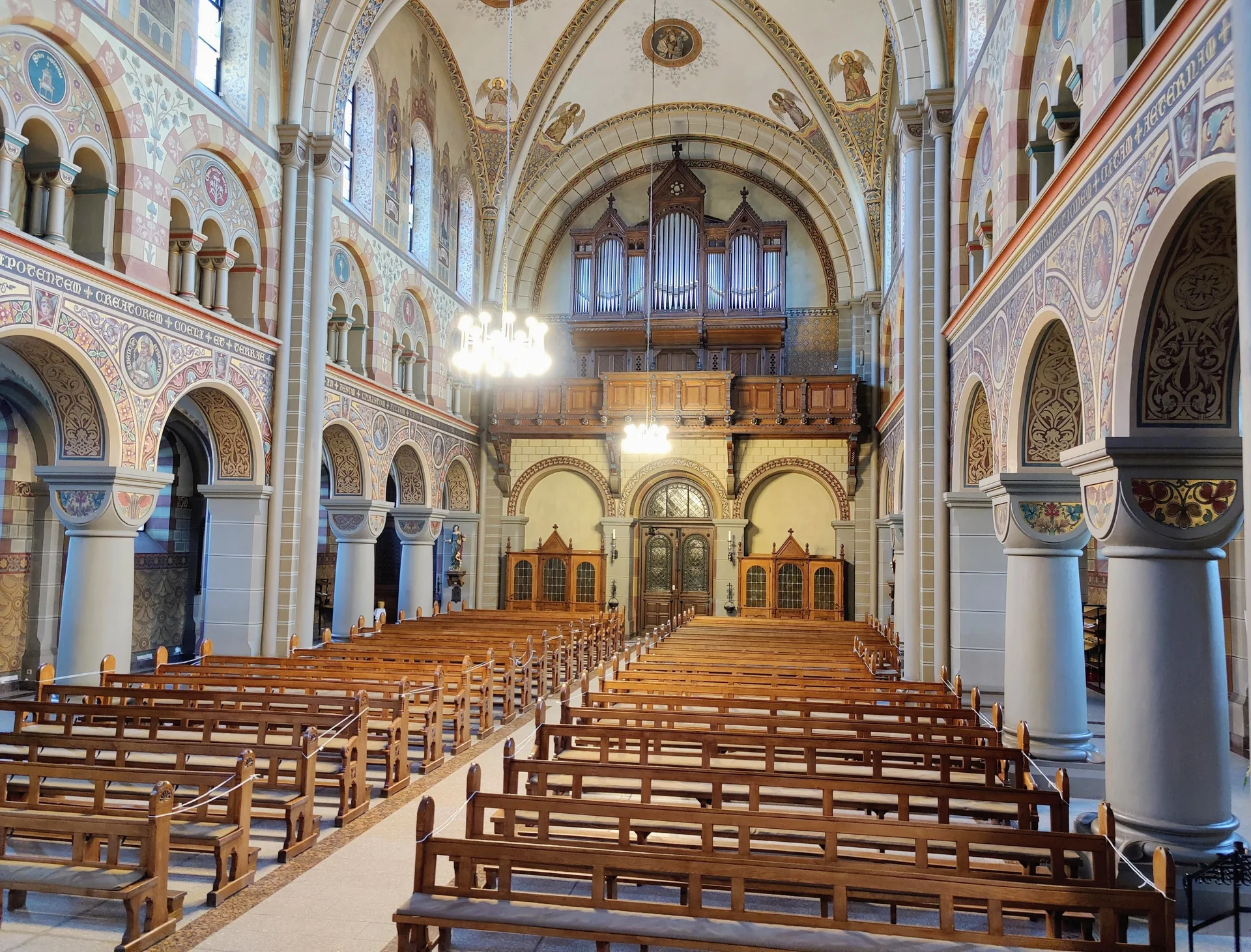
St. Cäcilia
Overview
St. Cäcilia, an evocative church building located in Harsum, Lower Saxony, Germany, invites visitors to explore its rich architectural heritage and the spiritual significance it holds for the local community. This church, designed in the Romanesque Revival style, stands as a remarkable example of 19th-century ecclesiastical architecture, reflecting both historical and cultural narratives that have shaped the region over time.
Positioned amidst the serene landscape of Harsum, St. Cäcilia serves not only as a place of worship but also as a landmark that connects residents and visitors alike to the area’s heritage. You will discover the intricate details of its design and the stories that echo within its walls, providing a deeper understanding of the significance of religious architecture in German culture.
As you embark on your visit, prepare to immerse yourself in a blend of historical context and artistic expression that defines St. Cäcilia. The church is not merely a structure; it encapsulates centuries of community life, faith, and tradition, making it an essential stop on your journey through Lower Saxony.
History and Significance
St. Cäcilia’s architectural roots can be traced back to the vision of architect Christoph Hehl, who designed this notable church building. The Romanesque Revival style is characterized by its robust forms and round arches, drawing inspiration from earlier medieval structures while incorporating modern sensibilities of its time.
The historical significance of St. Cäcilia extends beyond its architectural features; it represents a period when communities sought to express their identity through the construction of places of worship that were both functional and symbolic. Over the centuries, such churches have played pivotal roles in their communities, often serving as centers for social gatherings, celebrations, and rites of passage.
As you explore St. Cäcilia, consider the countless individuals who have entered its doors, seeking solace and connection with their faith. Each element of the church tells a story—of devotion, artistry, and the enduring nature of belief.
Architecture and Features
St. Cäcilia exemplifies the Romanesque Revival architecture that was prominent in the 19th century. This style is noted for its use of rounded arches and sturdy construction, which can be observed in the church’s facade and interior design. The design captures the essence of historical ecclesiastical architecture while accommodating contemporary needs.
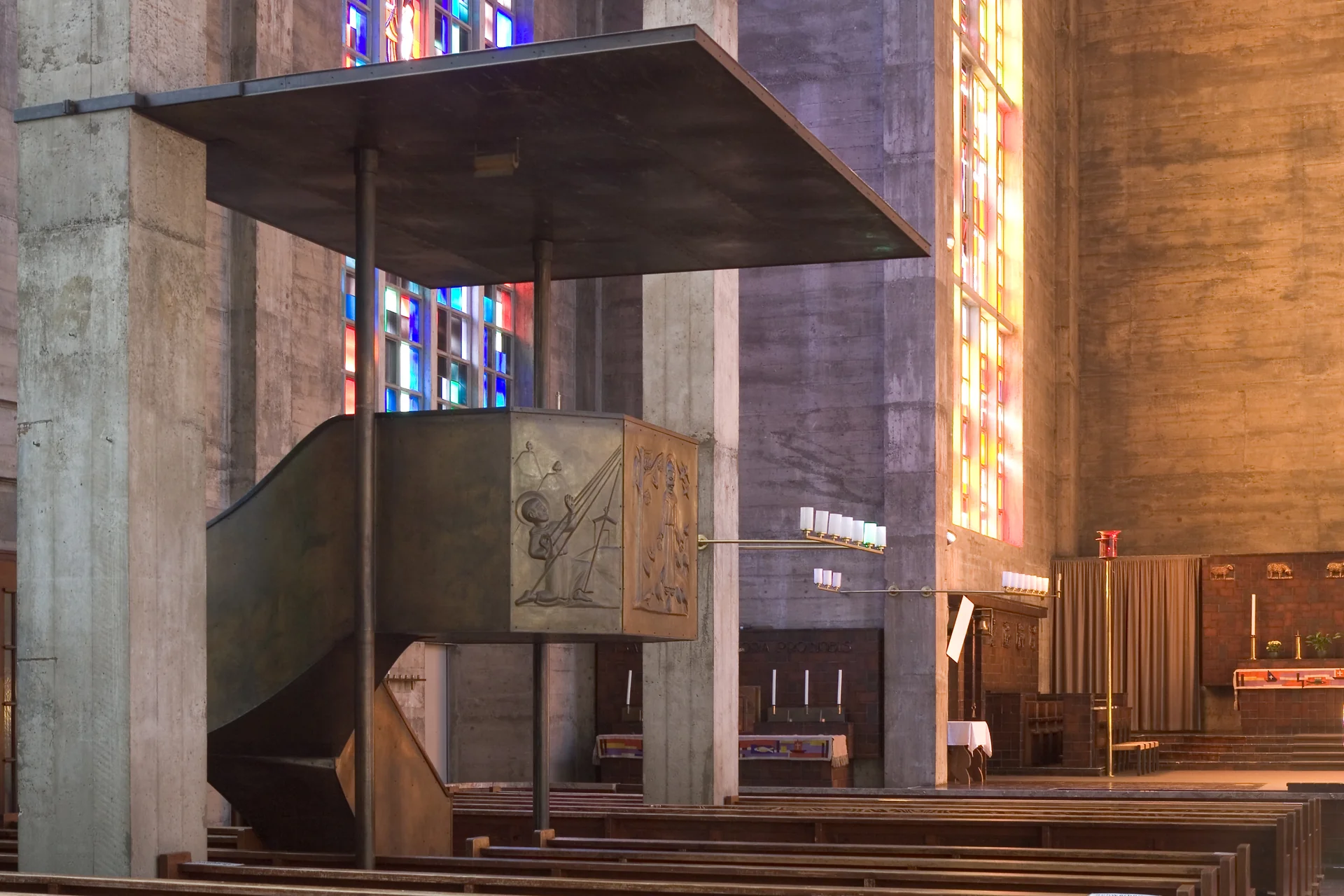
While specific details regarding dimensions or materials are not available, visitors can expect to find notable features typical of Romanesque Revival churches. These may include decorative stonework, intricate stained glass windows that filter light into vibrant patterns, and a harmonious interior layout conducive to worship and community gatherings.
As you walk through the church, take time to appreciate how these architectural elements create an atmosphere conducive to reflection and spirituality. The craftsmanship speaks to a dedication not only to aesthetics but also to the community’s faith.
Visiting Information
Getting to St. Cäcilia is straightforward, with various transport options available for those traveling within Lower Saxony. Whether you choose to drive or use public transport, accessing this site is convenient.
Hours: Check the official website for current opening hours.
Prices: Visit the official website for current admission prices.
During your visit, you can expect an experience that combines quiet contemplation with the chance to learn about the church’s history and significance. Allocate approximately 1-2 hours for your exploration to fully appreciate both the interior and exterior aspects of St. Cäcilia.
For optimal visiting conditions, consider arriving in the morning when crowds are typically smaller. Spring and fall offer pleasant weather for those looking to enjoy their time outdoors as well.
Accessibility: Contact the site directly for the latest information regarding accessibility options for visitors with mobility challenges.
Nearby Attractions
While visiting St. Cäcilia, take advantage of other nearby attractions that enrich your experience in Harsum:
- Local Parks: Enjoy leisurely strolls in scenic parks that offer a peaceful retreat.
- Cultural Centers: Explore local cultural centers that may host exhibitions or events related to the area’s heritage.
- Historical Sites: Consider visiting other historical landmarks in the vicinity that provide insight into Lower Saxony’s rich past.
Each of these destinations complements your visit to St. Cäcilia, allowing you to delve deeper into the cultural fabric of Harsum.
Insider Tips
For photography enthusiasts, early morning light offers optimal conditions for capturing the beauty of St. Cäcilia’s exterior. Look for unique angles that showcase its architectural features against the backdrop of the surrounding landscape.
As you explore, pay attention to lesser-known details such as decorative carvings or inscriptions that may not be immediately visible but add depth to your understanding of the church’s history.
To avoid crowds, consider visiting during weekdays or off-peak hours. Engaging with local staff can provide you with additional insights and stories about St. Cäcilia that enhance your experience.
Practical Information
To make the most of your visit to St. Cäcilia, consider bringing along a camera for capturing memories, a notebook for jotting down reflections or insights, and comfortable walking shoes for exploring both inside and outside the church.
Seasonal considerations include checking weather forecasts before your visit; spring and fall are typically mild but can vary. Ensure you dress appropriately for changing temperatures.
Consolidate your plans by checking official resources before heading out to ensure you have all necessary details for your visit.
Frequently Asked Questions
How long should I spend visiting?
Allocate approximately 1-2 hours to fully appreciate St. Cäcilia’s architectural features and historical significance.
Is photography allowed inside?
Check with site management regarding photography policies inside St. Cäcilia to respect any restrictions that may apply.
Are there guided tours available?
Contact the site directly for information about guided tours or informational materials available during your visit.
What’s the best time of day to visit?
Morning is often quieter, making it an ideal time for a more contemplative experience at St. Cäcilia.
Is the site wheelchair accessible?
Contact the site directly for the latest information regarding accessibility options available for visitors with mobility challenges.
Can I buy tickets online?
Visit the official website for current admission prices and information on ticket purchasing options.
Are there facilities like restrooms and cafes?
Check with site management for details on visitor facilities such as restrooms or nearby dining options.
What should I wear when visiting?
Dress modestly as a sign of respect when visiting St. Cäcilia; comfortable shoes are recommended for exploring both inside and outside the church.
Photo Gallery


More in Lower Saxony
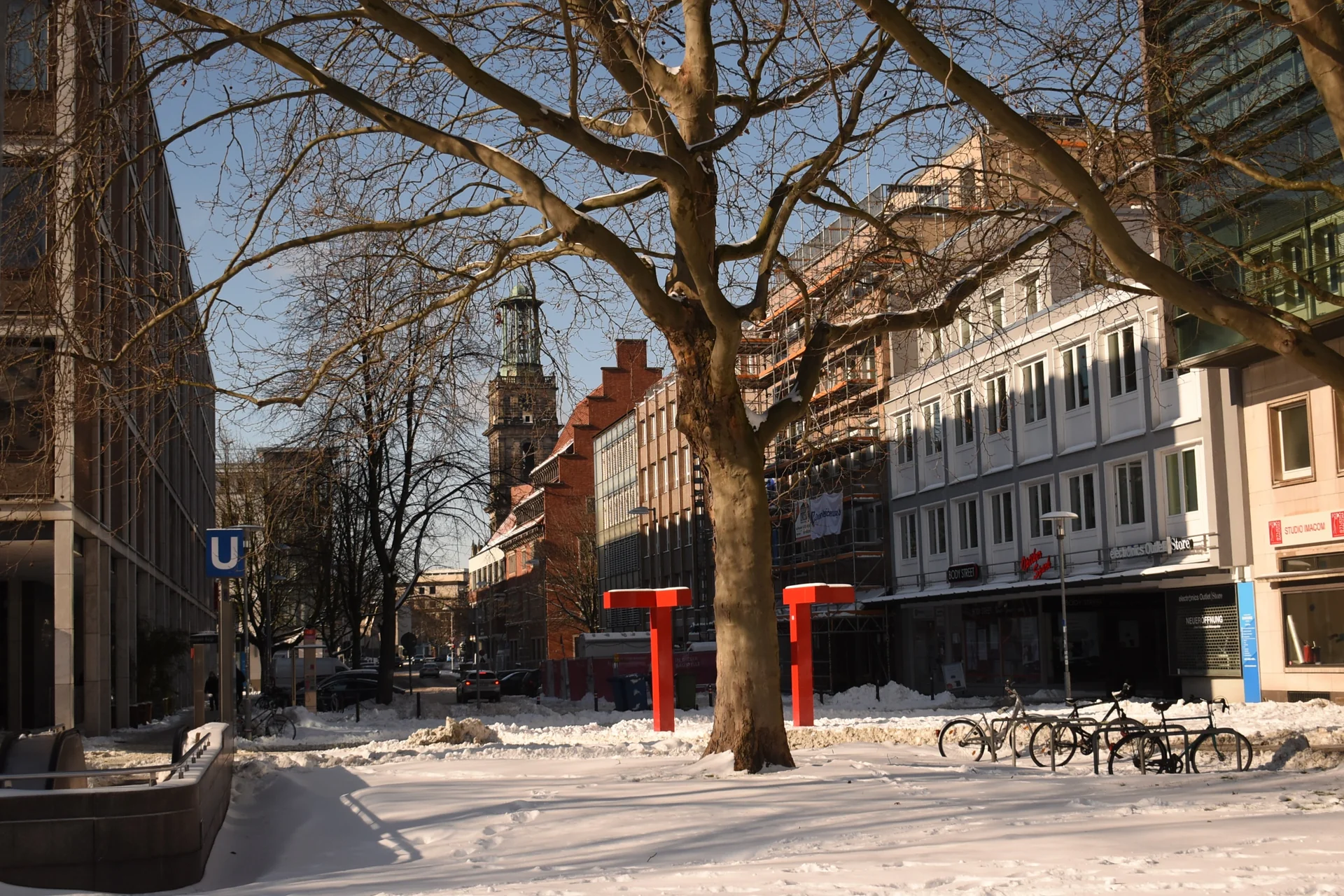
Aegidienkirche
📍 Lower Saxony
In the heart of Hannover, Germany, lies Aegidienkirche, a striking church ruin that invites both reflection and exploration. Founded in 1347, this Gothi...
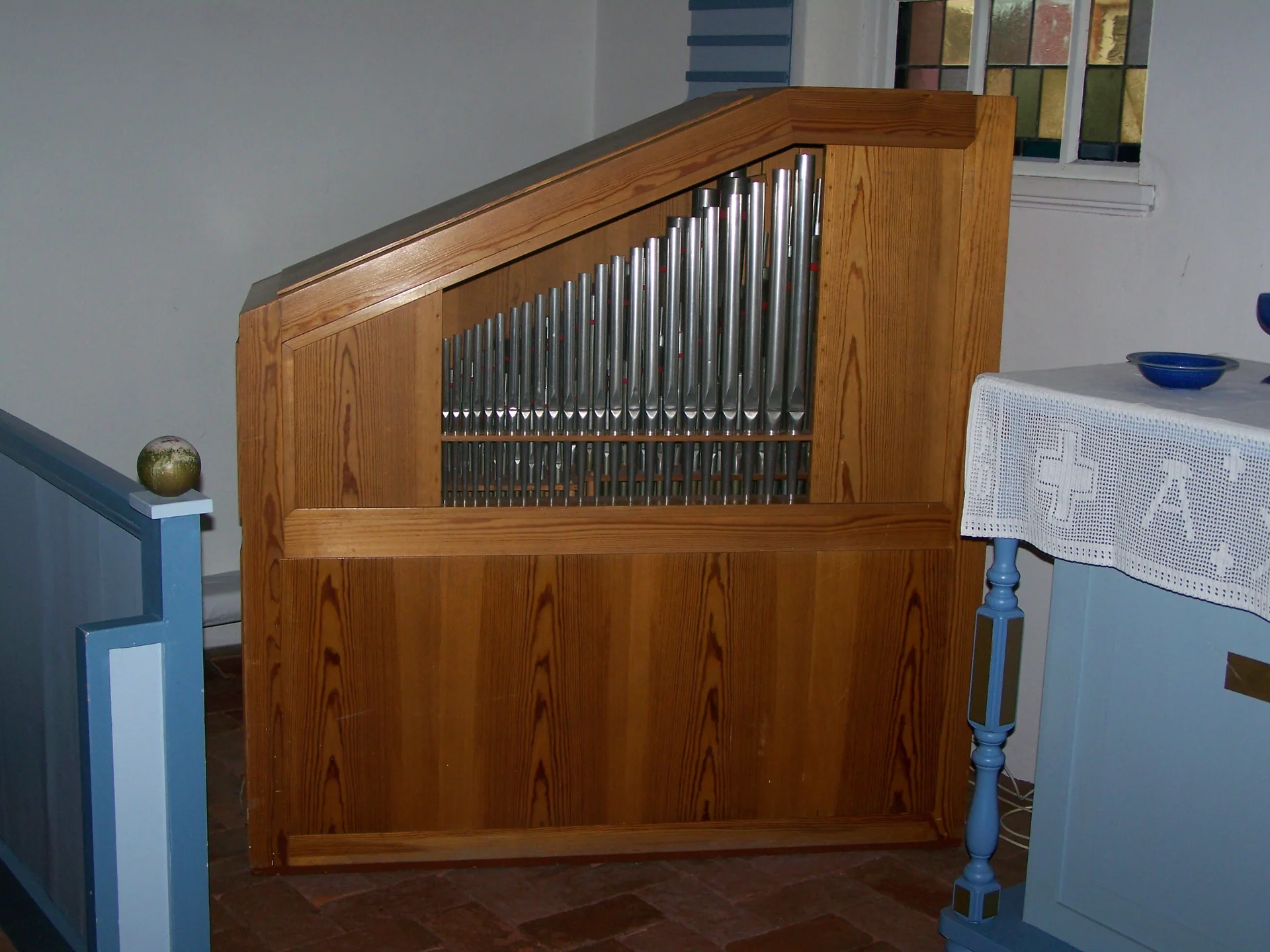
Alte Inselkirche
📍 Lower Saxony
The Alte Inselkirche, a striking church building located on the tranquil island of Spiekeroog in Germany, offers visitors a glimpse into the serene beau...
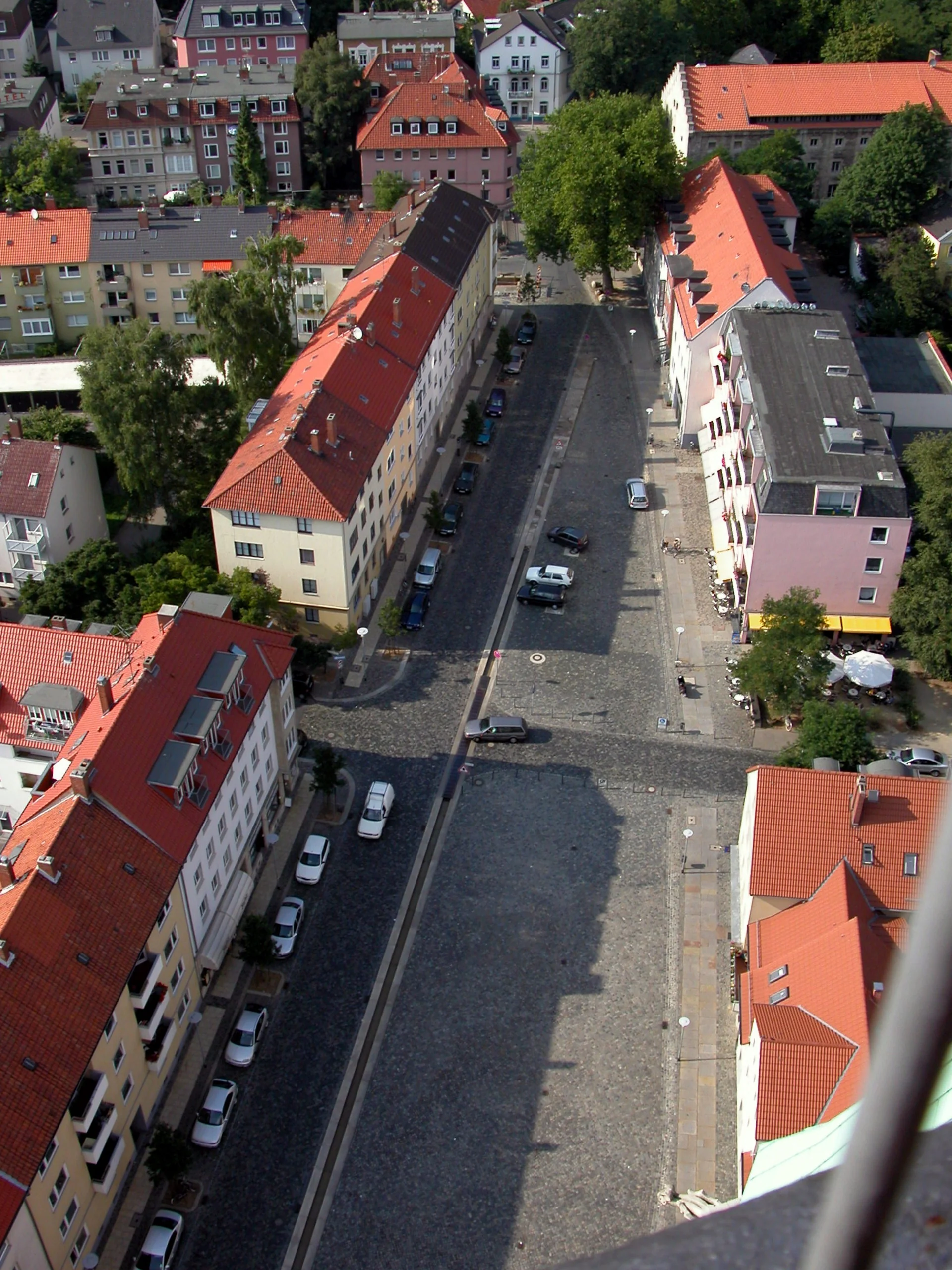
Andreaskirche (Norden)
📍 Lower Saxony
In the heart of Norden, Germany, the Andreaskirche stands as a remarkable example of Brick Gothic architecture. This church, constructed primarily from ...
Antoniuskirche
📍 Lower Saxony
In the tranquil region of Bispingen, Germany, the Antoniuskirche stands as a remarkable example of Gothic Revival architecture. Constructed predominantl...