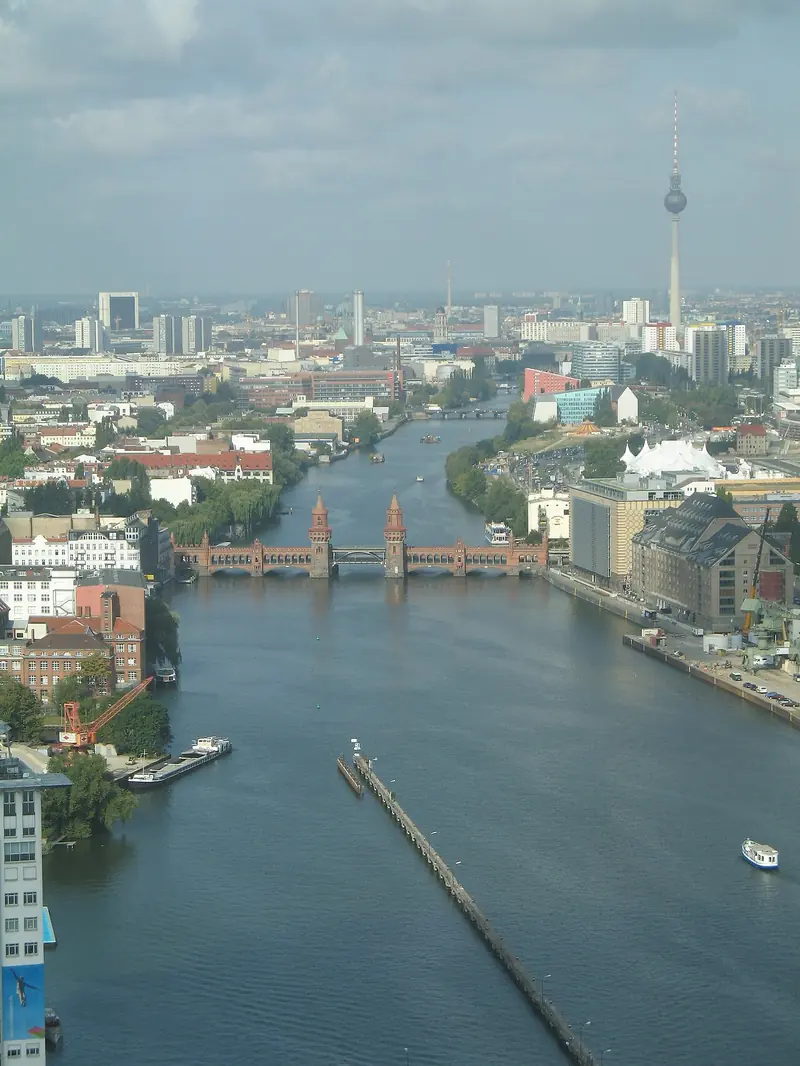
Overview
The Spree River, coursing through the heart of Germany, is more than just a waterway; it is an artery of culture and history that has shaped the region’s development for centuries. Originating in the Saxon region and meandering through a variety of landscapes before eventually flowing into the Havel River, the Spree serves as a vital natural site that has influenced both the environment and human settlements along its banks. Its waters have witnessed the rise and fall of empires, the flourishing of cities, and the evolution of communities.
The river not only offers a picturesque backdrop for outdoor activities and leisurely exploration, but it also plays a crucial role in the ecology of the region. As you trace its course, you will discover vibrant ecosystems and the historical significance embedded in its banks. Whether you’re a history enthusiast, a nature lover, or someone looking to immerse yourself in local culture, the Spree River promises a unique experience.
As you prepare to explore this remarkable river, you’ll find that it is more than just a destination; it is a gateway to understanding Germany’s natural heritage and cultural narrative.
History and Significance
The Spree River has long been integral to the history of Germany. Its waters have sustained human life for millennia, facilitating trade, travel, and agriculture. The river has been a crucial resource for the communities that have developed along its banks, providing not only water but also a means of transportation. Over time, the Spree has witnessed significant historical events that have shaped the social and political landscape of the region.
Throughout the Middle Ages, the river became a major trade route, connecting various towns and cities. This facilitated economic growth and cultural exchange, allowing communities to flourish. The Spree was particularly vital during the industrial era when its banks became lined with factories and warehouses, marking a period of rapid urban development. As cities expanded, the river continued to serve as a lifeline, supporting the growing populations with resources and transportation.
The Spree has also played a role in shaping the identity of Berlin, the capital city of Germany. As the river winds through the city, it has become a central element of its urban landscape, influencing architecture and city planning. Historical landmarks and parks have sprung up along its banks, allowing visitors to appreciate both the natural beauty and the cultural significance of the river.
In contemporary times, the Spree continues to be a vital waterway, not just for transportation but also for recreation and leisure. Boating, kayaking, and riverside strolls have become popular activities, drawing both locals and tourists to its banks. The river stands as a symbol of resilience and adaptation, reflecting the changes within the society that surrounds it.
Architecture and Features
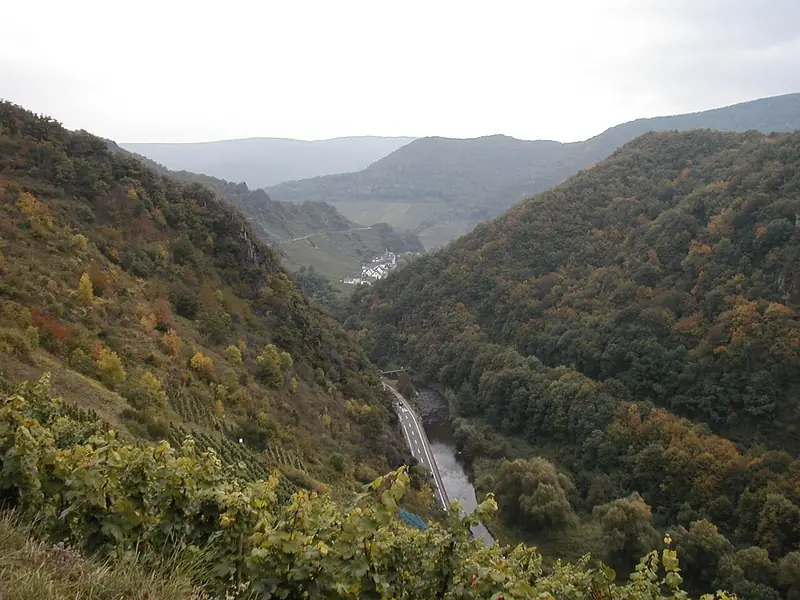
The Spree River is characterized by its winding course and the diverse landscapes it traverses. The physical features of the river are marked by tranquil stretches, vibrant ecosystems, and urban developments that reflect the history of the region. The banks of the Spree are lined with parks and pathways that invite exploration, offering a harmonious blend of nature and human ingenuity.
In urban areas, particularly in Berlin, the architecture along the river showcases a mix of historical and modern styles. Iconic structures, such as bridges and waterfront buildings, create a stunning visual narrative. The Spree is also home to notable cultural institutions, museums, and galleries that enhance the riverside experience. These establishments often host events and exhibitions that draw attention to the river’s significance in shaping cultural discourse.
Natural features along the Spree include lush greenery, meadows, and habitats that support local wildlife. The river’s banks are often adorned with trees and plants that contribute to the ecological health of the area. As you stroll or bike along its pathways, the interplay between the natural and built environments becomes evident, creating opportunities for relaxation and reflection.
The Spree River serves not only as a physical space but also as a cultural canvas, where art and history intertwine. From graffiti murals to sculptures placed strategically along the river, the area reflects the vibrant artistic spirit of the communities it serves.
Visiting Information
Visiting the Spree River offers a multitude of experiences, whether you’re interested in outdoor adventures or cultural exploration. To reach the river, various transportation options are available, including public transit systems that connect major cities and towns along its course. If you’re traveling to Berlin, the city’s efficient subway and bus services make it easy to access the river’s many entry points.
While specific hours and prices for activities along the river can vary, it is advisable to check the official website for current information. You can expect to find various recreational activities such as boating, cycling, and walking paths that line the riverbanks. The time needed for a visit can vary greatly depending on your interests; a leisurely stroll might take a couple of hours, while a more in-depth exploration of the surrounding attractions could easily fill a day.
The best times to visit the Spree River are during the spring and summer months when the weather is pleasant, and outdoor activities are in full swing. However, each season offers unique experiences, with autumn providing stunning foliage and winter offering a quieter, more reflective atmosphere along the river.
Nearby Attractions
When visiting the Spree River, several nearby attractions can enhance your experience:
Berlin’s Museum Island: A UNESCO World Heritage site, this ensemble of museums offers a wealth of cultural and historical treasures, all situated along the banks of the Spree.
Treptower Park: A picturesque park located along the river, it features expansive green spaces, walking paths, and a Soviet War Memorial, providing a tranquil escape from the urban hustle.
East Side Gallery: This iconic section of the Berlin Wall, now an open-air gallery, showcases vibrant murals and art installations, celebrating freedom and artistic expression.
Spreewald: Just a short distance from Berlin, this biosphere reserve features a unique network of waterways and lush landscapes, perfect for those interested in nature and outdoor activities.
Schloss Charlottenburg: A beautiful baroque palace located near the Spree, it offers insights into royal history and stunning gardens worth exploring.
Insider Tips
For those looking to capture the essence of the Spree River, photography opportunities abound. Early morning or late afternoon light often provides the best conditions for capturing stunning images of the river and its surroundings. Be mindful of reflections on the water, which can add depth to your photos.
To avoid crowds, consider visiting during weekdays or early in the morning. Many popular spots along the river can become busy, especially during weekends and holidays. Exploring lesser-known sections of the river can also provide a more tranquil experience.
Practical Information
When visiting the Spree River, be sure to bring along essentials such as water, comfortable walking shoes, and a camera to capture the scenic beauty. Seasonal considerations are also important; during summer, sunscreen and hats are advisable, while in cooler months, dressing in layers will help you stay comfortable.
The river’s pathways are generally accessible, but it’s always best to check specific locations for any accessibility concerns. Additionally, consider bringing a picnic to enjoy in one of the many parks along the river, where you can relax and take in the natural beauty around you.
Frequently Asked Questions
How long should I spend visiting?
The time spent visiting the Spree River can vary based on your interests. A casual stroll may take a couple of hours, while a more comprehensive exploration of the surrounding attractions could fill an entire day.
Is photography allowed?
Yes, photography is allowed along the Spree River. The picturesque scenery and vibrant urban landscapes provide ample opportunities for capturing stunning images.
Are there guided tours?
While specific guided tours may not be widely advertised, many local organizations offer walking and biking tours that explore the river and its surroundings. Check local listings for options.
What’s the best time to visit?
The best time to visit the Spree River is during the spring and summer months when outdoor activities are in full swing. However, each season offers unique experiences worth exploring.
Is it wheelchair accessible?
Many sections of the Spree River’s pathways are wheelchair accessible, but it is advisable to check specific locations for any accessibility concerns.
Can I buy tickets online?
While some attractions along the river may offer online ticket purchasing, it is best to check the official website for current information regarding specific activities and prices.
Are there restrooms and cafes?
Restrooms and cafes can be found in various parks and urban areas along the Spree, but it’s best to plan your visit accordingly and check for amenities in advance.
What should I wear?
Comfortable clothing and footwear are recommended for exploring the river and its surroundings. Seasonal attire is also important, so dress appropriately for the weather conditions during your visit.