Speicherstadt
Overview
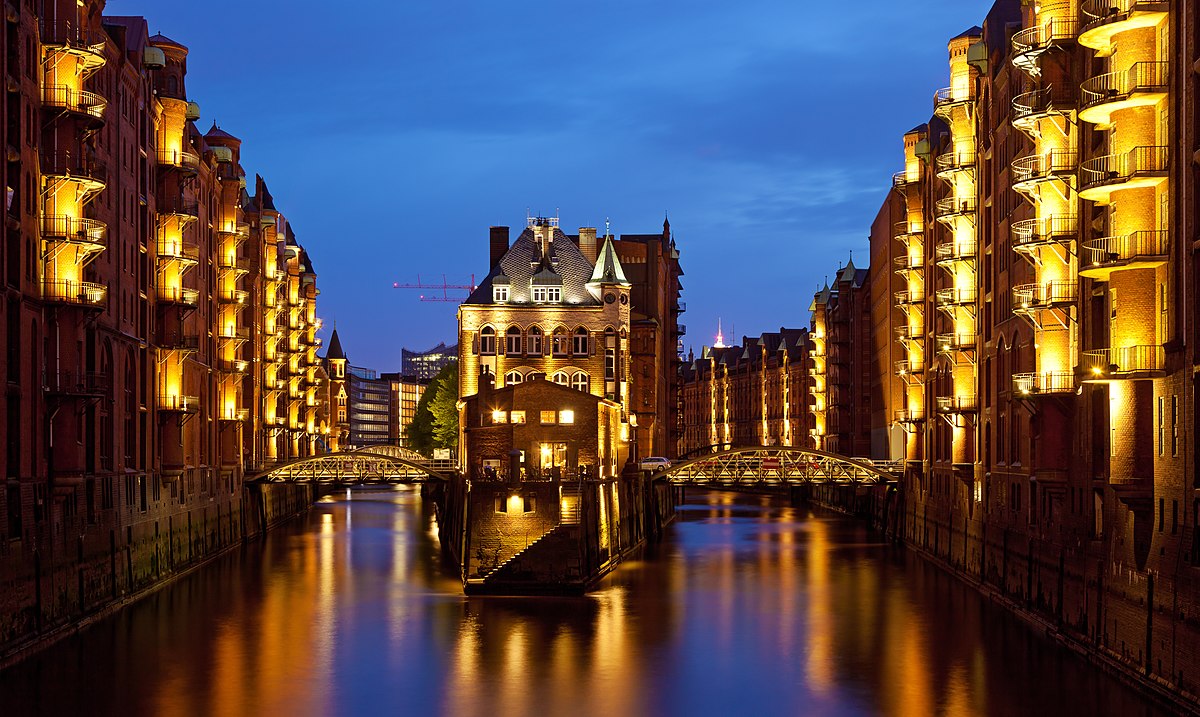
Speicherstadt, an iconic architectural ensemble located in the Hamburg-Mitte district of Germany, reflects the city’s rich maritime heritage and economic history. This historic warehouse district, built on timber-pile foundations, is a striking example of neo-Gothic brick architecture, characterized by its picturesque canals, bridges, and striking red brick structures. As one of the largest warehouse complexes in the world, Speicherstadt offers a unique insight into Hamburg’s role as a major trading hub since the late 19th century. Visitors can explore its storied past while enjoying the enchanting atmosphere created by the interplay of water and architecture.
Designated as a UNESCO World Heritage Site, Speicherstadt stands out not only for its historical significance but also for its architectural beauty. The ensemble consists of numerous warehouses, many of which still serve their original purpose, housing various businesses, museums, and cultural institutions. As you wander through its labyrinthine streets, you’ll encounter a vibrant blend of history, culture, and modernity, making it a must-visit destination for anyone exploring Hamburg.
History and Significance
The history of Speicherstadt is intrinsically linked to Hamburg’s status as a vital port city. Construction began in the late 19th century, during a period of economic growth that saw an increase in trade and the need for substantial storage facilities. The warehouses were designed to facilitate the handling of goods, particularly coffee, tea, and spices, which were central to Hamburg’s trade. This architectural ensemble is significant not only for its size but also for its innovative use of materials and design, which allowed for the construction of large, flood-resistant structures on the marshy ground of the Elbe River.
The district’s design reflects the industrial aspirations of the time, showcasing the use of red brick and elaborate ornamentation that was characteristic of the neo-Gothic style. Each warehouse was uniquely designed to cater to the specific needs of the goods it housed, with features such as loading docks and large openings for easy access. Over the years, Speicherstadt has undergone various transformations, adapting to changes in trade and commerce while preserving its architectural integrity.
In 2015, Speicherstadt was recognized as a UNESCO World Heritage Site, underscoring its cultural importance and contribution to the heritage of Hamburg. The designation highlights the ensemble’s role in the development of the city and its influence on the architectural landscape of urban warehouse complexes worldwide. Today, Speicherstadt not only serves as a reminder of Hamburg’s trading past but also as a vibrant hub for tourism, culture, and art.
Architecture and Features
Speicherstadt is distinguished by its striking architecture, marked by an impressive collection of red brick buildings that rise elegantly above the canals. The warehouses are characterized by their tall, narrow designs, often adorned with intricate gables, decorative elements, and pointed arches. The use of bricks, a prevalent material in Hamburg, gives the ensemble a cohesive yet varied aesthetic, with each structure showcasing unique design elements that reflect the functional needs of the businesses housed within.
The district is intersected by a network of canals, which were integral to the original design, allowing for easy transportation of goods. Bridges connect the warehouses, creating a picturesque setting that is particularly enchanting when illuminated at night. The architectural layout is not only functional but also visually appealing, highlighting the harmony between industrial utility and artistic expression.
Among the notable features of Speicherstadt is the Wasserschloss (Water Castle), located at the entrance of the district. This building serves as a striking focal point, embodying the neo-Gothic style with its distinctive turret and decorative elements. Additionally, the area is home to several museums and attractions, including the Spice Museum and the Miniatur Wunderland, the world’s largest model railway exhibition, further enriching the visitor experience.
Visiting Information
Visiting Speicherstadt provides an opportunity to immerse yourself in Hamburg’s maritime heritage. The area is easily accessible by public transport, with several bus and train lines servicing the vicinity. For those arriving by foot, the scenic canals and bridges make for a delightful stroll, offering numerous vantage points for photographs.
Check the official website for current information regarding opening hours and any potential admission fees for specific museums and attractions within Speicherstadt. While the area can be explored in a few hours, taking your time to appreciate the architecture and visit museums may require half a day or more. The best times to visit are during the early morning or late afternoon when the light casts a warm glow on the brick facades, creating an inviting atmosphere for exploration.
During peak tourist seasons, the district can become crowded, so visiting during weekdays or off-peak hours may enhance your experience. Be prepared for possible weather variability, as Hamburg can be known for its unpredictable climate; dressing in layers is advisable.
Nearby Attractions
While exploring Speicherstadt, consider visiting these nearby attractions to enrich your experience:
Elbphilharmonie: This stunning concert hall is a modern architectural marvel located on the banks of the Elbe River. Its wave-like glass structure offers breathtaking views of the city and the harbor.
Hamburg Dungeon: For those interested in a more thrilling experience, the Hamburg Dungeon provides an interactive journey through the city’s darker history, complete with live actors and elaborate sets.
Miniatur Wunderland: Located within Speicherstadt, this extensive model railway exhibition showcases intricate miniature landscapes and cities from around the world, making it a favorite for families and enthusiasts alike.
International Maritime Museum: A short distance away, this museum delves into maritime history, featuring a vast collection of artifacts, models, and exhibits that celebrate Hamburg’s seafaring legacy.
St. Michael’s Church: Just a little further afield, this iconic baroque church, known as “Michel,” offers stunning panoramic views of Hamburg from its tower, along with beautiful interior architecture.
Insider Tips
For photography enthusiasts, Speicherstadt presents a myriad of opportunities to capture stunning images. Early morning or late afternoon light enhances the colors of the brick buildings and the reflections in the canals. Additionally, consider exploring the area after sunset when the buildings are beautifully illuminated, providing a different perspective of this historic district.
To avoid the crowds, it is advisable to visit during weekdays or early in the morning. Popular attractions, such as Miniatur Wunderland, can draw large crowds, so arriving before they open can help you enjoy a more leisurely experience. Also, take time to wander away from the main thoroughfares to discover quieter spots and hidden views of the canals and warehouses.
Practical Information
When planning your visit to Speicherstadt, consider bringing comfortable walking shoes, as the best way to explore the area is on foot. Weather can change rapidly in Hamburg, so it’s wise to pack an umbrella or a light rain jacket, especially during the wetter months.
For those interested in a more in-depth experience, guided tours may be available, providing insights into the history and architecture of the district. Check the official website for current offerings and any seasonal considerations that may affect your visit.
Frequently Asked Questions
How long should I spend visiting?
While a quick exploration can be done in a couple of hours, dedicating half a day allows you to fully appreciate the architecture, visit museums, and enjoy the atmosphere.
Is photography allowed?
Yes, photography is generally permitted throughout Speicherstadt. However, be respectful of private properties and any signage indicating restrictions.
Are there guided tours?
Yes, various guided tours are available that focus on the history and architecture of Speicherstadt. Check the official website for more details.
What’s the best time to visit?
Early morning or late afternoon is ideal for avoiding crowds and enjoying the best lighting for photographs.
Is it wheelchair accessible?
The district is mostly accessible, but some areas may present challenges due to cobblestones and narrow pathways. Check with specific attractions for detailed accessibility information.
Can I buy tickets online?
For certain attractions within Speicherstadt, such as museums, online ticket purchase may be available. Check the official websites for current options.
Are there restrooms and cafes?
Public restrooms may be limited in the area, so consider visiting nearby museums or cafes for facilities. Many cafes offer refreshments and a place to relax.
What should I wear?
Comfortable clothing and shoes are recommended for walking. Layering is advised due to variable weather conditions in Hamburg.
More in Hamburg

Abaton
📍 Hamburg, Germany
Abaton is a prominent movie theater located in the vibrant Eimsbüttel district of Hamburg, Germany. This cinema is not only a hub for film enthusiasts …

Abwasser- und Sielmuseum
📍 Hamburg, Germany
The Abwasser- und Sielmuseum, located in the heart of Hamburg-Mitte, offers a unique glimpse into the city’s historical infrastructure concerning …

Adolphsplatz
📍 Hamburg, Germany
Adolphsplatz is an intriguing square located in the heart of Hamburg-Mitte, Germany’s vibrant and historic urban center. This urban space serves as a …

Adventskirche
📍 Hamburg, Germany
Adventskirche, a notable church building located in the Eimsbüttel district of Hamburg, Germany, stands out not only for its architectural features …
Afghan Museum
📍 Hamburg, Germany
The Afghan Museum in Hamburg-Mitte offers a unique glimpse into the culture and history of Afghanistan, presenting visitors with a curated experience …

Ahrensburg Castle
📍 Hamburg, Germany
Ahrensburg Castle, a striking château located in the charming town of Ahrensburg, Germany, serves as a captivating representation of the region’s …
More Architectural Ensembles

144., 176. und 184. Gemeindeschule
📍 Berlin, Germany
The 144., 176. und 184. Gemeindeschule, an architectural ensemble located in the vibrant city of Berlin, stands as a noteworthy example of educational …

Adelheidstraße 3–7, 9–12, 12a, 14, 15, 22–31, Amelungstraße 1, Friedrich-Ebert-Platz
📍 Lower Saxony, Germany
In the heart of Quedlinburg, Germany, lies a captivating architectural ensemble that reflects the town’s historical significance and cultural …

Aegidiimarkt
📍 Lower Saxony, Germany
Aegidiimarkt is a captivating architectural ensemble located in the heart of Münster, Germany. This vibrant square not only serves as a hub for local …
Alexandrowka
📍 Brandenburg, Germany
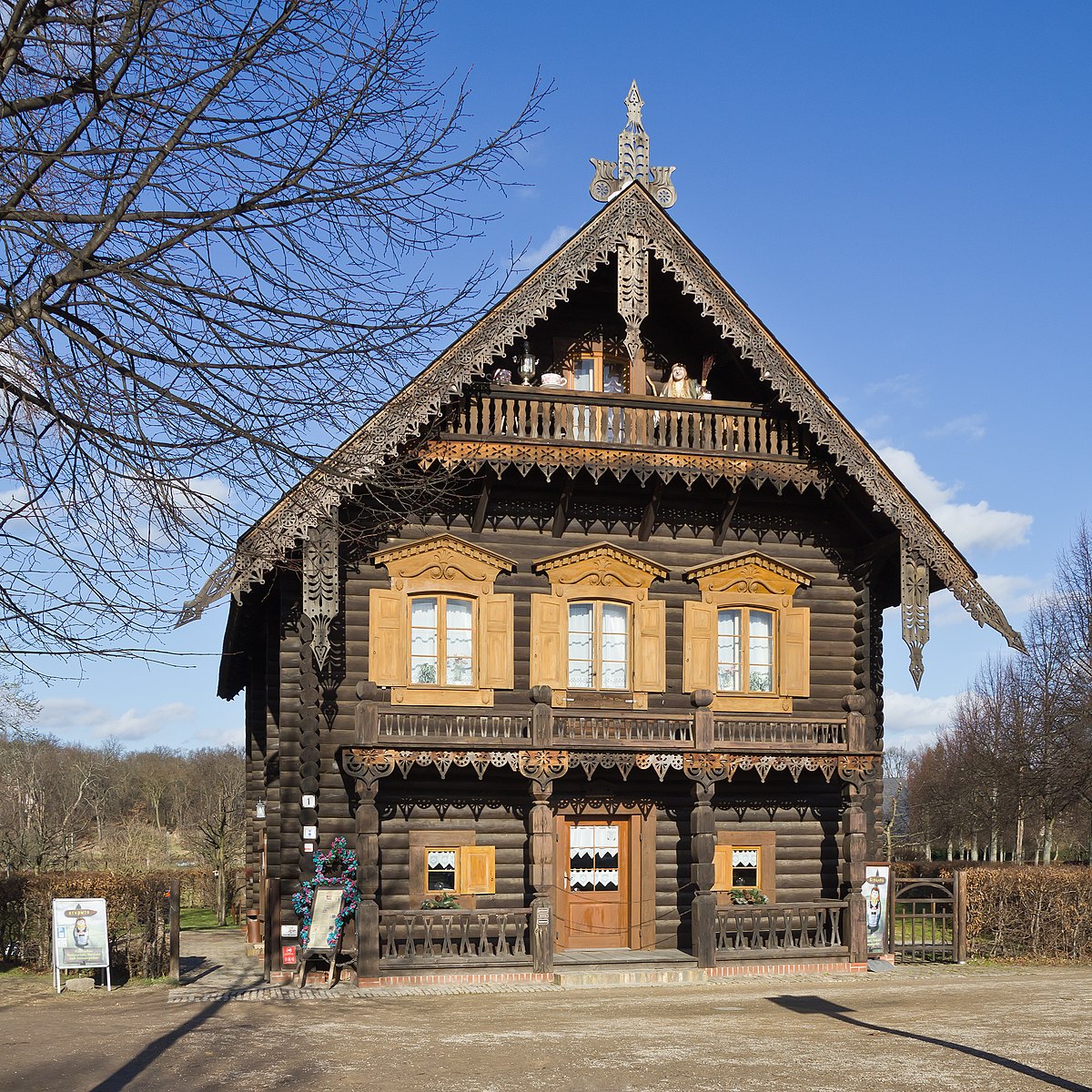
Located in the picturesque city of Potsdam, Germany, Alexandrowka is an intriguing architectural ensemble that reflects a unique blend of Russian and …

Alhauser Hammer
📍 North Rhine-Westphalia, Germany
Alhauser Hammer is a remarkable architectural ensemble located in Ennepetal, Germany, known for its historical significance as a water-driven hammer …

Alsdorfer Ölmühle
📍 North Rhine-Westphalia, Germany
The Alsdorfer Ölmühle, an architectural ensemble located in the heart of Alsdorf, Germany, is a remarkable example of a traditional watermill that …