
Spargelmuseum Beelitz
Overview
The Spargelmuseum Beelitz offers a unique glimpse into the world of asparagus cultivation, celebrating the region’s reputation as a premier producer of this delicacy. Located in Beelitz, Germany, the museum stands as a tribute to the agricultural heritage and culinary traditions that have evolved around asparagus farming. With its engaging exhibits and hands-on displays, visitors can explore the history, production methods, and culinary applications of this seasonal vegetable that has become a staple in German cuisine.
Beelitz, situated just southwest of Berlin, has long been associated with high-quality asparagus, particularly the green variety. The museum not only highlights the importance of this crop to the local economy but also its cultural significance in German dining and festivities. Visitors to the museum can expect an informative experience that celebrates the humble asparagus while providing insights into local agricultural practices.
As you wander through the museum, you’ll discover the various stages of asparagus cultivation, from planting to harvesting, and gain an appreciation for the labor-intensive processes involved. The Spargelmuseum Beelitz invites you to delve into the fascinating world of asparagus, making it a must-visit destination for food enthusiasts and those interested in agricultural heritage.
History and Significance
The Spargelmuseum Beelitz is rooted in the rich agricultural traditions of the Beelitz area, which has been cultivating asparagus for generations. The significance of asparagus in this region can be traced back to its ideal growing conditions, which have allowed Beelitz to become synonymous with high-quality asparagus production. The museum serves as a celebration of this local agricultural heritage, highlighting not only the crop itself but also the farmers and laborers who contribute to its cultivation.
Visitors to the museum can learn about the history of asparagus farming in Beelitz, exploring how traditional methods have evolved over time. The exhibits detail the various techniques used in planting and harvesting, as well as the seasonal cycles that dictate the asparagus farming calendar. This cultural exploration emphasizes the relationship between the land and the people who work it, showcasing the dedication required to produce this sought-after vegetable.
Asparagus has become a culinary symbol in Germany, particularly during the spring months when it is in season. Festivals celebrating asparagus are held throughout the region, drawing locals and tourists alike to enjoy this seasonal delicacy. The Spargelmuseum Beelitz plays a vital role in preserving and promoting this tradition, making it an important cultural institution in the area.
Architecture and Features
The Spargelmuseum Beelitz is housed in a structure that reflects the agricultural roots of the region. While specific architectural details are not provided, the museum’s design is intended to complement its mission of showcasing local farming practices and the significance of asparagus. The layout of the museum allows for an engaging visitor experience, with various exhibits that encourage interaction and exploration.
Inside, the museum features displays that highlight the different aspects of asparagus farming, from the tools used in cultivation to the historical context of the crop. Visitors can expect a variety of visual and informational exhibits that appeal to a wide audience, including families, culinary enthusiasts, and those curious about agricultural practices.
Notable features of the museum include hands-on displays that provide a tactile experience, allowing visitors to engage with the subject matter in a meaningful way. The exhibits are designed to educate guests about the intricacies of asparagus production, emphasizing both the agricultural and culinary significance of this beloved vegetable.
Visiting Information
For those planning a visit to the Spargelmuseum Beelitz, it is advisable to check the official website for current information regarding hours and ticket prices, as these can vary throughout the year. The museum is accessible by various forms of transport, making it a convenient stop for both locals and travelers.
Visitors can expect to spend approximately one to two hours exploring the museum, depending on their level of interest in the exhibits. The museum provides a comprehensive overview of asparagus farming, making it an enriching experience for those who wish to learn more about this important crop.
The best times to visit are during the asparagus season, typically in the spring months, when the museum may also host special events or programs celebrating the harvest. This seasonal aspect enhances the overall experience, allowing visitors to appreciate the relevance of asparagus in a timely context.
Nearby Attractions
While visiting the Spargelmuseum Beelitz, consider exploring these nearby attractions:
- Beelitz Healing Tempel: This historic sanatorium complex, known for its stunning architecture, offers a glimpse into the region’s health care history.
- Local Asparagus Farms: Experience firsthand the asparagus production process by visiting local farms that may offer tours or tastings during the harvest season.
- Beelitz Castle: A charming historic castle that adds to the cultural landscape of Beelitz and provides beautiful grounds for a leisurely stroll.
- Nature Trails: The surrounding countryside features various walking and biking paths ideal for enjoying the natural beauty of the region.
Insider Tips
When visiting the Spargelmuseum Beelitz, consider the following tips to enhance your experience:
- Photography: Check if photography is permitted within the museum to capture your visit without any restrictions.
- Crowd Avoidance: To avoid peak crowds, consider visiting on weekdays or during the early hours after opening. This can provide a more relaxed atmosphere for exploring the exhibits.
Practical Information
When preparing for your visit to the Spargelmuseum Beelitz, keep the following practical considerations in mind:
- What to Bring: Comfortable walking shoes are recommended, as you may be on your feet for an extended period while exploring the exhibits.
- Seasonal Considerations: If visiting during the asparagus season, be prepared for potential events or activities that may enhance your experience. Additionally, check weather forecasts and dress accordingly, as some outdoor elements may be integrated into your visit.
Frequently Asked Questions
How long should I spend visiting?
Most visitors spend about one to two hours at the Spargelmuseum Beelitz to fully explore the exhibits and learn about asparagus farming.
Is photography allowed?
Check the museum’s policy on photography before your visit to ensure you can capture your experience as desired.
Are there guided tours?
Current information on guided tours may be available on the official website, so check there for the latest offerings.
What’s the best time to visit?
The ideal time to visit is during the asparagus season in spring, when the museum may host special events related to the harvest.
Is it wheelchair accessible?
For accessibility options, it is best to check the official website for detailed information regarding facilities available for visitors with mobility challenges.
Can I buy tickets online?
Information about online ticket purchasing can typically be found on the museum’s official website.
Are there restrooms and cafes?
Visitors should confirm the availability of restrooms and dining options on the official website prior to their visit.
What should I wear?
Dress comfortably, and consider weather conditions, especially if planning to explore any outdoor areas associated with the museum.
More in Brandenburg
Agnetenkloster
📍 Brandenburg, Germany
Agnetenkloster, a former monastery located in the heart of Magdeburg, Germany, invites visitors to explore its serene ambiance and historical …

Agroneum
📍 Brandenburg, Germany
Agroneum is a museum located in the serene landscape of Alt Schwerin, Germany. This establishment serves as a vibrant hub for those interested in the …

Alexander Nevsky Memorial Church
📍 Brandenburg, Germany
The Alexander Nevsky Memorial Church in Potsdam, Germany, offers visitors a unique glimpse into the city’s cultural and religious heritage. This …
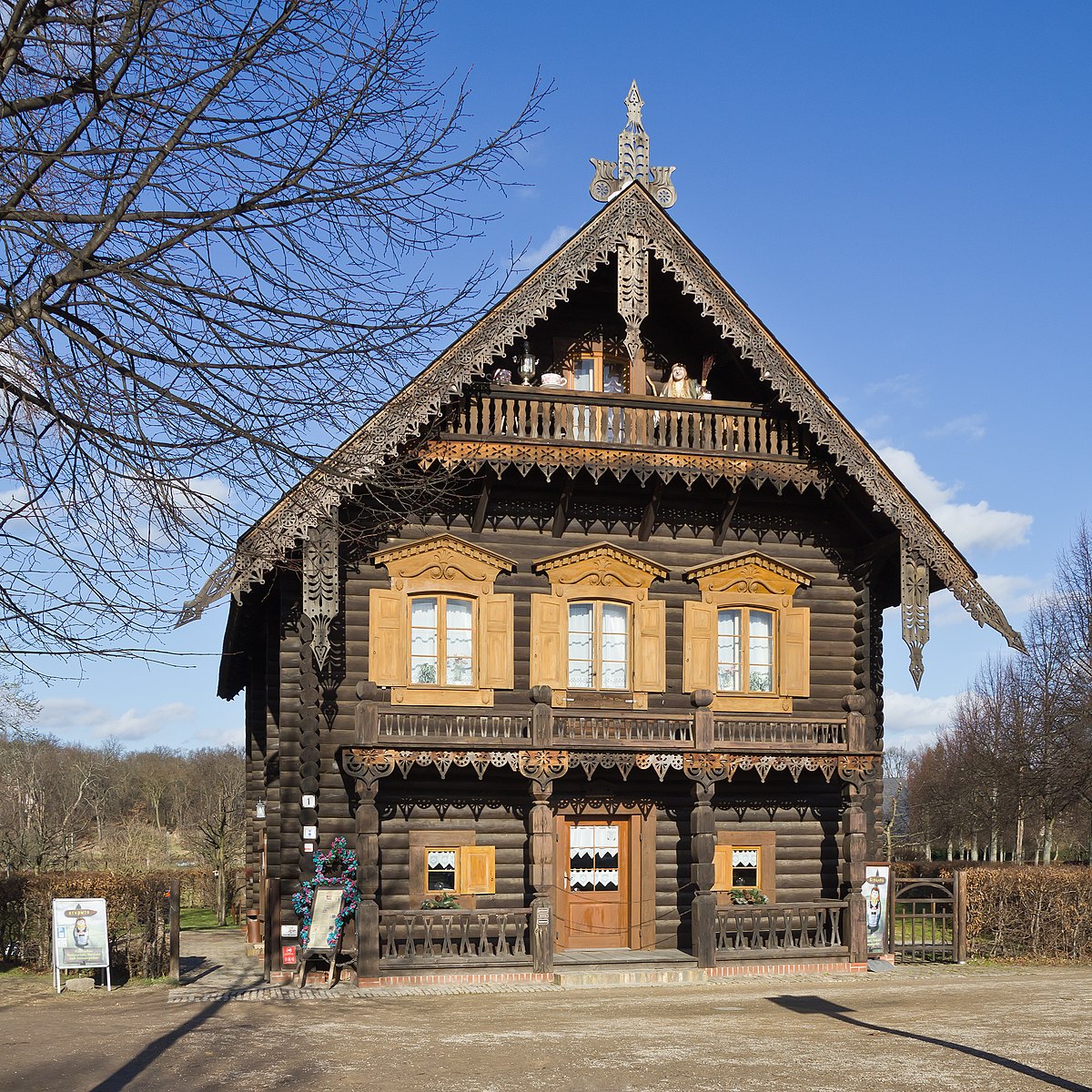
Alexandrowka
📍 Brandenburg, Germany
Located in the picturesque city of Potsdam, Germany, Alexandrowka is an intriguing architectural ensemble that reflects a unique blend of Russian and …

Alte Burg Penzlin
📍 Brandenburg, Germany
Alte Burg Penzlin, a captivating castle located in the quaint town of Penzlin, Germany, serves as a remarkable example of medieval architecture and …

Alte Dorfkirche Röxe
📍 Brandenburg, Germany
The Alte Dorfkirche Röxe stands as a poignant symbol of architectural and cultural history in the Stendal region of Germany. This church building, …
More Museums

Abbey and Altenmünster of Lorsch
📍 Baden-Württemberg, Germany
The Abbey and Altenmünster of Lorsch is a UNESCO World Heritage site located in the charming town of Lorsch, Germany. This significant cultural …
Abenteuermuseum
📍 Rhineland-Palatinate, Germany
The Abenteuermuseum, located in Germany, invites visitors to explore the wonders of adventure through its unique exhibits and engaging experiences. …

Abwasser- und Sielmuseum
📍 Hamburg, Germany
The Abwasser- und Sielmuseum, located in the heart of Hamburg-Mitte, offers a unique glimpse into the city’s historical infrastructure concerning …

Academy of Arts, Berlin
📍 Berlin, Germany
The Academy of Arts in Berlin is not just a museum; it is a prominent national institution dedicated to the advancement of the arts in Germany. …

Ackerbürgermuseum Haus Leck
📍 Hesse, Germany
Ackerbürgermuseum Haus Leck is a culturally significant museum located in Germany’s Grebenstein region, dedicated to preserving and showcasing the …

Active Museum Spiegelgasse
📍 Hesse, Germany
Active Museum Spiegelgasse is a vital institution dedicated to preserving and exploring the German-Jewish history of Wiesbaden, Germany. Located in …