Overview
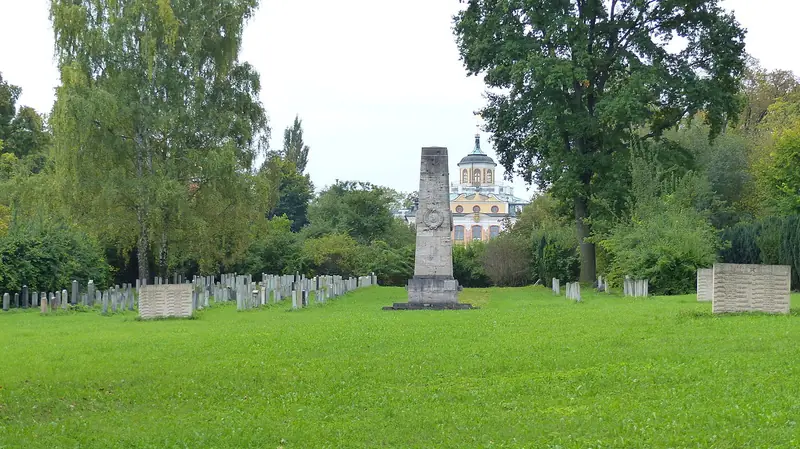
The Sowjetischer Friedhof in Belvedere, located in Weimar, Germany, serves as a poignant memorial to the Soviet soldiers who lost their lives during World War II. This cemetery stands as a solemn reminder of the sacrifices made during a tumultuous period in history. Situated in the heart of Germany, Weimar is a city known for its rich cultural heritage and historical significance, making the cemetery an important site for reflection and remembrance.
Visitors to the Sowjetischer Friedhof will find themselves enveloped in an atmosphere of tranquility, where landscaped grounds and solemn gravestones tell the stories of those who rest here. The cemetery not only serves as a place of mourning but also as a space for understanding the impact of war on society and the importance of remembrance in the healing process. As you walk through the grounds, the serene environment encourages a deep contemplation of the past, inviting visitors to reflect on the broader implications of conflict and reconciliation.
History and Significance
The Sowjetischer Friedhof in Belvedere was established to honor the memory of the Soviet soldiers who perished in the region during World War II. The cemetery is part of a larger narrative regarding the role of the Soviet Union in the war and its lasting effects on Germany and Europe as a whole. The presence of Soviet graves in Weimar signifies the complex historical relationships and the shared experiences of suffering that transcended national boundaries during and after the war.
Weimar itself has been a significant cultural and historical center, known for its intellectual contributions and as a site of various political movements. The cemetery adds another layer to this rich history, serving as a reminder of the war’s human cost. It stands as a memorial not only to the soldiers but also to the broader theme of peace and the need for reconciliation in a post-war society. The site is often visited by those wishing to pay their respects, making it an important place for both historical reflection and personal remembrance.
As you explore the cemetery, the gravestones and memorials serve as silent witnesses to the past, encouraging visitors to consider the implications of war and the importance of peace in contemporary society. The Sowjetischer Friedhof is not merely a burial ground; it is a place of significance that fosters a deeper understanding of the historical context surrounding World War II and its aftermath.
Architecture and Features
The Sowjetischer Friedhof is characterized by its carefully maintained grounds that reflect the respect and honor afforded to those interred within. The cemetery features a range of grave markers, each contributing to the overall atmosphere of reverence that permeates the site. The layout is designed to facilitate a contemplative experience, with pathways that guide visitors through the various sections of the cemetery.
One of the notable features of the cemetery is the arrangement of the graves, which often includes simple, unadorned stones that signify the soldiers’ identities and sacrifices. This minimalist approach not only highlights the somber nature of the site but also encourages visitors to reflect on the individual stories represented by each gravestone. Additionally, the landscaping around the cemetery is thoughtfully designed, with trees and greenery providing a serene backdrop that enhances the memorial quality of the space.
The cemetery also includes memorial plaques and monuments that pay tribute to the collective memory of the Soviet soldiers. These structures serve to commemorate the bravery and sacrifices of those who fought during the war, further emphasizing the significance of the site as a place of remembrance.
Visiting Information
Visiting the Sowjetischer Friedhof in Belvedere offers an opportunity for reflection and understanding of the site’s historical significance. To reach the cemetery, visitors can utilize various modes of transportation available in Weimar. Public transport options, including buses and trams, are accessible, while walking or cycling can also provide a pleasant way to approach the site, allowing visitors to immerse themselves in the local atmosphere.
Check the official website for current information regarding opening hours and any potential visitor regulations. While there may not be formal guided tours available, a self-guided visit can be enriching, as the cemetery’s layout lends itself to individual exploration. Visitors should allocate sufficient time to walk through the grounds, read the inscriptions, and absorb the tranquil environment. Generally, a visit can take anywhere from 30 minutes to an hour, depending on personal preferences and the desire to engage deeply with the memorial’s context.
The best times to visit the cemetery are during the spring and autumn months when the weather is mild and the surrounding landscape is particularly inviting. However, each season brings its unique atmosphere, so visitors may choose to experience the site year-round.
Nearby Attractions
Weimar is a city rich in cultural and historical attractions, making it an excellent destination for a comprehensive visit. Here are some notable sites nearby:
- Bauhaus Museum Weimar: This museum celebrates the influential Bauhaus design school, showcasing its history and legacy in art and architecture.
- Goethe National Museum: Dedicated to the life and works of Johann Wolfgang von Goethe, this museum offers insights into the literary and philosophical contributions of one of Germany’s most revered figures.
- Schiller Museum: Located in the former residence of Friedrich Schiller, this museum is dedicated to the life and works of the famous playwright and poet.
- Weimar City Palace: This historic palace offers a glimpse into the opulent lifestyle of the former ducal family and features beautiful gardens and exhibitions.
- Park an der Ilm: A picturesque park designed by Goethe, perfect for a leisurely stroll or a place to reflect on the beauty of nature.
Insider Tips
For those planning to visit the Sowjetischer Friedhof, consider arriving early in the day or later in the afternoon to avoid potential crowds. The cemetery’s tranquil atmosphere is best appreciated in quieter moments, allowing for personal reflection without distractions.
When it comes to photography, be respectful of the solemnity of the site. While capturing the memorials and gravestones can be meaningful, always consider the context and ensure that your images honor the memory of those interred.
Practical Information
When visiting the Sowjetischer Friedhof, it is advisable to bring along essentials such as water and comfortable walking shoes, as the grounds may require some walking. Seasons can influence your experience, so consider checking the weather forecast before your visit. In summer, lightweight clothing and sun protection are recommended, while in cooler months, dress in layers to remain comfortable.
As the cemetery is a place of remembrance, visitors should maintain a respectful demeanor while exploring the site, keeping in mind the significance of the memorials present.
Frequently Asked Questions
How long should I spend visiting?
A visit typically takes between 30 minutes to an hour, depending on your pace and level of engagement.
Is photography allowed?
Photography is permitted, but visitors should remain respectful and mindful of the memorial nature of the site.
Are there guided tours?
Currently, there are no formal guided tours available; however, visitors can explore the site independently.
What’s the best time to visit?
The best times to visit are during spring and autumn when the weather is mild, but the cemetery can be appreciated year-round.
Is it wheelchair accessible?
Access details may vary, so check the official website for current information regarding wheelchair accessibility.
Can I buy tickets online?
Entry to the cemetery is generally free, but for specific events or guided tours, refer to the official website for ticketing options.
Are there restrooms and cafes?
Check the official website for details about nearby facilities, as amenities can vary in the area.
What should I wear?
Comfortable clothing and shoes are recommended for walking around the cemetery and its grounds. Dress appropriately for the weather conditions during your visit.