
Sony Center
Overview
The Sony Center, an architectural ensemble located in Berlin’s Bezirk Mitte, captivates visitors with its innovative design and vibrant atmosphere. This area, once a significant part of the Berlin Wall’s boundary, is now a hub of modern architecture and cultural activity, seamlessly blending history with contemporary urban life. The Sony Center is not just a collection of buildings; it represents a vision of modernity and creativity, featuring a unique interplay of glass, steel, and dynamic public spaces that invite exploration and engagement.
As you approach the Sony Center, the striking geometry of its structures and the iconic tent-like roof capture the eye, embodying the spirit of Berlin’s post-reunification rejuvenation. Designed to be a multifunctional space, the center is home to shops, restaurants, and entertainment venues, making it a key destination for both locals and tourists. Whether you are looking to enjoy a meal, catch a film, or appreciate modern architectural design, the Sony Center promises an enriching experience.
History and Significance
The development of the Sony Center is a reflection of Berlin’s transformation after the fall of the Berlin Wall. While specific dates are not provided, the site was part of a broader initiative to revitalize the Potsdamer Platz area, which had been largely devastated during World War II and subsequently divided by the Cold War. The vision for the Sony Center was to create a lively urban space that would attract people from all walks of life, fostering social interaction and cultural exchange.
The center is named after Sony, the Japanese multinational corporation, which played a pivotal role in its development. This choice underscores the global influence of technology and innovation, themes that resonate throughout the site. The architectural ensemble emerged not only as a commercial hub but also as a cultural landmark, drawing attention for its design and public spaces.
The significance of the Sony Center extends beyond its commercial functions; it has become a symbol of Berlin’s resilience and adaptability. As a focal point for various events, including film premieres and exhibitions, the center contributes to Berlin’s reputation as a cultural capital. Its dynamic spaces encourage gatherings, performances, and celebrations, making it a vital part of the city’s social fabric.
Architecture and Features
The architectural design of the Sony Center is a striking embodiment of contemporary style, characterized by its glass and steel structures, which create a harmonious balance between light and space. The centerpiece is its iconic roof, a tent-like structure made of translucent membranes that allow natural light to flood the central plaza, creating an inviting environment year-round.
The ensemble features a series of interconnected buildings, each with its unique architectural flair. Notable structures within the complex include the towering Sony building, which houses various offices and entertainment venues, and the impressive glass atrium that serves as a communal space for visitors. The use of modern materials and innovative engineering techniques showcases the cutting-edge design principles of the late 20th century.
The public spaces within the Sony Center are equally noteworthy. The central plaza often hosts events, markets, and exhibitions, contributing to the vibrant atmosphere of the area. The surrounding cafes and shops create a bustling environment that encourages visitors to linger and enjoy the dynamic urban life. The thoughtful integration of art and design elements throughout the complex enhances the aesthetic appeal and provides opportunities for exploration and discovery.
Visiting Information
Reaching the Sony Center is convenient, thanks to its central location in Berlin. The area is well-served by public transport, including subway and bus services, making it easily accessible from various parts of the city. Visitors can find ample signage directing them to the center, ensuring a straightforward journey.
When planning your visit, be sure to check the official website for current information regarding hours of operation and any potential entry fees. While the Sony Center is an open public space, individual shops and restaurants may have specific hours of operation. Expect to spend a couple of hours exploring the various offerings, from shopping to dining and enjoying the architectural features.
The best times to visit the Sony Center are during weekdays when crowds are typically smaller, allowing for a more leisurely experience. Weekends can be busier, especially during events or exhibitions, so if you prefer a quieter atmosphere, plan accordingly.
Nearby Attractions
The Sony Center is perfectly situated near several other notable attractions in Berlin. Just a short walk away, you can find:
- Potsdamer Platz: Once a bustling center before WWII, it has been revitalized with modern architecture and numerous entertainment options.
- Berlin Wall Memorial: A poignant reminder of the city’s divided past, this memorial offers insights into the history of the Berlin Wall.
- Legoland Discovery Centre: A fun destination for families, featuring interactive exhibits and play areas centered around Lego.
- The National Gallery: Home to an impressive collection of 19th-century art, this museum is a must-visit for art enthusiasts.
- Tiergarten: This expansive park offers a peaceful retreat from the urban hustle, perfect for leisurely strolls or picnics.
Insider Tips
For photography enthusiasts, the Sony Center provides numerous opportunities to capture stunning architectural shots. The interplay of light through the glass structures, particularly in the early morning or late afternoon, can create dramatic effects. Additionally, the central plaza is an excellent spot for candid shots of the lively atmosphere.
To avoid larger crowds, consider visiting during the weekday mornings or early afternoons. After work hours and on weekends, the center tends to attract more visitors, especially if there are events or exhibitions taking place.
Practical Information
When visiting the Sony Center, it is advisable to bring a water bottle and comfortable walking shoes, as you will likely spend a significant amount of time exploring the various spaces. Seasonal considerations are also important; during the warmer months, the outdoor areas are particularly enjoyable, while winter visitors should be prepared for colder temperatures.
Restrooms are available within the complex, as well as various dining options to suit different tastes and budgets. Whether you’re looking for a quick snack or a full meal, there are plenty of choices to satisfy your cravings.
Frequently Asked Questions
How long should I spend visiting?
Plan to spend at least two hours exploring the Sony Center, allowing time to enjoy the architecture, shops, and dining options.
Is photography allowed?
Yes, photography is permitted throughout the Sony Center. However, be respectful of private spaces and individuals when taking photos.
Are there guided tours?
While specific guided tours of the Sony Center may not be available, the area is easy to navigate on your own, and informational signage is present to enhance your understanding.
What’s the best time to visit?
Weekday mornings or early afternoons are ideal for avoiding crowds and enjoying a more relaxed experience.
Is it wheelchair accessible?
Yes, the Sony Center is designed to be accessible, with ramps and elevators available throughout the complex.
Can I buy tickets online?
Check the official website for information regarding any specific events or exhibitions that may require tickets.
Are there restrooms and cafes?
Yes, there are restrooms available within the center, as well as various cafes and restaurants offering a range of dining options.
What should I wear?
Dress comfortably for walking, and consider the weather when planning your visit, as some areas are outdoors.
More in Berlin

144., 176. und 184. Gemeindeschule
📍 Berlin, Germany
The 144., 176. und 184. Gemeindeschule, an architectural ensemble located in the vibrant city of Berlin, stands as a noteworthy example of educational …

Academy of Arts (Hanseatenweg)
📍 Berlin, Germany
The Academy of Arts (Hanseatenweg) stands as an emblem of Berlin’s vibrant cultural landscape, located in the historic Hansaviertel district. Renowned …

Academy of Arts, Berlin
📍 Berlin, Germany
The Academy of Arts in Berlin is not just a museum; it is a prominent national institution dedicated to the advancement of the arts in Germany. …

Academy of the Konrad-Adenauer-Stiftung
📍 Berlin, Germany
The Academy of the Konrad-Adenauer-Stiftung, located in the heart of Berlin, is not just a foundation but a hub of intellectual discourse and …

ACUD
📍 Berlin, Germany
Located in the heart of Berlin’s Bezirk Mitte, ACUD serves as a vibrant cultural center and cinema, showcasing an array of films and events that …

Admiralspalast
📍 Berlin, Germany
Admiralspalast is a prominent theatre and event venue located in the heart of Berlin, Germany. This architectural gem serves as a cultural hub, …
More Architectural Ensembles
144., 176. und 184. Gemeindeschule
📍 Berlin, Germany
The 144., 176. und 184. Gemeindeschule, an architectural ensemble located in the vibrant city of Berlin, stands as a noteworthy example of educational …

Adelheidstraße 3–7, 9–12, 12a, 14, 15, 22–31, Amelungstraße 1, Friedrich-Ebert-Platz
📍 Lower Saxony, Germany
In the heart of Quedlinburg, Germany, lies a captivating architectural ensemble that reflects the town’s historical significance and cultural …

Aegidiimarkt
📍 Lower Saxony, Germany
Aegidiimarkt is a captivating architectural ensemble located in the heart of Münster, Germany. This vibrant square not only serves as a hub for local …
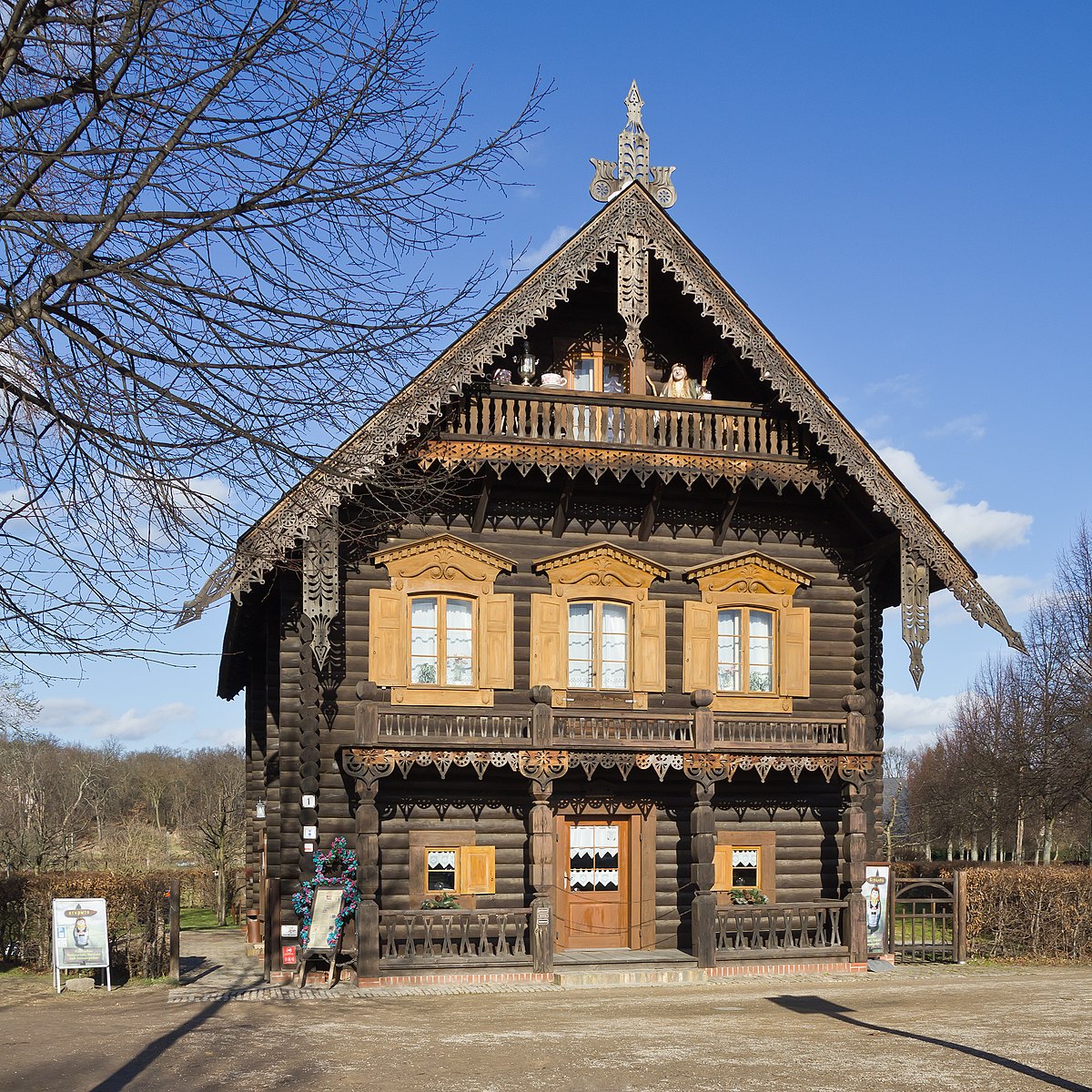
Alexandrowka
📍 Brandenburg, Germany
Located in the picturesque city of Potsdam, Germany, Alexandrowka is an intriguing architectural ensemble that reflects a unique blend of Russian and …

Alhauser Hammer
📍 North Rhine-Westphalia, Germany
Alhauser Hammer is a remarkable architectural ensemble located in Ennepetal, Germany, known for its historical significance as a water-driven hammer …

Alsdorfer Ölmühle
📍 North Rhine-Westphalia, Germany
The Alsdorfer Ölmühle, an architectural ensemble located in the heart of Alsdorf, Germany, is a remarkable example of a traditional watermill that …