
Sieglitzer Berg
Overview
Situated in the heart of Germany’s picturesque region of Oranienbaum-Wörlitz, Sieglitzer Berg is a historical landscape park that offers visitors a blend of natural beauty and cultural significance. This park, known for its carefully designed features, forms part of the larger Wörlitz Garden Realm, a UNESCO World Heritage site recognized for its outstanding contribution to European landscape design. The serene environment of Sieglitzer Berg invites exploration, reflection, and appreciation of both its artistry and its natural surroundings, making it a noteworthy destination for history enthusiasts, nature lovers, and casual visitors alike.
The park is characterized by its diverse landscapes, meticulously arranged gardens, and historical structures that reflect the Enlightenment-era ideals of harmony between nature and human creativity. As you stroll through the park, you will encounter a variety of paths, scenic spots, and unique features that encourage a deeper connection with the environment. With its blend of culture and nature, Sieglitzer Berg not only serves as a recreational space but also as a vital link to the historical narrative of the region.
History and Significance
The history of Sieglitzer Berg is intertwined with the broader narrative of landscape gardening in Germany. Established as part of the Wörlitz Garden Realm, the park exemplifies the principles of the English landscape movement, which sought to create naturalistic environments that appeared unplanned yet were meticulously designed. Although specific dates related to the park’s establishment are not mentioned, its cultural importance is evident in its design and the ideals it represents.
The park’s significance extends beyond its aesthetic appeal; it reflects the philosophical and artistic currents of the time. The Enlightenment period emphasized the value of nature and rationality, and Sieglitzer Berg encapsulates this ethos through its harmonious integration of architectural elements with the natural landscape. Visitors can find inspiration in the park’s layout, which encourages a leisurely exploration of its features, promoting both physical activity and mental rejuvenation.
Over the years, Sieglitzer Berg has retained its relevance, drawing visitors who appreciate its historical context and the beauty of its landscapes. Today, the park serves not only as a recreational area but also as a site for cultural events and educational activities, ensuring its legacy continues for future generations.
Architecture and Features
The architectural features of Sieglitzer Berg are integral to its charm and historical significance. The park exhibits a variety of design elements that reflect the ideals of landscape architecture from the Enlightenment period. Visitors can explore the carefully curated pathways that wind through the park, revealing various vistas and scenic points that enhance one’s experience of nature.
Among the notable features are the ornamental structures that blend seamlessly with the surrounding landscape. These structures often serve as focal points, inviting contemplation and admiration. The layout encourages visitors to engage with the park at a leisurely pace, as they discover hidden corners and thoughtfully designed gardens that exemplify the artistry of landscape design.
The park’s flora adds another layer to its appeal, with a diverse array of plant species that change with the seasons. This diversity not only enhances the visual experience but also supports local biodiversity, contributing to the ecological health of the area. While specifics regarding individual features or structures are not detailed, the overall design ethos of Sieglitzer Berg emphasizes harmony between human artistry and the natural world.
Visiting Information
Visiting Sieglitzer Berg is a rewarding experience for anyone interested in nature, history, or landscape architecture. The park is accessible by various means of transport, making it an easy addition to your itinerary when exploring Oranienbaum-Wörlitz. Whether arriving by car, bike, or public transportation, you will find that the park is well-integrated into the local transport network.
To ensure a fulfilling visit, check the official website for current information regarding hours and any fees associated with entry. As you plan your trip, consider allocating a few hours to fully appreciate the park’s beauty. The ideal visit may vary depending on personal interests, but a leisurely stroll through the grounds, taking in the sights and sounds, is highly recommended.
The best times to visit typically align with the warmer months when the flora is in full bloom, and the weather is conducive to outdoor activities. Early mornings or late afternoons are often the quietest times, allowing for a more peaceful experience amidst nature.
Nearby Attractions
While Sieglitzer Berg itself is a captivating destination, the surrounding area offers additional opportunities for exploration:
Wörlitz Park: A UNESCO World Heritage site, Wörlitz Park features stunning gardens, lakes, and classical architecture, making it an essential stop for those interested in landscape design.
Oranienbaum Palace: This nearby palace is known for its impressive architecture and gardens, providing insights into the region’s aristocratic past.
The Garden Realm of Dessau-Wörlitz: A broader landscape area that includes various parks and gardens, this realm showcases the principles of 18th-century garden design.
Lutherstadt Wittenberg: A short drive away, this city holds significant historical importance as the birthplace of the Reformation, with numerous sites dedicated to Martin Luther.
The Dessau Masterpieces: This collection of Bauhaus architecture is a UNESCO World Heritage site, offering a different cultural perspective on design and aesthetics.
Insider Tips
When visiting Sieglitzer Berg, consider bringing a camera to capture the park’s unique features, but be respectful of the natural surroundings. Early mornings or weekdays may offer a quieter experience, allowing for uninterrupted photos and a more personal connection with the space.
To avoid crowds, plan your visit during off-peak hours, especially outside of weekends and public holidays. This will enhance your experience as you explore the park without feeling rushed.
Practical Information
When planning your visit to Sieglitzer Berg, consider bringing essentials such as comfortable walking shoes, a reusable water bottle, and a picnic blanket if you wish to enjoy a meal in the park. Seasonal considerations are also important; during warmer months, sunscreen and hats are advisable, while cooler seasons may require layers for comfort.
Accessibility features might vary, so it is beneficial to check the official website for any specific accommodations that may be available for visitors requiring assistance.
Frequently Asked Questions
How long should I spend visiting?
Visitors typically spend a few hours at Sieglitzer Berg, allowing ample time to explore the park and enjoy its features.
Is photography allowed?
Yes, photography is generally permitted in the park. Be mindful of the natural environment while capturing images.
Are there guided tours?
Check the official website for any available guided tours or programs that may enhance your visit.
What’s the best time to visit?
The best times to visit are during the warmer months when the flora is vibrant and the weather is pleasant.
Is it wheelchair accessible?
Accessibility features may vary, so it is recommended to check the official website for detailed information.
Can I buy tickets online?
Ticket purchasing options may be available online, but check the official website for specific details.
Are there restrooms and cafes?
Facilities such as restrooms may be located within or near the park. Check the official website for information on cafes and dining options.
What should I wear?
Comfortable clothing and footwear suitable for walking are recommended, along with seasonal attire to accommodate varying weather conditions.
More in Brandenburg
Agnetenkloster
📍 Brandenburg, Germany
Agnetenkloster, a former monastery located in the heart of Magdeburg, Germany, invites visitors to explore its serene ambiance and historical …

Agroneum
📍 Brandenburg, Germany
Agroneum is a museum located in the serene landscape of Alt Schwerin, Germany. This establishment serves as a vibrant hub for those interested in the …

Alexander Nevsky Memorial Church
📍 Brandenburg, Germany
The Alexander Nevsky Memorial Church in Potsdam, Germany, offers visitors a unique glimpse into the city’s cultural and religious heritage. This …
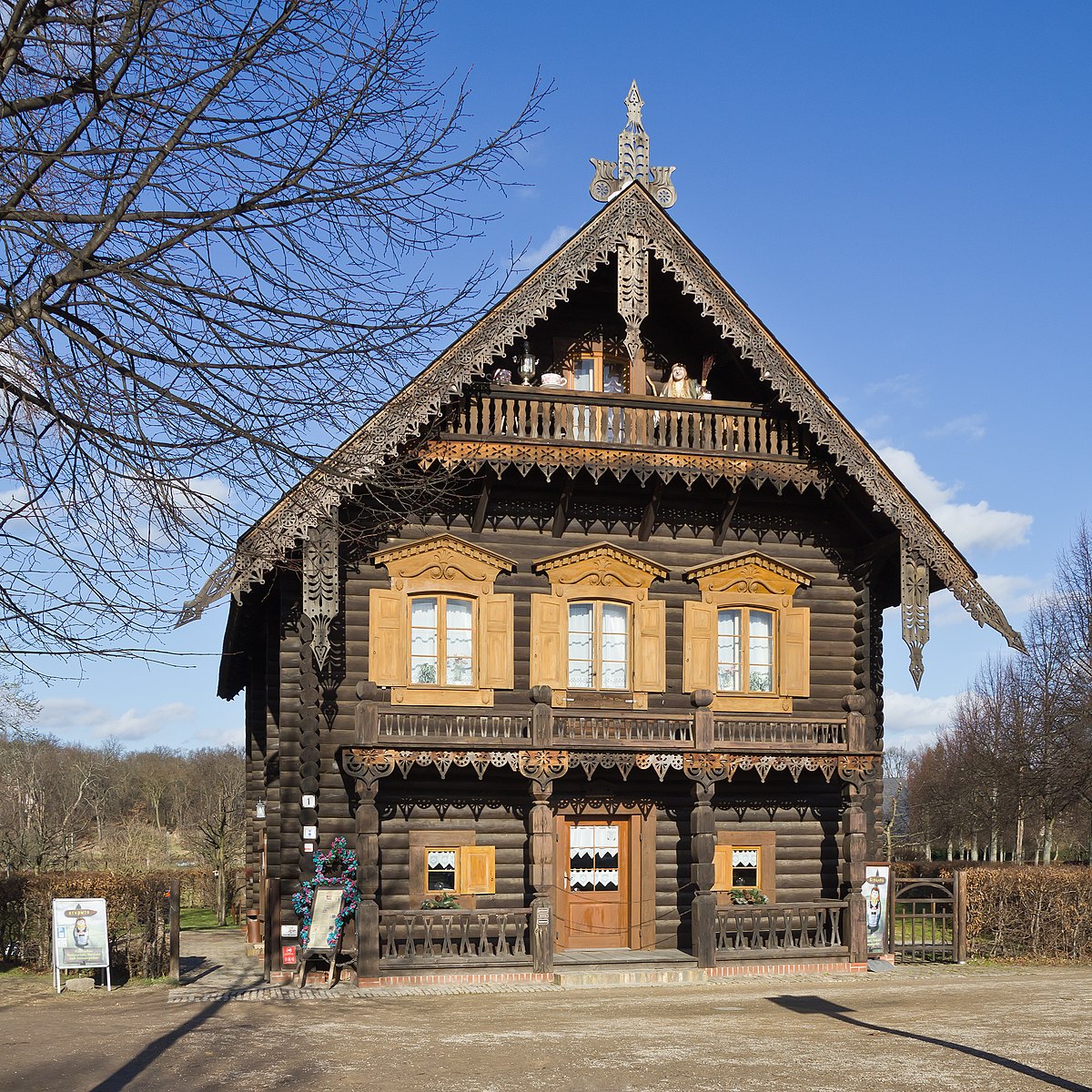
Alexandrowka
📍 Brandenburg, Germany
Located in the picturesque city of Potsdam, Germany, Alexandrowka is an intriguing architectural ensemble that reflects a unique blend of Russian and …

Alte Burg Penzlin
📍 Brandenburg, Germany
Alte Burg Penzlin, a captivating castle located in the quaint town of Penzlin, Germany, serves as a remarkable example of medieval architecture and …

Alte Dorfkirche Röxe
📍 Brandenburg, Germany
The Alte Dorfkirche Röxe stands as a poignant symbol of architectural and cultural history in the Stendal region of Germany. This church building, …
More Parks

Achterdiekpark
📍 Bremen, Germany
Achterdiekpark, located in the peaceful district of Oberneuland, Germany, is a sanctuary for nature lovers and a welcome retreat from urban life. This …

Aegidiischanze
📍 Lower Saxony, Germany
Aegidiischanze is a tranquil park located in the heart of Münster, Germany. This green space offers a unique blend of natural beauty and cultural …

Aerodynamic Park
📍 Berlin, Germany
Aerodynamic Park, located in Berlin, Germany, is a significant green space that serves as a serene escape amid the urban hustle. This park is not only …

Ahnepark
📍 Hesse, Germany
Ahnepark is a serene park located in Vellmar, Germany, serving as a green oasis for both locals and visitors. This expansive area offers a tranquil …
Altenberg
📍 Bavaria, Germany
Altenberg, located in the picturesque Bavarian region of Germany, offers visitors a serene escape into one of the area’s notable parks. This mountain …

Altensteiner Park
📍 Thuringia, Germany
Altensteiner Park, situated in the picturesque region of Bad Liebenwerda, Germany, serves as a tranquil retreat for nature enthusiasts and history …