
ShUM Sites of Speyer, Worms and Mainz
Overview
The ShUM Sites of Speyer, Worms, and Mainz form a significant architectural ensemble in Germany, recognized as a UNESCO World Heritage site. This collection of sites showcases the historical and cultural legacy of Jewish communities that flourished in the Rhine region during the Middle Ages. Each location offers a unique glimpse into the past, revealing the intricate relationship between architecture and cultural identity. Visitors to these towns will find themselves enveloped in a narrative that bridges centuries, offering insights into the lives of those who shaped Jewish heritage in Europe.
Spanning across these three cities, the ShUM sites represent a remarkable synthesis of religious, social, and architectural evolution. They highlight the importance of Jewish scholarship and community life during a dynamic period in European history. The region’s rich heritage is not only a testament to the resilience of the Jewish people but also an integral part of Germany’s broader historical narrative. As you explore the sites, expect to uncover stories that resonate far beyond their stone facades, inviting reflection on the intersections of culture, faith, and identity.
History and Significance
The ShUM Sites—Speyer, Worms, and Mainz—are pivotal in understanding the Jewish experience in medieval Europe. Established between the 10th and 12th centuries, these communities became centers of Jewish scholarship, law, and culture. The term “ShUM” is derived from the initials of the three cities, each known for its significant synagogue and communal life.
Speyer, home to one of the oldest synagogues in Europe, served as a hub for Jewish learning and legal scholarship. The community thrived, cultivating a rich intellectual environment that influenced Jewish thought across the continent. Worms is renowned for its historical significance, notably for the Jewish community’s role in the development of Jewish law and tradition, exemplified by the famous Talmudic scholar Rashi. Mainz, meanwhile, contributed to the early growth of Hebrew printing and the dissemination of Jewish texts, further solidifying the region’s status as a bastion of Jewish life.
Throughout the centuries, these communities faced challenges, including periods of persecution and expulsion. Despite such adversity, the legacy of the ShUM sites endures, providing a vital connection to the Jewish past in Europe. They represent not only the architectural achievements of their time but also the resilience and continuity of Jewish cultural identity through changing political landscapes.
Architecture and Features
The architectural style of the ShUM sites reflects the distinctive characteristics of Jewish communal buildings in medieval Europe, blending Romanesque influences with local traditions. Each site showcases unique features that highlight their historical and cultural significance.
In Speyer, the Great Synagogue stands as a hallmark of Romanesque architecture, characterized by its grand scale and intricate stonework. The synagogue’s construction reveals a deep reverence for tradition, while its design incorporates elements typical of the period, such as large arched windows and detailed carvings. The site also includes remnants of the medieval Jewish community, with artifacts and inscriptions that provide insights into their daily lives.
Worms is famous for its ancient synagogue, known for its unique architecture that incorporates both religious and communal functions. The building’s interior features vibrant murals and symbolic decorations, reflecting the spiritual life of its congregation. The adjacent Jewish cemetery, one of the oldest in Europe, is a testament to the enduring presence of the Jewish community in the region, housing elaborate tombstones and memorials.
In Mainz, the medieval synagogue showcases a blend of architectural styles, with influences from both Christian and Jewish traditions. Its design emphasizes community gathering and worship, with spacious interiors and a prominent bimah. The site is significant not only for its architecture but also for its role in the dissemination of Jewish texts, making it a pivotal venue for religious scholarship.
Visiting Information
Visiting the ShUM Sites of Speyer, Worms, and Mainz offers a profound experience for those interested in Jewish history and architecture. Each city is well-connected through public transport, making it easy to explore these historical locations.
Travelers can expect to spend several hours at each site, allowing ample time to absorb the rich narratives and explore the surrounding areas. It’s advisable to check the official website for current information regarding hours of operation and ticket prices, as these may vary seasonally or due to special events.
The best times to visit are typically in the spring and early fall when the weather is mild, and tourist crowds are more manageable. In summer, the sites can attract larger groups, so planning visits during weekdays may provide a more intimate experience.
Upon arrival, visitors will find informative signage and guides available at many locations, enhancing their understanding of the historical context and significance of each site. The atmosphere is often reflective, encouraging visitors to engage thoughtfully with the rich heritage on display.
Nearby Attractions
While exploring the ShUM Sites, take the opportunity to discover other nearby attractions that complement your visit:
Speyer Cathedral: A UNESCO World Heritage site itself, this Romanesque cathedral is a stunning architectural feat and one of the largest of its kind in Germany.
Worms Cathedral: Another remarkable example of Romanesque architecture, this cathedral is known for its distinctive twin towers and beautiful interior.
Mainz Gutenberg Museum: Celebrating the legacy of Johannes Gutenberg, this museum offers insights into the history of printing and its impact on culture and literacy.
Nibelungen Museum in Worms: This museum explores the legends of the Nibelungenlied, providing a fascinating look into medieval Germanic culture.
Rhein Promenade in Mainz: Ideal for a leisurely stroll, this riverside promenade offers picturesque views of the Rhine and is lined with cafés and shops.
Insider Tips
To enhance your visit to the ShUM Sites, consider these insider tips:
Photography: Capture the architectural beauty of the synagogues and their surroundings, but be respectful of any restrictions, particularly inside sacred spaces.
Crowd Avoidance: If possible, visit during weekdays or early in the morning to avoid larger tourist groups, allowing for a more peaceful exploration of the sites.
Guided Tours: Look for guided tours that provide in-depth explanations of the historical context and significance of the sites, enriching your understanding of their heritage.
Practical Information
When planning your visit to the ShUM Sites, keep the following practical considerations in mind:
What to Bring: Comfortable walking shoes are essential, as you will be exploring historical sites with uneven terrain. A reusable water bottle and light snacks can also enhance your experience.
Seasonal Considerations: Be prepared for varying weather conditions; layers and a light jacket are advisable, particularly in spring and autumn when temperatures can fluctuate.
Local Etiquette: Dress modestly when visiting religious sites, and remain respectful of the ongoing significance of these locations for the Jewish community.
Frequently Asked Questions
How long should I spend visiting?
Plan to spend at least a few hours at each site to fully appreciate the history and architecture. A full day may be ideal to explore all three locations.
Is photography allowed?
Photography is generally permitted outside the synagogues, but check for specific guidelines regarding interior photography.
Are there guided tours?
Yes, guided tours are typically available, providing valuable insights into the history and significance of the ShUM sites.
What’s the best time to visit?
The best time to visit is during the spring or early fall when the weather is pleasant and crowds are smaller.
Is it wheelchair accessible?
Accessibility varies by site; it’s best to check the official website for specific information regarding wheelchair access.
Can I buy tickets online?
Check the official website for details on purchasing tickets online, as availability may vary.
Are there restrooms and cafes?
Most major sites have access to restrooms, and nearby towns offer cafés and restaurants for refreshments.
What should I wear?
Dress comfortably and modestly, especially when visiting religious sites. Consider layers for changing weather conditions.
By immersing yourself in the ShUM Sites of Speyer, Worms, and Mainz, you will not only witness remarkable architectural accomplishments but also connect with a significant chapter in Jewish history that continues to resonate today.
Visit Information
Quick Facts
- Heritage Type
- Architectural Ensemble
- Region
- Baden-Württemberg
- Wikidata ID
- Q109706388
More in Baden-Württemberg

Aachtobel
📍 Baden-Württemberg, Germany
Aachtobel, located in the picturesque region of Baden-Württemberg, Germany, serves as a vital natural reserve, offering a serene escape into the …

Aalen Central station
📍 Baden-Württemberg, Germany
Aalen Central Station serves as a vital railway hub in southern Germany’s Baden-Württemberg region, connecting travelers to local and regional …

Aalkistensee
📍 Baden-Württemberg, Germany
Aalkistensee, located in the serene region of Maulbronn in Baden-Württemberg, Germany, is a tranquil lake that invites visitors into its peaceful …

Abbey and Altenmünster of Lorsch
📍 Baden-Württemberg, Germany
The Abbey and Altenmünster of Lorsch is a UNESCO World Heritage site located in the charming town of Lorsch, Germany. This significant cultural …

Abbey of Reichenau
📍 Baden-Württemberg, Germany
The Abbey of Reichenau, a significant monastery located in the serene Reichenau region of Germany, serves as a remarkable window into the religious …

Abbey of Saint Peter in the Black Forest
📍 Baden-Württemberg, Germany
The Abbey of Saint Peter in the Black Forest is a remarkable testament to monastic tradition, offering visitors a direct encounter with the serene …
More Architectural Ensembles

144., 176. und 184. Gemeindeschule
📍 Berlin, Germany
The 144., 176. und 184. Gemeindeschule, an architectural ensemble located in the vibrant city of Berlin, stands as a noteworthy example of educational …

Adelheidstraße 3–7, 9–12, 12a, 14, 15, 22–31, Amelungstraße 1, Friedrich-Ebert-Platz
📍 Lower Saxony, Germany
In the heart of Quedlinburg, Germany, lies a captivating architectural ensemble that reflects the town’s historical significance and cultural …

Aegidiimarkt
📍 Lower Saxony, Germany
Aegidiimarkt is a captivating architectural ensemble located in the heart of Münster, Germany. This vibrant square not only serves as a hub for local …
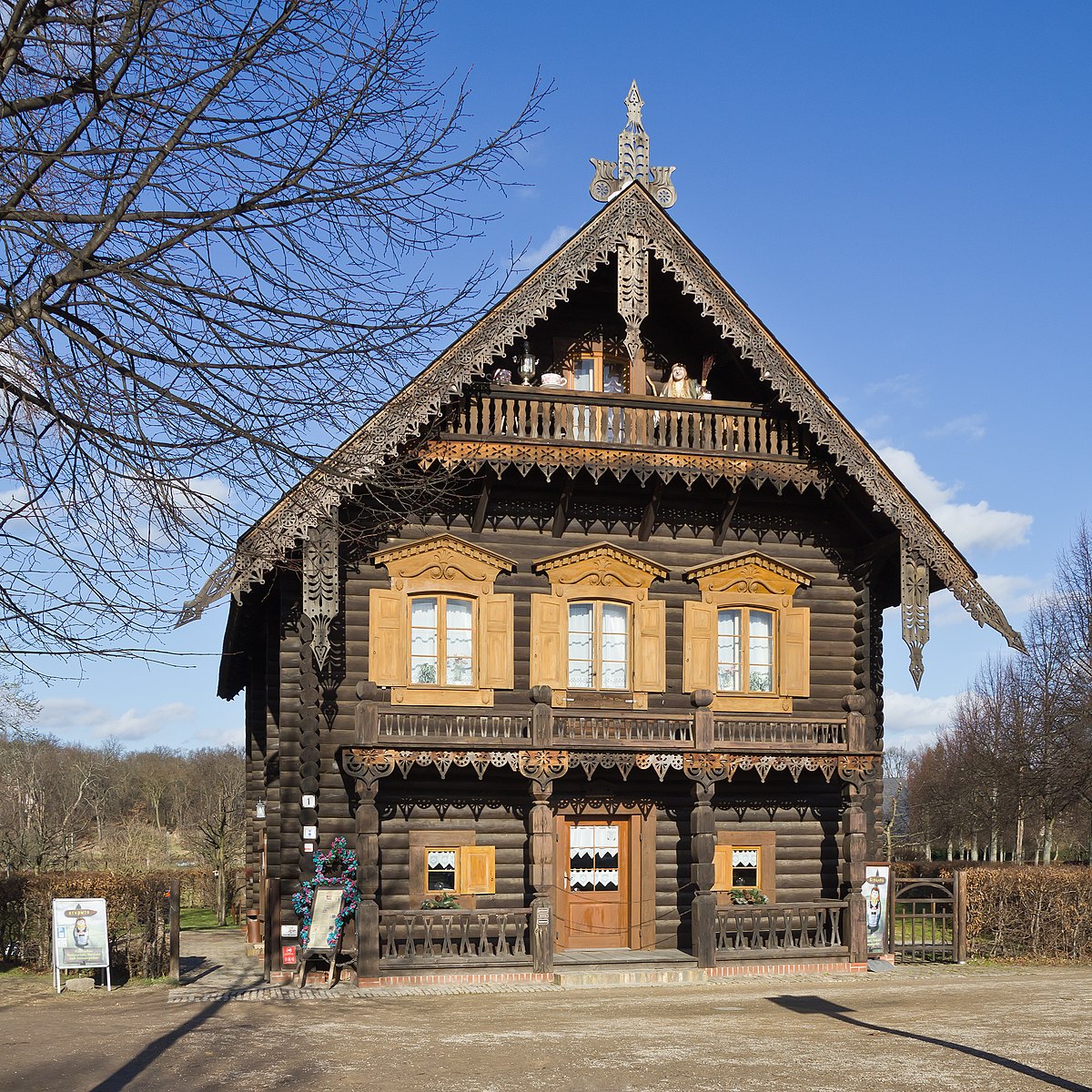
Alexandrowka
📍 Brandenburg, Germany
Located in the picturesque city of Potsdam, Germany, Alexandrowka is an intriguing architectural ensemble that reflects a unique blend of Russian and …

Alhauser Hammer
📍 North Rhine-Westphalia, Germany
Alhauser Hammer is a remarkable architectural ensemble located in Ennepetal, Germany, known for its historical significance as a water-driven hammer …

Alsdorfer Ölmühle
📍 North Rhine-Westphalia, Germany
The Alsdorfer Ölmühle, an architectural ensemble located in the heart of Alsdorf, Germany, is a remarkable example of a traditional watermill that …