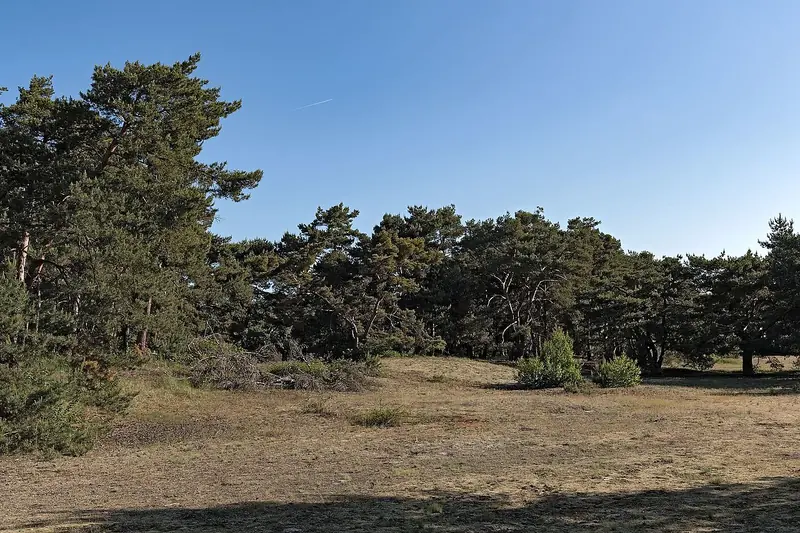
Overview
Schwanheimer Düne, a captivating nature reserve located in Hesse, Germany, is a testament to the region’s rich biodiversity and ecological significance. Situated at coordinates 50.0861, 8.55889, this reserve offers visitors a serene escape into a landscape characterized by its unique plant and animal life. A blend of sandy soils, diverse habitats, and serene pathways, Schwanheimer Düne not only serves as a refuge for various species but also invites nature enthusiasts and casual visitors alike to explore its enchanting surroundings.
As a significant ecological zone, the reserve plays a crucial role in preserving native vegetation and providing habitats for wildlife, making it an essential location for conservation efforts in Germany. The tranquil ambiance of the reserve provides an ideal setting for reflection, exploration, and a deeper understanding of nature’s processes. Whether you are walking along its trails, observing flora and fauna, or simply enjoying the peaceful atmosphere, Schwanheimer Düne promises an enriching experience for all who visit.
History and Significance
While specific historical details about Schwanheimer Düne are limited, its establishment as a nature reserve underscores its importance within the context of environmental conservation and biodiversity in Germany. The area is renowned for its unique ecosystems that represent the transition between different habitats, including dry heaths, sandy grasslands, and woodlands.
The significance of Schwanheimer Düne extends beyond its ecological value; it also reflects broader environmental efforts in Germany to protect and manage natural landscapes. As urbanization increases and natural habitats are threatened, reserves like Schwanheimer Düne become vital for the protection of flora and fauna. The area’s diverse habitats support various species, including some that are rare or threatened, highlighting the necessity of conservation efforts.
The reserve also serves as an outdoor classroom for ecological research and education, providing opportunities for visitors to engage with nature and learn about the importance of preserving such unique environments. The ongoing preservation efforts in Schwanheimer Düne illustrate a commitment to maintaining the region’s natural heritage for future generations.
Architecture and Features
Schwanheimer Düne is characterized by its diverse landscapes, which are shaped by the sandy soils that dominate the area. The reserve features a variety of ecosystems, including heathlands, grasslands, and patches of woodland, which create a mosaic of habitats that support a wide array of plant and animal species.
Visitors can explore numerous trails that weave through the reserve, providing access to different ecological zones. The trails are designed to encourage exploration while minimizing human impact on the environment, ensuring that visitors can enjoy the natural beauty without disturbing the delicate ecosystems.
One notable feature of Schwanheimer Düne is its unique plant life, including various species of grasses and flowering plants that thrive in the sandy soil. The area supports several species of butterflies and insects, making it an excellent location for nature observation.
The tranquility of the reserve is further enhanced by its undulating terrain, which offers a sense of seclusion and immersion in nature. Whether you are wandering along the paths or finding a quiet spot to sit and observe, the natural features of Schwanheimer Düne provide a peaceful retreat from the hustle and bustle of daily life.
Visiting Information
Reaching Schwanheimer Düne is accessible via various modes of transportation, making it convenient for both local and visiting nature enthusiasts. It’s advisable to check the official website for current information regarding access points and transport options, as services may vary.
Once at the reserve, visitors can expect a serene environment conducive to leisurely walks, bird watching, and nature study. The well-maintained paths allow for easy navigation through the different habitats, and the landscape invites exploration at your own pace. It is recommended to allocate several hours for your visit to fully appreciate the beauty and diversity of the reserve.
The best times to visit Schwanheimer Düne are typically during the spring and early autumn months when the weather is mild, and the flora is vibrant. Wildflowers bloom during spring, and the cooler autumn air enhances the experience of exploring the trails.
Remember to check the official website for hours and any seasonal changes that may affect your visit.
Nearby Attractions
While Schwanheimer Düne provides ample opportunities for nature exploration, there are several nearby attractions that enhance the overall experience of your visit to the region:
Frankfurt Zoo: Located in the nearby city, this zoo offers a chance to see a wide variety of animals and learn about global conservation efforts.
Palmengarten: A botanical garden in Frankfurt, featuring diverse plant species and beautifully landscaped areas, perfect for a leisurely stroll or a picnic.
Römer: The historic town hall of Frankfurt, representing medieval architecture and serving as a cultural landmark.
Main River Promenade: A scenic area along the river that provides opportunities for walking, cycling, and enjoying views of the city skyline.
Sachsenhausen: This district in Frankfurt is known for its traditional apple wine taverns and charming streets, offering a taste of local culture.
Insider Tips
For those looking to capture the beauty of Schwanheimer Düne through photography, early morning or late afternoon are ideal times to visit. The soft, natural light during these hours can enhance your photos and create a serene atmosphere.
To avoid crowds, consider visiting on weekdays or during off-peak hours. This will allow for a more peaceful experience and greater opportunities for wildlife observation.
Practical Information
When visiting Schwanheimer Düne, it’s advisable to wear comfortable walking shoes suitable for natural terrains, as trails may vary in difficulty. Bringing water and snacks is also a good idea, as amenities within the reserve may be limited.
Seasonal considerations are important; during the spring, the area is alive with wildflowers, while autumn provides a spectacular display of fall colors. Be sure to check the weather forecast before your visit and dress accordingly to ensure a comfortable experience.
Frequently Asked Questions
How long should I spend visiting?
A visit typically lasts several hours, allowing enough time to explore the trails and observe wildlife.
Is photography allowed?
Yes, photography is permitted throughout the reserve. Early morning or late afternoon is ideal for capturing nature’s beauty.
Are there guided tours?
Currently, there is no information available about guided tours. Check the official website for any updates.
What’s the best time to visit?
Spring and early autumn are recommended for mild weather and vibrant flora.
Is it wheelchair accessible?
Check the official website for information regarding accessibility options within the reserve.
Can I buy tickets online?
Information regarding ticket purchases is not specified; please check the official website for current details.
Are there restrooms and cafes?
Details about amenities are not provided; please refer to the official website for information on facilities.
What should I wear?
Comfortable walking shoes and weather-appropriate clothing are advised for exploring the reserve.
By planning your visit to Schwanheimer Düne with these insights in mind, you can make the most of your experience in this captivating nature reserve.