Overview
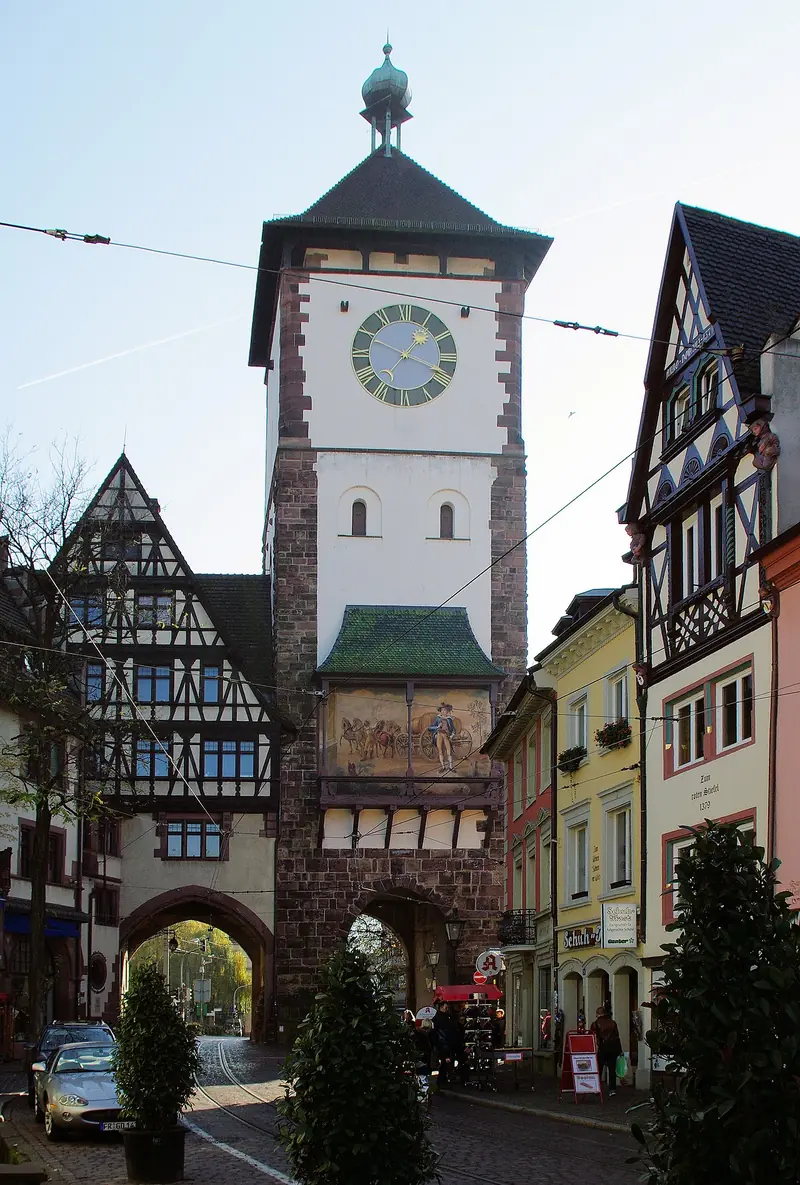
Schwabentor, a historic city gate located in Freiburg im Breisgau, Germany, serves as a vibrant reminder of the city’s medieval past. This remarkable structure is part of the ancient fortifications that once protected Freiburg, showcasing the architectural prowess and strategic importance of city gates in urban planning. As one of the most iconic landmarks in the region, Schwabentor attracts visitors who seek to immerse themselves in the rich heritage and culture of the area.
Positioned at the coordinates 47.99277778 latitude and 7.85416667 longitude, Schwabentor is situated in a region known for its picturesque landscapes and historic significance. The gate not only marks an entry point into the city but also symbolizes the resilience and history of Freiburg. Its enduring presence invites travelers to explore the stories woven into the fabric of the city, making it a must-see for anyone visiting the area.
Schwabentor stands as a testament to the architectural and cultural significance of historic fortifications, allowing visitors to engage with the city’s past while enjoying the vibrant atmosphere of modern Freiburg. Whether you are drawn by the allure of history, architecture, or the charm of city life, a visit to Schwabentor promises a captivating experience.
History and Significance
The Schwabentor gate has been an integral part of Freiburg im Breisgau’s history, serving as one of the two remaining city gates from the medieval fortifications that once encircled the city. Constructed as a defense mechanism in a time when cities were often under threat from various factions, this gate exemplifies the military architecture of its era. It was designed not only to protect the inhabitants of Freiburg but also to control trade and movement in and out of the city.
Throughout its history, Schwabentor has witnessed numerous events that shaped the region. The gate has been a silent observer of changing political landscapes, economic developments, and social transformations. As Freiburg grew and evolved, the gate transitioned from a functional defense structure to a symbolic representation of the city’s heritage. Its preservation allows future generations to appreciate the historical context of urban development in Germany.
Moreover, Schwabentor serves as a focal point for cultural activities and community events, highlighting its ongoing relevance in contemporary society. The gate is not merely an architectural relic but a living part of Freiburg’s identity, linking the past with the present. Visitors to Schwabentor can engage with this rich narrative, gaining insights into the historical significance of city gates and their role in shaping urban environments.
Architecture and Features
Schwabentor is characterized by its fortified structure, which reflects the architectural style of medieval city gates. The gate features robust stone walls that have withstood the test of time, showcasing the craftsmanship of the builders who constructed it. Its imposing presence is complemented by decorative elements that hint at the gate’s historical importance.
One of the notable features of Schwabentor is its distinctive tower, which rises above the surrounding buildings. This tower was designed not only for aesthetic appeal but also for defensive purposes, providing a vantage point for guards to monitor approaching threats. The structure is adorned with intricate details that speak to the artistry of the period, offering a glimpse into the aesthetics of medieval architecture.
The entrance of Schwabentor is framed by a series of arches, which add to its grandeur. Visitors can appreciate the craftsmanship in the stonework and the careful alignment of the arches, all of which contribute to the gate’s historical character. The gate’s design is functional yet elegant, blending practicality with artistic expression.
In addition to its architectural features, Schwabentor is often surrounded by vibrant street life. The area around the gate is typically bustling with activity, making it a lively spot for visitors to explore. The juxtaposition of the historic gate against the backdrop of modern Freiburg creates a fascinating contrast, inviting reflection on the evolution of the city.
Visiting Information
To reach Schwabentor, visitors can take advantage of Freiburg’s efficient public transport system, which includes trams and buses that connect various parts of the city. The gate is centrally located, making it easily accessible for those exploring Freiburg on foot.
When planning your visit, it’s advisable to check the official website for current information regarding opening hours and any potential entry fees. Schwabentor can be explored in approximately 30 minutes to an hour, depending on the level of interest in photography and historical context. For those who wish to delve deeper into the history of the gate and Freiburg, guided tours may be available, offering valuable insights into the significance of this architectural marvel.
The best times to visit Schwabentor are typically in the early morning or late afternoon, when the light casts a warm glow on the stone, enhancing its beauty. Additionally, visiting during weekdays may help avoid larger crowds that gather on weekends.
While at Schwabentor, visitors can expect to encounter informative signage that provides context about the gate’s history and significance. This allows for a well-rounded experience that combines visual appeal with educational value.
Nearby Attractions
While visiting Schwabentor, there are several nearby attractions worth exploring:
Freiburg Minster: This stunning Gothic cathedral, known for its remarkable tower and intricate stained glass windows, is just a short walk away. The Minster is a must-see for its architectural beauty and historical importance.
Augustinermuseum: Located in a former monastery, this museum showcases a diverse collection of art and artifacts, including works from the Middle Ages to the present. It provides insight into the cultural heritage of Freiburg and the surrounding region.
Schwarzwald City Park: This beautiful park offers a serene escape from the urban environment, featuring lush greenery and walking paths. It’s an ideal spot for a leisurely stroll or a picnic.
Historical Merchants’ Hall: A short distance from Schwabentor, this historic building is an example of Freiburg’s medieval architecture and serves as a venue for various events and exhibitions.
The Old Town: Exploring Freiburg’s old town is a delightful experience, with narrow cobblestone streets, charming shops, and vibrant cafes. The area surrounding Schwabentor is teeming with life and history.
Insider Tips
For photography enthusiasts, Schwabentor offers numerous angles and perspectives to capture its grandeur. Early morning light can create captivating shadows and highlights on the stonework, while late afternoon offers a warm glow that enhances the gate’s features. To avoid large crowds, consider visiting during weekdays or early in the day, as weekends can be busier with tourists and locals alike.
Additionally, be mindful of your surroundings while taking photos, as the area can be lively with pedestrians and cyclists. A good approach is to take candid shots of people interacting with the gate, which helps to convey the vibrant atmosphere of Freiburg.
Practical Information
When planning your visit to Schwabentor, it’s advisable to bring comfortable walking shoes, as the cobblestone streets of Freiburg can be uneven. A bottle of water is also recommended, especially during warmer months, as exploring the area may involve some walking.
Seasonal considerations are important as well; Freiburg experiences a range of weather conditions throughout the year. Spring and fall tend to offer mild weather, making them ideal for strolling around the city. Winters can be cold, while summers may see larger crowds, particularly during festivals and events.
As always, check the official website for the most current information regarding hours and any potential changes to access or activities.
Frequently Asked Questions
How long should I spend visiting?
A visit to Schwabentor typically takes about 30 minutes to an hour, depending on your interest in photography and historical context.
Is photography allowed?
Yes, photography is allowed at Schwabentor. Visitors are encouraged to capture the gate’s features and the surrounding area.
Are there guided tours?
Guided tours may be available, providing visitors with in-depth information about Schwabentor and its significance in Freiburg’s history.
What’s the best time to visit?
The best times to visit Schwabentor are early morning or late afternoon to avoid crowds and capture beautiful light for photography.
Is it wheelchair accessible?
While Schwabentor itself may have some accessibility challenges due to its location and surrounding streets, the area around it is generally navigable for those with mobility issues.
Can I buy tickets online?
Check the official website for current information on ticket availability and options for guided tours.
Are there restrooms and cafes?
While Schwabentor itself does not have facilities, the nearby old town offers various cafes and restrooms that visitors can utilize.
What should I wear?
Comfortable walking shoes are recommended, as well as clothing suitable for the weather conditions during your visit.



