
Schulze-Delitzsch-Haus – German Cooperative Museum
Overview
The Schulze-Delitzsch-Haus – German Cooperative Museum, located in the town of Delitzsch, Germany, serves as a vital repository of the cooperative movement’s history and significance. This museum is dedicated to showcasing the principles and practices of cooperative societies, which have played a crucial role in shaping social and economic structures throughout Germany and beyond. As you explore the museum, you’ll encounter a wealth of information that highlights the contributions of Friedrich Wilhelm Raiffeisen and Hermann Schulze-Delitzsch, pioneers of the cooperative movement. The museum not only celebrates their legacy but also emphasizes the ongoing relevance of cooperative principles in contemporary society.
Delitzsch itself is a charming town with a rich history, making the museum a fitting highlight of any visit to the region. The museum’s focus on cooperation and community aligns perfectly with the spirit of Delitzsch, known for its friendly atmosphere and welcoming locals. Visitors can expect a well-curated experience that combines education with engagement, offering insights into the cooperative ethos that has influenced countless lives over the years.
History and Significance
The concept of cooperation is deeply ingrained in the cultural fabric of Germany, and the Schulze-Delitzsch-Haus pays homage to this tradition. The cooperative movement emerged in the 19th century as a response to the economic challenges faced by individuals, particularly in rural areas. Hermann Schulze-Delitzsch, the museum’s namesake, was instrumental in founding the first cooperative credit associations, which aimed to provide financial support and foster economic independence among members.
The museum delves into the historical context of the cooperative movement, exploring the socio-economic conditions that led to its establishment. The cooperative model encouraged individuals to work together towards common goals, emphasizing solidarity, mutual aid, and democratic governance. This approach not only empowered communities but also laid the groundwork for modern social entrepreneurship.
The museum’s exhibits showcase various aspects of cooperative life, including the development of consumer cooperatives, agricultural associations, and credit unions. These institutions not only provided essential services but also fostered a sense of belonging and community among their members. The significance of these cooperatives extends beyond their historical impact; they continue to thrive today, adapting to contemporary challenges while remaining rooted in the values of cooperation.
Architecture and Features
The Schulze-Delitzsch-Haus is housed in a building that reflects the historical architecture of Delitzsch. While specific architectural details may not be highlighted, the museum’s structure is likely to evoke the charm and character of the region. The design of the museum facilitates an immersive experience, with thoughtfully arranged exhibits that guide visitors through the narrative of the cooperative movement.
Inside, the museum features a variety of displays, artifacts, and interactive elements that engage visitors of all ages. From historical documents and photographs to multimedia presentations, the exhibits are designed to provide a comprehensive overview of the cooperative movement’s evolution. Notable features may include dioramas illustrating cooperative practices, as well as spaces dedicated to educational activities and workshops.
Visitors can also expect to find areas for reflection and discussion, allowing for a deeper connection with the themes presented. The museum’s layout encourages exploration and discovery, making it an inviting space for individuals and families alike.
Visiting Information
The Schulze-Delitzsch-Haus is conveniently accessible to both local and international visitors. While specific transport options are not detailed, the museum is located within Delitzsch, a town that is likely well-connected by public transportation. Visitors arriving by car may find parking facilities nearby, enabling easy access to the museum.
When planning your visit, it’s advisable to check the official website for current information regarding hours of operation and admission prices. The museum typically welcomes guests throughout the week, although specific days may vary. To fully appreciate the exhibits and engage with the material, allocating a few hours for your visit is recommended.
The museum is designed to accommodate a variety of visitors, making it suitable for families, students, and history enthusiasts. The optimal times to visit may vary, but weekdays generally offer a quieter experience, allowing for more intimate exploration of the exhibits.
Nearby Attractions
Delitzsch is home to several attractions that complement a visit to the Schulze-Delitzsch-Haus:
Delitzsch Castle: This historic castle, dating back to the Middle Ages, features beautiful architecture and offers insights into the region’s past. Visitors can stroll through the castle grounds and enjoy scenic views.
City Park: A lovely green space perfect for a leisurely walk or a picnic, City Park provides a peaceful retreat in the heart of Delitzsch. It often hosts community events and is ideal for families.
St. Peter’s Church: An architectural landmark, this church showcases impressive Gothic elements and is worth a visit for those interested in religious history and architecture.
Historic Town Center: The charming streets of Delitzsch’s town center are lined with shops, cafes, and local eateries, making it a delightful area for exploration and relaxation.
Hohenmölsen: A short distance from Delitzsch, this neighboring town features additional historical sites and local culture worth discovering.
Insider Tips
To make the most of your visit to the Schulze-Delitzsch-Haus, consider these insider tips:
Photography: While exploring the museum, be mindful of any photography restrictions. Some exhibits may have guidelines in place to protect artifacts. Always ask staff if unsure.
Crowd Avoidance: For a more peaceful experience, aim to visit during the weekdays, particularly in the morning hours. This timing usually means fewer visitors, allowing for a more personal connection with the exhibits.
Practical Information
When planning your visit to the Schulze-Delitzsch-Haus, keep these practical considerations in mind:
What to Bring: Comfortable walking shoes are recommended, as exploring the museum and nearby attractions may involve some walking. A light jacket may also be useful, depending on the season.
Seasonal Considerations: The best time to visit Delitzsch is during the spring and early autumn months when the weather is typically mild and pleasant for outdoor activities.
Frequently Asked Questions
How long should I spend visiting?
A visit to the Schulze-Delitzsch-Haus typically takes around 2 to 3 hours, allowing ample time to explore the exhibits and engage with the material.
Is photography allowed?
Photography policies may vary, so it’s best to check with museum staff for specific guidelines regarding photography.
Are there guided tours?
The museum may offer guided tours, providing deeper insights into the exhibits and the cooperative movement’s history. Check the official website for availability and scheduling.
What’s the best time to visit?
Weekdays, particularly in the morning, tend to be less crowded, making it an ideal time for a more relaxed experience.
Is it wheelchair accessible?
The museum is designed to be accessible to all visitors. However, it’s advisable to check with the museum for specific accessibility features.
Can I buy tickets online?
Check the official website for information regarding online ticket purchases and any potential discounts.
Are there restrooms and cafes?
Facilities such as restrooms are typically available on-site. For dining options, visitors can explore nearby cafes and eateries in Delitzsch.
What should I wear?
Dress comfortably for your visit, considering the weather and any walking you may do in the surrounding area.
The Schulze-Delitzsch-Haus – German Cooperative Museum offers a compelling glimpse into the cooperative movement’s legacy, making it a significant stop in Delitzsch for history enthusiasts and curious travelers alike.
More in Brandenburg
Agnetenkloster
📍 Brandenburg, Germany
Agnetenkloster, a former monastery located in the heart of Magdeburg, Germany, invites visitors to explore its serene ambiance and historical …

Agroneum
📍 Brandenburg, Germany
Agroneum is a museum located in the serene landscape of Alt Schwerin, Germany. This establishment serves as a vibrant hub for those interested in the …

Alexander Nevsky Memorial Church
📍 Brandenburg, Germany
The Alexander Nevsky Memorial Church in Potsdam, Germany, offers visitors a unique glimpse into the city’s cultural and religious heritage. This …
Alexandrowka
📍 Brandenburg, Germany
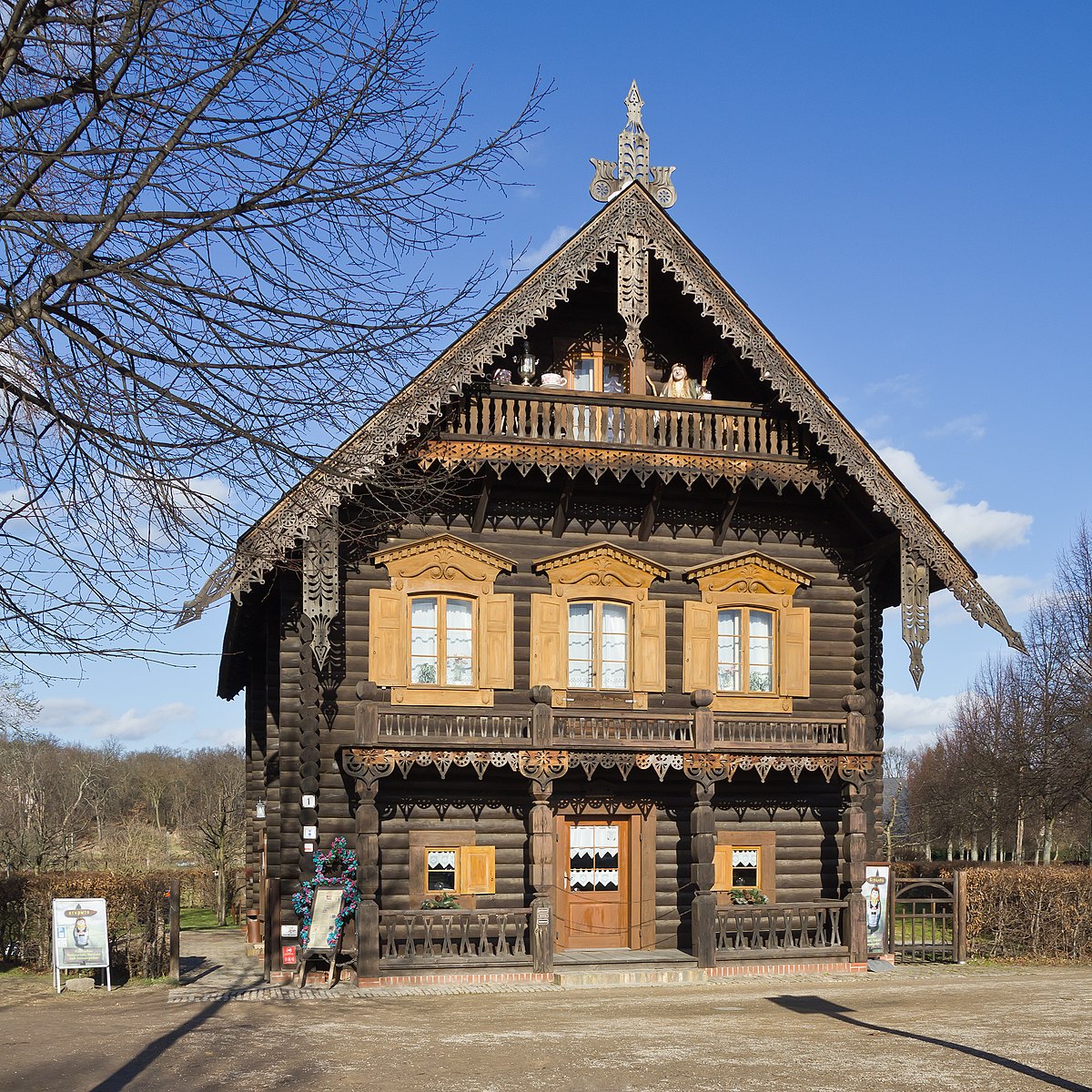
Located in the picturesque city of Potsdam, Germany, Alexandrowka is an intriguing architectural ensemble that reflects a unique blend of Russian and …

Alte Burg Penzlin
📍 Brandenburg, Germany
Alte Burg Penzlin, a captivating castle located in the quaint town of Penzlin, Germany, serves as a remarkable example of medieval architecture and …

Alte Dorfkirche Röxe
📍 Brandenburg, Germany
The Alte Dorfkirche Röxe stands as a poignant symbol of architectural and cultural history in the Stendal region of Germany. This church building, …
More Museums

Abbey and Altenmünster of Lorsch
📍 Baden-Württemberg, Germany
The Abbey and Altenmünster of Lorsch is a UNESCO World Heritage site located in the charming town of Lorsch, Germany. This significant cultural …
Abenteuermuseum
📍 Rhineland-Palatinate, Germany
The Abenteuermuseum, located in Germany, invites visitors to explore the wonders of adventure through its unique exhibits and engaging experiences. …

Abwasser- und Sielmuseum
📍 Hamburg, Germany
The Abwasser- und Sielmuseum, located in the heart of Hamburg-Mitte, offers a unique glimpse into the city’s historical infrastructure concerning …

Academy of Arts, Berlin
📍 Berlin, Germany
The Academy of Arts in Berlin is not just a museum; it is a prominent national institution dedicated to the advancement of the arts in Germany. …

Ackerbürgermuseum Haus Leck
📍 Hesse, Germany
Ackerbürgermuseum Haus Leck is a culturally significant museum located in Germany’s Grebenstein region, dedicated to preserving and showcasing the …

Active Museum Spiegelgasse
📍 Hesse, Germany
Active Museum Spiegelgasse is a vital institution dedicated to preserving and exploring the German-Jewish history of Wiesbaden, Germany. Located in …