Overview
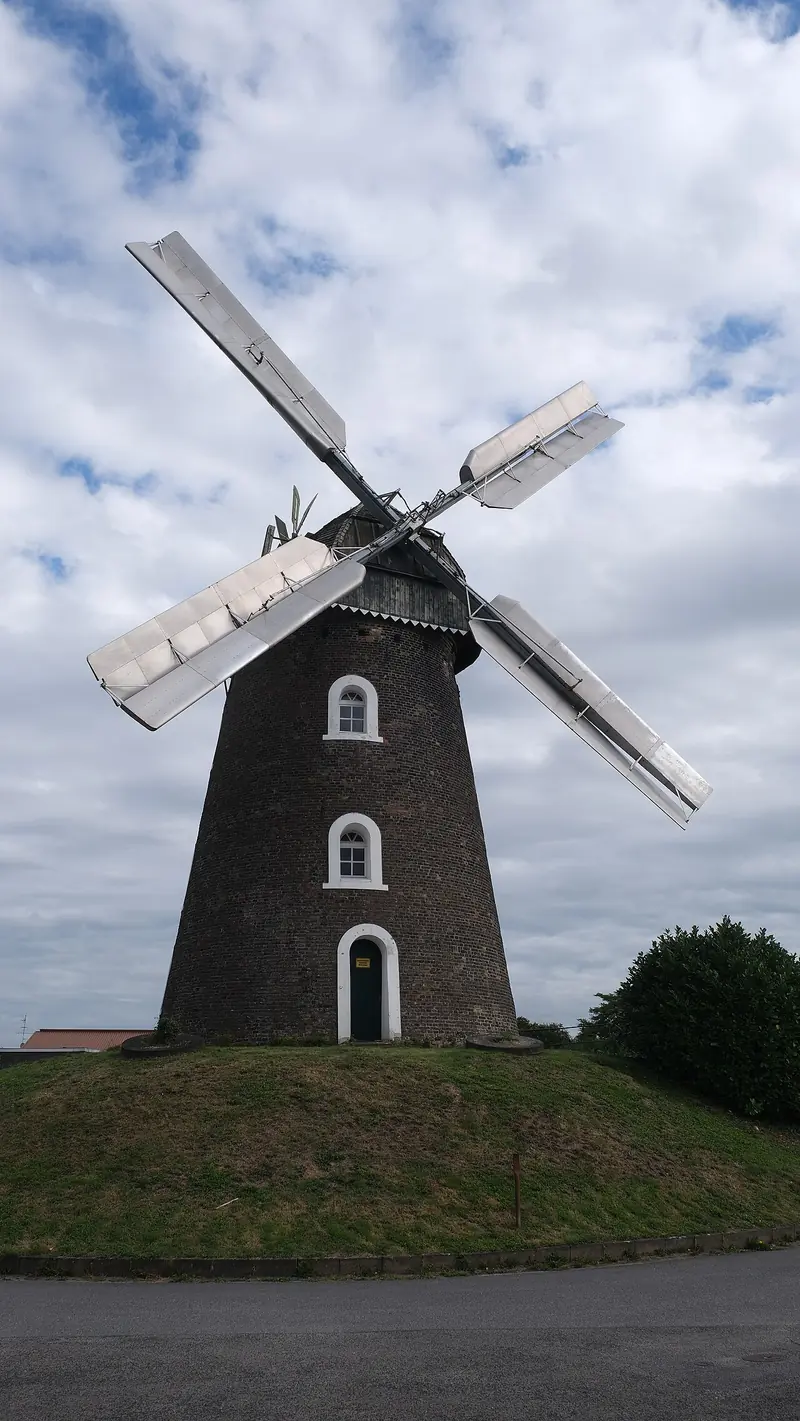
Scholten-Mühle, an iconic windmill in Rees, Nordrhein-Westfalen, represents the enduring legacy of traditional industrial heritage in Germany. This historic windmill stands as an emblem of the region’s agricultural past and is a fascinating site for both history enthusiasts and casual visitors alike. Located at coordinates 51.769897, 6.410928, Scholten-Mühle has played an integral role in the local economy and culture, showcasing the technological ingenuity of its time.
As you approach this impressive structure, you can appreciate the craftsmanship that went into its construction. The mill not only serves as a functional piece of machinery but also as a cultural landmark that reflects the historical significance of windmills in rural Germany. Visitors to Scholten-Mühle can expect an enlightening experience that offers insights into the traditional methods of milling grain, the historical context of windmills in the region, and the importance of preserving such heritage sites for future generations.
History and Significance
The history of Scholten-Mühle is deeply intertwined with the agricultural practices of the region. Windmills like Scholten-Mühle were essential in the past for processing grain into flour, a staple in the diets of local communities. The operation of windmills dates back centuries, representing a significant technological advancement in rural life. These structures harnessed wind energy, a renewable resource, to power the milling process, making them vital to local economies.
The significance of Scholten-Mühle extends beyond its functional role; it also symbolizes the resilience of traditional craftsmanship. As industrialization progressed, many windmills were abandoned or fell into disrepair. However, Scholten-Mühle has survived the test of time, serving as a reminder of the importance of sustainable practices and the relationship between people and their environment.
As a historic windmill, Scholten-Mühle is part of a broader narrative that emphasizes the value of preserving industrial heritage. The windmill not only showcases the technological advancements of its era but also reflects the cultural identity of the region. Today, it stands as a point of interest for visitors eager to learn about Germany’s agricultural history and the role of windmills in shaping rural communities.
Architecture and Features
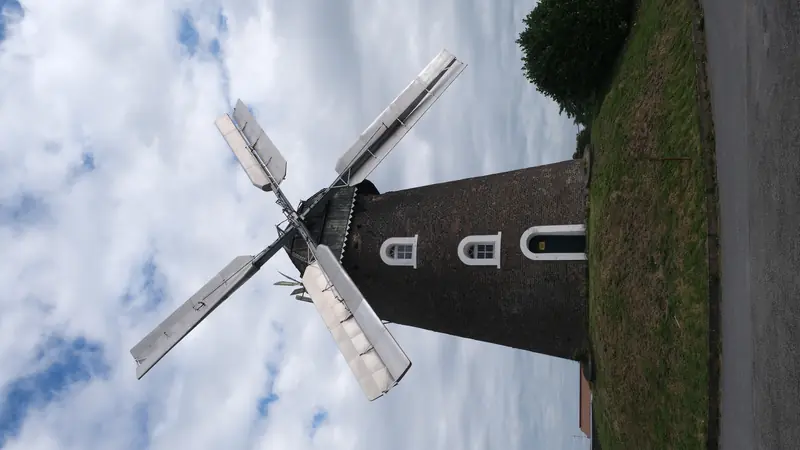
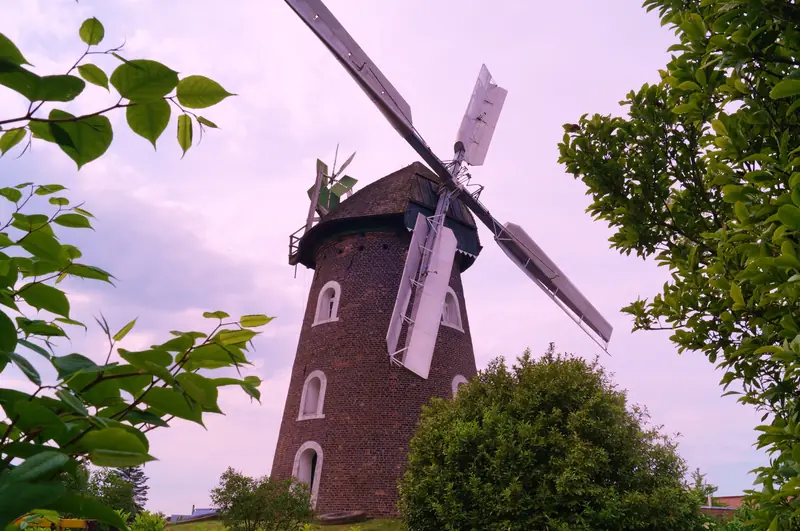
Scholten-Mühle is characterized by its traditional windmill architecture, which includes a towering structure designed to capture the wind efficiently. The mill features a large blades system, which is a hallmark of classic windmill design, allowing it to convert wind energy into mechanical power for milling grain. The construction of the windmill showcases a blend of functionality and artistry, typical of the craftsmanship seen in historic windmills throughout Germany.
The exterior of Scholten-Mühle is constructed in a manner that reflects its utilitarian purpose, yet it also possesses aesthetic qualities that attract those interested in architectural design. The wooden rotating blades, or sails, are an impressive feature, demonstrating the engineering prowess of the time. The overall silhouette of the windmill is distinctive, rising prominently against the horizon and serving as a landmark in the region.
Inside, visitors can explore the mill’s mechanisms, gaining insights into how grain was processed and the workings of the milling apparatus. The interior layout often includes historical artifacts and exhibits that further illustrate the mill’s operational history and its significance to the local community.
Visiting Information
Visiting Scholten-Mühle is a rewarding experience for anyone interested in industrial heritage. The windmill is accessible via various modes of transport, making it easy for visitors to plan their trip. Whether arriving by car or public transport, it’s advisable to check the official website for the latest information on opening hours and any potential entry fees.
When planning a visit, consider setting aside a few hours to fully appreciate the site. The mill often provides guided tours that delve into its history and operational mechanics, enhancing the overall experience. The best times to visit are typically during the warmer months when the weather is pleasant, allowing for a comfortable exploration of the site and its surroundings.
During your visit, you can expect to find informative displays and opportunities to engage with the history of the windmill. It’s advisable to wear comfortable shoes and dress appropriately for the weather, as some areas may require walking around the exterior and exploring the grounds.
Nearby Attractions
While Scholten-Mühle is a highlight in its own right, there are several nearby attractions worth exploring:
Stadtmuseum Rees: A short distance away, this city museum showcases the history and culture of Rees, featuring various exhibits related to the region’s past.
Rees Waterfront: Enjoy a leisurely stroll along the waterfront, where you can appreciate the scenic views and possibly enjoy a meal at a local café.
Kastell Borken: Located not far from Rees, this historical site provides insights into the military architecture of the region and is a fascinating stop for history aficionados.
Museum der Niederrheinischen Seele: This museum delves into the cultural heritage of the Lower Rhine region, providing a broader context to the history of the area surrounding Scholten-Mühle.
Deichpromenade: Perfect for a relaxing walk, this promenade along the dike offers lovely views of the Rhine and is ideal for enjoying nature.
Insider Tips
To make the most of your visit to Scholten-Mühle, consider the following tips:
Photography: The windmill and its surroundings provide excellent opportunities for photography. Early mornings or late afternoons can offer the best natural lighting for capturing this historic structure.
Crowd Avoidance: If you prefer a quieter experience, try visiting on weekdays or during non-peak hours. This will allow you to explore without the hustle and bustle of larger crowds.
Practical Information
When planning your visit to Scholten-Mühle, be sure to bring along essential items such as water, comfortable walking shoes, and a camera. Depending on the season, consider layering your clothing to accommodate varying temperatures throughout the day.
If visiting in cooler months, check the weather forecast and dress accordingly, as some outdoor areas may be less enjoyable in cold or rainy conditions. Additionally, it may be helpful to carry a light snack, particularly if you plan to spend a few hours exploring the site and its surroundings.
Frequently Asked Questions
How long should I spend visiting?
A visit to Scholten-Mühle typically takes about 1-2 hours, allowing ample time to explore the site and engage with exhibits.
Is photography allowed?
Yes, photography is generally permitted, making it a great opportunity for capturing the historic architecture of the windmill.
Are there guided tours?
Yes, guided tours are often available, providing in-depth information about the windmill’s history and operation.
What’s the best time to visit?
The best time to visit is during the warmer months when the weather is pleasant, but check the official website for any specific seasonal events.
Is it wheelchair accessible?
Check the official website for current accessibility information, as facilities may vary.
Can I buy tickets online?
For the latest details about ticket purchases, please check the official website.
Are there restrooms and cafes?
Restroom facilities may be available on-site, but it’s advisable to confirm this in advance. Dining options can be found nearby, particularly along the waterfront.
What should I wear?
Dress comfortably and appropriately for the weather, especially if you plan to spend time outdoors exploring the grounds.
Photo Gallery