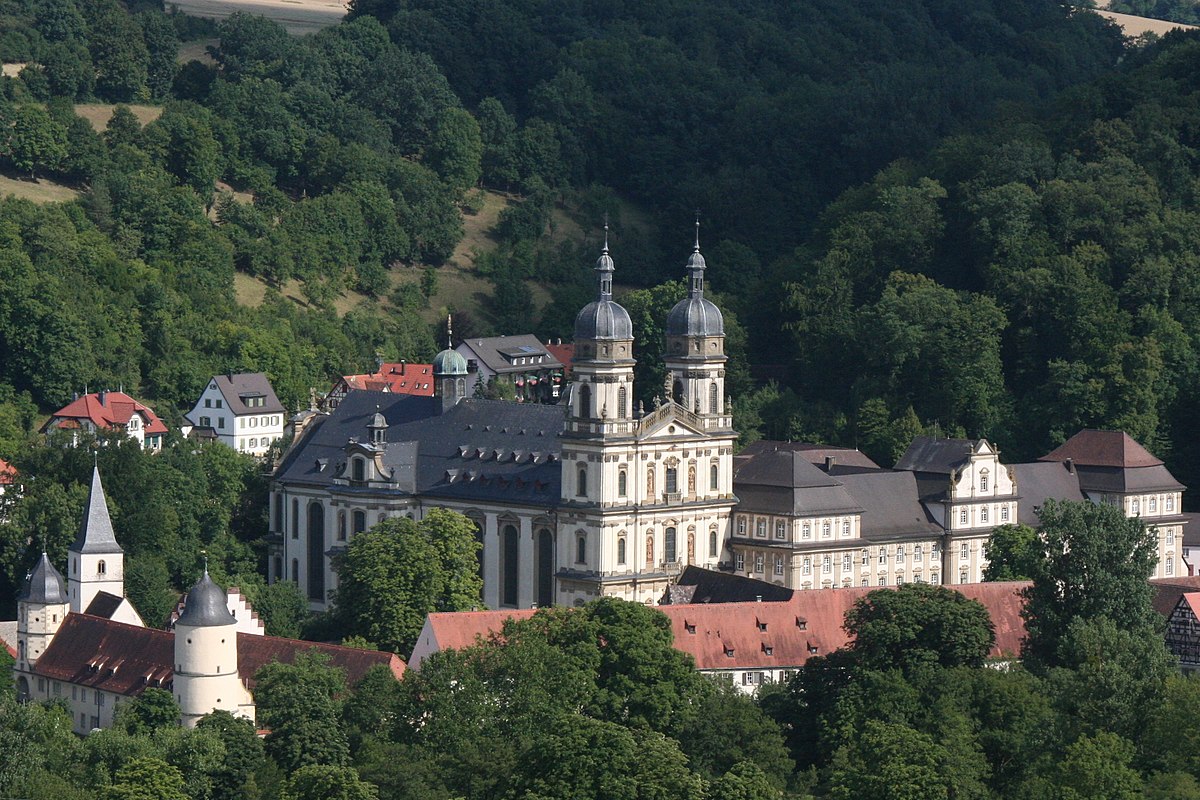
Schöntal Abbey
Overview
Schöntal Abbey, located in the serene Schöntal region of Germany, is not merely a site of historical interest but a cultural landmark that invites exploration and reflection. This abbey, with its deep-rooted history and rich architectural features, provides insight into monastic life and the spiritual pursuits of its founders. Visitors are drawn to this museum not only for its historical artifacts but also for the serene atmosphere that envelops the grounds, making it an ideal destination for those interested in heritage and culture.
The abbey is situated in a picturesque setting, offering a tranquil escape from the busyness of modern life. It serves as a reminder of the enduring legacy of monastic communities and their contributions to art, education, and spirituality. With its collection of artifacts and exhibitions, Schöntal Abbey promises a thought-provoking experience that blends history with the present.
History and Significance
The history of Schöntal Abbey is deeply intertwined with the evolution of monastic life in Germany. Established as a place of worship and learning, the abbey has served various functions throughout its existence, reflecting the changing tides of religious and cultural practices over the centuries. The significance of Schöntal Abbey extends beyond its architectural merits; it represents the enduring influence of monastic communities in shaping the cultural landscape of the region.
Monastic life at Schöntal was characterized by a commitment to education, spiritual discipline, and community service. The abbey played a crucial role in the dissemination of knowledge and the preservation of cultural heritage during times of social upheaval. This commitment to education is evident in the collections housed within the abbey, showcasing not only religious artifacts but also historical manuscripts and art that illustrate the abbey’s role as a center for learning.
The abbey’s significance is further highlighted by its architectural evolution, which reflects the changing styles and practices of the periods it has endured. As a museum, Schöntal Abbey now serves to educate visitors about its rich history and the broader context of monastic life in Germany. Its exhibitions provide a window into the past, allowing visitors to appreciate the cultural and spiritual legacy that continues to resonate today.
Architecture and Features
Schöntal Abbey is an architectural marvel, characterized by its harmonious blend of styles that reflect the various periods of construction and renovation. The abbey’s layout is thoughtfully designed, creating a sense of order and serenity that is typical of monastic architecture. Visitors will find a striking facade that showcases intricate detailing and a sense of grandeur, inviting exploration from the very first glance.
Inside, the abbey features beautifully crafted spaces that highlight the skill of the artisans who contributed to its construction. The main chapel, with its soaring ceilings and ornate decorations, is a focal point of the abbey, offering a glimpse into the artistic endeavors of the monastic community. Visitors can also explore various exhibition rooms that house artifacts, artworks, and manuscripts, each telling a story of the abbey’s past.
Notable features include the tranquil cloisters, which provide a peaceful retreat for contemplation and reflection. The gardens surrounding the abbey further enhance its tranquil atmosphere, offering a space for visitors to connect with nature and the spiritual essence of the site. Throughout the abbey, the careful preservation of historical elements allows guests to appreciate the craftsmanship and dedication that have gone into maintaining this important cultural site.
Visiting Information
Visiting Schöntal Abbey offers a rewarding experience for those interested in history, culture, and architecture. As you plan your visit, it is advisable to check the official website for current information regarding hours and ticket prices to ensure a smooth experience.
Transport options to the abbey are accessible, with various routes leading to this cultural site. Whether arriving by car or public transportation, the journey allows for a scenic approach to the abbey, enhancing the anticipation of your visit.
Once at the abbey, visitors can expect to spend a few hours exploring its various exhibitions and the beautiful surroundings. This time allows for a thorough appreciation of the abbey’s history and architecture. The best times to visit are often during weekdays when the site is less crowded, providing a more intimate experience.
Nearby Attractions
While Schöntal Abbey stands out as a significant destination, the surrounding region offers additional attractions worth exploring.
Hohenlohe Museum: Located not far from the abbey, this museum provides insights into the local history and culture of the Hohenlohe region, offering exhibitions that complement the historical context of Schöntal Abbey.
Burg Stettenfels: A short distance away, this historic castle offers stunning views and a glimpse into medieval architecture, making it a perfect complement to a visit to the abbey.
Kloster Schöntal: This nearby former monastery shares a similar historical background and provides additional context for understanding the significance of monastic life in the region.
The Jagst River: Ideal for a leisurely walk, the Jagst River offers scenic views and a peaceful setting for visitors looking to reflect on their experiences at the abbey.
Local Vineyards: The area is known for its vineyards, where visitors can taste local wines and enjoy the picturesque landscapes that characterize the region.
Insider Tips
To make the most of your visit to Schöntal Abbey, consider bringing a camera, as the architecture and surroundings provide ample opportunities for photography. However, be mindful of any restrictions regarding flash photography inside the abbey.
To avoid crowds, visiting during the early morning or late afternoon on weekdays is advisable. This timing allows for a more personal experience, enabling you to fully immerse yourself in the abbey’s atmosphere without the distraction of large groups.
Practical Information
When preparing for your visit to Schöntal Abbey, it’s wise to bring comfortable walking shoes, as you’ll likely explore various areas of the abbey and its grounds. Seasonal considerations should also be taken into account; if you are visiting during the colder months, dress warmly, as some areas may be less heated.
Additionally, check the official website for any special events or exhibitions that may be taking place during your visit, as these can enhance your experience and provide deeper insights into the abbey’s history and significance.
Frequently Asked Questions
How long should I spend visiting?
Visitors typically spend around two to three hours exploring Schöntal Abbey to fully appreciate its exhibitions and atmosphere.
Is photography allowed?
Photography is permitted in certain areas of the abbey, but it’s important to respect any signs indicating restrictions, especially in exhibition spaces.
Are there guided tours?
Guided tours are often available, providing deeper insights into the history and significance of the abbey. Check the official website for details.
What’s the best time to visit?
Weekdays, particularly in the early morning or late afternoon, are generally the best times to visit to avoid crowds.
Is it wheelchair accessible?
Accessibility can vary throughout the site. It’s advisable to check the official website for specific information regarding accessibility options.
Can I buy tickets online?
Ticket purchasing options may vary, so it is recommended to check the official website for current information on online ticket availability.
Are there restrooms and cafes?
Facilities may be available on-site, but it is best to check the official website for details regarding restrooms and dining options.
What should I wear?
Comfortable clothing and shoes are recommended, especially if you plan to walk around the grounds. Dress appropriately for the weather conditions during your visit.
Whether you are a history enthusiast, an architecture lover, or simply seeking a peaceful retreat, Schöntal Abbey offers a unique experience that connects visitors with the rich cultural heritage of the region.
More in Baden-Württemberg

Aachtobel
📍 Baden-Württemberg, Germany
Aachtobel, located in the picturesque region of Baden-Württemberg, Germany, serves as a vital natural reserve, offering a serene escape into the …

Aalen Central station
📍 Baden-Württemberg, Germany
Aalen Central Station serves as a vital railway hub in southern Germany’s Baden-Württemberg region, connecting travelers to local and regional …

Aalkistensee
📍 Baden-Württemberg, Germany
Aalkistensee, located in the serene region of Maulbronn in Baden-Württemberg, Germany, is a tranquil lake that invites visitors into its peaceful …

Abbey and Altenmünster of Lorsch
📍 Baden-Württemberg, Germany
The Abbey and Altenmünster of Lorsch is a UNESCO World Heritage site located in the charming town of Lorsch, Germany. This significant cultural …

Abbey of Reichenau
📍 Baden-Württemberg, Germany
The Abbey of Reichenau, a significant monastery located in the serene Reichenau region of Germany, serves as a remarkable window into the religious …

Abbey of Saint Peter in the Black Forest
📍 Baden-Württemberg, Germany
The Abbey of Saint Peter in the Black Forest is a remarkable testament to monastic tradition, offering visitors a direct encounter with the serene …
More Museums
Abbey and Altenmünster of Lorsch
📍 Baden-Württemberg, Germany
The Abbey and Altenmünster of Lorsch is a UNESCO World Heritage site located in the charming town of Lorsch, Germany. This significant cultural …
Abenteuermuseum
📍 Rhineland-Palatinate, Germany
The Abenteuermuseum, located in Germany, invites visitors to explore the wonders of adventure through its unique exhibits and engaging experiences. …

Abwasser- und Sielmuseum
📍 Hamburg, Germany
The Abwasser- und Sielmuseum, located in the heart of Hamburg-Mitte, offers a unique glimpse into the city’s historical infrastructure concerning …

Academy of Arts, Berlin
📍 Berlin, Germany
The Academy of Arts in Berlin is not just a museum; it is a prominent national institution dedicated to the advancement of the arts in Germany. …

Ackerbürgermuseum Haus Leck
📍 Hesse, Germany
Ackerbürgermuseum Haus Leck is a culturally significant museum located in Germany’s Grebenstein region, dedicated to preserving and showcasing the …

Active Museum Spiegelgasse
📍 Hesse, Germany
Active Museum Spiegelgasse is a vital institution dedicated to preserving and exploring the German-Jewish history of Wiesbaden, Germany. Located in …